Visualization skills Addition & Subtraction Worksheets for Ages 4-8
4 filtered results
-
From - To
Enhance your child's understanding of addition and subtraction with our engaging Visualization Skills Worksheets, designed for ages 4-8. These printable resources help young learners conceptualize math problems through visual aids, supporting their cognitive development and arithmetic fluency. By incorporating fun illustrations and interactive exercises, children can vividly visualize quantities, relationships, and calculations. Our worksheets not only strengthen basic math skills but also encourage critical thinking and problem-solving abilities. Perfect for homeschooling, after-school reinforcement, or classroom activities, these worksheets provide an enjoyable way for kids to build confidence in their math skills while making learning enjoyable. Get started today!
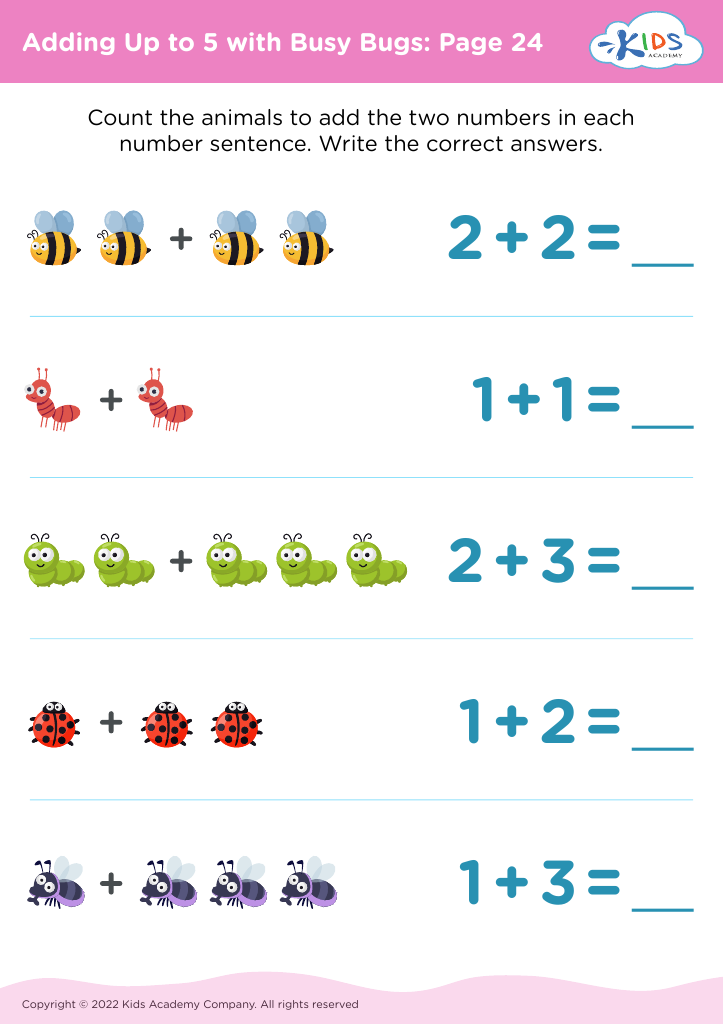
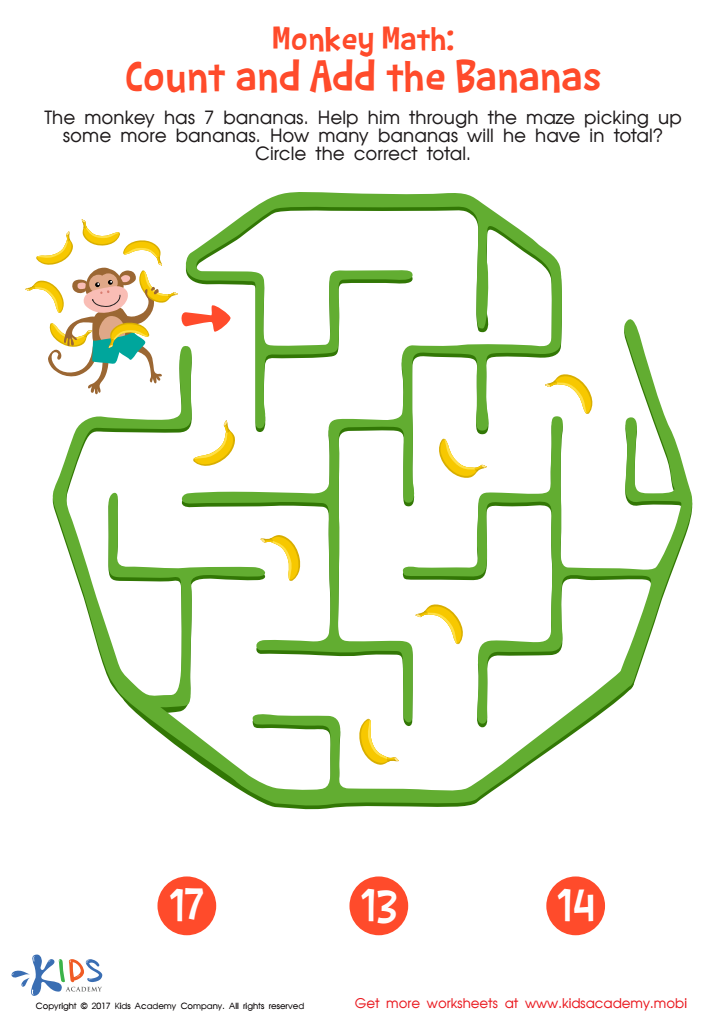
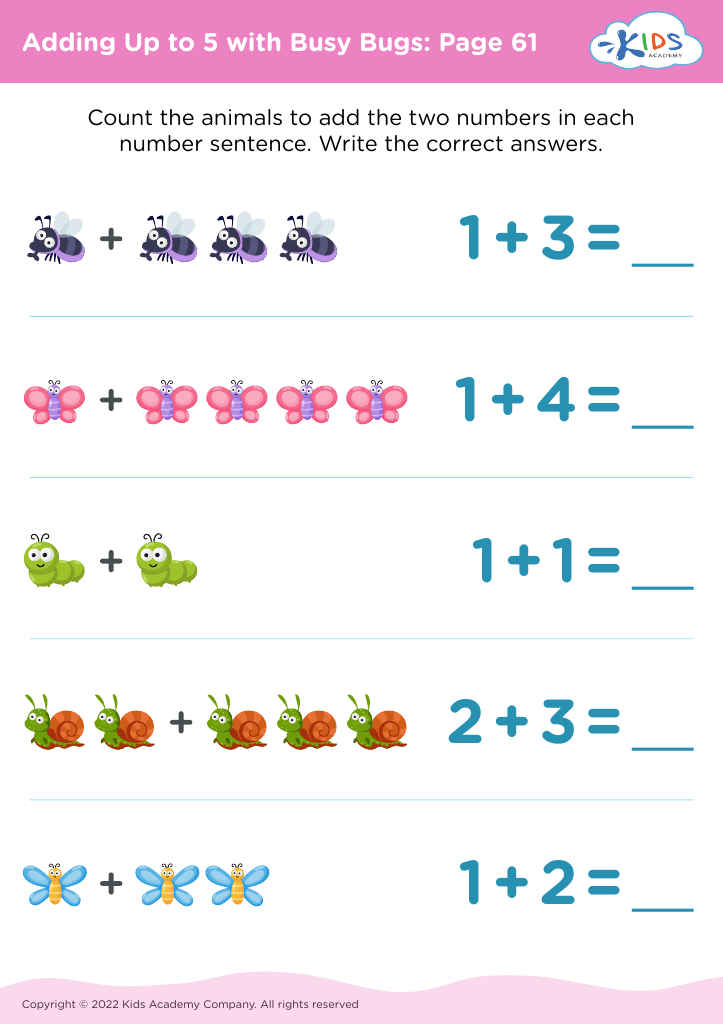
 Assign to My Students
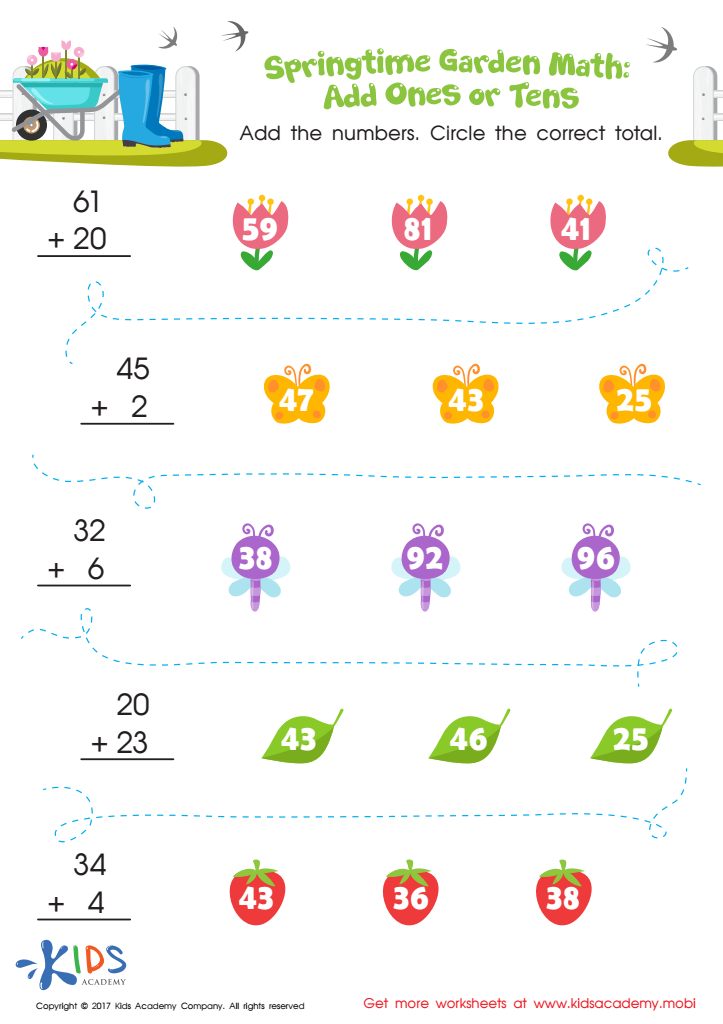
Springtime Garden Math Worksheet








Visualization skills in addition and subtraction are crucial for children aged 4-8 as they lay the foundation for mathematical understanding and problem-solving. At this developmental stage, children are beginning to understand abstract concepts; therefore, visualization helps make numbers and operations tangible. By using visual aids like blocks, counters, or drawings, children can physically see the relationships between numbers, which solidifies their grasp of mathematical concepts.
Furthermore, these skills promote critical thinking. Children learn to represent problems visually, which enhances their ability to analyze and interpret mathematical situations. This also fosters a more profound confidence in their capabilities, encouraging a love for math at an early age.
Additionally, strong visualization skills can aid in memorizing addition and subtraction facts, assisting children in moving toward more complex mathematics in later grades. Helping students visualize problems allows for greater flexibility in thinking, enabling them to create multiple pathways to a solution.
Engaging parents and teachers in this process ensures that children receive support across different environments, making learning cohesive. Ultimately, focusing on visualization skills not only equips children with essential tools for math but also prepares them for a world that requires critical and visual thinking abilities in various domains.








