Drawing skills Addition Worksheets for Ages 4-8
6 filtered results
-
From - To
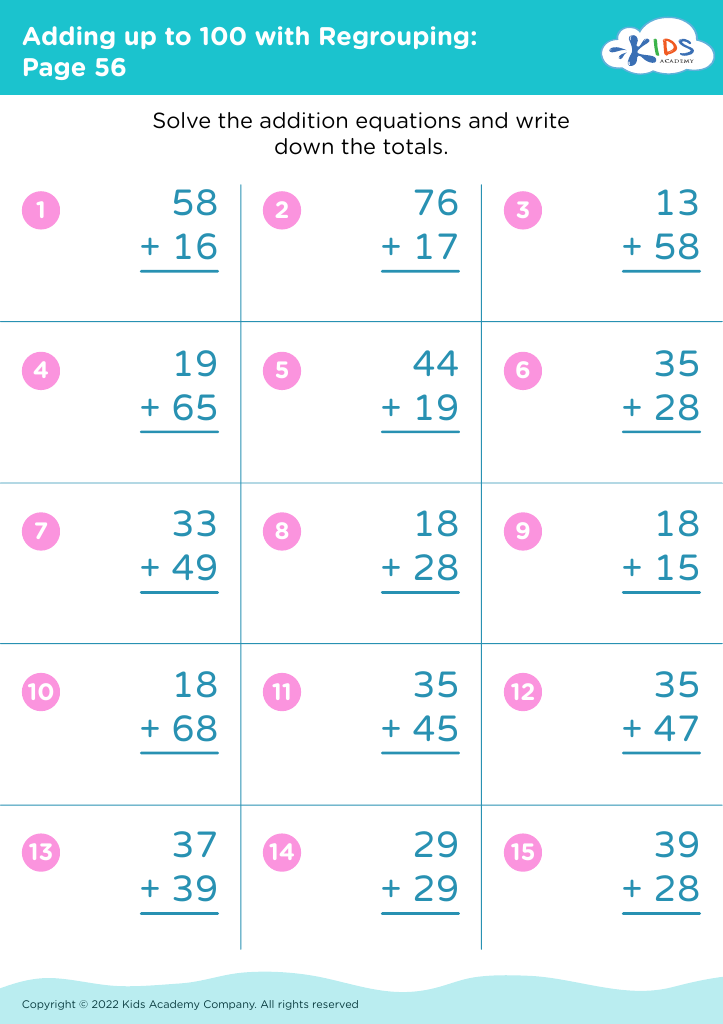
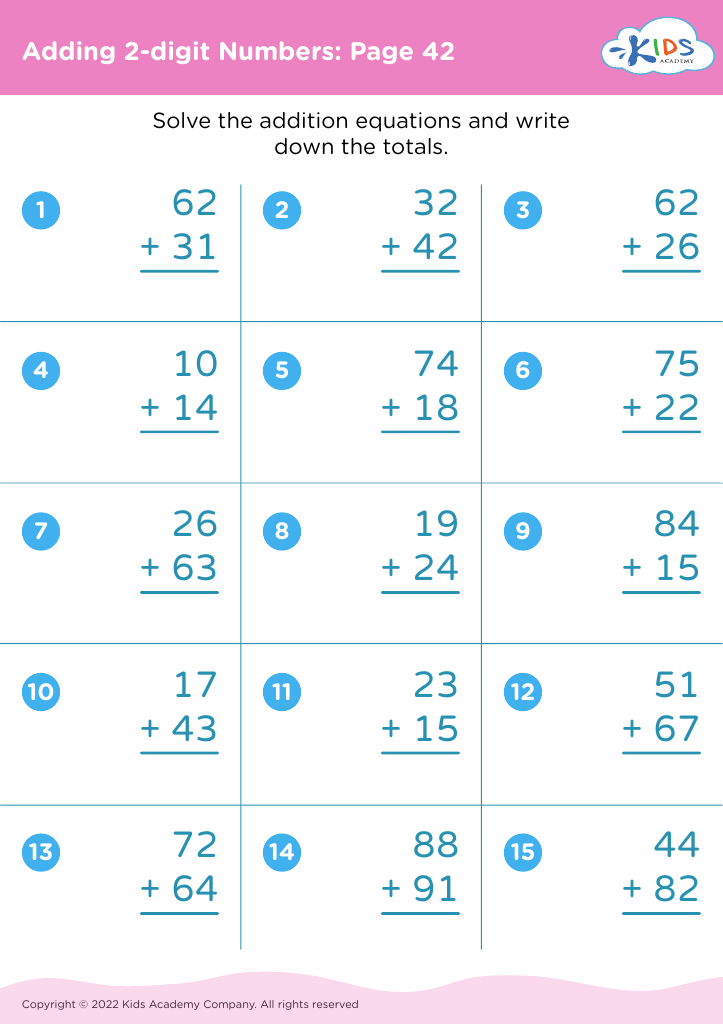
Unlock your child's creativity and math skills with our Drawing Skills Addition Worksheets designed for ages 4-8! These engaging worksheets combine the fundamental concepts of addition with drawing activities, making learning fun and interactive. Children will enhance their understanding of numbers as they illustrate math problems, fostering both analytical and creative thinking. Each worksheet features colorful graphics and simple instructions that encourage kids to express their ideas visually while reinforcing their addition skills. Explore a world where art and math intersect, and watch your child develop confidence and enthusiasm in both subjects. Perfect for at-home learning or classroom use!
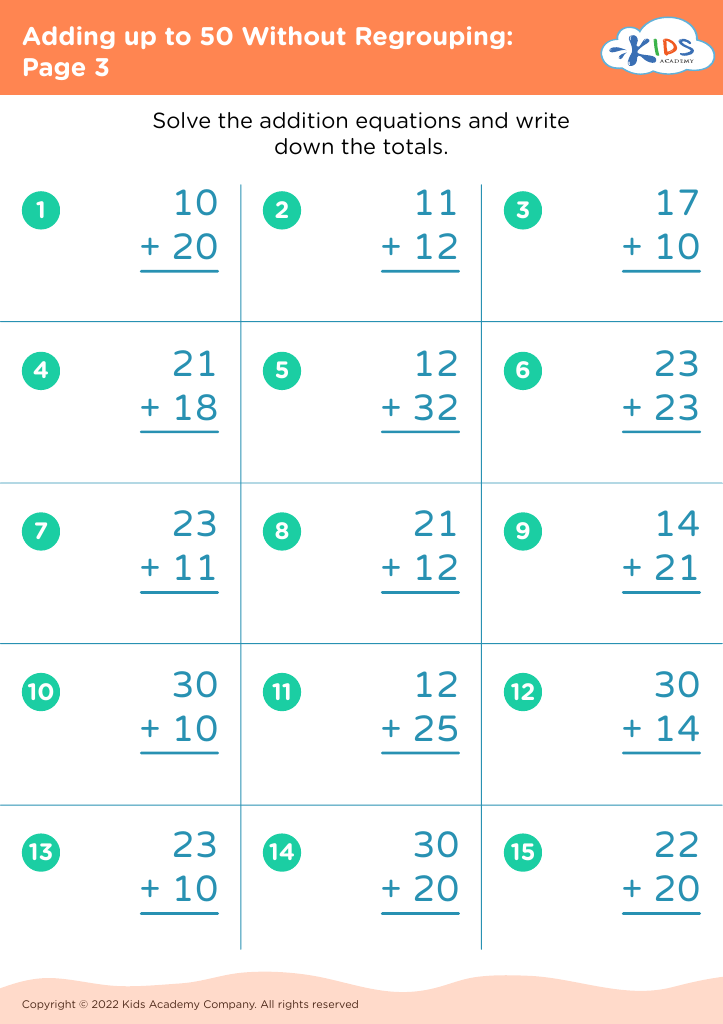
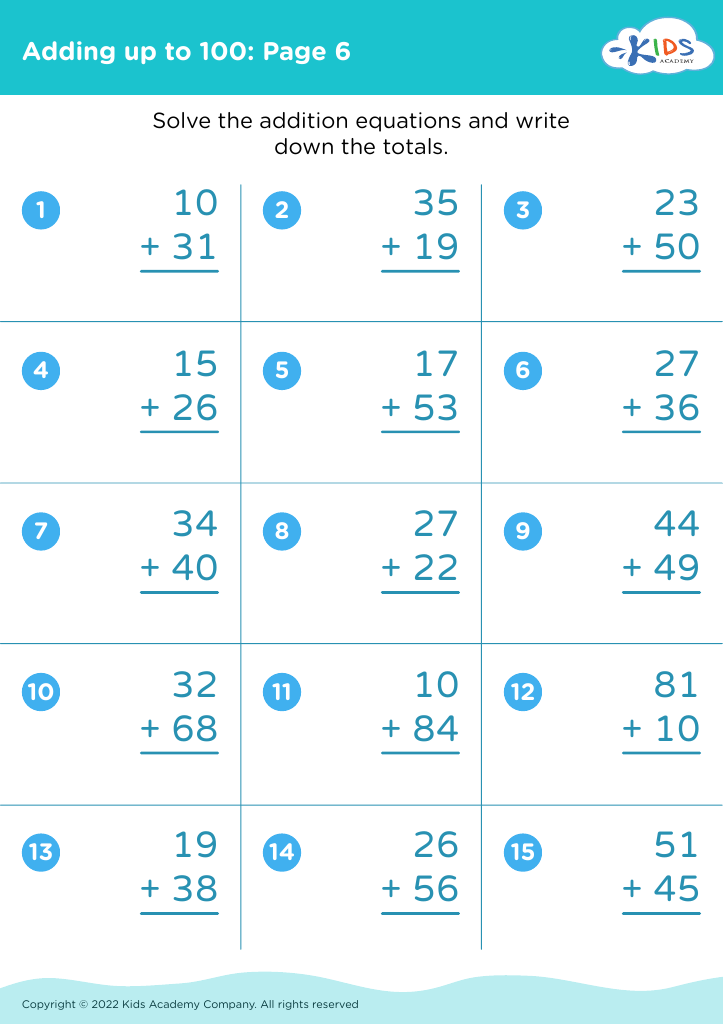
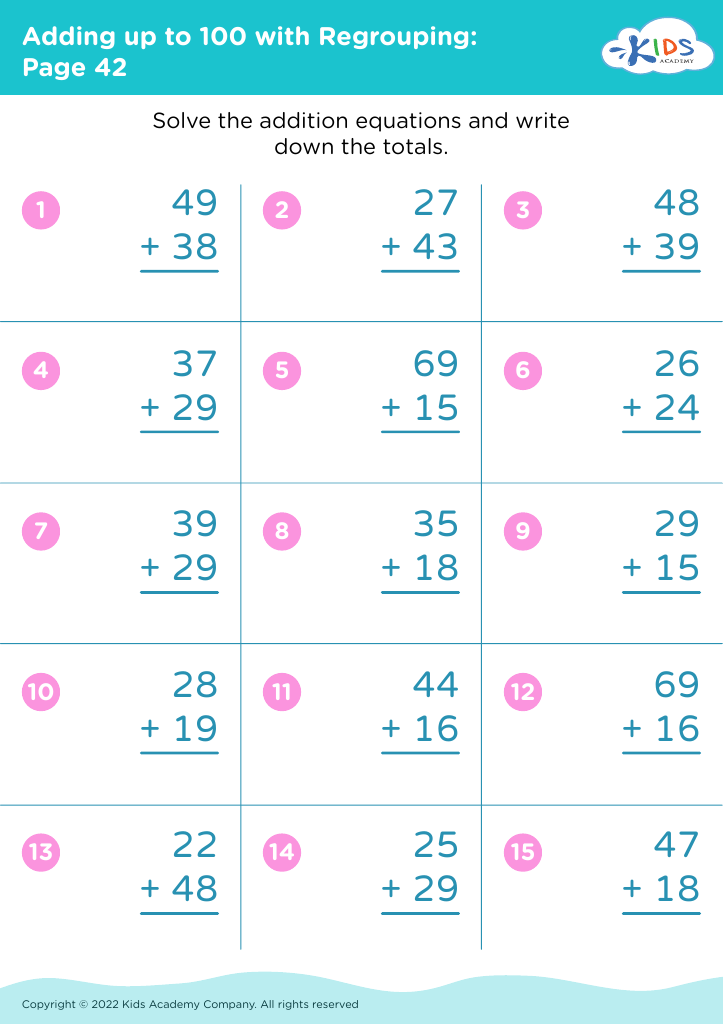
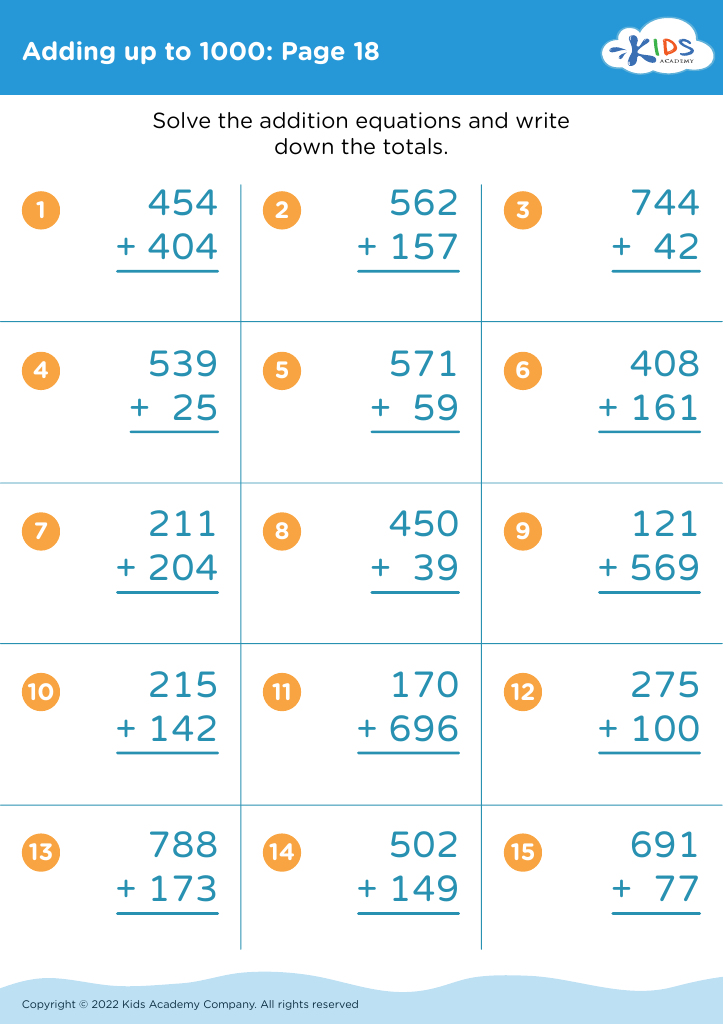






.jpg)

Drawing skills play a vital role in the holistic development of children aged 4-8, with significant implications for their learning, communication, and emotional expression. For parents and teachers, fostering these skills is crucial as drawing offers a creative outlet that enhances fine motor skills, hand-eye coordination, and cognitive development. The act of creating allows children to explore their imaginations, think critically, and articulate their thoughts visually.
Moreover, drawing serves as an essential tool for emotional expression, helping children convey feelings they might otherwise struggle to articulate verbally. It encourages self-esteem and confidence as they see their ideas take shape on paper. In addition, drawing can enhance concentration and persistence, as young children learn to focus on a task and see it through to completion.
Integrating drawing into early education supports cross-curricular learning; mathematical concepts, such as addition, can be incorporated artfully through visual representations. This multi-sensory approach not only reinforces understanding but also makes learning engaging and fun. Ultimately, by prioritizing drawing skills, parents and teachers cultivate creativity, emotional intelligence, and foundational academic competencies, all of which are essential for children's success in school and beyond.








