Reading analog clocks Addition Worksheets for Ages 4-8
4 filtered results
-
From - To
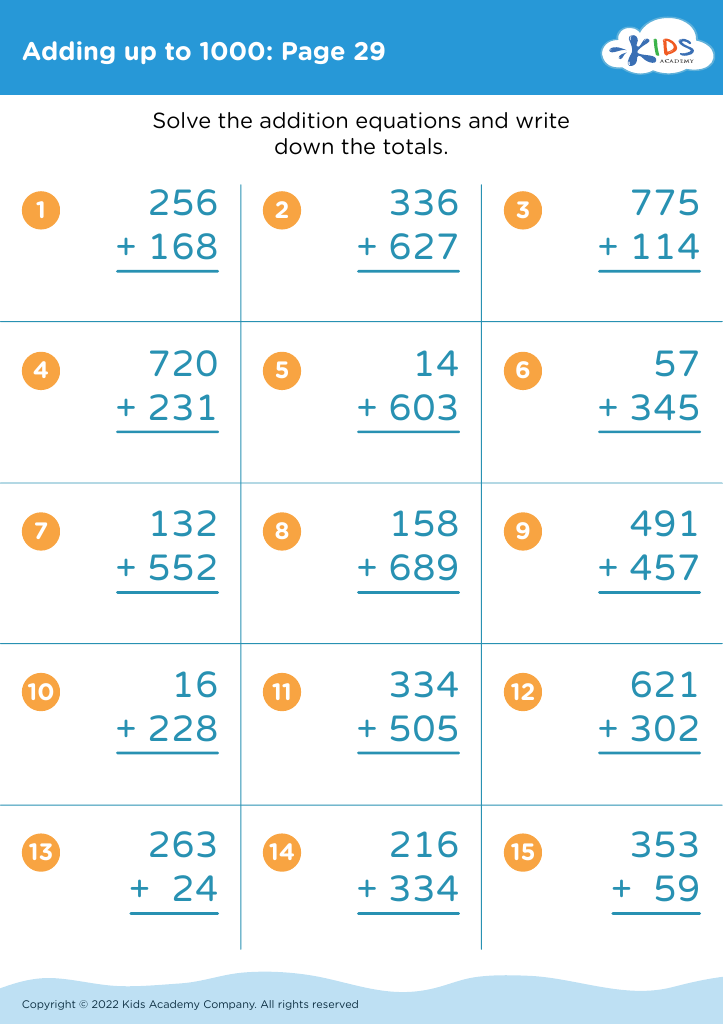
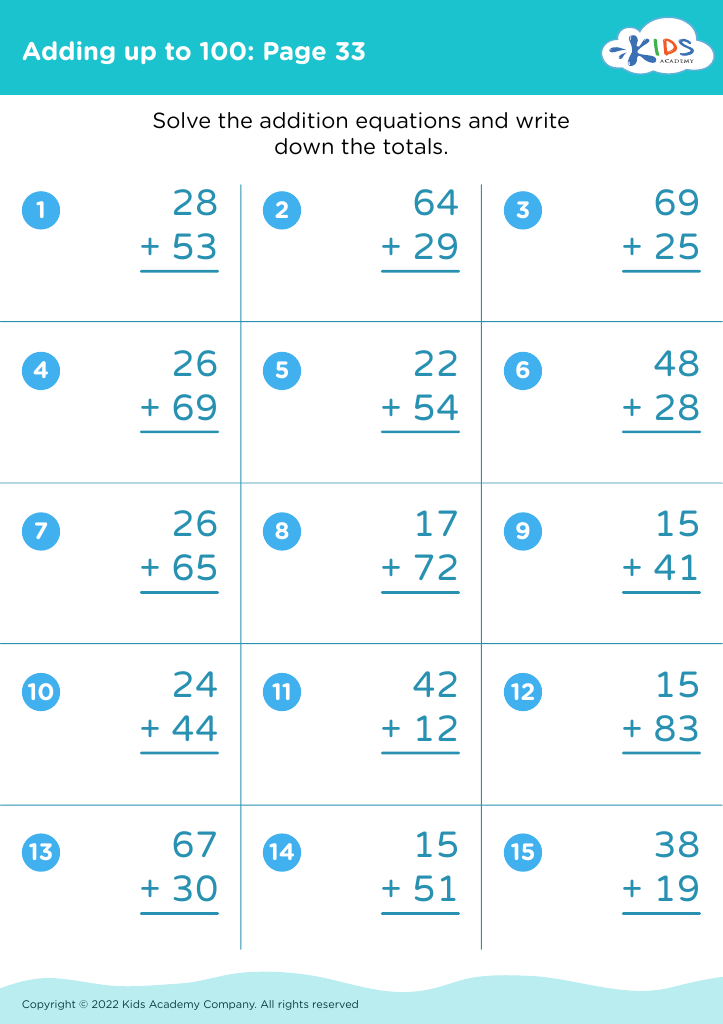
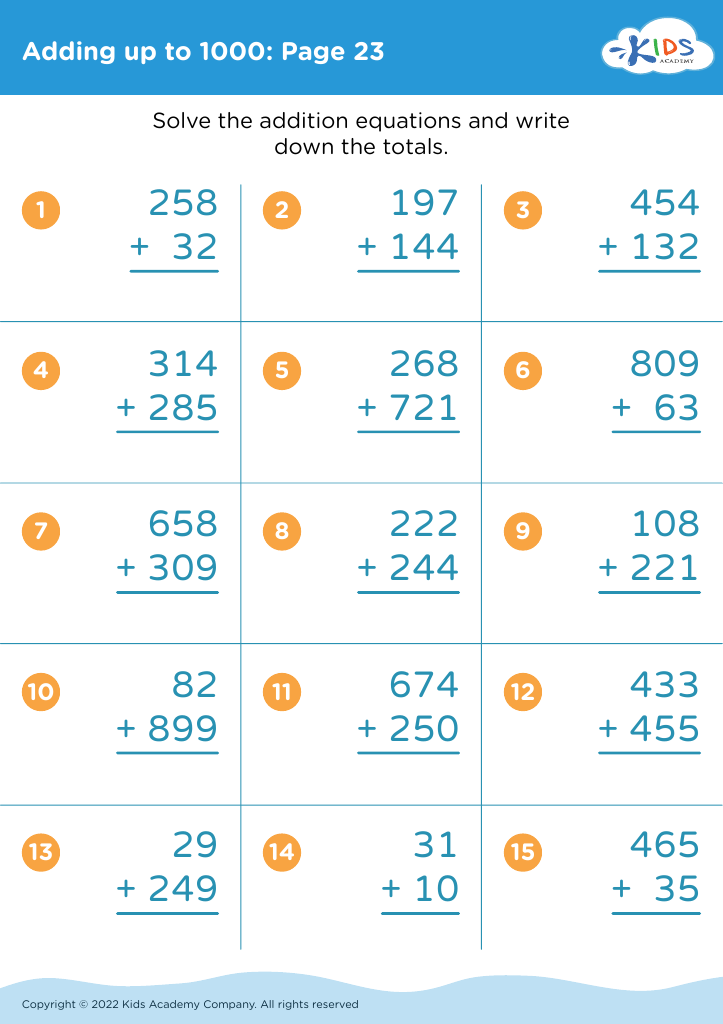
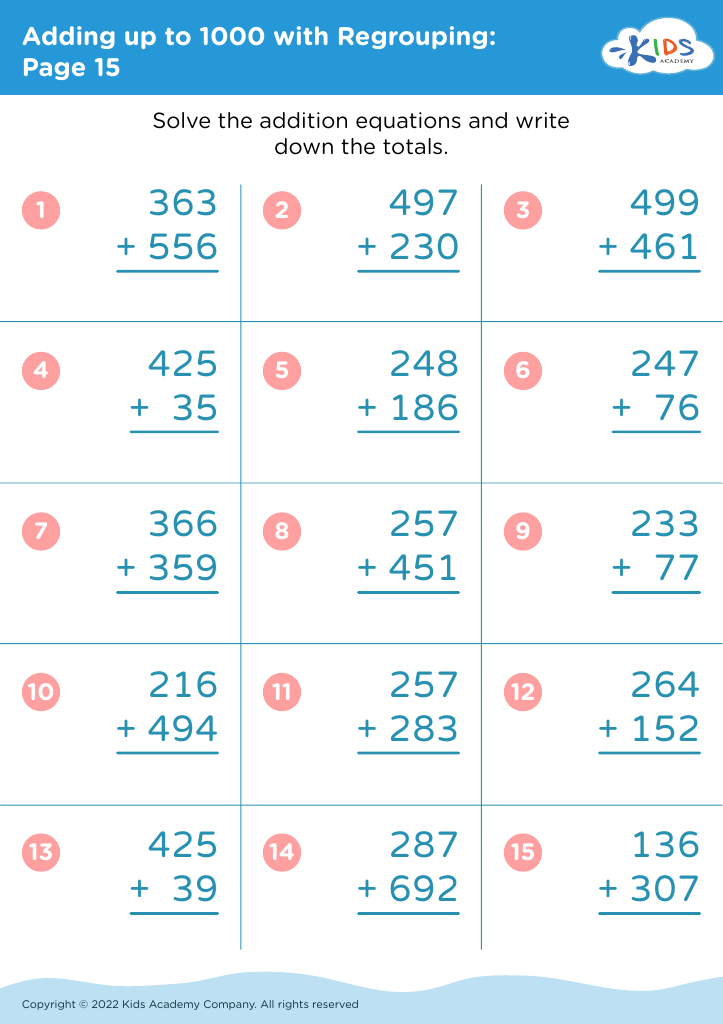
Explore our engaging "Reading Analog Clocks Addition Worksheets" designed specifically for children ages 4-8. These worksheets help young learners develop essential math skills through the fun and interactive world of time-telling. By integrating addition problems with analog clock readings, children enhance their numeracy while grasping important time concepts. Each worksheet features colorful illustrations and easy-to-understand instructions, making learning both enjoyable and effective. Watch your child's confidence grow as they practice reading analog clocks and solving addition problems simultaneously. Perfect for classroom or home use, these worksheets are an excellent resource for parents and teachers aiming to bolstertheir child’s math foundations.



.jpg)




Teaching children to read analog clocks is an essential skill that promotes their cognitive development and practical life skills. For parents and teachers of children aged 4-8, understanding and mastering this concept can significantly enhance a child's ability to grasp time and its management.
Firstly, reading an analog clock helps children comprehend the passage of time, which is crucial for their daily routines, such as time for meals, play, and sleep. It builds a foundation for understanding schedules in the school environment and outside activities.
Secondly, this skill encourages mathematical reasoning through addition. Working with the segments of clock faces introduces concepts of fractions and numbers, enhancing numeracy skills. When children learn to add the minutes and hours, they are not only telling time but also engaging in problem solving and critical thinking.
Finally, learning to read an analog clock can boost children's confidence and independence. As they acquire this skill, they feel empowered to manage their time and navigate their daily lives better. Thus, parents and teachers have strong reasons to emphasize this fundamental lesson, laying the groundwork for lifelong skills in responsibility and organization.








