
Color matching Math Worksheets for Ages 4-8
3 filtered results
Difficulty Level
Grade
Age
-
From - To
Subject
Activity
Standards
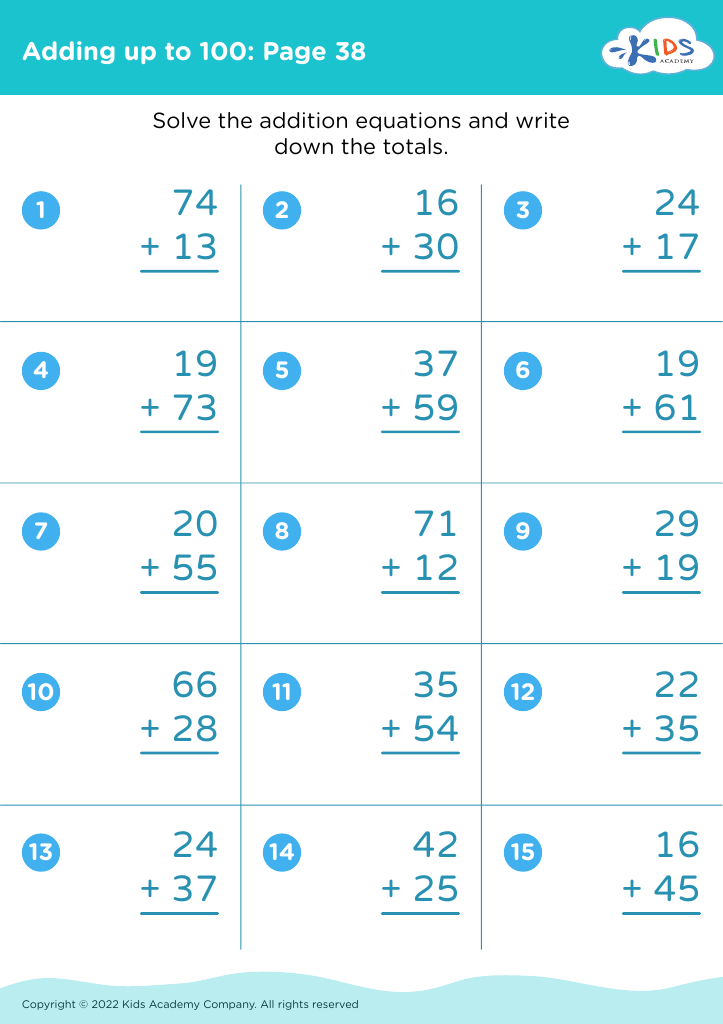
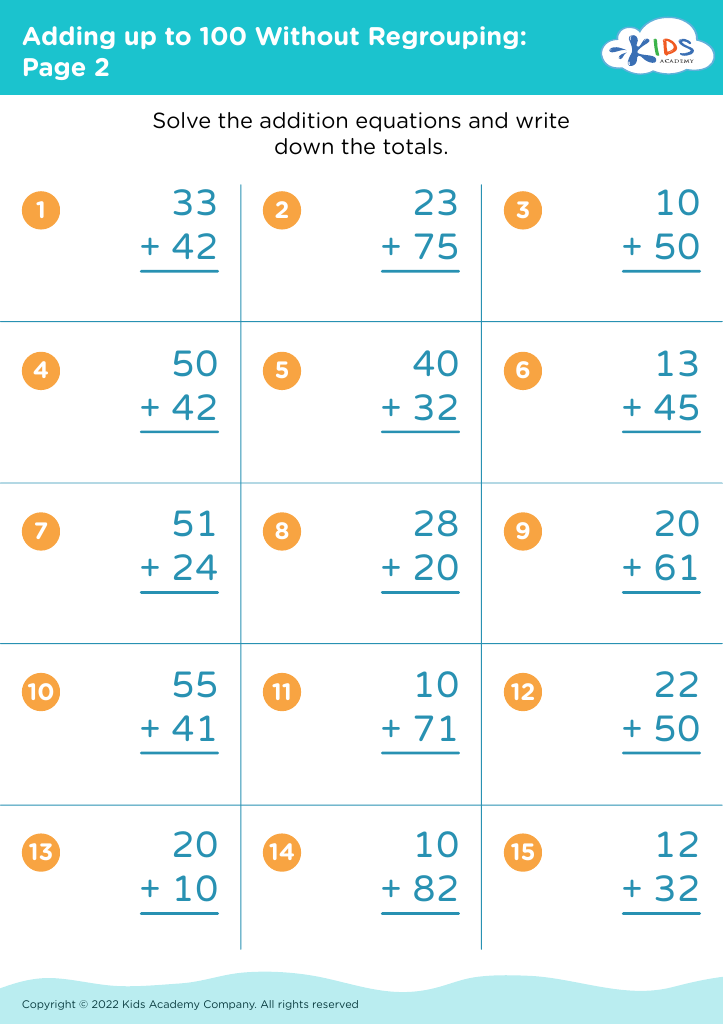
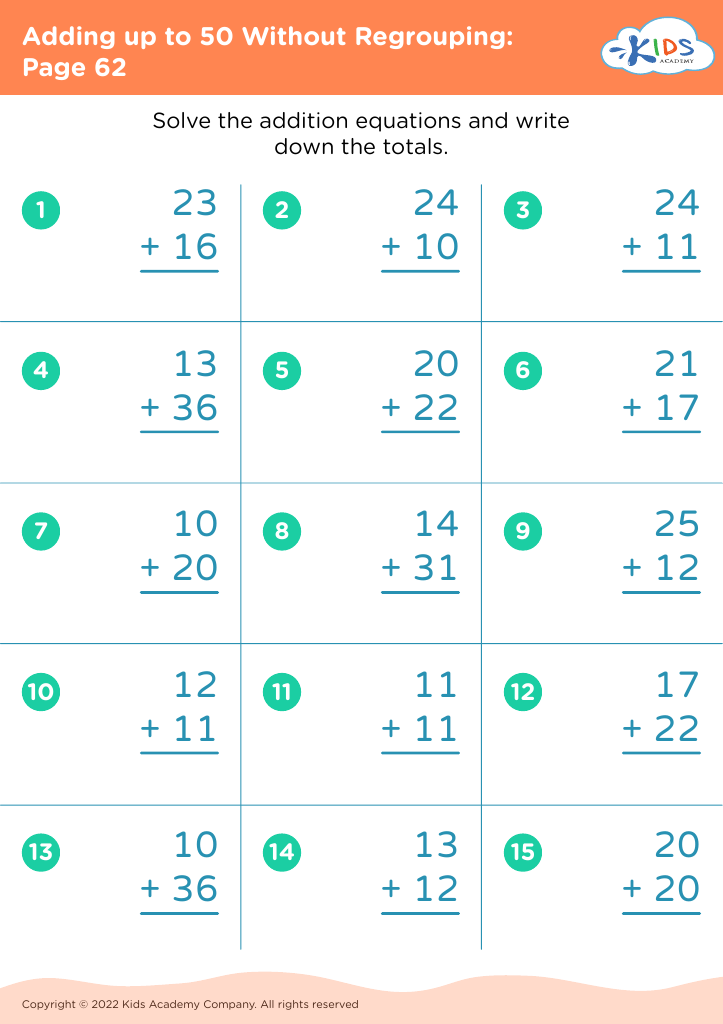
Discover our engaging color matching math worksheets designed specifically for children ages 4 to 8! These worksheets serve as a fun and interactive way to help young learners develop essential math skills while exploring colors. Through exciting activities, students will improve their ability to recognize, sort, and match different colors, enhancing their cognitive development. Each worksheet is carefully crafted to captivate young minds and foster a love for learning. Ideal for homeschool use or classroom centers, these color matching worksheets provide endless opportunities for playful learning. Unlock your child's potential and make math an enjoyable experience today!
Favorites
With answer key
Interactive
Join Kids Academy for Free
Who is primarily going to use this learning content?








Color matching math for children aged 4 to 8 is a pivotal tool that enhances early cognitive development and fosters foundational mathematical skills. At this age, children are naturally curious and eager to learn, making it an ideal time to introduce mathematical concepts in a fun and engaging way.
One primary reason parents and teachers should care about color matching math is that it strengthens critical thinking and problem-solving skills. When children match colors while solving mathematical problems, they develop a deeper understanding of classification and grouping, which are key pre-math skills. Moreover, color differentiation encourages sensory engagement, making learning multifaceted and enjoyable.
Additionally, color matching math promotes collaboration and communication among young learners. Often, these activities are designed to be interactive, allowing children to work in groups, share ideas, and articulate their thought processes.
Furthermore, introducing math through colors can help reduce anxiety associated with numerical problems, making learning feel less daunting. It also encourages a positive attitude toward mathematics from an early age.
Overall, incorporating color matching math helps nurture a love for learning, fosters social skills, and lays a solid foundation for more complex mathematical concepts in the future. Engaging young minds in this way benefits both their educational journey and overall development.








