Critical Thinking Math Worksheets for Ages 4-8 - Page 3
52 filtered results
-
From - To
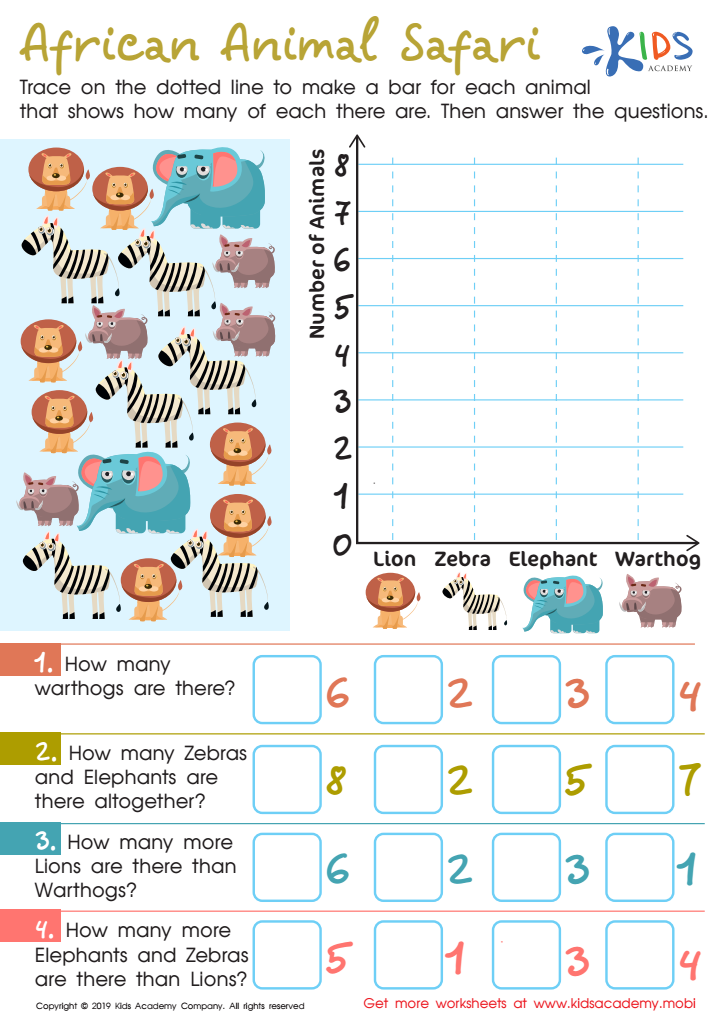
African Animal Safari Worksheet
 Assign to My Students
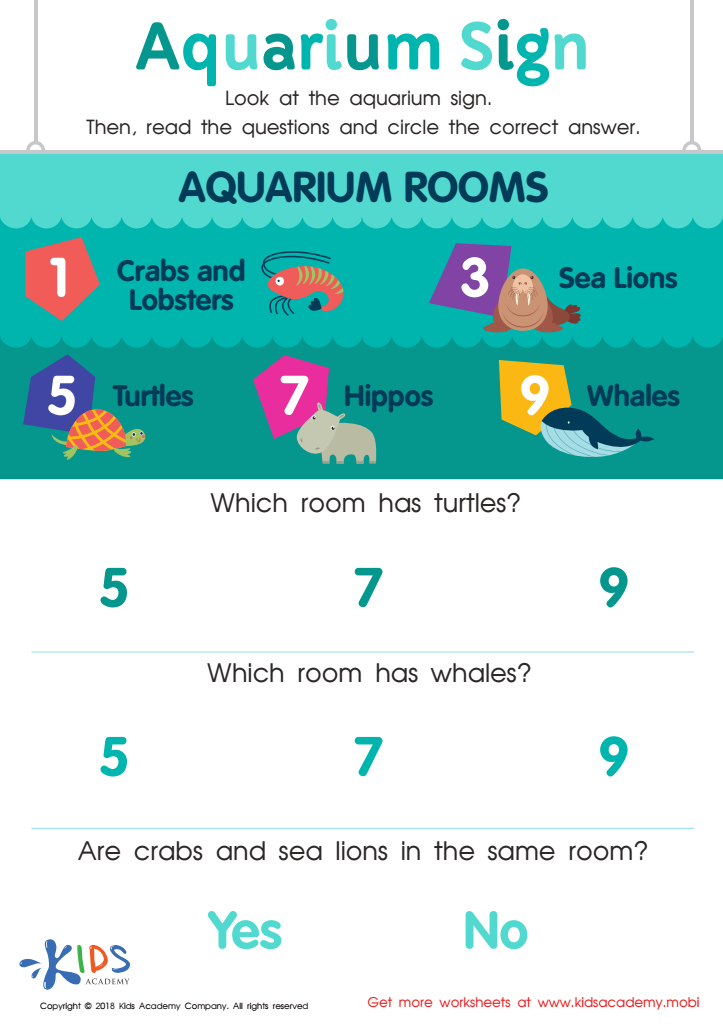
Assessment: Aquarium Sign Worksheet
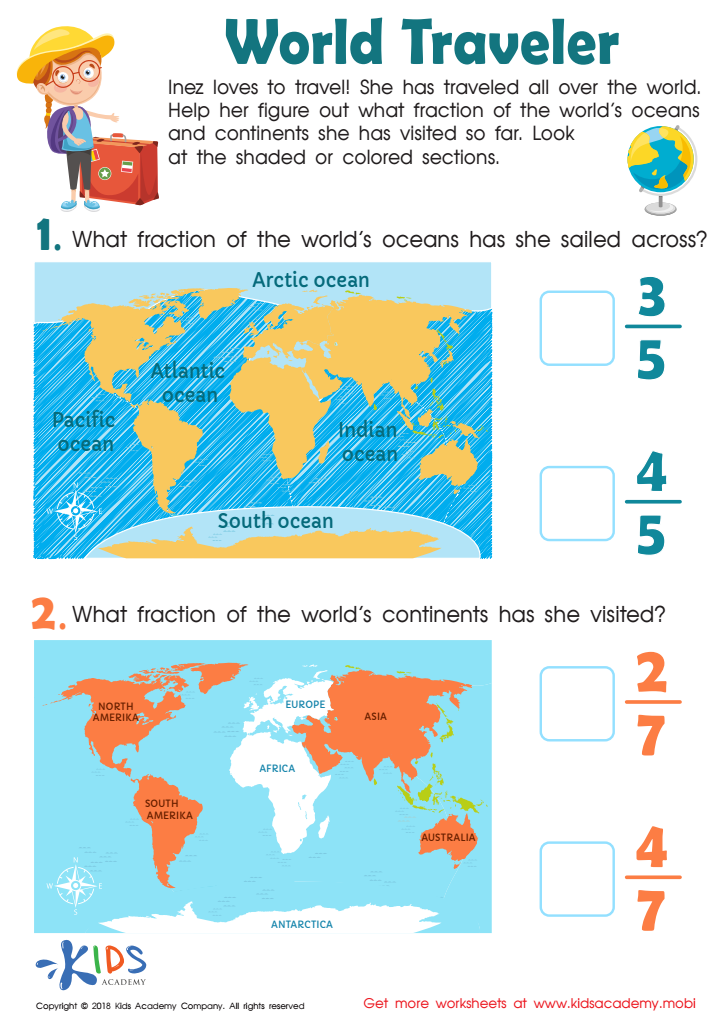
World Traveler Worksheet








Critical Thinking Math for children aged 4-8 is profoundly important for cognitive, academic, and social development. In the formative years, young minds are incredibly adept at absorbing new concepts, and fostering critical thinking skills equips children with tools they will use for life. Parents and teachers should care because such skills extend far beyond mere number crunching.
Firstly, critical thinking in math encourages problem-solving abilities. Children learn to approach a problem from various angles, enhancing their creativity and adaptability. These skills are transferable to other academic areas and real-life situations, helping children to navigate complex concepts and challenges independently.
Secondly, early exposure to critical thinking hones decision-making skills. When children learn to analyze problems, reason logically, and consider various solutions, they become more confident and self-reliant. This self-assuredness can positively influence their social interactions and resilience in facing setbacks.
Lastly, critical thinking cultivates a deeper understanding of mathematical principles. Instead of rote memorization, kids grasp the 'why' and 'how', fostering a love for learning and setting a strong foundation for future education. This intrinsic motivation can lead to lifelong academic success and intellectual curiosity.
Thus, integrating critical thinking math activities in early education is vital for nurturing well-rounded, independent, and capable learners.








