Develop analytical thinking Math Worksheets for Ages 4-8
3 filtered results
-
From - To
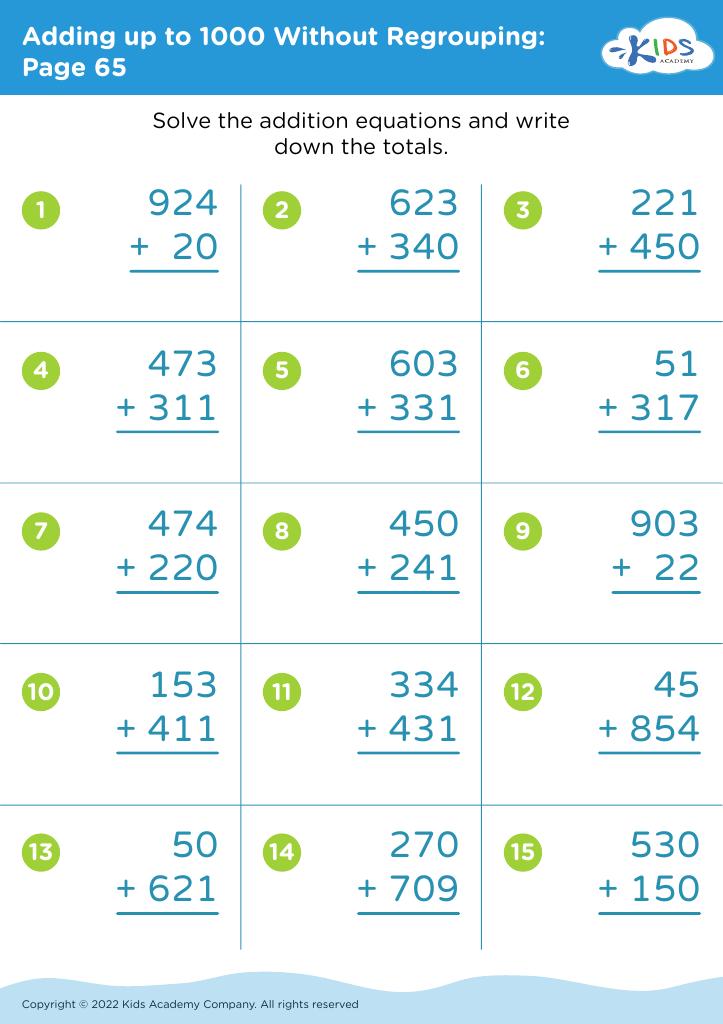
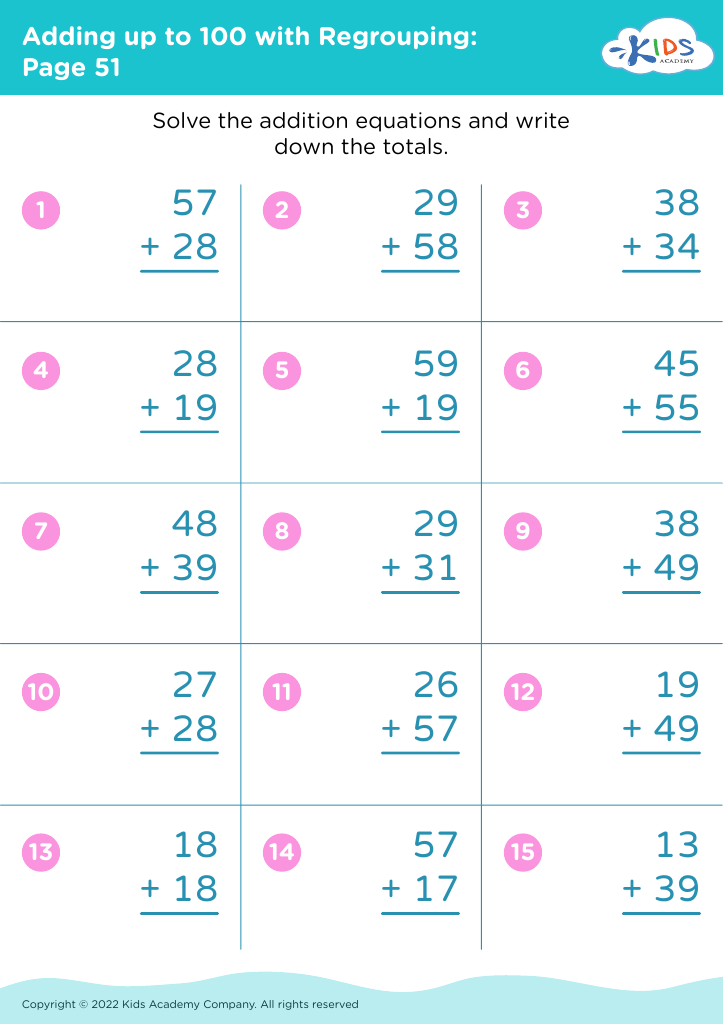
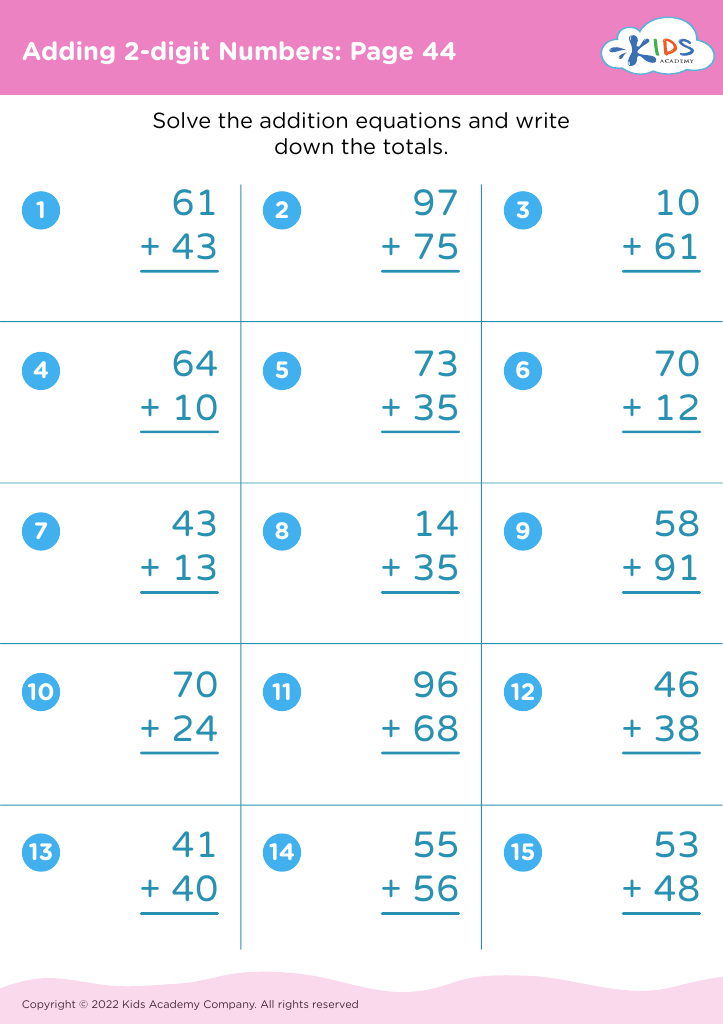
Foster your child's analytical thinking with our expertly designed math worksheets tailored for ages 4-8. At Kids Academy, we understand that foundational math skills are crucial for young learners. Our engaging exercises not only enhance mathematical understanding but also cultivate problem-solving abilities through fun, interactive activities. Each worksheet builds critical thinking by challenging kids with patterns, sequences, and logical puzzles, making learning enjoyable and effective. Empower your child to think analytically and develop a strong mathematical foundation with our comprehensive collection of printable resources. Visit Kids Academy and unlock your child’s potential for academic excellence.








Analytical thinking in mathematics is crucial for young children, ages 4-8, as it lays a foundational skill set that extends beyond numbers and calculations. By nurturing these abilities early on, parents and teachers help children develop critical problem-solving skills that are essential for academic success and daily life.
Analytical thinking encourages children to break down complex problems into smaller, manageable parts, fostering a deeper understanding of concepts. This type of thinking aids in identifying patterns, understanding relationships, and making informed decisions, which are fundamental components not only in math but also in various aspects of learning and development.
Additionally, engaging in analytical thinking exercises boosts cognitive development. It enhances memory, attention to detail, and logical reasoning. Early exposure to these skills builds a child's confidence in handling diverse challenges, creating a positive attitude towards learning and intellectual curiosity.
Moreover, strong analytical skills in math directly correlate with better performance in other academic areas, including science and reading, by promoting logical structure and coherent thought processes. As such, interest and cooperation from parents and teachers in developing these skills are crucial. They provide the support and opportunities for structured play, problem-solving activities, and discussions that ignite curiosity and foster an enduring love for learning in young minds.








