Identifying patterns Math Worksheets for Ages 4-8
3 filtered results
-
From - To
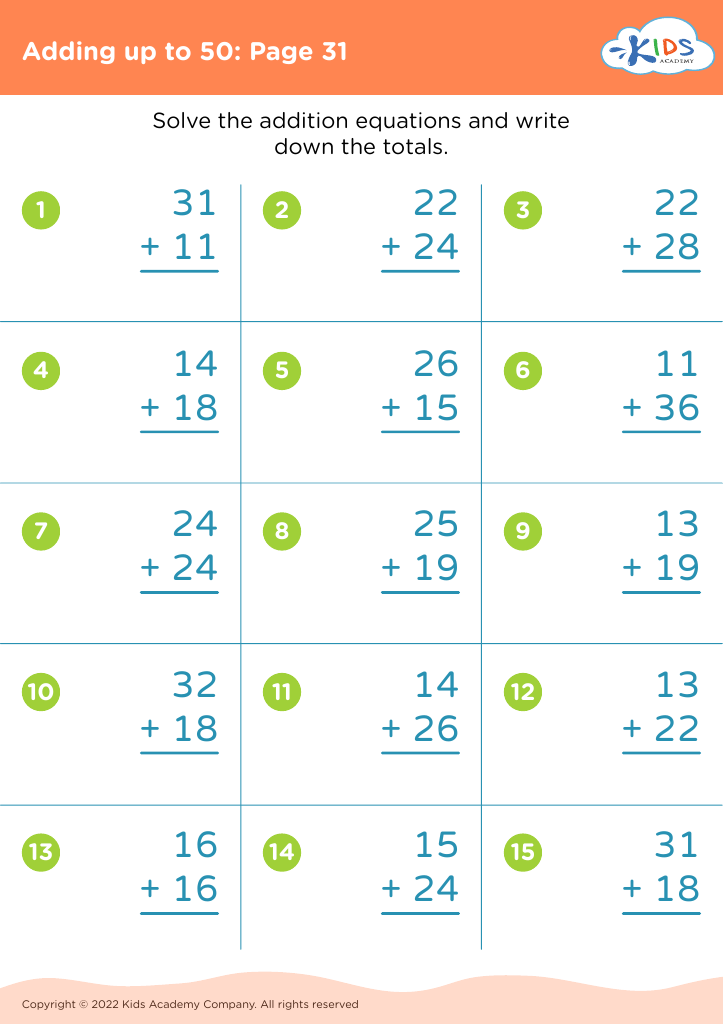
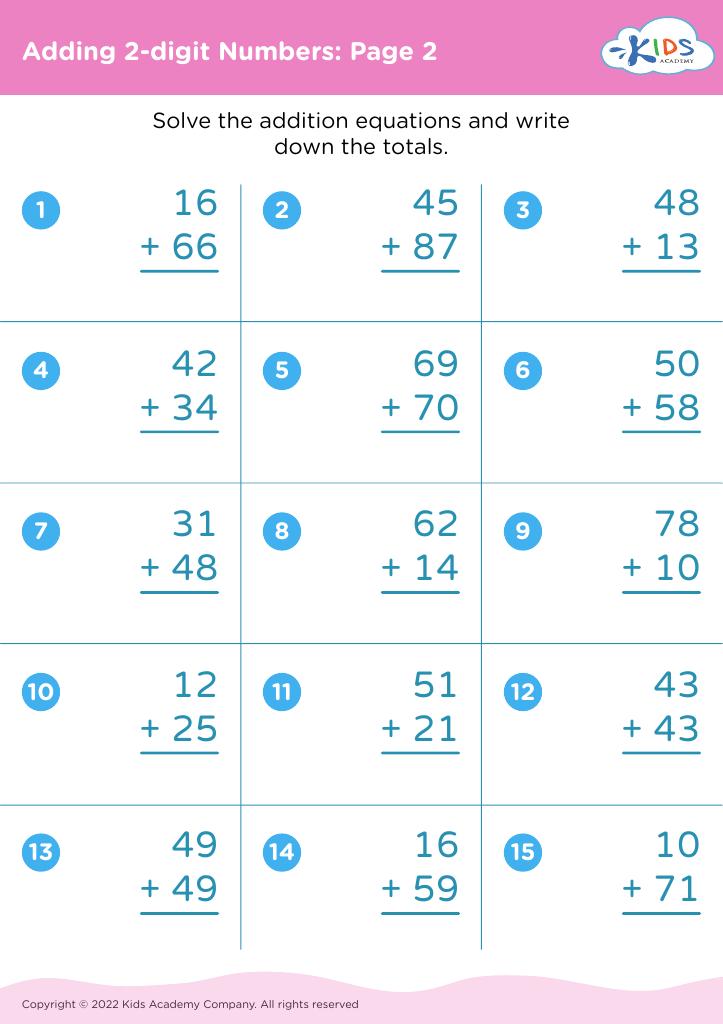
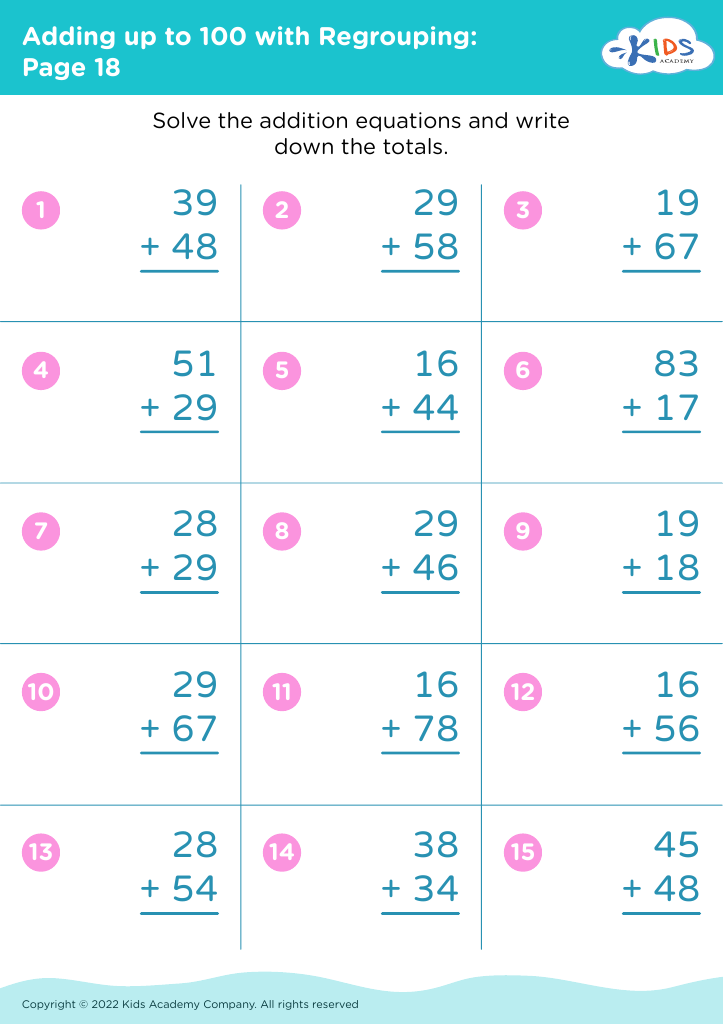
Explore our engaging Identifying Patterns Math Worksheets designed specifically for children ages 4-8. These worksheets provide a fun and interactive way for young learners to develop essential math skills while recognizing and creating patterns. With a variety of colorful and age-appropriate exercises, kids will enjoy identifying sequences, matching shapes, and completing patterns that stimulate critical thinking and enhance cognitive abilities. Perfect for home or classroom use, our worksheets make learning math enjoyable and productive. Help your child build a strong foundation in mathematics while having fun with patterns today! Download and print these worksheets to start the adventure in learning.







Identifying patterns in mathematics is a fundamental skill that greatly benefits children aged 4-8, making it essential for both parents and teachers to prioritize this aspect of learning. Recognizing patterns helps children develop critical thinking and problem-solving abilities, laying a strong foundation for more complex mathematical concepts later on. Early exposure to patterns enables kids to see relationships and make connections between numbers, shapes, and data, fostering their overall cognitive development.
Moreover, recognizing patterns can strengthen a child's ability to predict outcomes, enhancing their analytical skills. Engaging in pattern-related activities also promotes mathematical language and vocabulary, further enriching their communication skills.
Additionally, identifying patterns encourages children to embrace failure as a part of the learning process, as they learn to hypothesize and check their predictions. This resilience is crucial for their emotional growth. For parents and teachers, integrating pattern recognition into daily activities and lessons not only aids academic achievement but also makes learning fun and interactive, nurturing a lifelong love for mathematics. By prioritizing pattern recognition, we empower children to approach math with curiosity and confidence, essential traits for their future learning journey.








