Sequencing Skills Math Worksheets for Ages 4-8
11 filtered results
-
From - To
Discover our engaging Sequencing Skills Math Worksheets designed for children ages 4-8. These printable worksheets help young learners develop critical thinking and problem-solving abilities by practicing the concept of order with fun activities. Our carefully crafted exercises promote number sequencing, pattern recognition, and the logical arrangement of events, enhancing early math skills essential for academic success. Perfect for homeschooling or classroom use, these worksheets are easy to implement and encourage independent learning. Whether your child is a beginner or honing their math skills, our sequenced activities offer an enjoyable way to learn and grow. Start fostering essential sequencing abilities today!
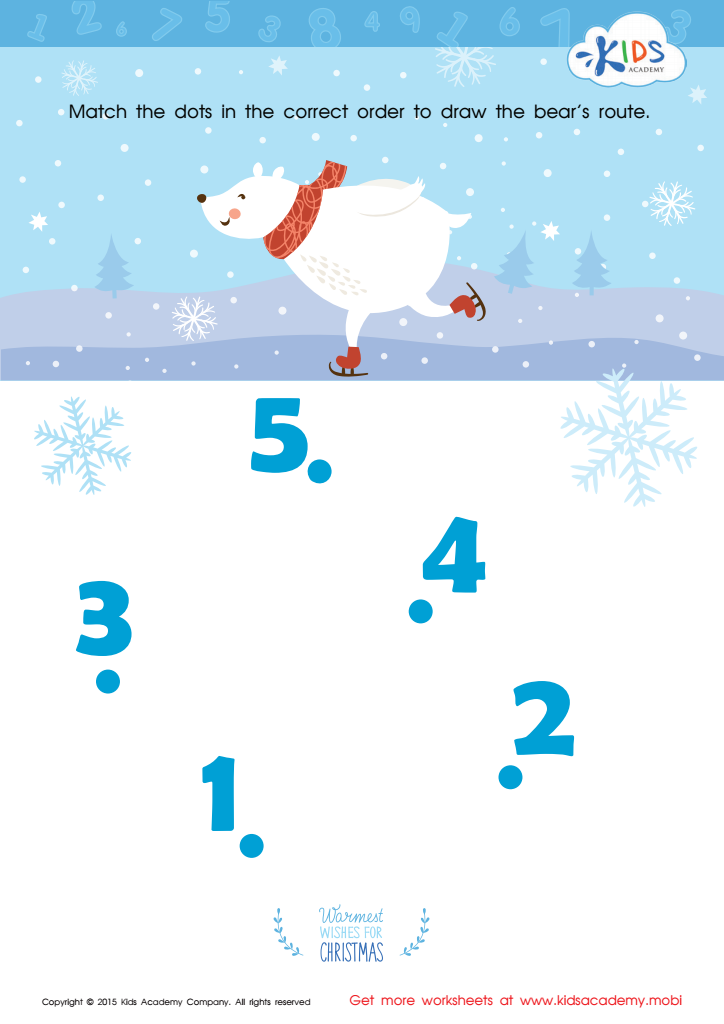
Drawing the Bear's Route by Number Worksheet
 Assign to My Students
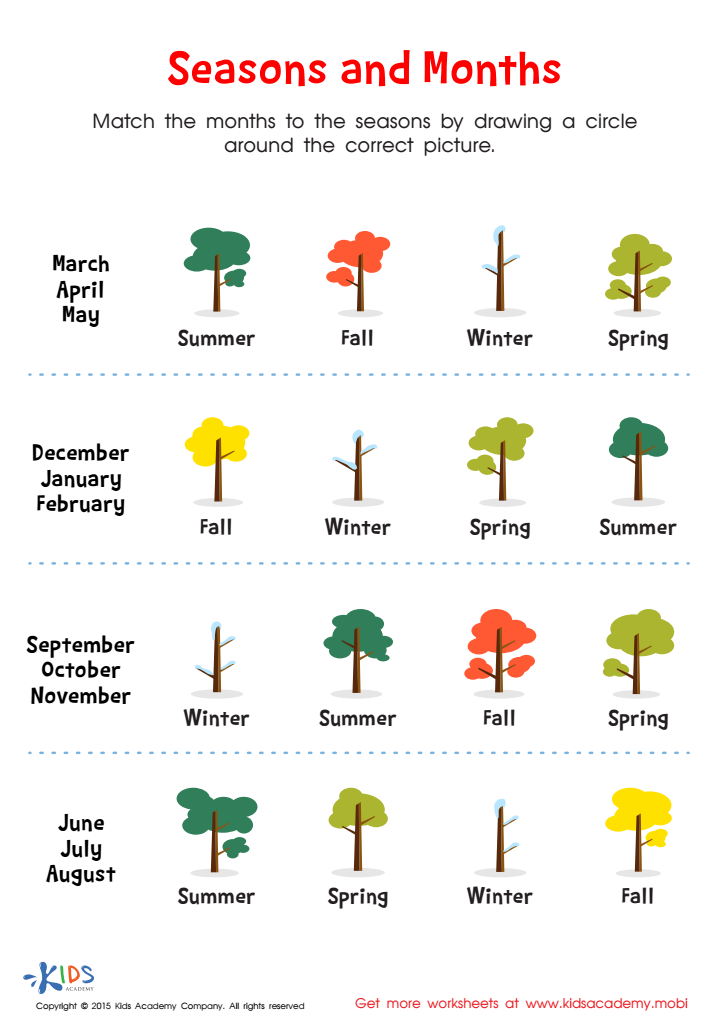
Seasons and Months Worksheet
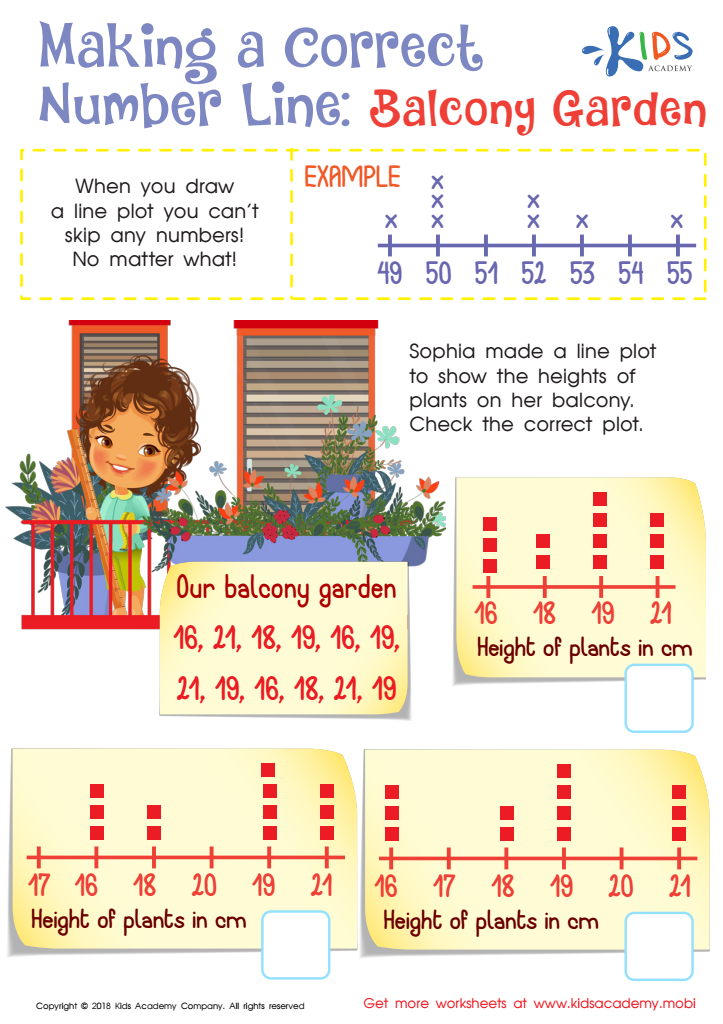
Making a Correct Number Line: Balcony Garden Worksheet
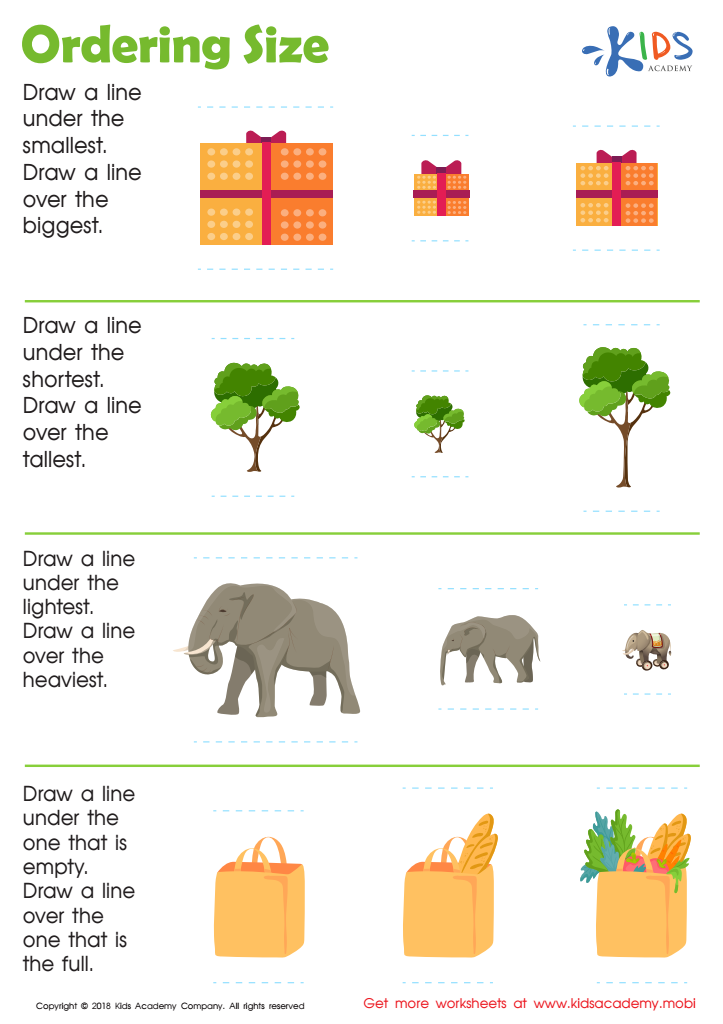
Ordering Size Worksheet
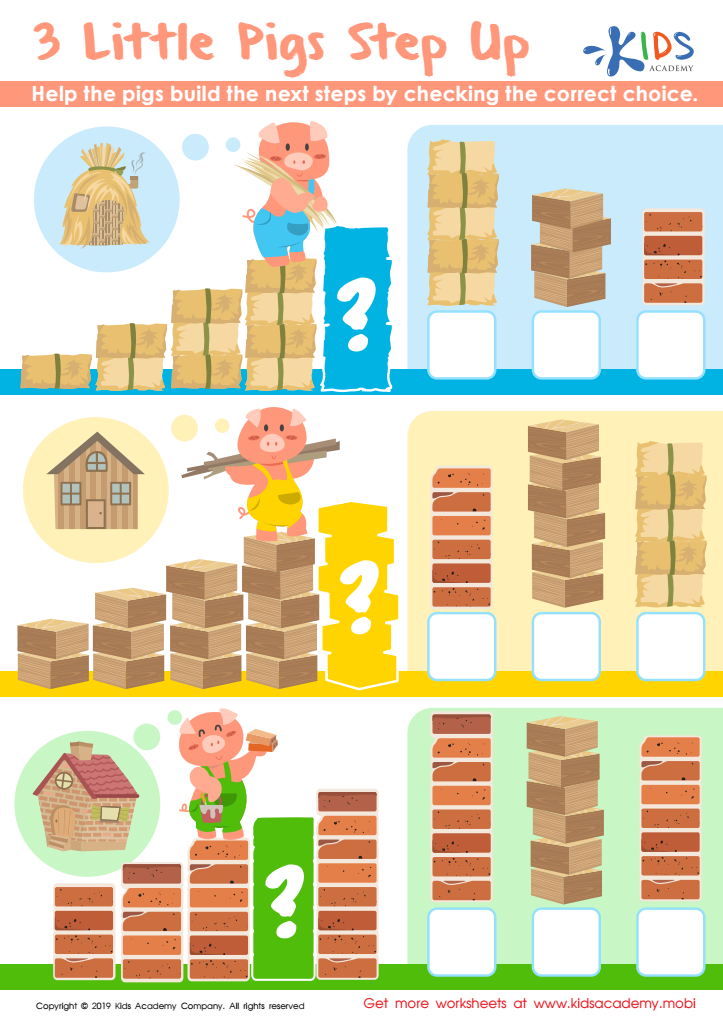
3 Little Pigs Step Up Worksheet
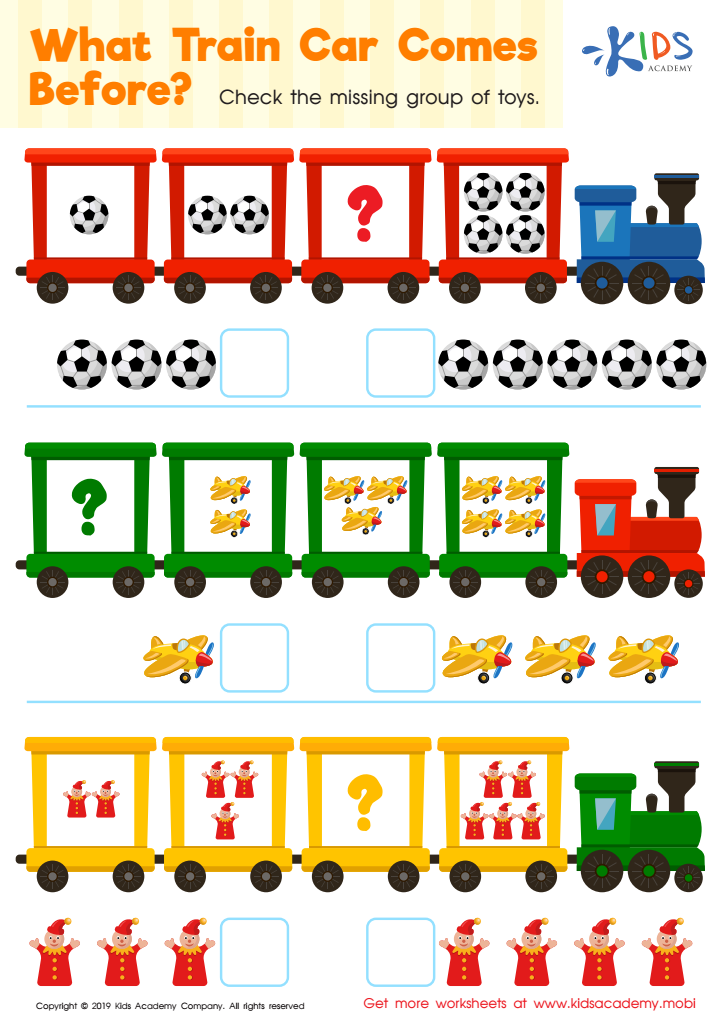
What Train Car Comes Before? Worksheet

Transportation: Steps Worksheet
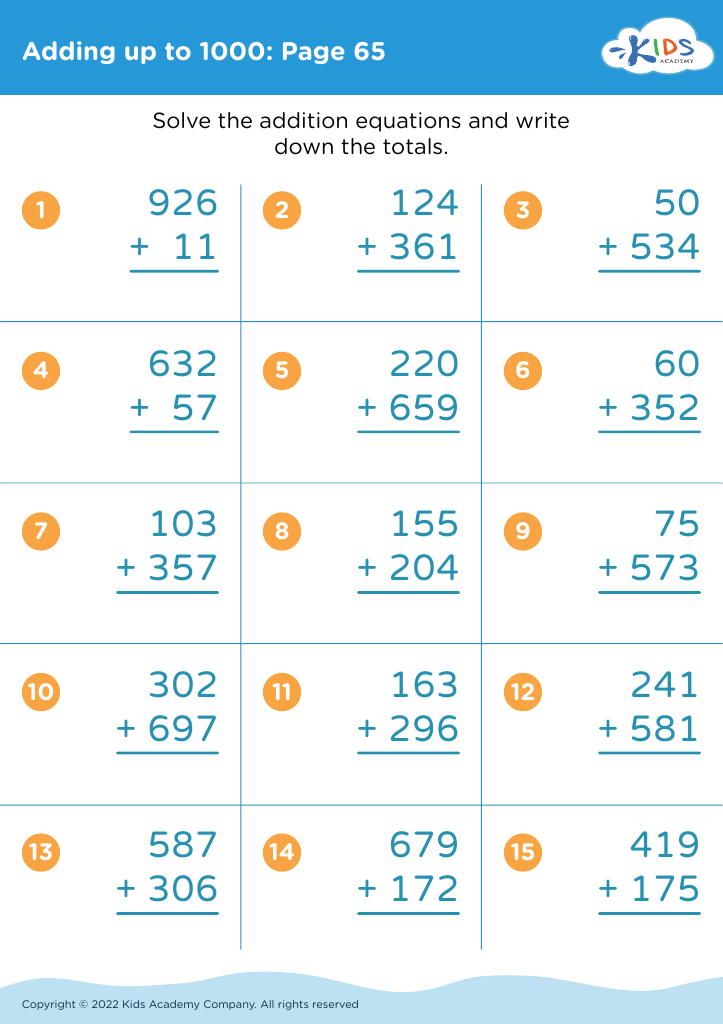
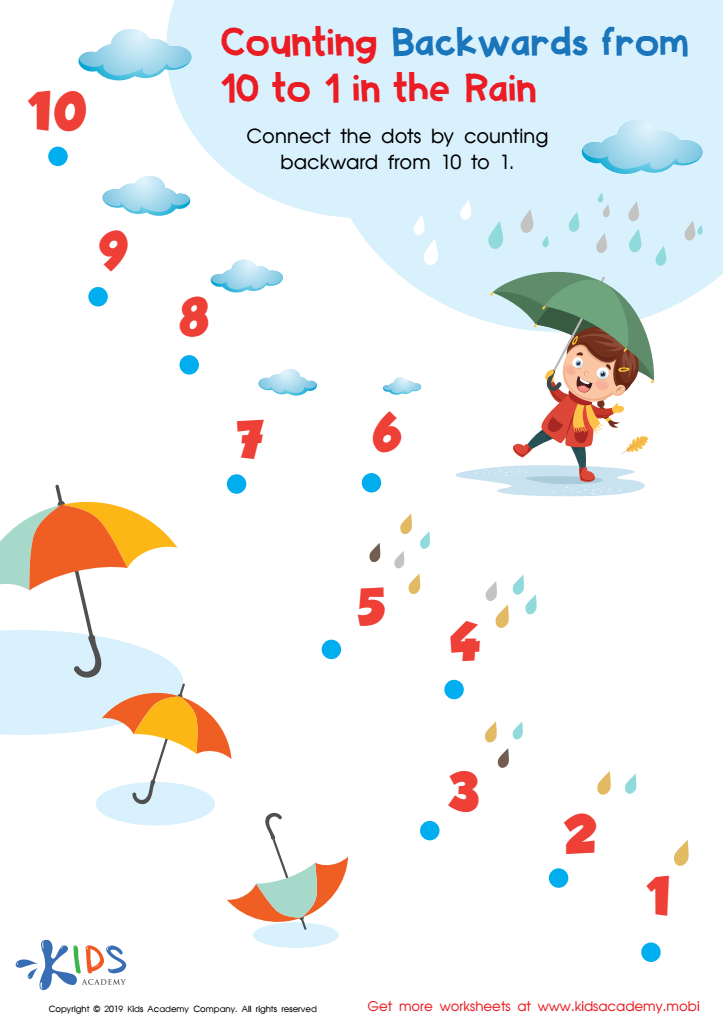
Counting Backwards from 10 to 1 in the Rain Worksheet


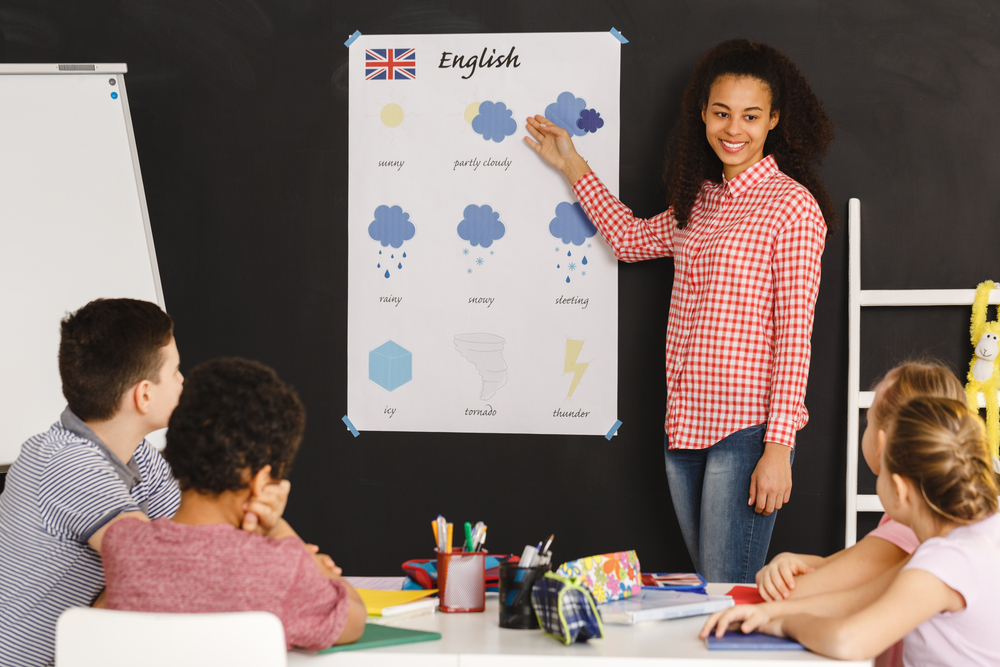





Sequencing skills in math are vital for children aged 4-8 as they lay the groundwork for logical thinking and problem-solving abilities. At this developmental stage, children are tapping into their cognitive skills, and understanding sequences helps them recognize patterns, enhance their numerical fluency, and develop critical thinking. Sequencing activities engage young learners and make abstract concepts concrete, allowing them to categorize numbers and solve basic mathematical operations effectively.
Parents and teachers should care about these skills because they signify a child’s capacity to organize and process information, laying a foundation for more complex math concepts later on, such as algebra and geometry. Moreover, sequential thinking aids in following multi-step instructions, essential not just in math but in everyday life.
Encouraging sequencing through games and activities fosters engagement, making learning enjoyable. This support aids in building confidence and can also reduce math anxiety, leading to greater academic success in future grades. Overall, a focus on sequencing skills helps establish a lifelong love for math and supports children in becoming proficient learners well beyond arithmetic. Investing in these skills is crucial for equipping children with the tools they need for future academic and real-world challenges.








