Understanding directions Math Worksheets for Ages 4-8
7 filtered results
-
From - To
Discover our engaging "Understanding Directions Math Worksheets" tailored for children ages 4-8! These worksheets are designed to enhance critical thinking and comprehension skills using playful, interactive activities. Young learners will explore various math concepts while mastering essential directional terms and instructions. Each worksheet features captivating visuals to keep kids motivated, supporting their journey to grasp key math ideas in a fun way. Whether at home or in the classroom, these resources provide an effective approach to learning. Dive into our collection and empower your child to navigate directions with confidence while building a strong math foundation!
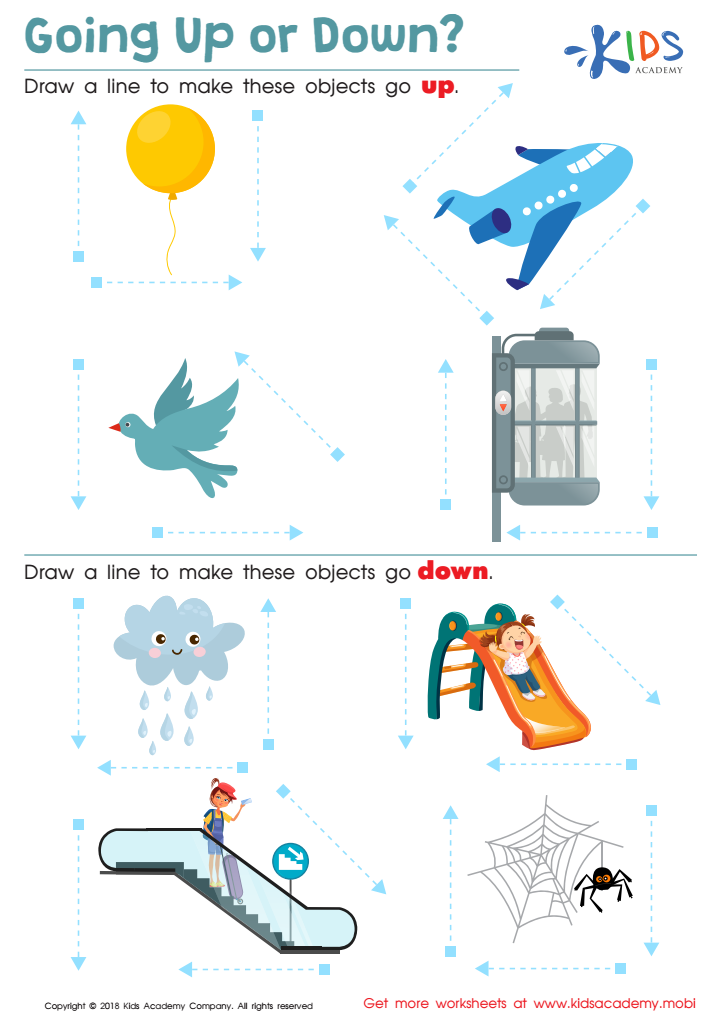
Going up or Down? Worksheet
 Assign to My Students
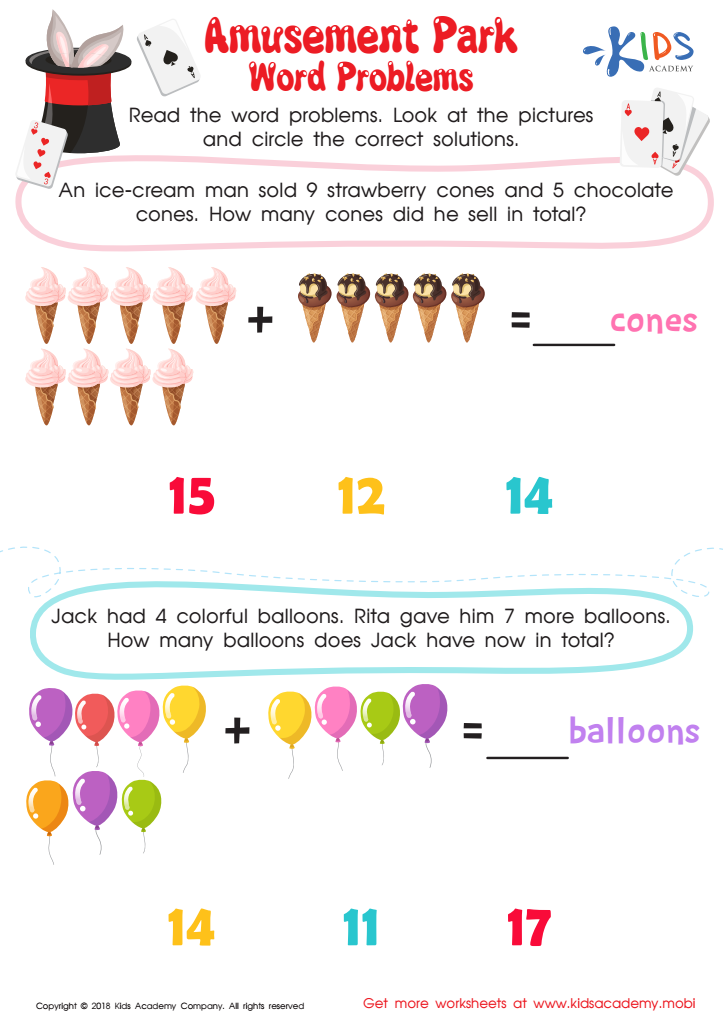
Amusement Park Word Problems Worksheet
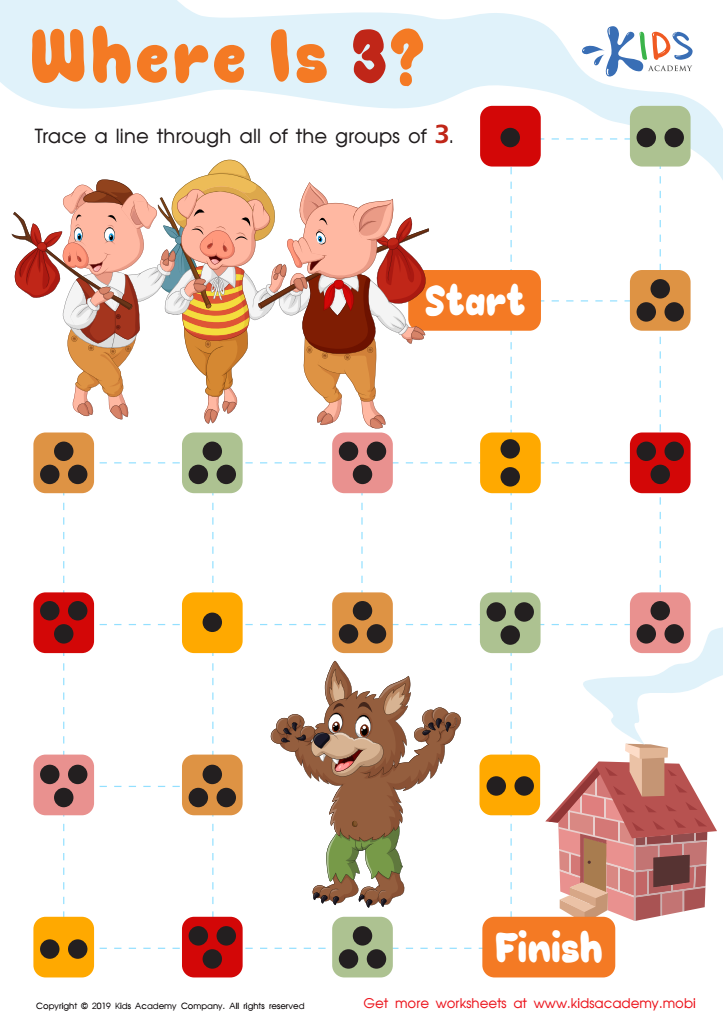
Where Is 3? Worksheet
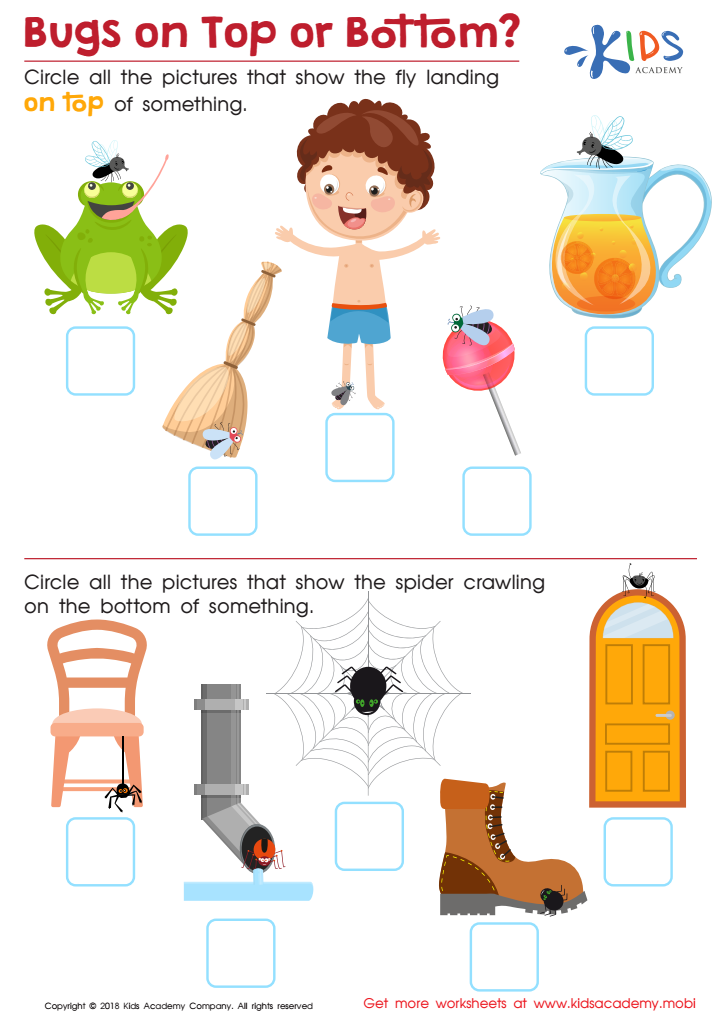
Bugs on Top or Bottom? Worksheet


.jpg)


%20(1).jpg)


Understanding directions in math is crucial for children aged 4-8, as it lays the foundation for their mathematical learning and overall cognitive development. This age group is a key phase for establishing essential skills such as spatial awareness, problem-solving, and logical reasoning. When children grasp mathematical directions, they become more adept at following instructions and can confidently navigate tasks like counting, sorting, or measuring.
For parents and teachers, fostering an environment that emphasizes understanding directions helps children not only excel in math but also in everyday situations. Clear comprehension of directions builds the ability to follow multi-step processes, an important life skill. Additionally, it promotes a growth mindset, encouraging children to approach challenges without fear.
Moreover, engaging children in activities that involve directional thinking enhances their communication skills, as they articulate their understanding and ask questions. This collaboration between home and school enhances a child's confidence and motivation in learning.
Ultimately, by prioritizing directional understanding in math, parents and teachers equip children with the tools they need for academic success and empower them to navigate their world more effectively. This investment in their early education paves the way for a positive and proficient relationship with math as they grow.








