Animal recognition Numbers 0–10 Worksheets for Ages 4-8
6 filtered results
-
From - To
Introduce your young learners to the world of numbers and animals with our engaging "Animal Recognition Numbers 0–10 Worksheets for Ages 4-8". These delightful printables seamlessly combine counting practice with animal recognition to make learning fun and meaningful. Each worksheet features vibrant illustrations of animals alongside numerals, helping children to recognize and write numbers from 0 to 10 through engaging, hands-on activities. Perfect for early learners in preschool and kindergarten, these educational resources support number identification, fine motor skills, and cognitive development. Boost your child's early math skills while fostering a love for animals with our innovative and enjoyable worksheets!
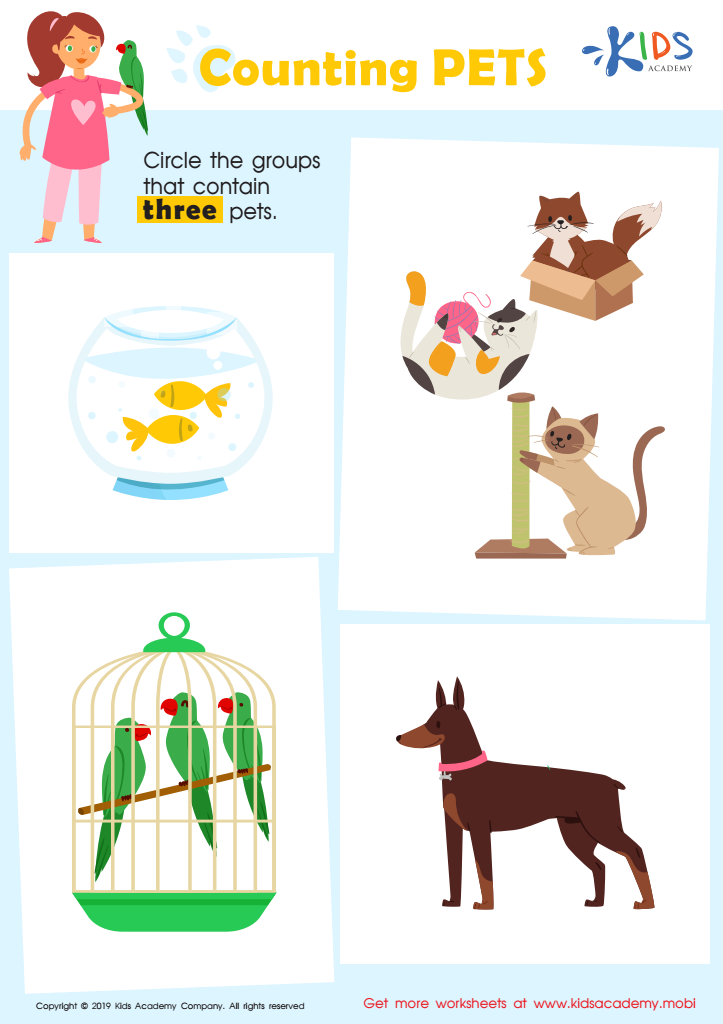
Counting Pets Worksheet
 Assign to My Students
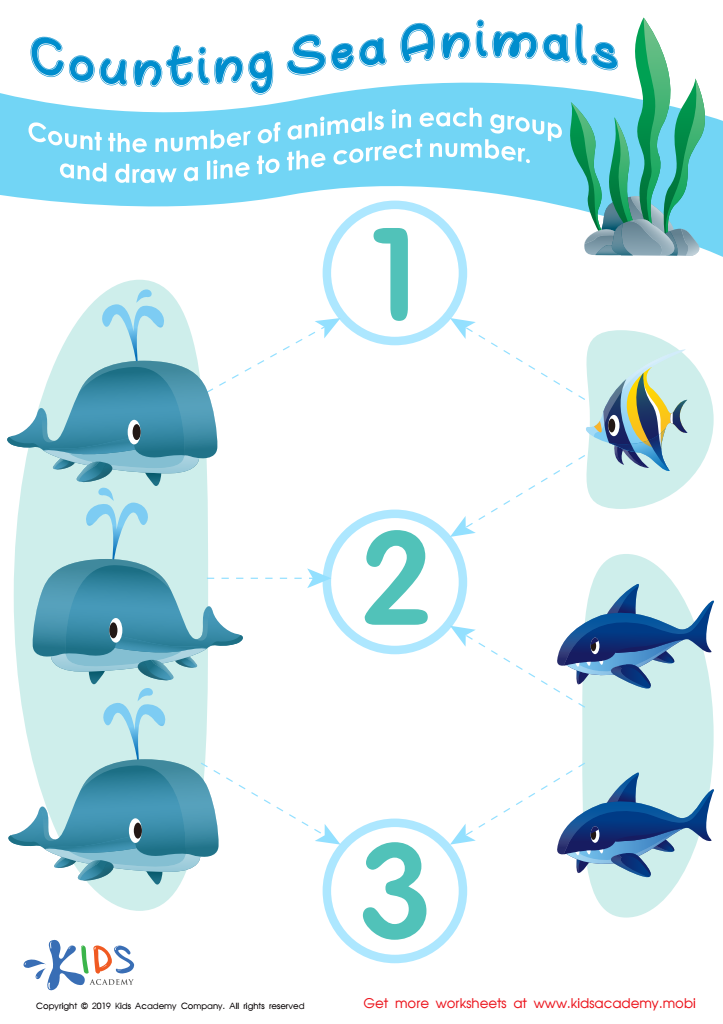
Counting Sea Animals Worksheet
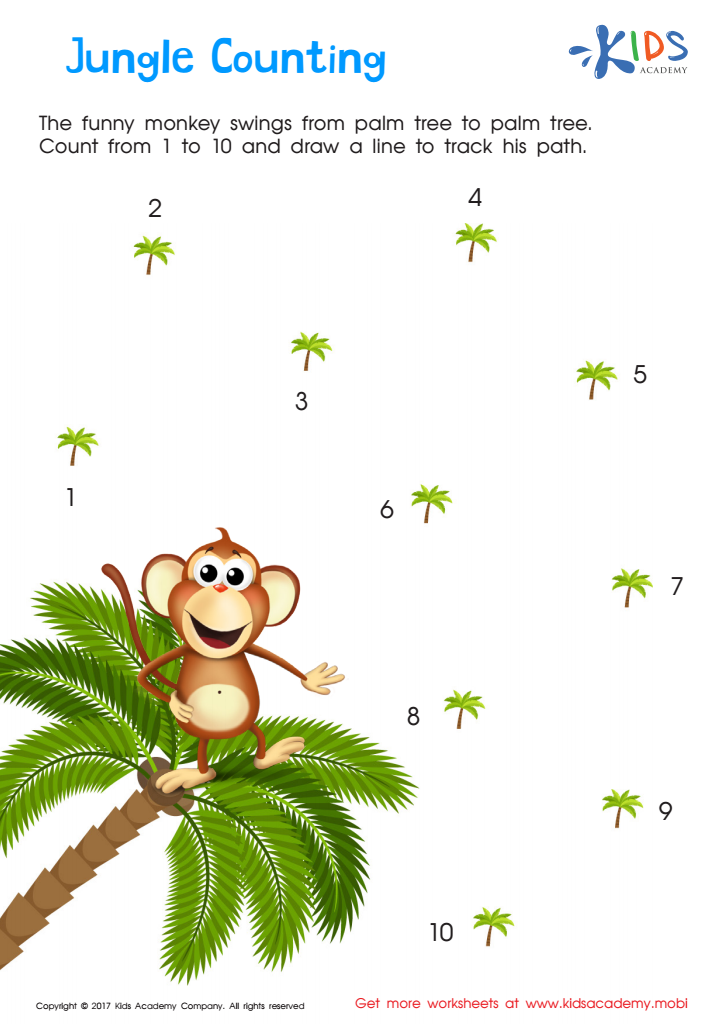
Jungle Counting Connect Dots Worksheet
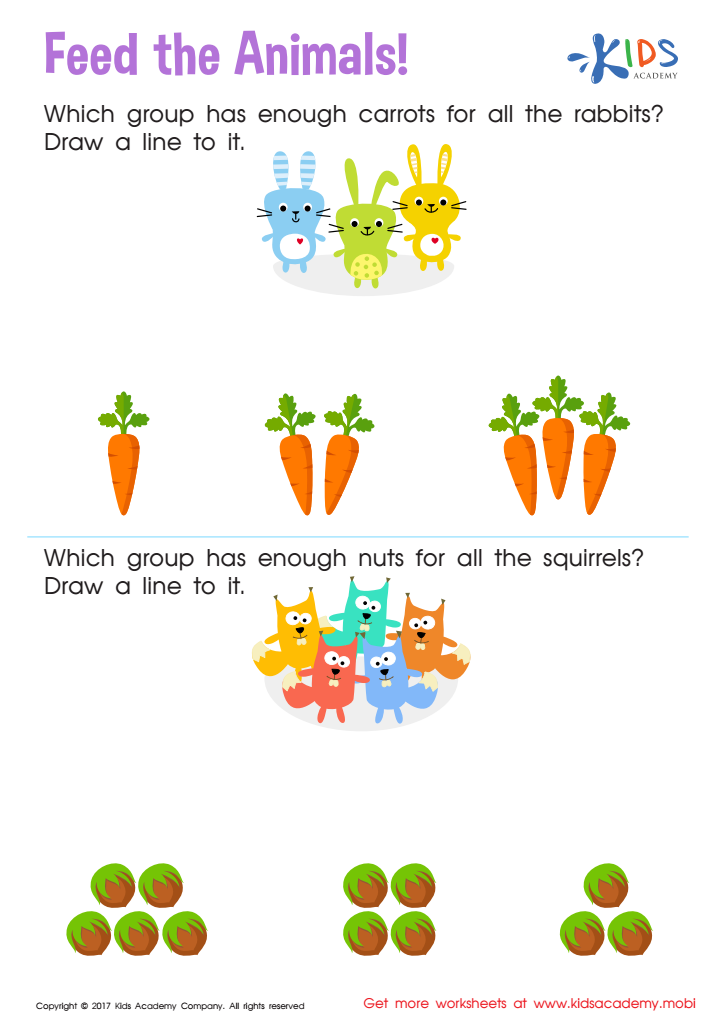
Count and Match: Feed the Animals Worksheet
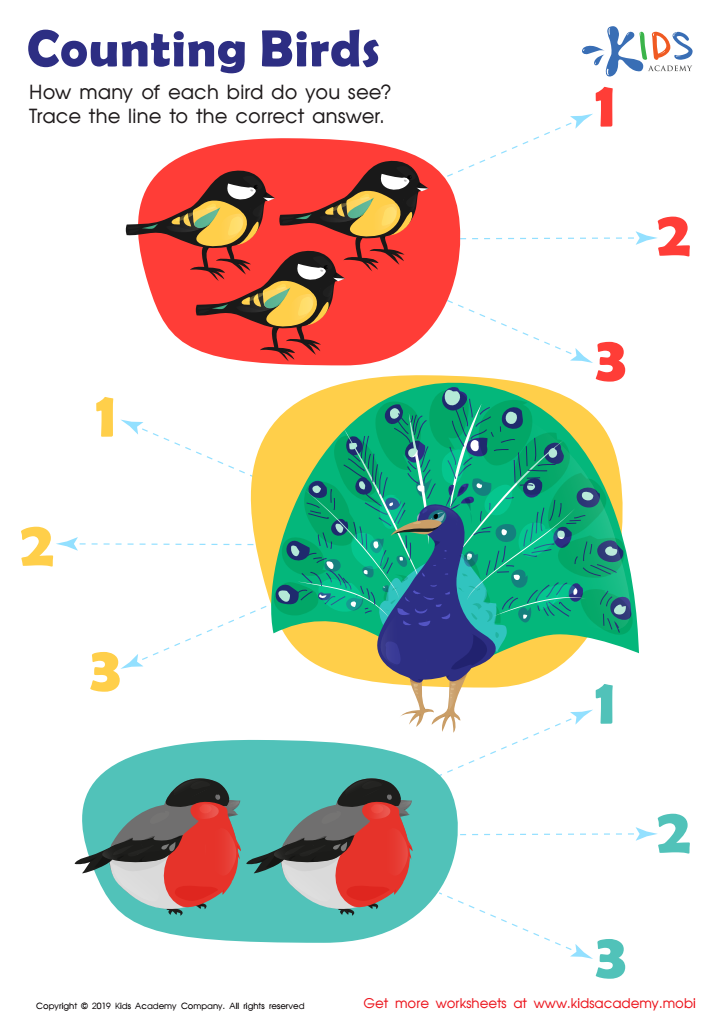
Counting Birds Worksheet
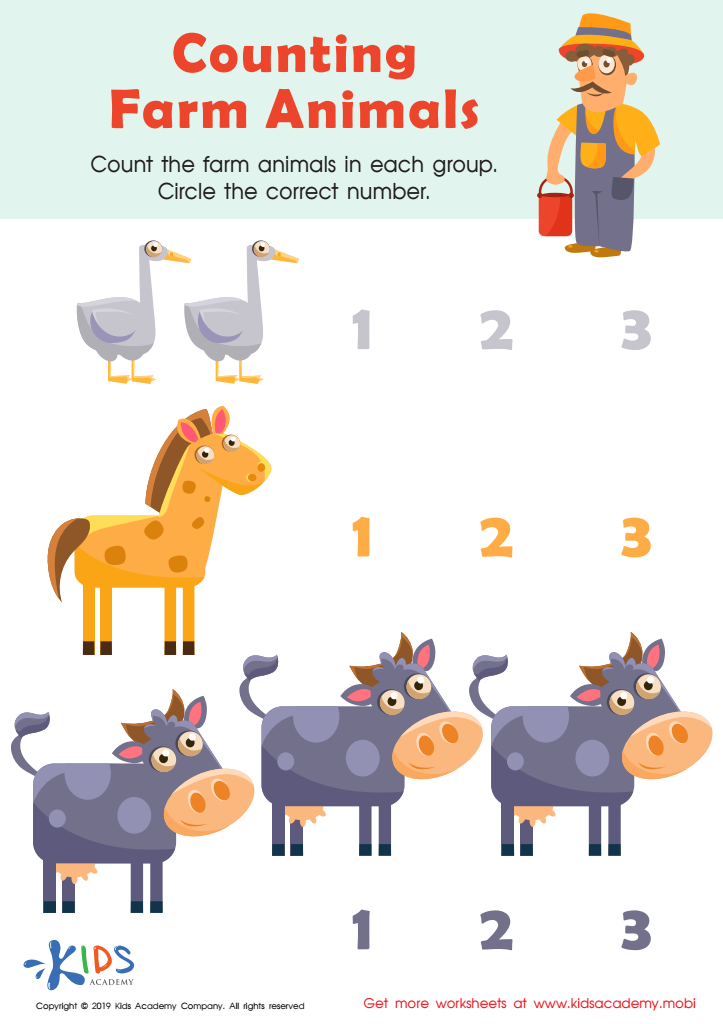
Counting Farm Animals Worksheet








Encouraging young children aged 4–8 to learn animal recognition alongside numbers 0–10 is vital for holistic cognitive and emotional development. At this age, kids are naturally curious and capable of absorbing new information quickly. Integrating animal recognition with number learning serves multiple purposes that are beneficial for both parents and teachers to support.
Firstly, animals captivate children’s interests, making learning engaging. Associating animals with numbers helps enhance memory retention as children find it easier to recall a furry friend, like a fox for example, when learning the number six. This association can turn abstract numerical values into relatable and tangible concepts.
Secondly, animal recognition promotes language development. Discussing various animals and their characteristics broadens vocabulary and language comprehension. When intertwined with number recognition, this lays a foundation for strong communication skills.
Furthermore, recognizing animals and counting encourages pattern recognition, critical thinking, and problem-solving abilities. These skills are essential as they underlie more complex math and science concepts. Also, understanding numbers is critical for everyday tasks and future academic achievements.
Finally, nurturing a love for animals can foster empathy and kindness. This early education encourages children to appreciate nature and promotes environmental awareness. Therefore, parents and teachers should emphasize animal recognition and early numeracy to foster balanced growth in young learners.