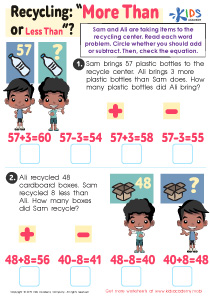
Understanding sequencing Numbers 0–10 Worksheets for Ages 4-8
4 filtered results
-
From - To
Explore our "Understanding Sequencing Numbers 0–10 Worksheets" designed for children ages 4-8. These engaging worksheets help young learners grasp the concept of number sequences through fun and interactive activities. With colorful illustrations and age-appropriate exercises, children will practice identifying, ordering, and counting numbers from 0 to 10. Our resources not only enhance numerical recognition but also improve critical thinking and problem-solving skills. Ideal for both classroom settings and home learning, these worksheets ensure a solid foundation in math. Discover the joy of learning numbers with our comprehensive sequencing activities, perfect for nurturing a child's love for mathematics!
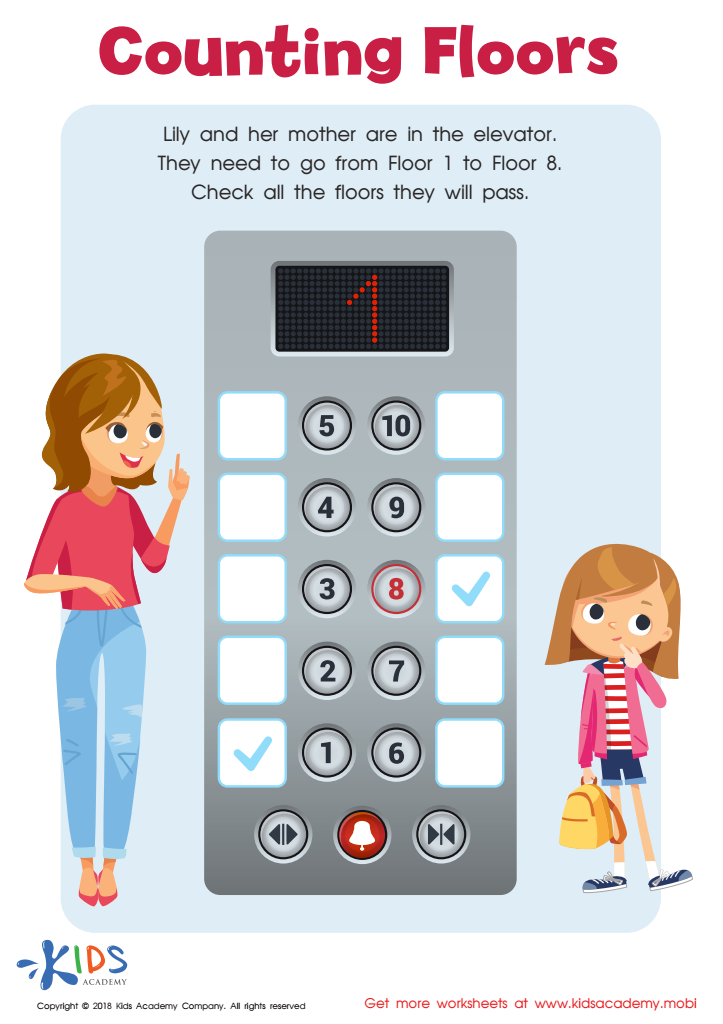
Counting Floors Worksheet
 Assign to My Students
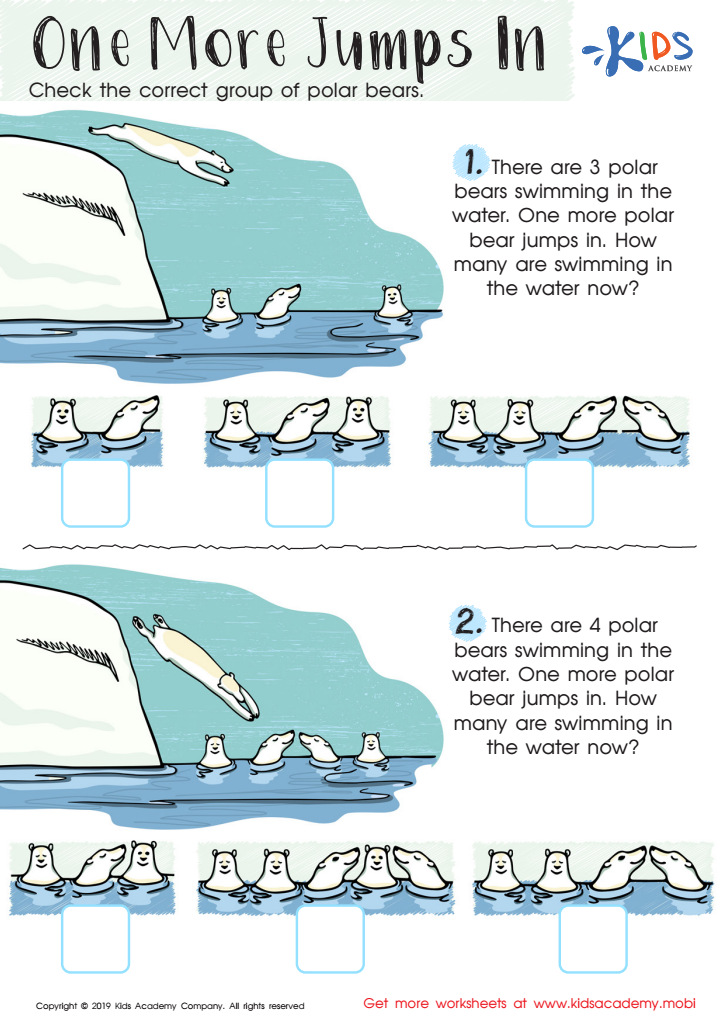
One More Jumps In Worksheet
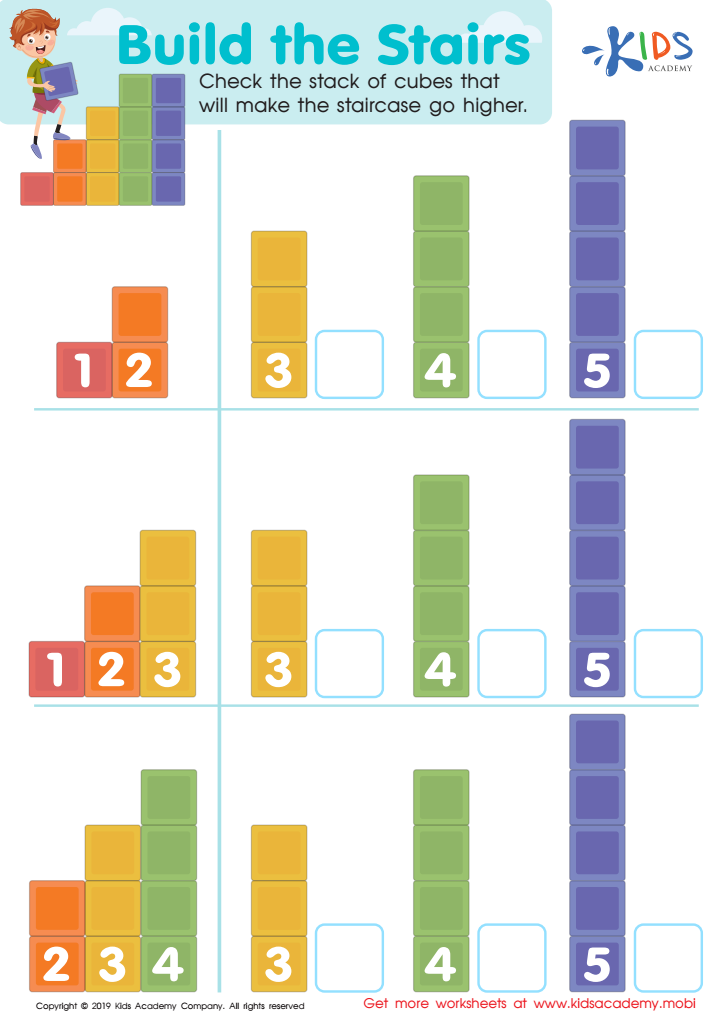
Build the Stairs Worksheet
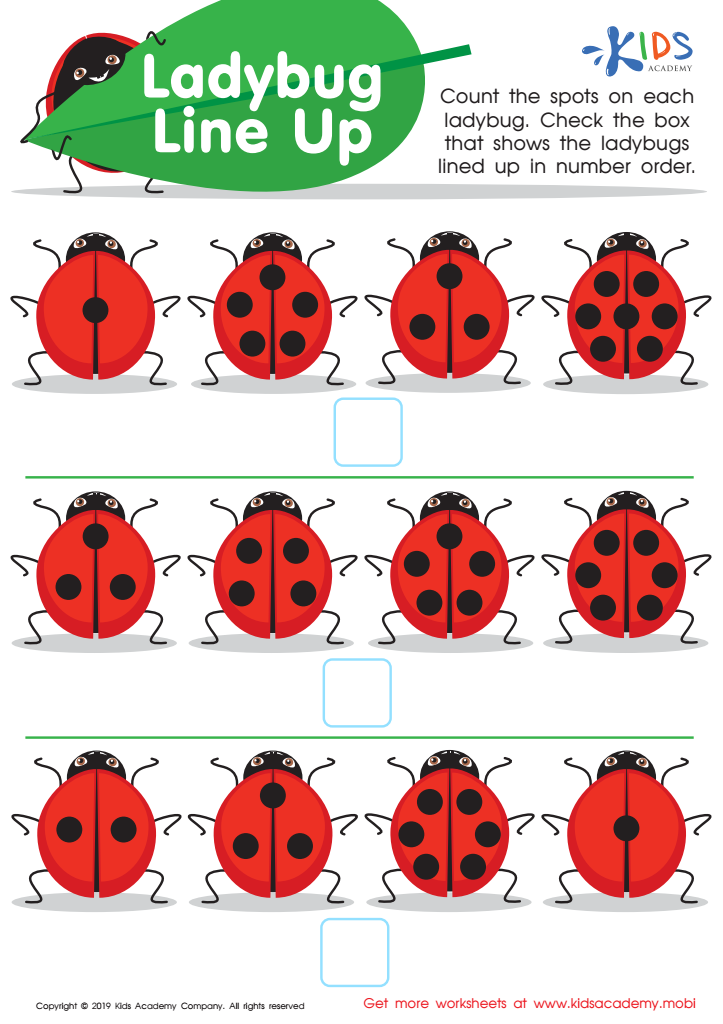
Ladybug Line Up Worksheet








Understanding sequencing numbers 0-10 is fundamental for children aged 4-8, acting as the building block for their overall mathematical literacy. For parents and teachers, helping children grasp this concept enhances their cognitive development and problem-solving skills. Sequencing fosters an understanding of order and organization, which is essential not just in math, but in everyday life activities, such as following instructions or completing tasks.
Additionally, mastering number sequences promotes numerical fluency, aiding children in recognizing patterns and relationships between numbers. This foundational knowledge helps set the stage for more complex mathematical concepts, such as addition, subtraction, and eventually more advanced arithmetic. Encouraging children to work with sequences can also improve their critical thinking skills, as they learn to anticipate what comes next and develop a sense of logic.
Moreover, early engagement with sequencing can boost a child's confidence in their math abilities, creating a positive attitude towards learning math throughout their educational journey. Through games, activities, and discussions, parents and teachers can make learning about number sequences fun and impactful, paving the way for a lifelong appreciation of mathematics. Therefore, prioritizing this element of education is crucial for developing well-rounded, numerically proficient young learners.