
Comprehension skills Reading Non-Fiction Worksheets for Ages 4-8
5 filtered results
Difficulty Level
Grade
Age
-
From - To
Subject
Activity
Standards
Enhance your child's reading abilities with our engaging comprehension skills reading non-fiction worksheets tailored for ages 4-8. These worksheets are designed to improve young learners' ability to understand, analyze, and recall information from non-fiction texts. Through fun and educational activities, children will practice critical thinking, make connections, and build a strong foundation in reading comprehension. Perfect for both classroom and home use, our worksheets support early literacy development, preparing kids for future academic success. Develop your child's love for reading and boost their confidence with our high-quality, easily accessible resources. Explore now and watch them thrive!
Favorites
With answer key
Interactive
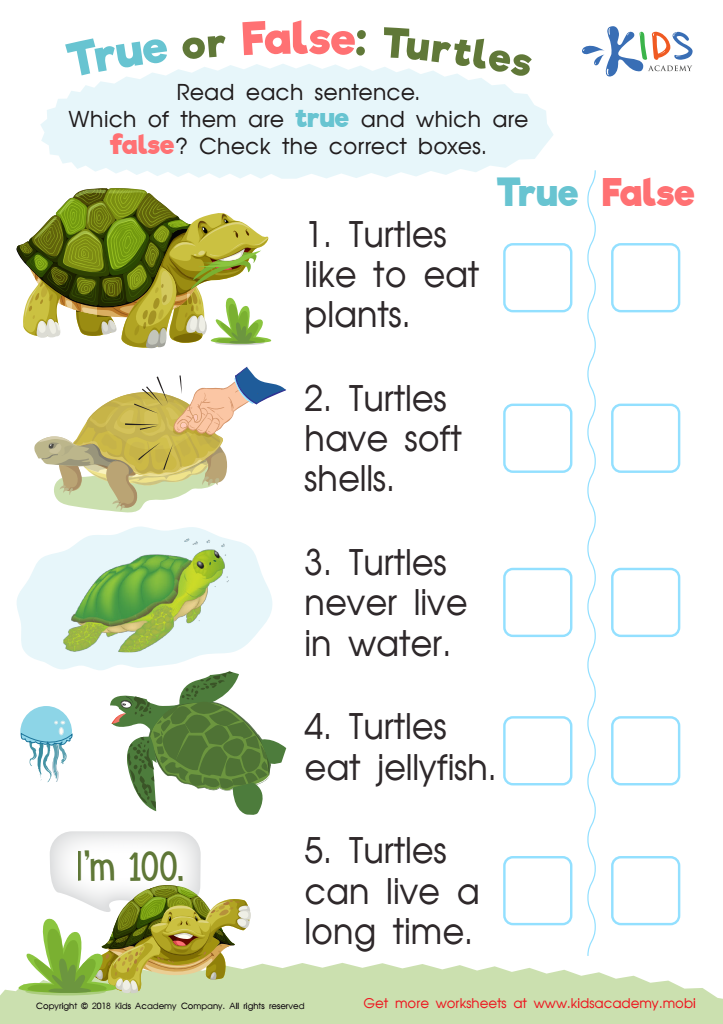
True or False: Turtles Worksheet
Print this free downloadable worksheet to strengthen your child's reading comprehension. Assist them to read each sentence and recall facts about turtles. Check true or false for each statement to verify their knowledge. Perfect for early learners!
 Assign to My Students
True or False: Turtles Worksheet
Worksheet
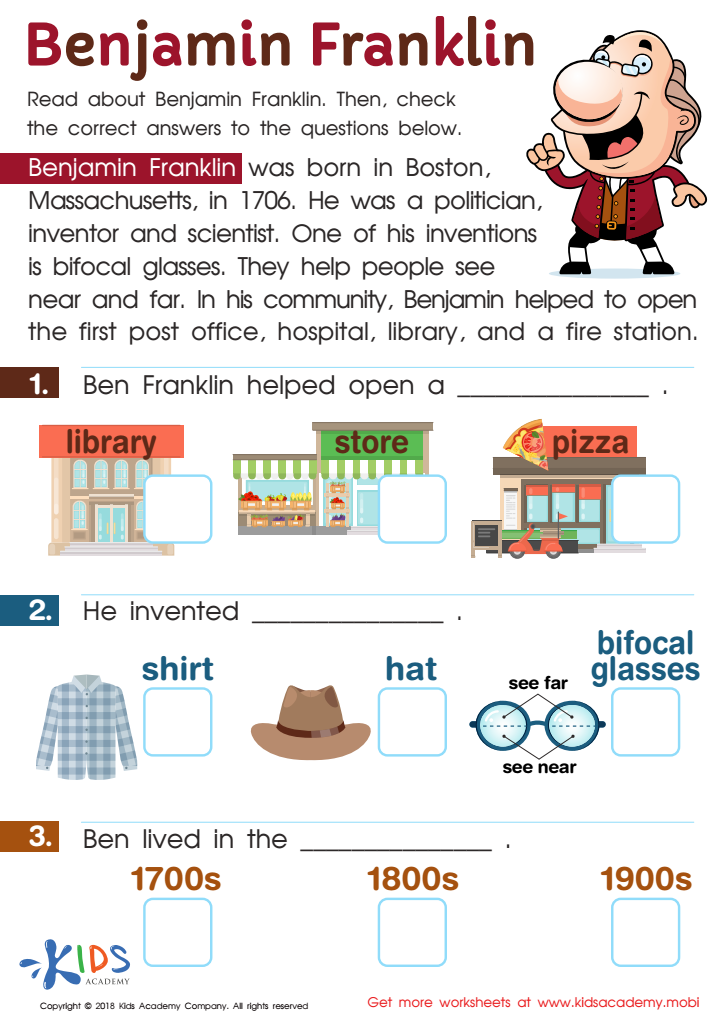
Benjamin Franklin Worksheet
Introduce your kids to one of history's most important figures - Benjamin Franklin! Tell them all about his remarkable contributions to the world and then use this worksheet to teach them even more. Read the text to them and check their answers against the questions afterwards.
Benjamin Franklin Worksheet
Worksheet
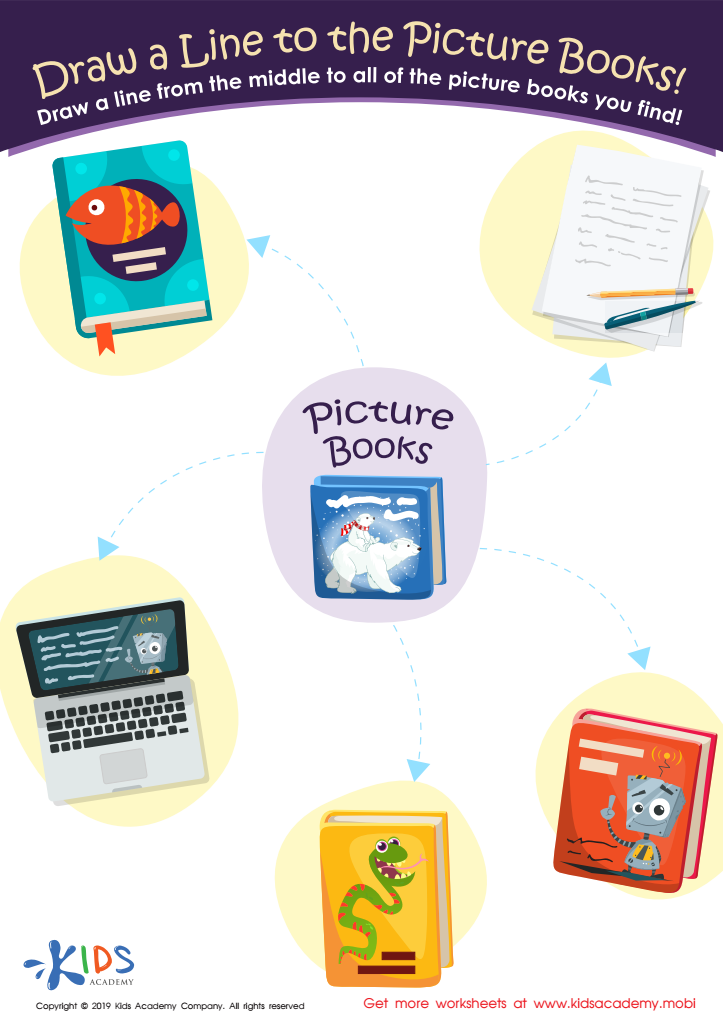
Draw a Line to the Picture Books Worksheet
Encourage your students to read and explore with this fun exercise! They'll draw a line from the word 'picture books' to the five objects. Picture books are exciting, with stories and colorful images. Make story time even more enjoyable with this worksheet!
Draw a Line to the Picture Books Worksheet
Worksheet
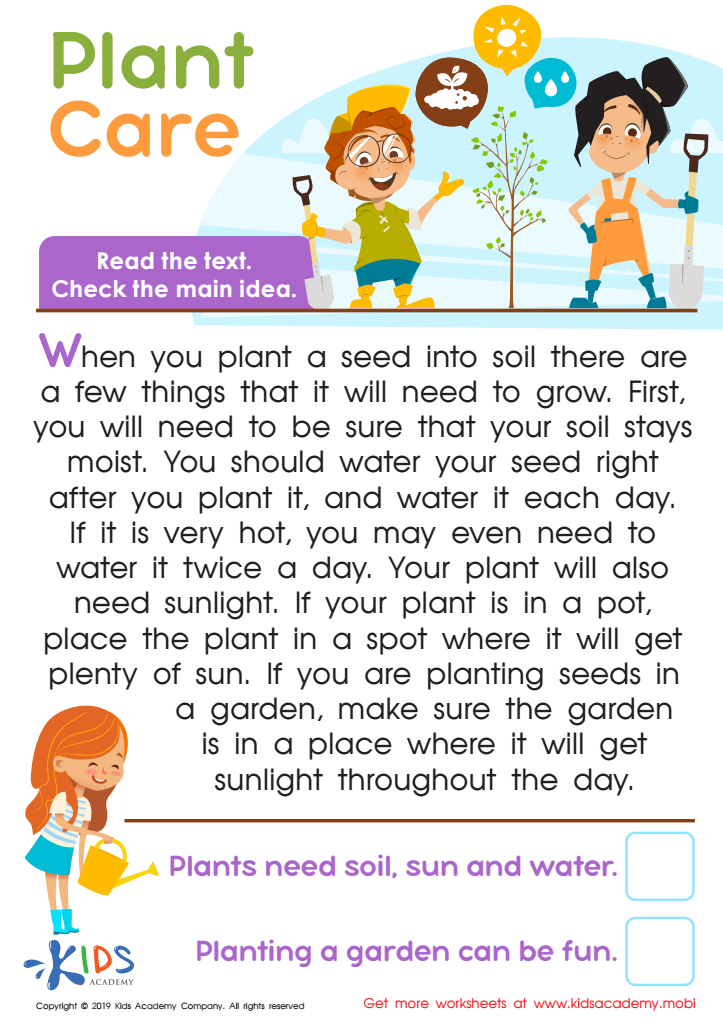
Plant Care Worksheet
Encourage your children to read by helping them practice. Print out the worksheet and read the text with them. Help them understand the words and find the main idea. This will improve their reading skills and prepare them for school.
Plant Care Worksheet
Worksheet
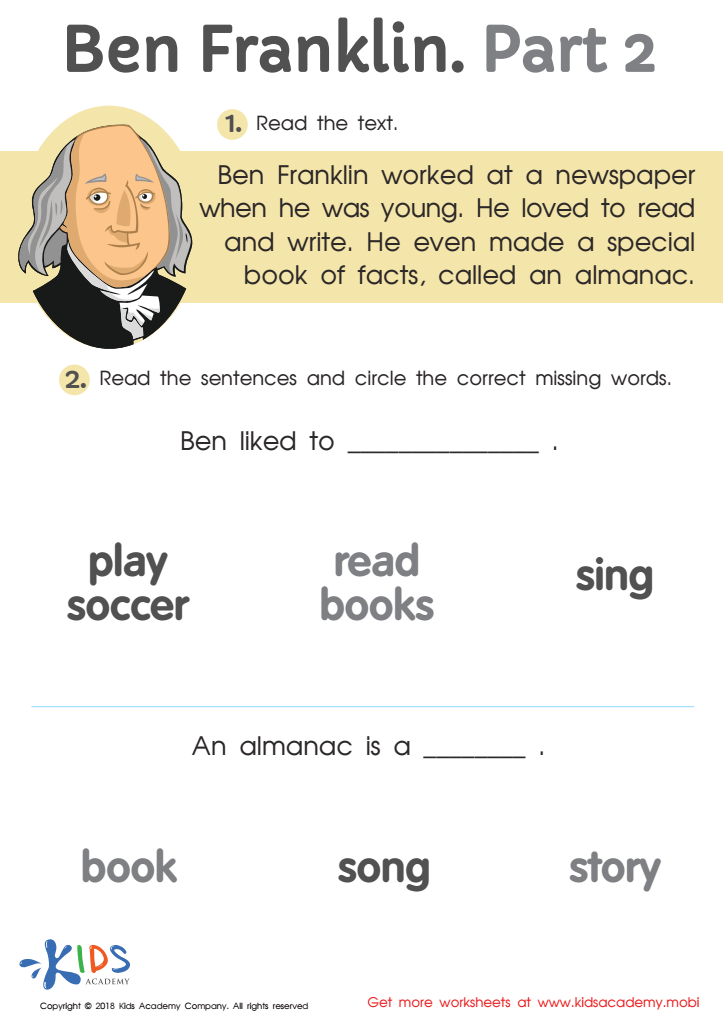
Ben Franklin Part 2 Worksheet
History is filled with great figures, like Benjamin Franklin. Let your kids in on the legacy by introducing them to the founder of the US fire department, diplomat, and inventor. Then, use a worksheet to have them fill in the blanks with the correct word to teach them more. Read the text, then read the sentences and have them circle the missing word.
Ben Franklin Part 2 Worksheet
Worksheet
Join Kids Academy for Free
Who is primarily going to use this learning content?








Reading comprehension skills, especially in non-fiction texts, are crucial for young children as they significantly impact their overall development and future academic success. Non-fiction materials, such as books about nature, science, or history, provide young learners with factual information about the world around them. By ensuring children ages 4-8 develop strong comprehension skills, parents and teachers equip them with the ability to understand and process this information effectively.
Developing these skills at an early age helps children enhance their critical thinking and analytical abilities, as they learn to identify main ideas, supporting details, and key concepts in the texts they read. These abilities are foundational for success in school and later in life. Non-fiction reading also expands children's vocabulary, introducing them to academic and subject-specific terms they might not encounter in everyday conversation.
Moreover, comprehension of non-fiction fosters curiosity and a love of lifelong learning. It encourages children to ask questions and seek further information, cultivating independent learning habits. Parents and teachers play a vital role in nurturing these skills by guiding, providing appropriate reading materials, and engaging children in discussions about what they read. In sum, investing in comprehension skills for non-fiction at an early age builds a strong foundation for future educational achievement and an informed, curious mind.








