Improve reading comprehension Reading Non-Fiction Worksheets for Ages 4-8
6 filtered results
-
From - To
Elevate your child's reading skills with our engaging Reading Non-Fiction Worksheets, designed specifically for ages 4-8. These resources aim to enhance reading comprehension through interactive activities that capture young learners' curiosity about the world. With a variety of fun and informative worksheets, your child will explore fascinating topics while developing vital skills like summarizing, identifying main ideas, and making connections. Our non-fiction approach empowers students to engage critically with text, fostering a love for reading and learning. Perfect for parents and educators alike, these worksheets provide valuable tools to support literacy development in foundational years. Unlock the joy of reading today!
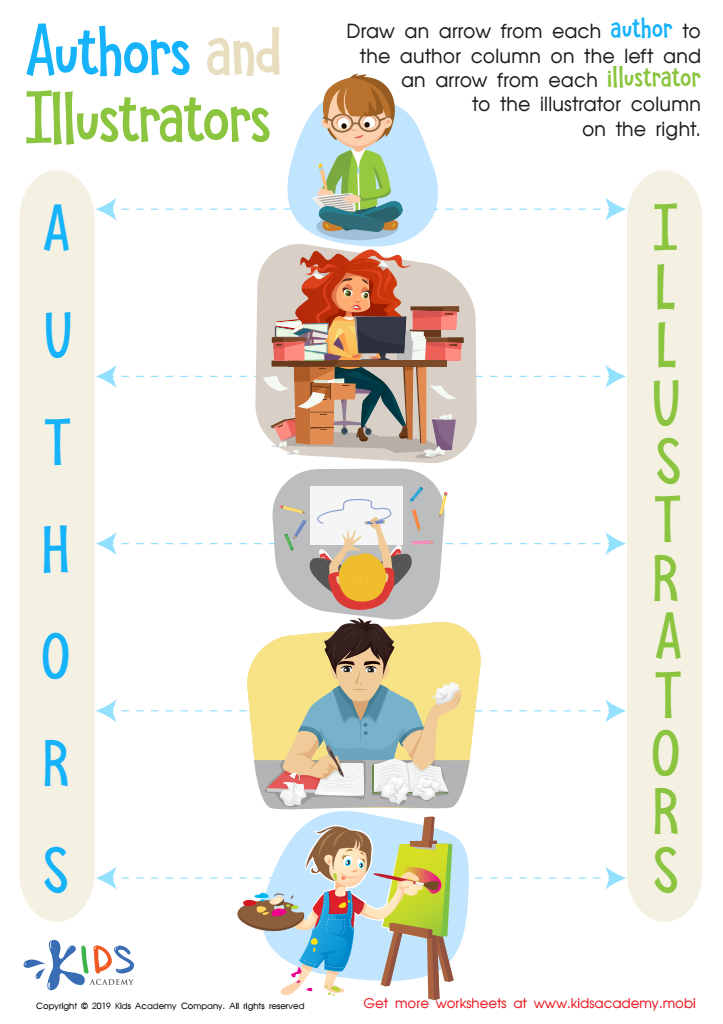
Authors and Illustrators Worksheet
 Assign to My Students
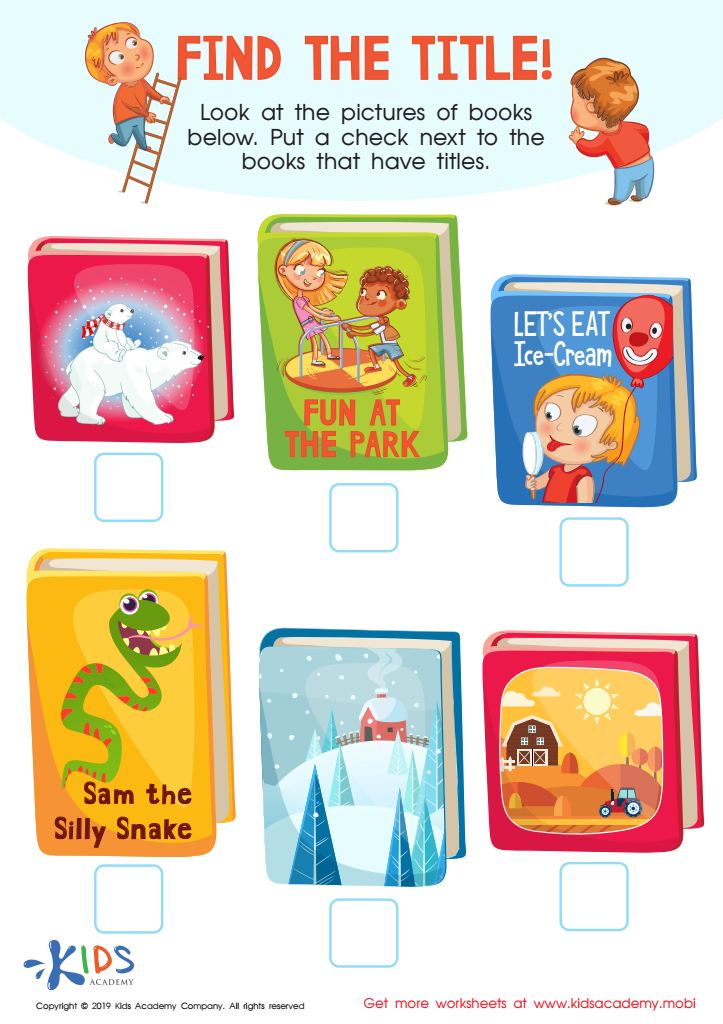
Find the Title Worksheet
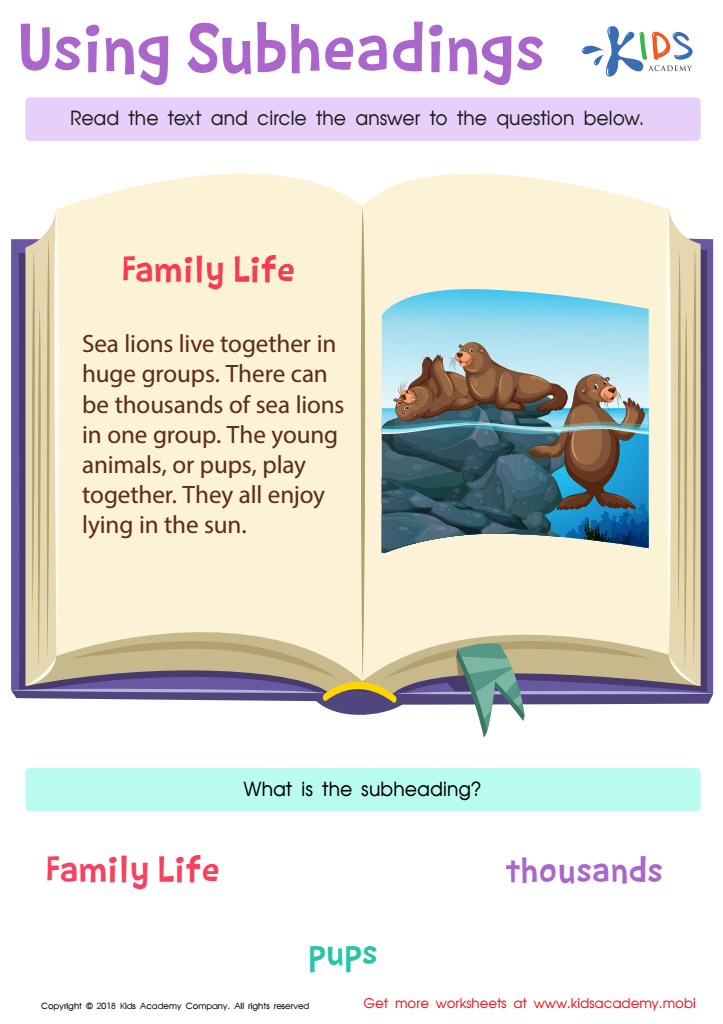
Using Subheadings Worksheet
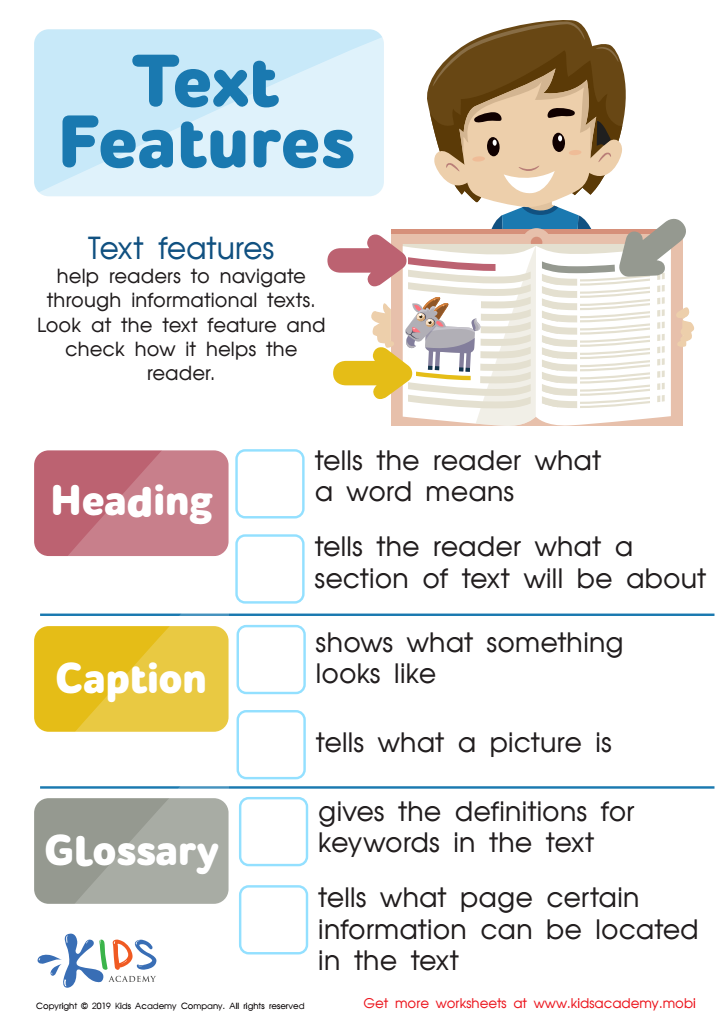
Text Features Worksheet
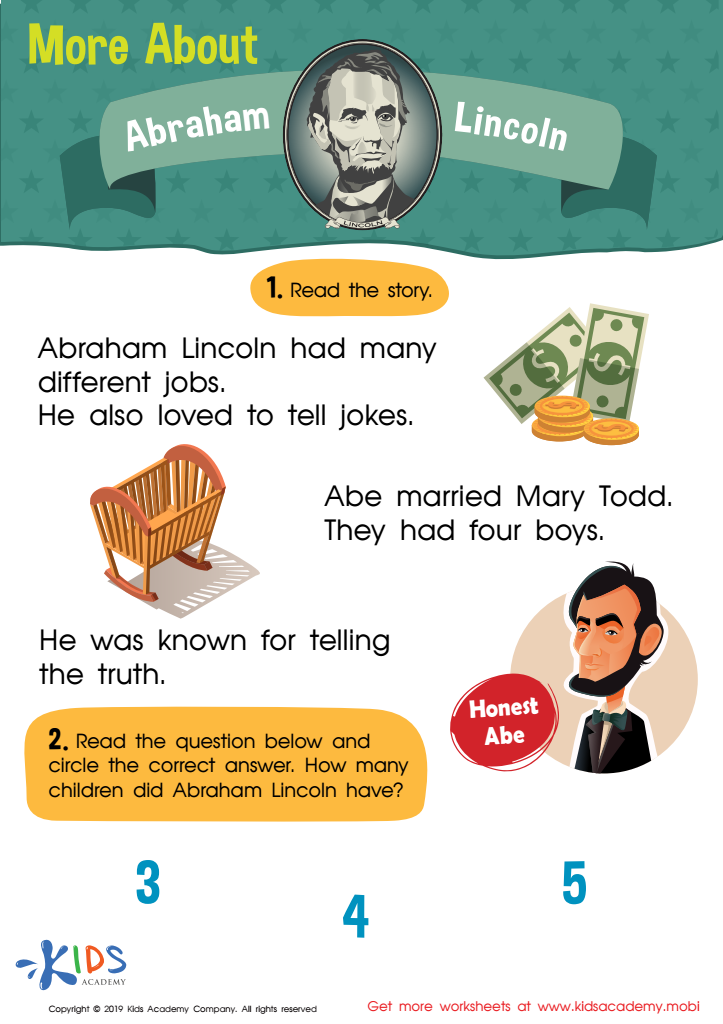
More About Abraham Lincoln Worksheet
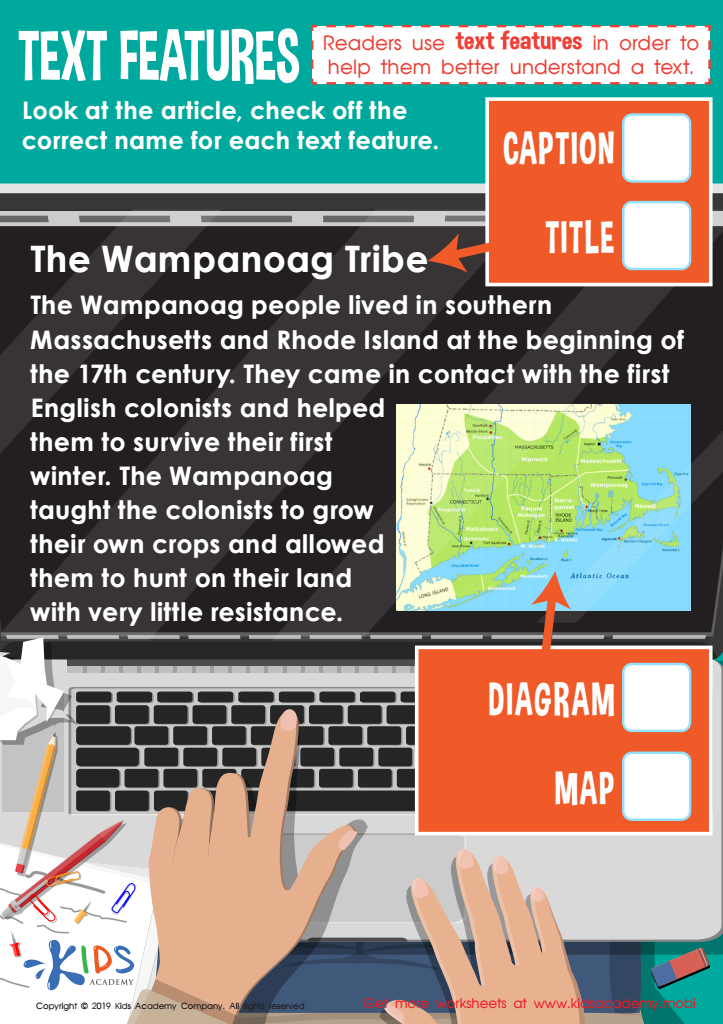
Text Features Worksheet








Improving reading comprehension in non-fiction for children aged 4-8 is crucial for several reasons. At this developmental stage, kids are naturally curious about the world around them. Non-fiction texts serve to satisfy that curiosity, providing accurate information about various subjects, from animals to space, with clarity and context. When parents and teachers focus on raising comprehension skills in this genre, they empower children to process, analyze, and retain new knowledge effectively.
Reading non-fiction also enhances vocabulary and exposes students to specific terminology, fostering language development. Strong comprehension skills contribute to critical thinking and problem-solving abilities, essential for academic success and informed citizenship.
Furthermore, as children transition into higher grades, they encounter more complex texts. A solid foundation in understanding non-fiction during early childhood ensures readiness for future learning challenges. Engaging with factual content also allows children to connect classroom learning to real-life experiences, thereby making education more relevant and exciting.
In summary, emphasizing reading comprehension of non-fiction among young learners not only stimulates their innate curiosity but also enriches their educational journey, paving the way for a lifelong love of learning. Parents and teachers play a vital role in nurturing this development, which ultimately benefits society as a whole.








