Vocabulary development Reading Non-Fiction Worksheets for Ages 4-8
6 filtered results
-
From - To
Enhance your child's vocabulary with our engaging Vocabulary Development Reading Non-Fiction Worksheets, designed specifically for ages 4-8. These worksheets introduce young learners to exciting non-fiction topics, fostering a love for reading while expanding their word knowledge. Each interactive worksheet promotes critical thinking and comprehension, helping kids to connect words with concepts through fun activities. Perfect for home or classroom use, our resources cater to diverse learning styles, making vocabulary acquisition enjoyable and effective. Spark curiosity and boost language skills with our thoughtfully crafted materials that lay a strong foundation for lifelong literacy. Explore the wonders of language today!
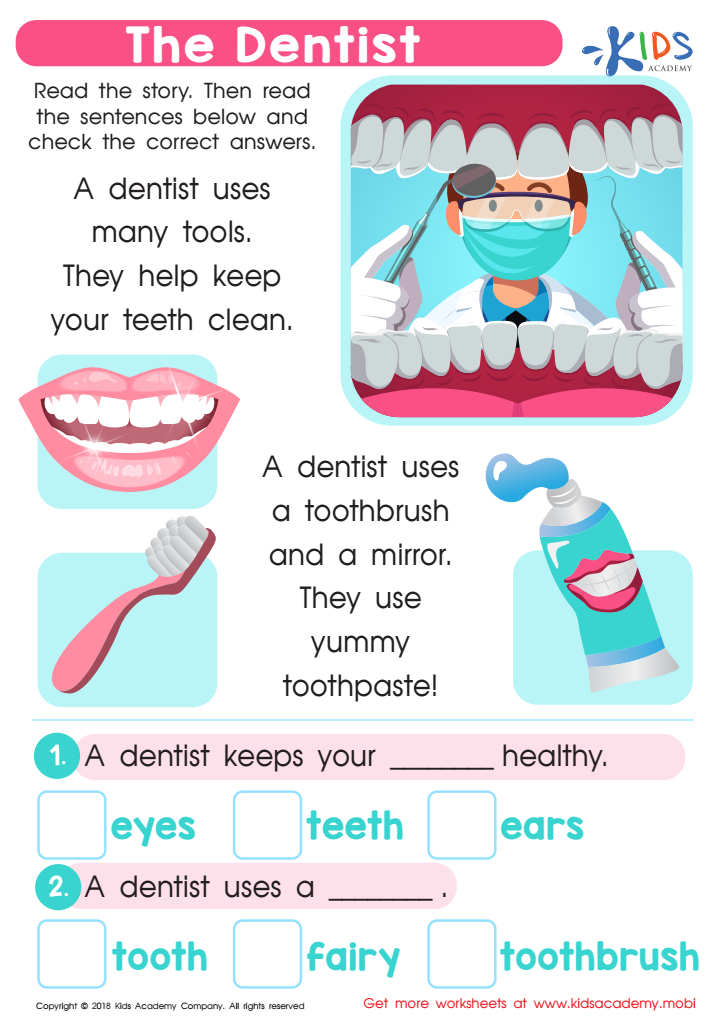
The Dentist Worksheet
 Assign to My Students
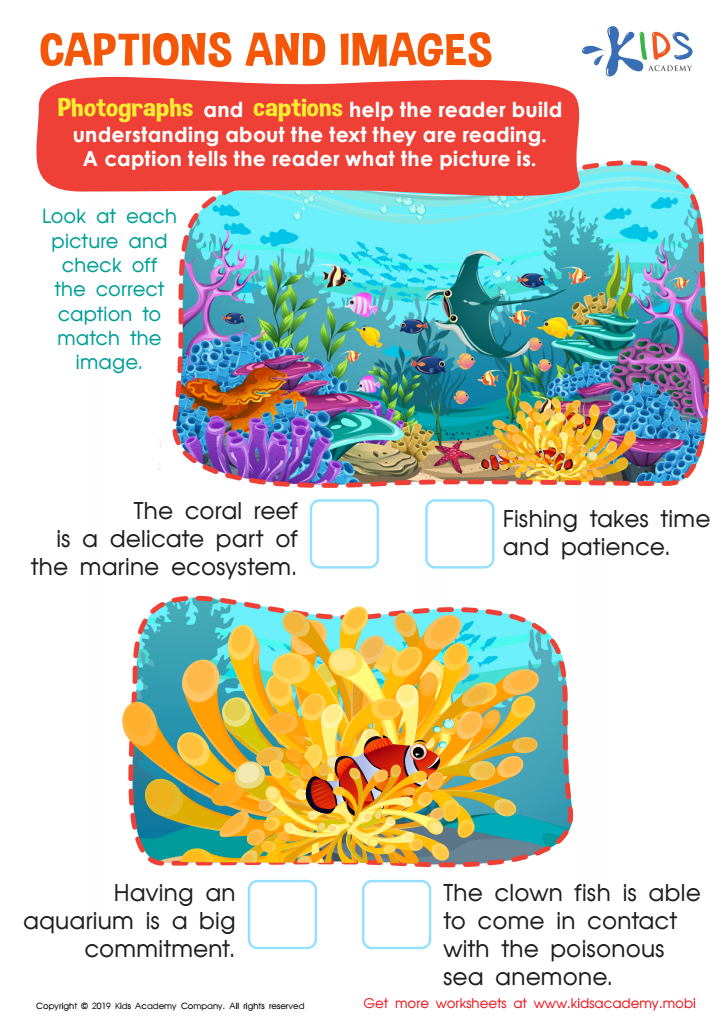
Captions and Images Worksheet
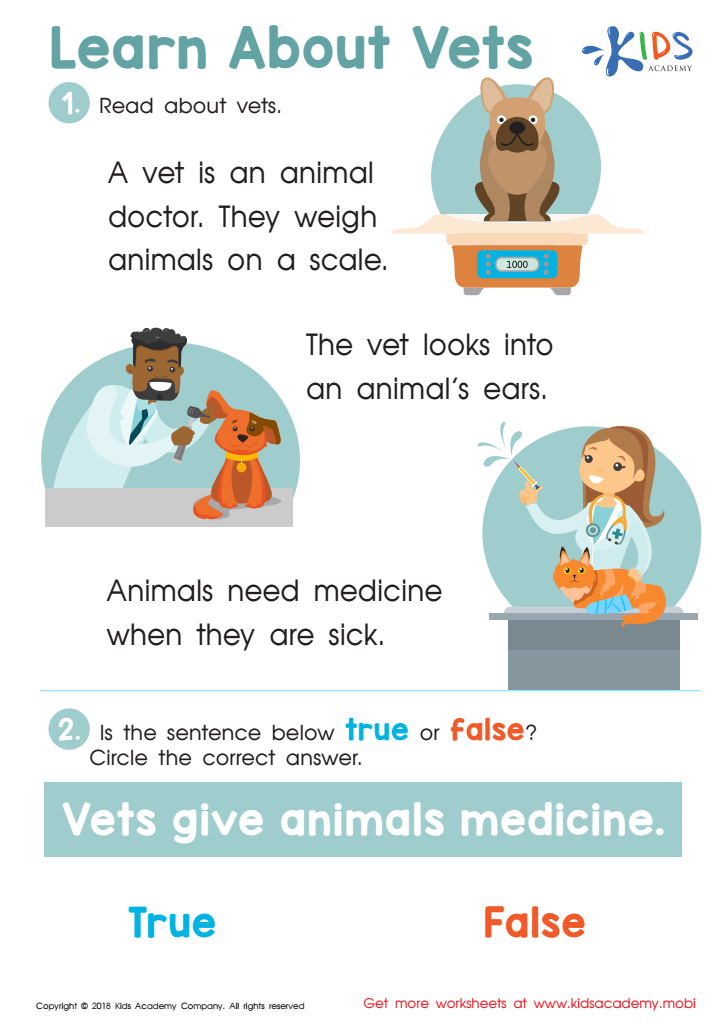
Learn About Vets Worksheet
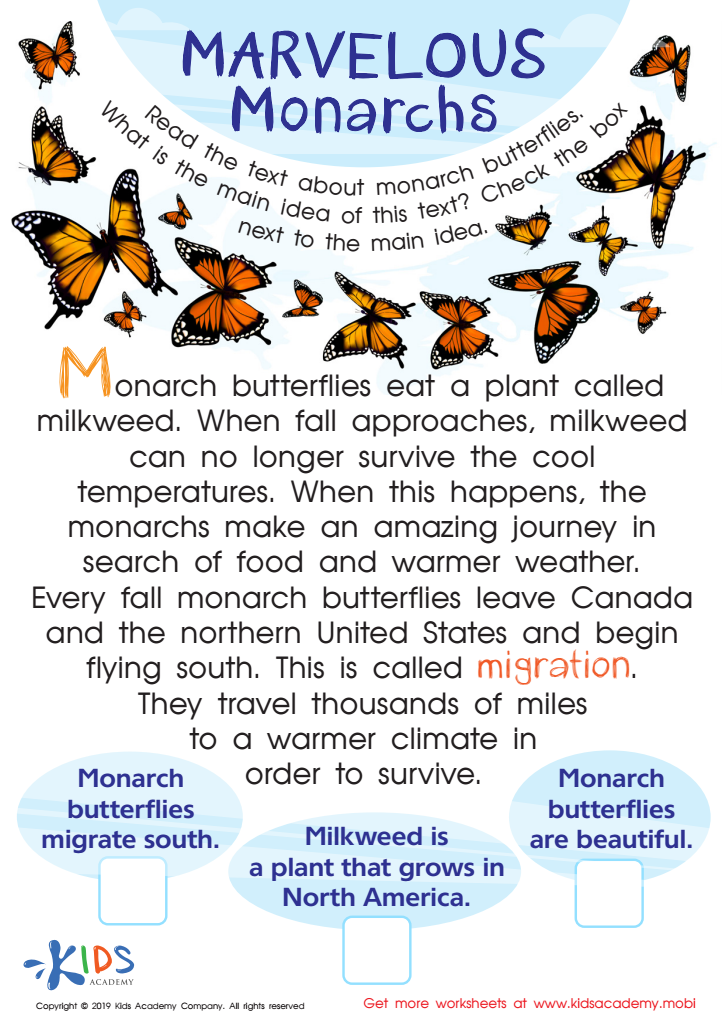
Marvelous Monarchs Worksheet
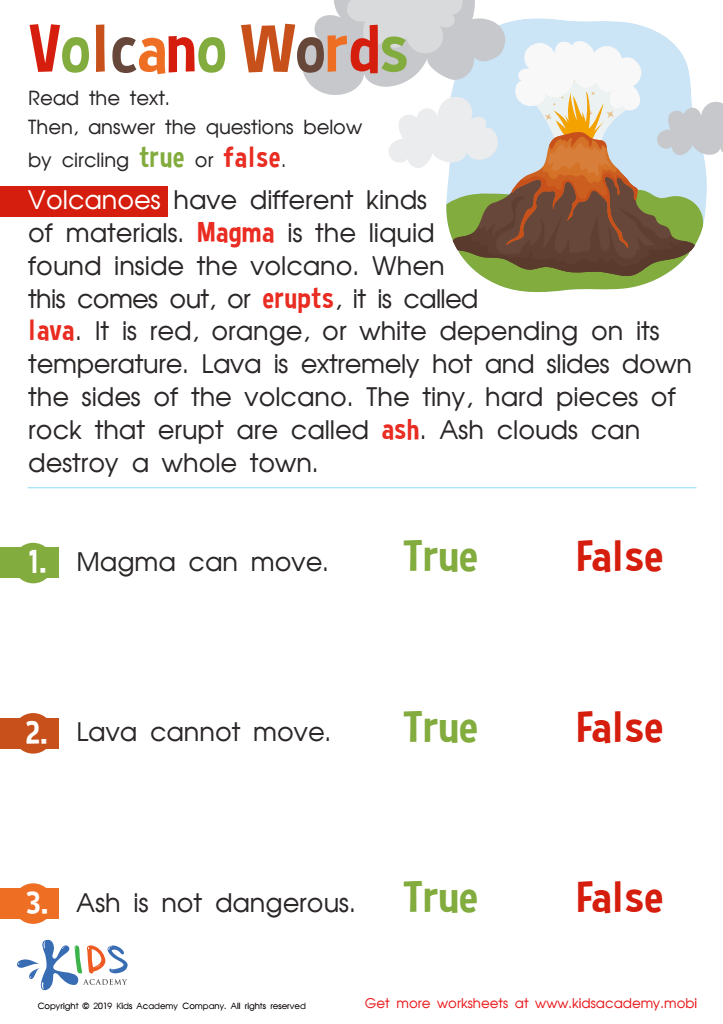
Volcano Words Worksheet
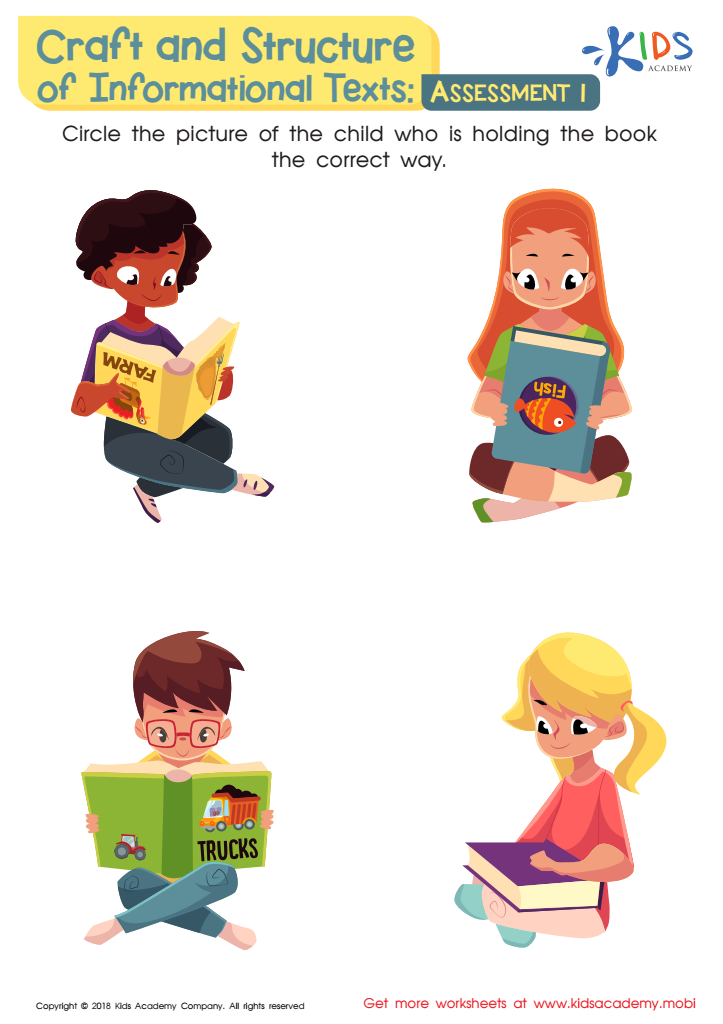
Craft and Structure of Informational Texts: Assessment 1 Worksheet








Vocabulary development through reading non-fiction is crucial for children ages 4-8, as it lays the foundation for lifelong learning. At this age, children are naturally curious about the world around them, making non-fiction an engaging way to explore various topics. When parents and teachers introduce non-fiction texts, they expose children to specific vocabulary related to science, history, nature, and more. This targeted vocabulary builds children's comprehension skills and helps them articulate their thoughts clearly.
Reading non-fiction also strengthens critical thinking skills. As children process factual information, they learn to differentiate between fact and opinion, fostering analytical abilities. Moreover, non-fiction texts often answer children's 'how' and 'why' questions, fueling their curiosity and encouraging a love for learning.
In an increasingly information-driven world, strong vocabulary and comprehension skills are essential for academic success. Children who engage with non-fiction are better prepared to tackle complex subjects in later grades, enhancing their curriculum understanding. Additionally, a solid vocabulary enriches their communication skills, enabling them to express themselves more effectively. Therefore, parents and teachers should prioritize vocabulary development through non-fiction reading to nurture knowledgeable, articulate, and inquisitive learners.








