Filters

10 filtered results

Clear all filters
Favorites
With answer key
Interactive

10 filtered results

Difficulty Level

Grade


Unlock the power of vocabulary with our engaging Vocabulary Expansion Reading Non-Fiction Worksheets, designed specifically for ages 4-8. Our collection offers a variety of fun and informative worksheets that inspire young learners to explore non-fiction texts. Each activity encourages critical thinking, comprehension, and an enriched vocabulary as kids dive into fascinating topics. With colorful illustrations and age-appropriate content, these worksheets make learning enjoyable and effective. Perfect for classrooms or at-home learning, our resources foster a love of reading while building essential vocabulary skills. Equip your child with the tools they need to excel in language development and comprehension today!

Check out this FREE Trial Lesson on Reading Non-Fiction for age 4-8!

Identify Text Features

Favorites
With answer key
Interactive
  • 4-8
  • Vocabulary expansion
  • Reading Non-Fiction
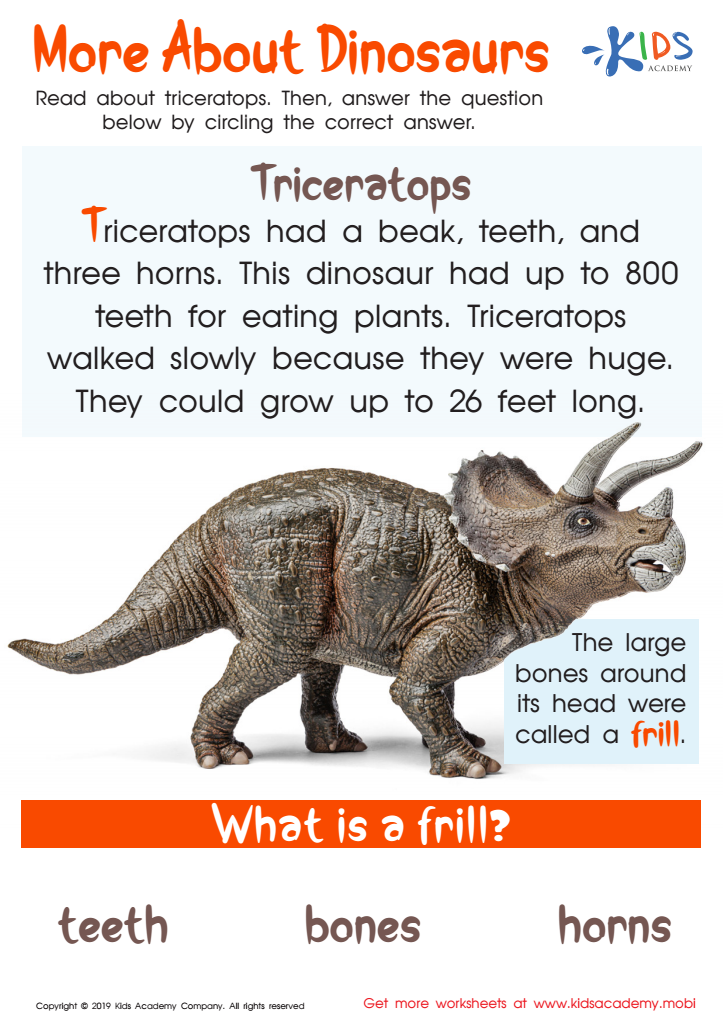
More About Dinosaurs Worksheet

More About Dinosaurs Worksheet

Let your little archaeologist have a blast with this Kids Academy worksheet! They’ll explore the past and learn more about the triceratops while practicing their informational text skills. Be sure to highlight the textbox and show them how the frill is explained. Finish the worksheet by answering the question!
More About Dinosaurs Worksheet
Worksheet
Book Bingo Worksheet

Book Bingo Worksheet

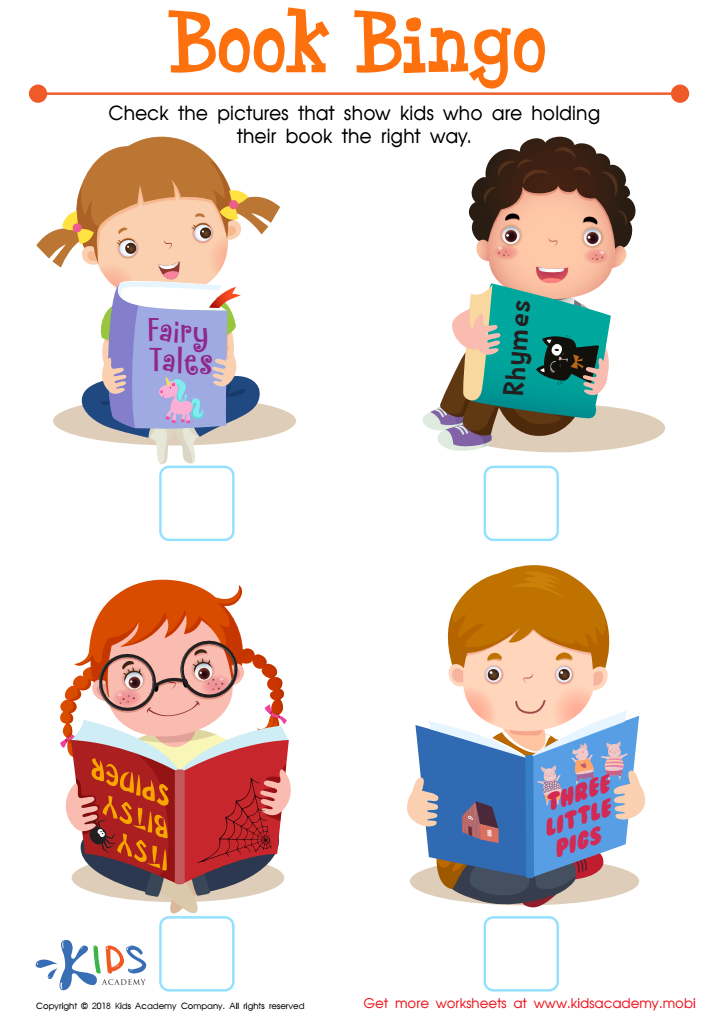
Help your kids spot which of the kids in the worksheet are reading correctly. Early instruction in reading helps ensure kids won't face problems later on, plus any impairments can be identified and corrected quickly. Can your child read? Have them check the pictures of kids holding books the right way.
Book Bingo Worksheet
Worksheet
Dogs, Dogs Worksheet

Dogs, Dogs Worksheet

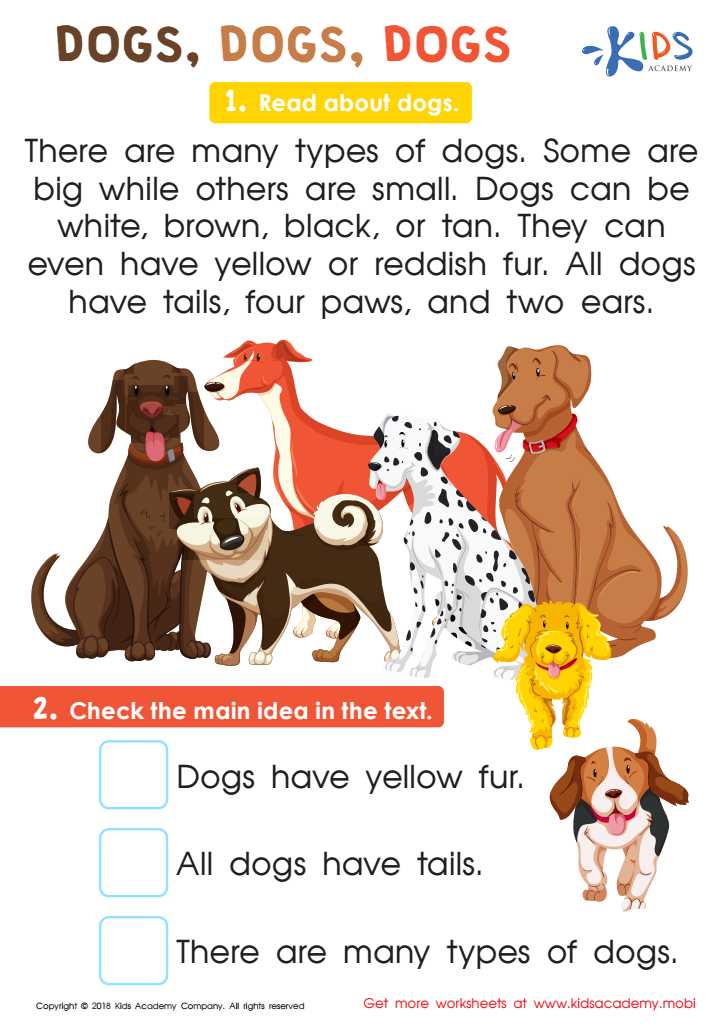
Help your child understand main ideas with this fun doggy worksheet from Kids Academy! Have them read the passage and then discuss the main idea. After that, have them read the answer choices and pick the right one. This will help your kiddo hone their critical reading comprehension skills!
Dogs, Dogs Worksheet
Worksheet
Diagram of a Rabbit Worksheet
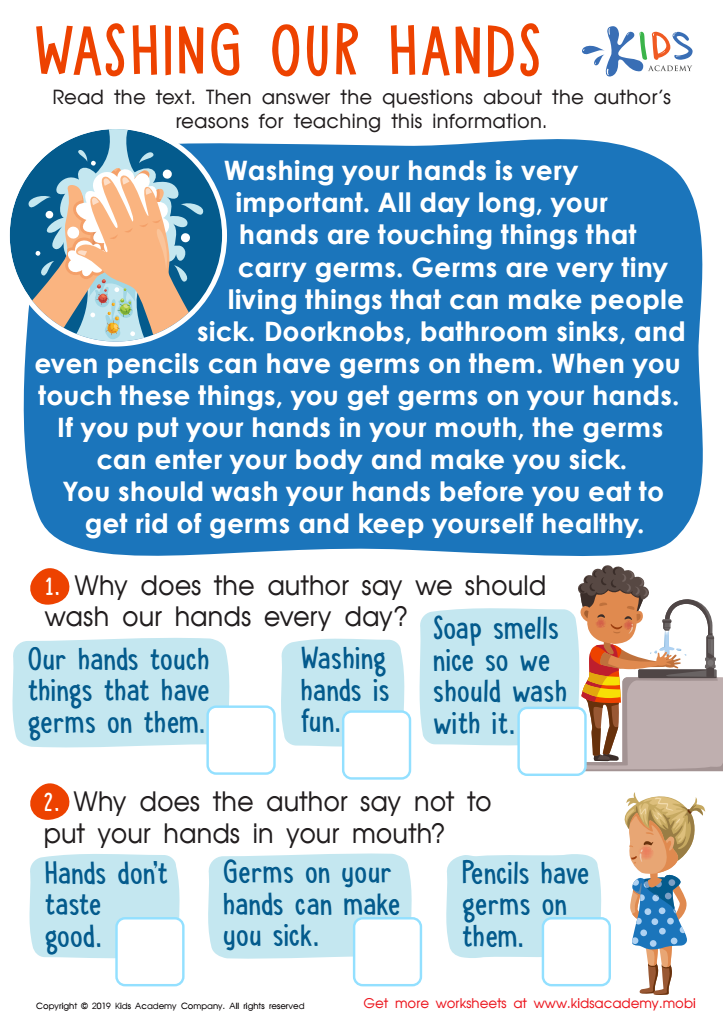

Diagram of a Rabbit Worksheet

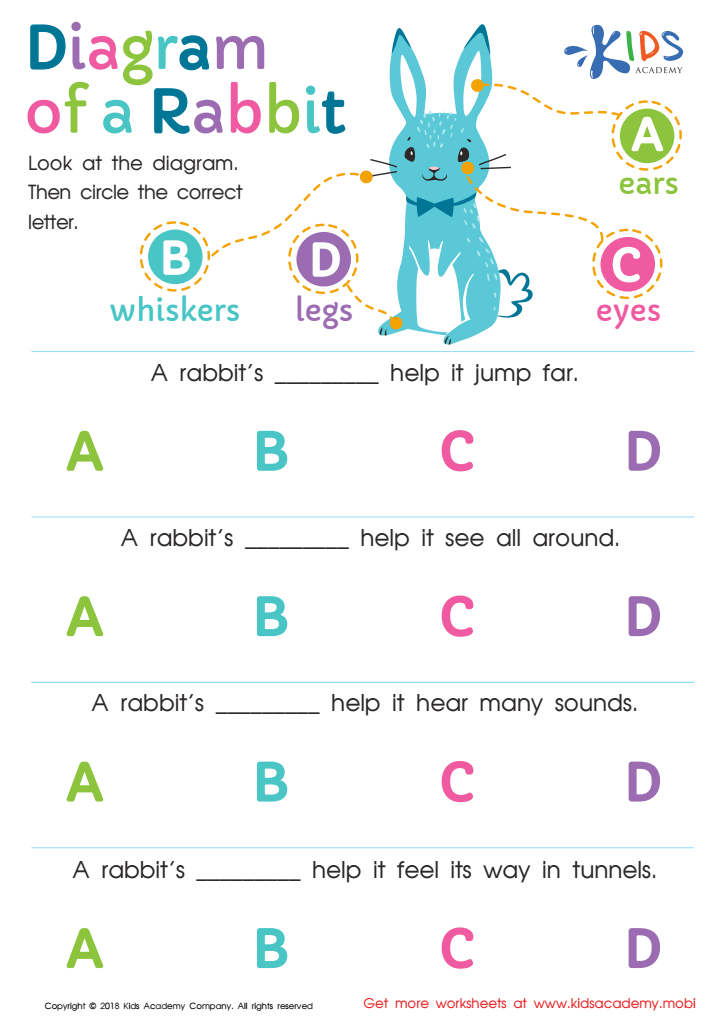
Reading skills are essential for success in all subjects, from science and math to fiction. This worksheet helps kids learn to interpret diagrams by studying the rabbit illustration and then selecting the correct answer for each sentence. It's a fun way to build reading and comprehension skills!
Diagram of a Rabbit Worksheet
Worksheet
Washing Our Hands Worksheet

Washing Our Hands Worksheet

Reading allows us to gain knowledge. Informational texts provide essential facts which we need to be able to interpret and use. This PDF worksheet helps kids understand the importance of handwashing. It informs them of the germs they may come into contact with, before asking them to answer related comprehension questions.
Washing Our Hands Worksheet
Worksheet
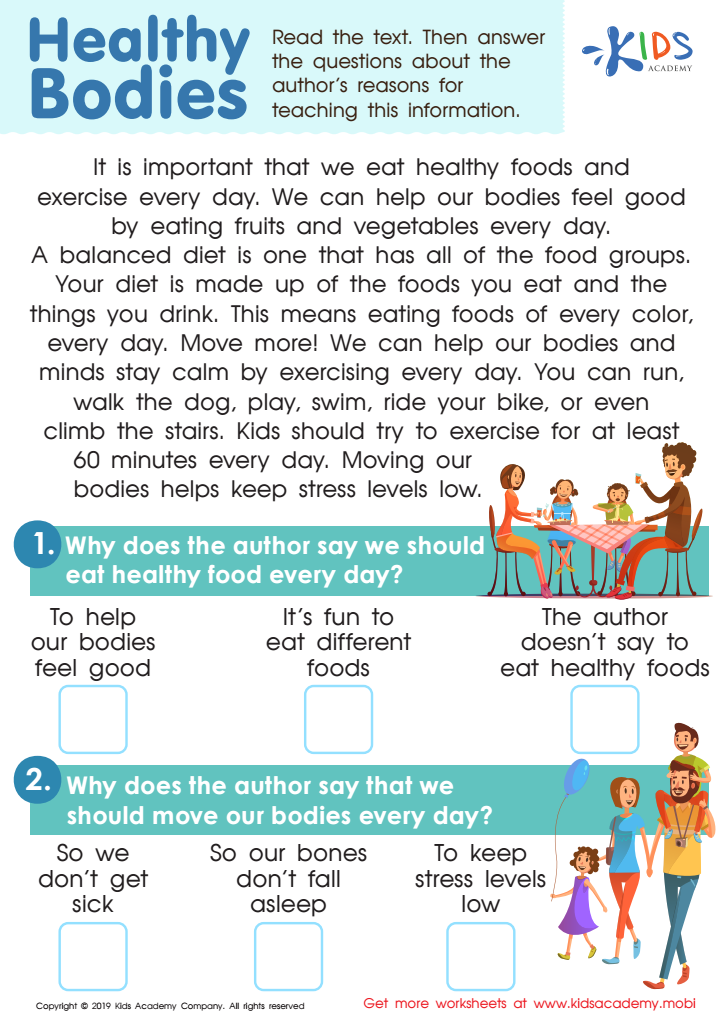
Healthy Bodies Worksheet

Healthy Bodies Worksheet

Taking care of our bodies is essential. To gain critical thinking skills, readers must understand an author's purpose. Our free worksheet is filled with facts about healthy bodies. After reading, your child can answer questions about the author's purpose.
Healthy Bodies Worksheet
Worksheet
Abraham Lincoln Worksheet

Abraham Lincoln Worksheet

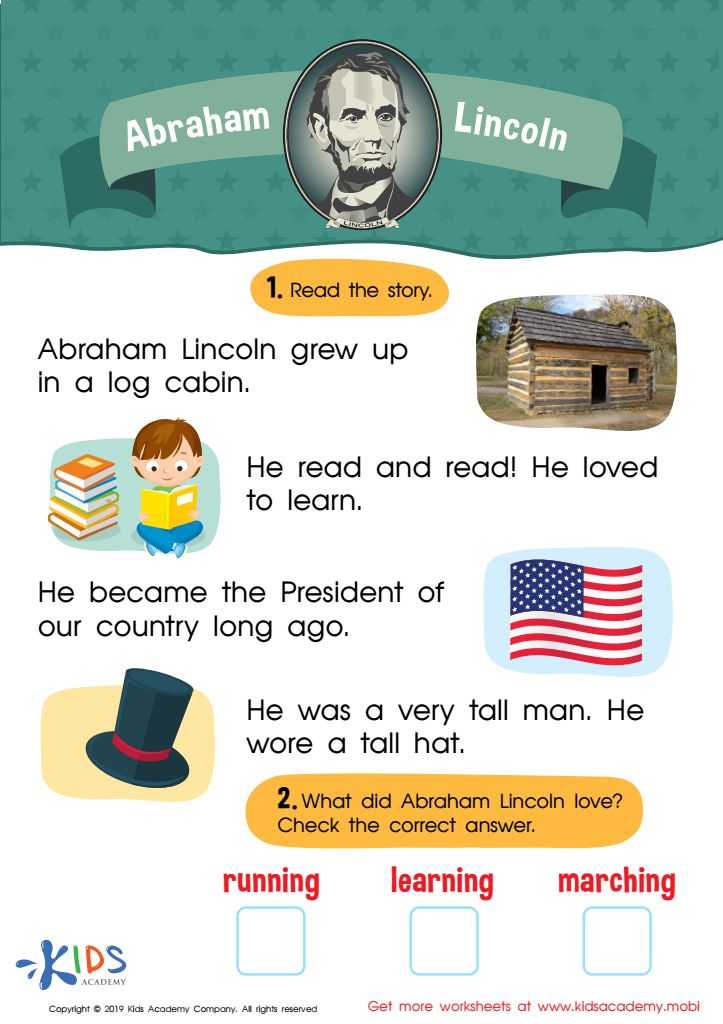
Let your kids listen to interesting stories while having fun! Read the short story in this worksheet, point to the picture representing each sentence, then ask the questions and check the answers. Doing this will help your children learn new things and build their vocabulary.
Abraham Lincoln Worksheet
Worksheet
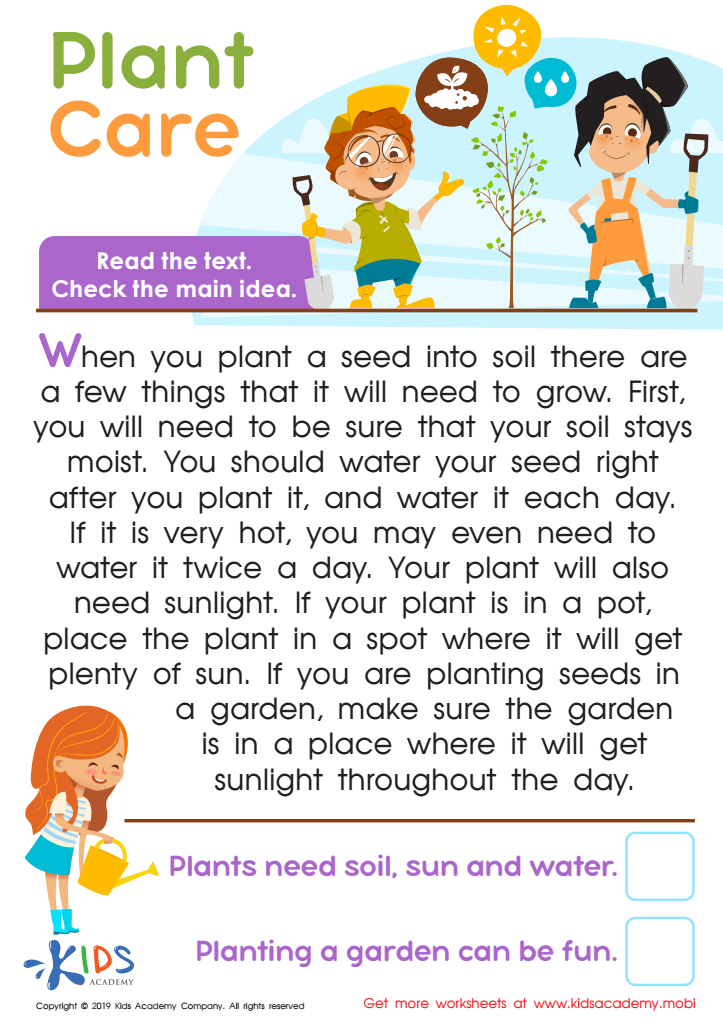
Plant Care Worksheet

Plant Care Worksheet

Encourage your children to read by helping them practice. Print out the worksheet and read the text with them. Help them understand the words and find the main idea. This will improve their reading skills and prepare them for school.
Plant Care Worksheet
Worksheet
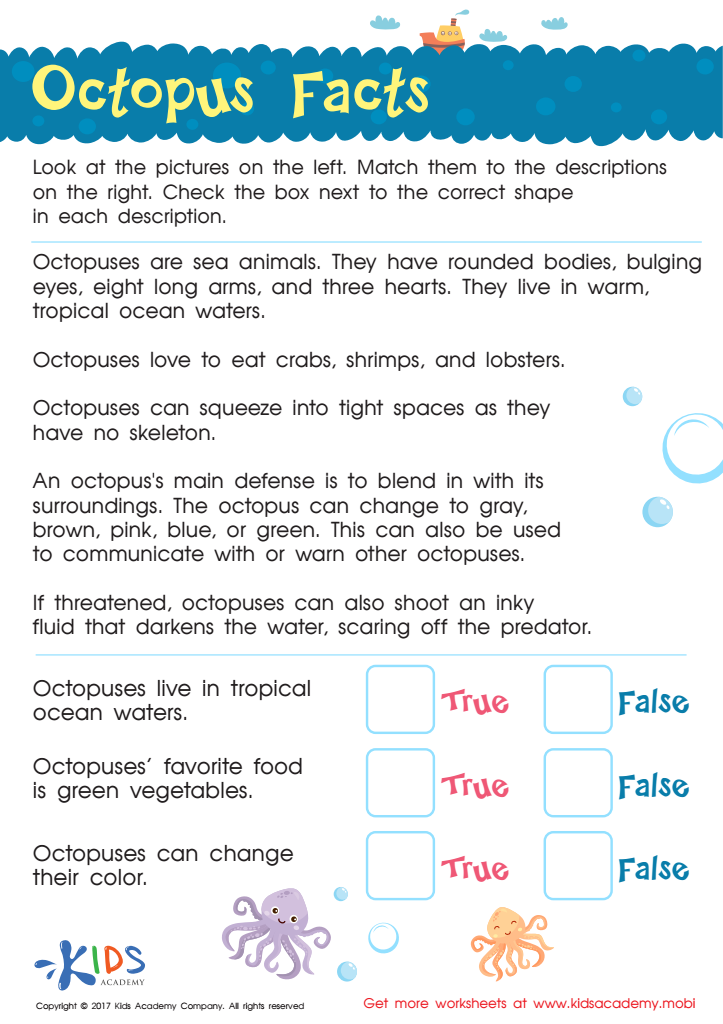
Octopus facts worksheet for kids

Octopus Facts Worksheet For Kids

Let your child dive into the world of octopuses with this fun worksheet. It offers invaluable practice in reading non-fiction texts, while they learn interesting facts about these strange sea creatures. It's a great way to help them hone their skills in reading comprehension.
Octopus Facts Worksheet For Kids
Worksheet
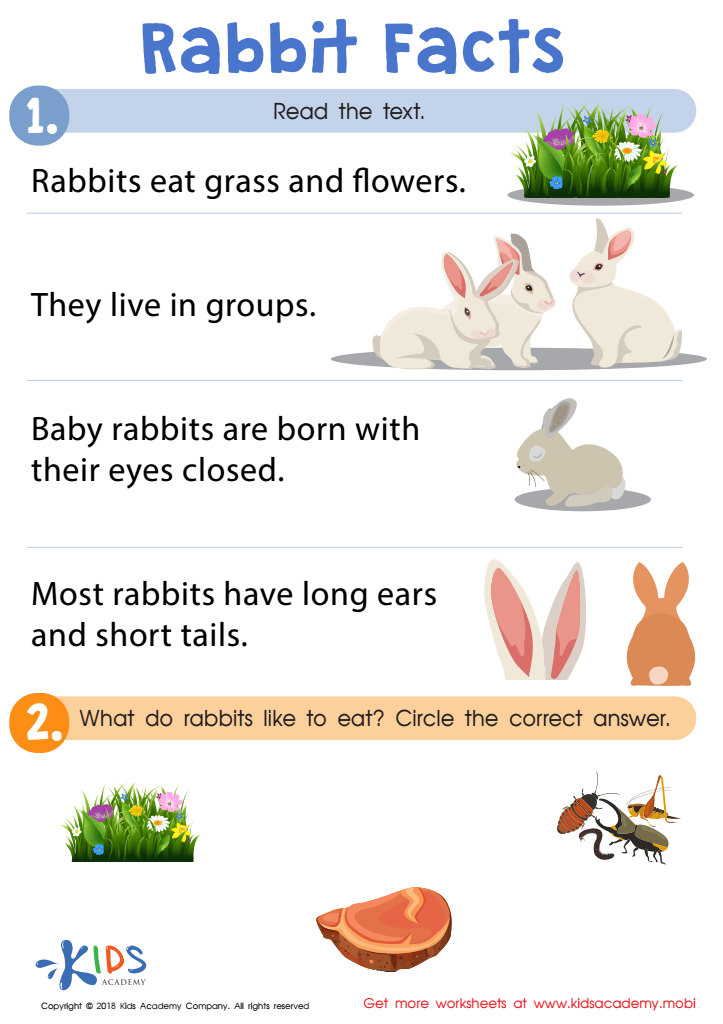
Rabbit Facts Worksheet

Rabbit Facts Worksheet

Informational texts offer great learning opportunities. Kids Academy's reading worksheet helps children read and recall important details from a text about bunnies. Kids will love it! Simply read the rabbit facts and circle the correct pictures to answer the questions.
Rabbit Facts Worksheet
Worksheet


Vocabulary expansion through reading non-fiction is crucial for children aged 4-8 as it lays a strong foundation for their academic success and lifelong learning. During these formative years, children's brains are highly receptive to new words and concepts, making them more adept at absorbing information. Non-fiction texts offer a rich source of facts, real-world knowledge, and contextual vocabulary that can boost a child's language skills.

By engaging with non-fiction, children gain exposure to various subjects such as science, history, and geography, which broadens their understanding of the world. This exposure helps develop critical thinking skills, encouraging them to ask questions, make connections, and analyze information. Additionally, as children learn new words and their meanings, they enhance their communication skills, which are vital for effective interaction both in and out of school.

Parents and teachers play a key role in encouraging this exploration. Introducing children to age-appropriate non-fiction books fosters a love of reading and curiosity about the world, establishing a habit that pays benefits throughout their academic journey. Furthermore, a well-developed vocabulary enhances literacy skills, enabling children to better comprehend and engage with various texts as they advance in their education. Thus, prioritizing vocabulary expansion through non-fiction reading is a sensible investment in a child's future.