Cognitive Development Sight Words Worksheets for Ages 4-8
5 filtered results
-
From - To
Introducing our Cognitive Development Sight Words Worksheets for ages 4-8, designed to boost early literacy and cognitive skills. These engaging worksheets focus on essential sight words, enhancing memory, attention, and problem-solving abilities. Perfect for children at different learning stages, each activity combines fun illustrations with effective learning techniques. Tailored to support early readers, our resources aim to build a robust vocabulary foundation, improve reading fluency, and foster a love for learning. Ideal for both home and classroom use, our carefully crafted worksheets make mastering sight words an exciting and rewarding adventure for young minds.
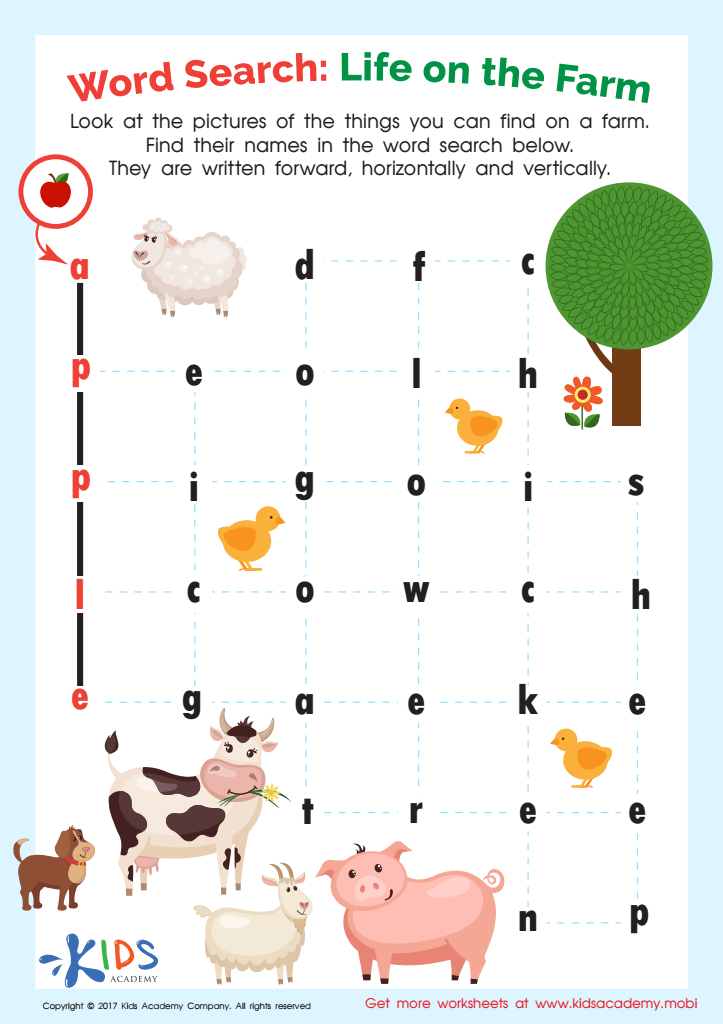
Word Search Puzzles Worksheet
 Assign to My Students







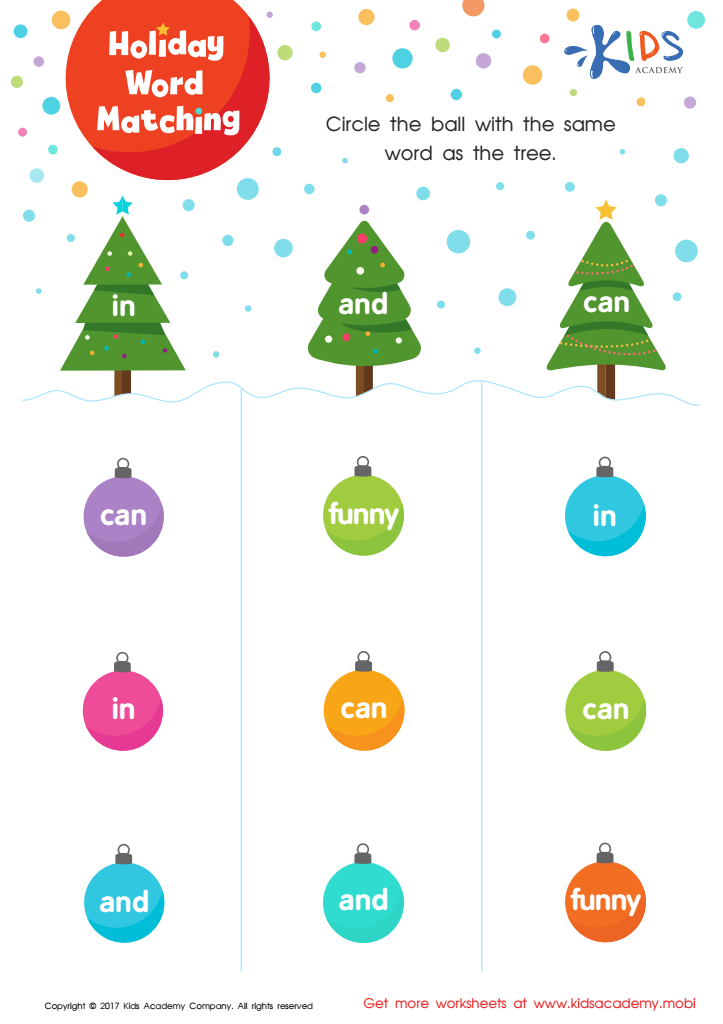
Holiday Word Matching Worksheet
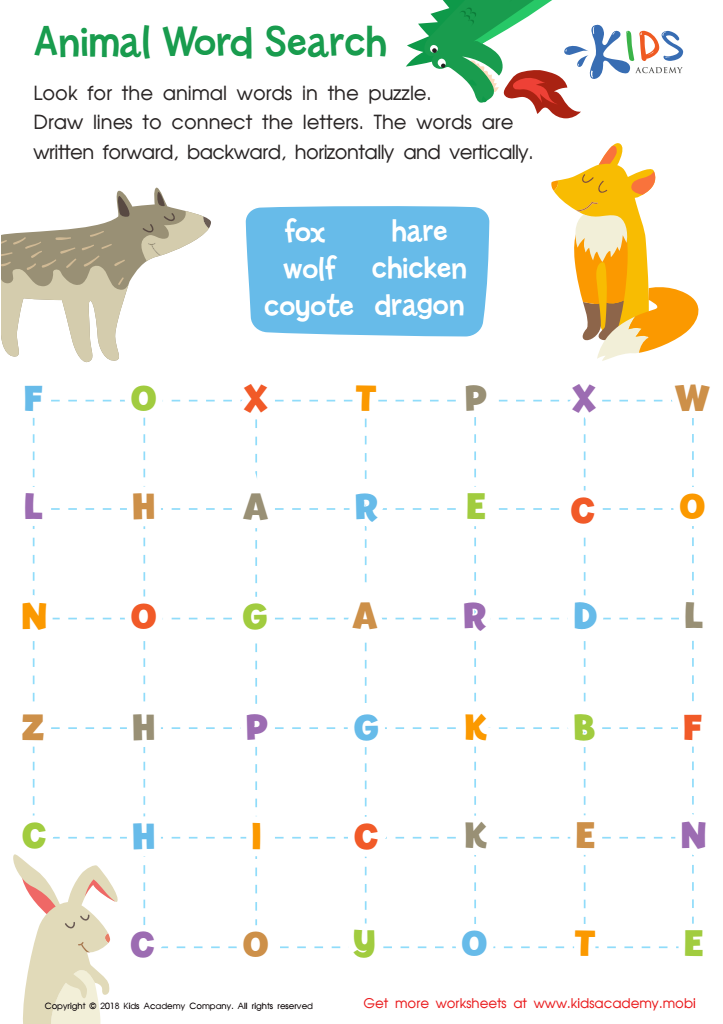
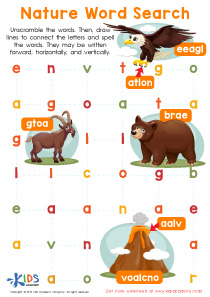
Animal Word Search Worksheet
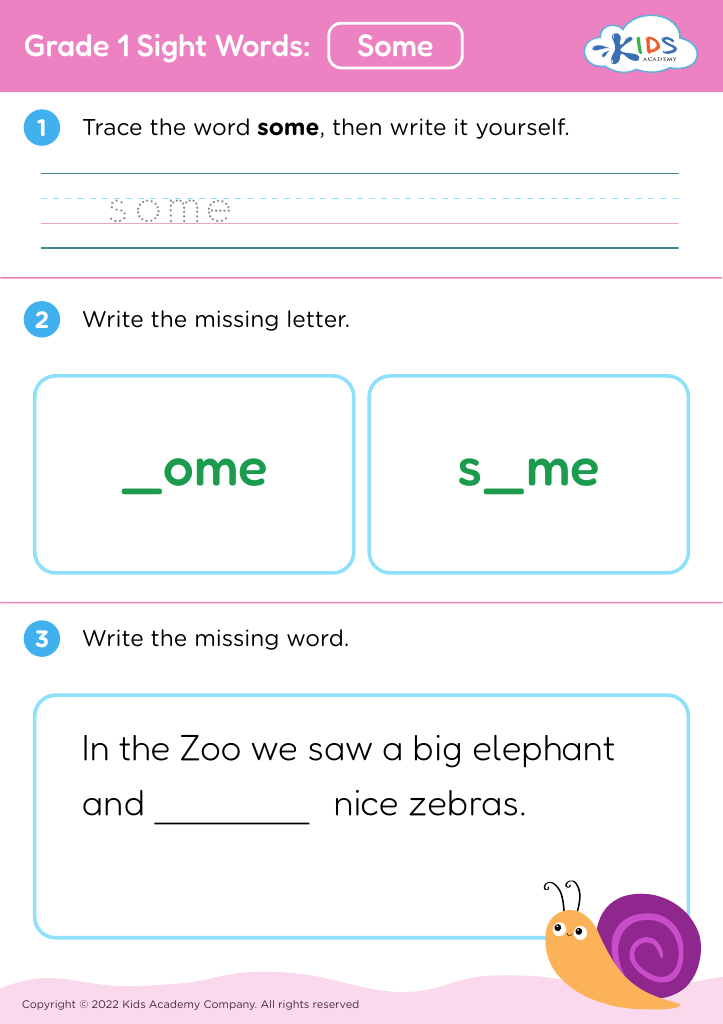
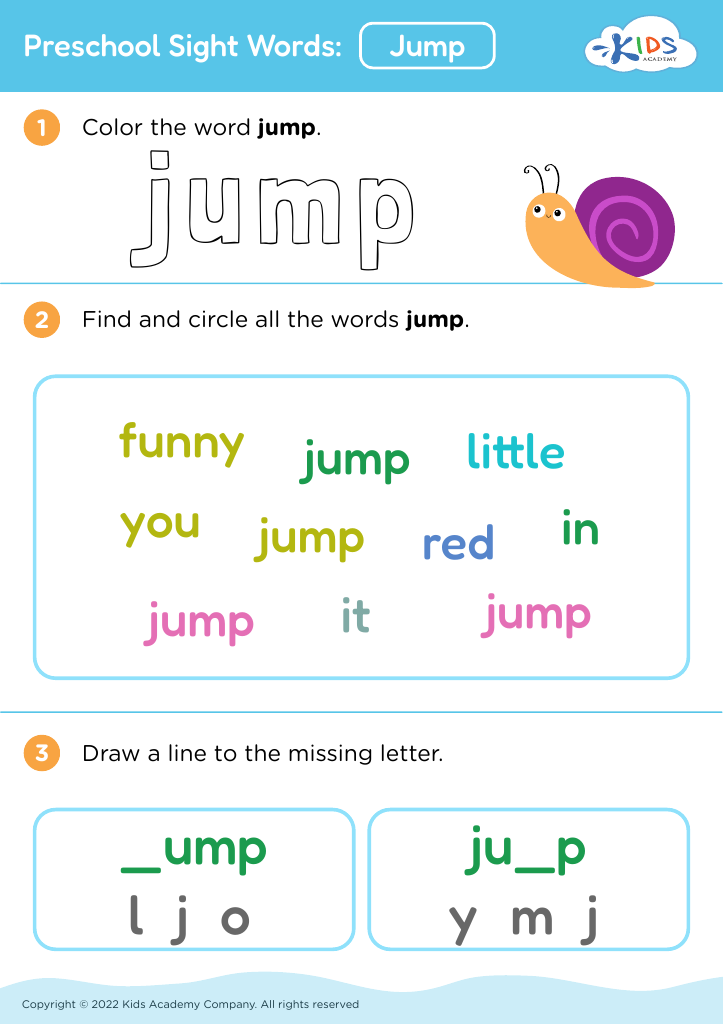








Cognitive Development Sight Words are crucial for children aged 4-8 because they serve as foundational building blocks for early literacy and overall cognitive growth. Sight words are commonly occurring words that young readers are encouraged to recognize instantly without needing to decode or sound them out. These words often do not conform to standard phonetic patterns, making them tricky for new readers. Examples include "the," "are," and "was."
Fostering quick recognition of these words enhances a child's reading fluency, allowing for smoother and more confident reading experiences. When children can recognize and understand sight words effortlessly, they allocate more cognitive resources to comprehending the text as a whole and developing a richer vocabulary. This builds a solid foundation for more complex reading skills, critical thinking, and comprehension abilities in subsequent grades.
Engaging with sight words also nurtures memory, attention, and pattern recognition, essential components of cognitive development. For teachers, incorporating sight words into daily lessons equips children with essential literacy skills. For parents, practicing sight words at home boosts their children's language exposure and reassures them that their learning environment extends beyond school walls.
Overall, supporting sight word acquisition in early childhood directly impacts a child's success in reading and learning, setting the stage for academic achievement and lifelong cognitive skills.