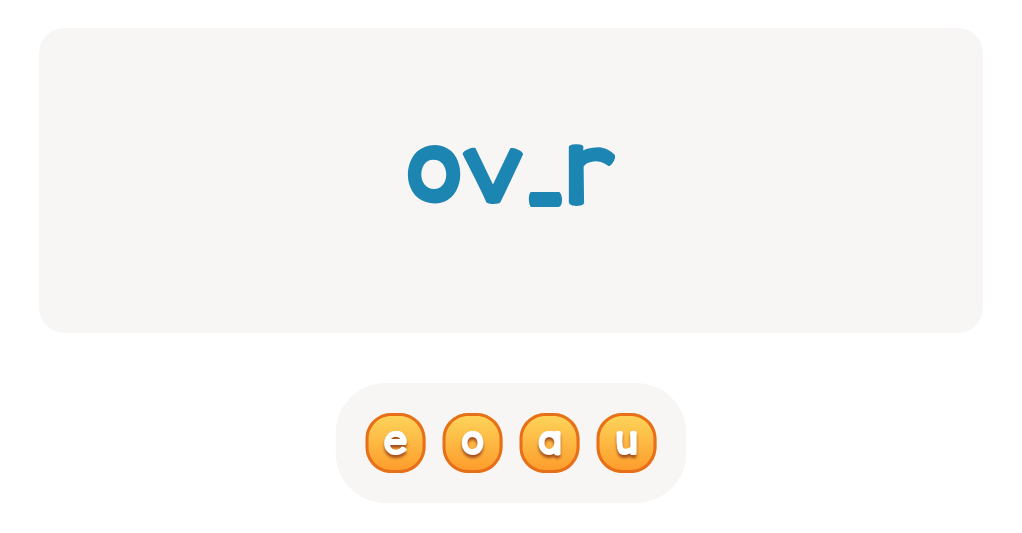
Check out this FREE Trial Lesson on Sight Words for age 4-8!

Exactly the Same, or Not

Favorites
With answer key
Interactive
  • 4-8
  • Comparing Fractions
  • Sight Words
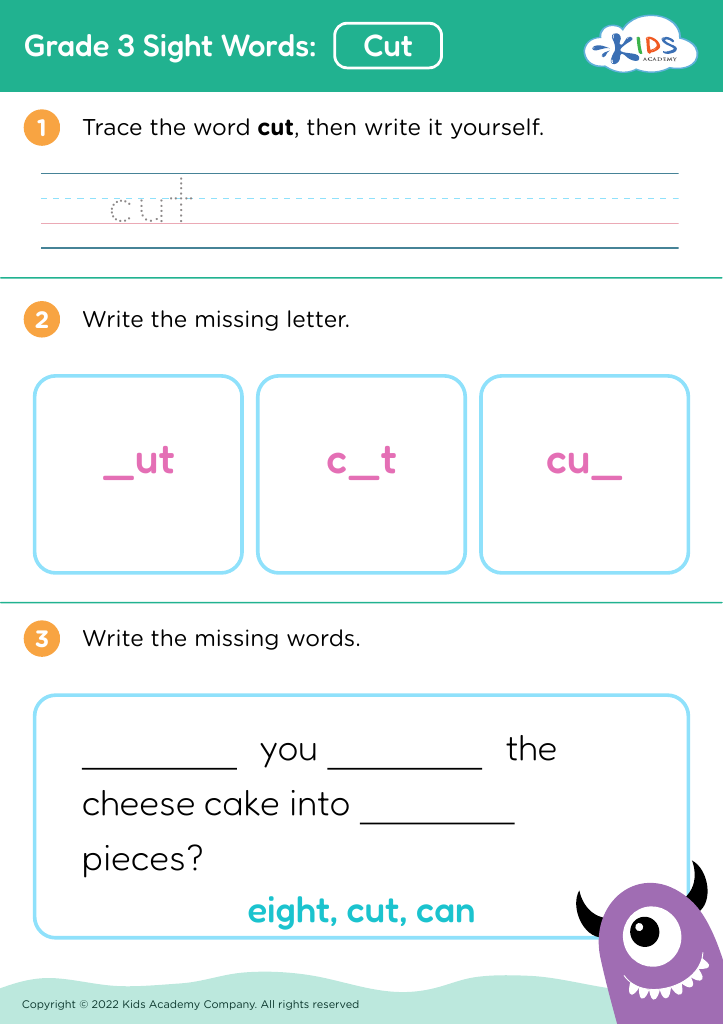
Grade 3 Sight Words: Cut

Grade 3 Sight Words: Cut

Grade 3 Sight Words: Cut
Worksheet
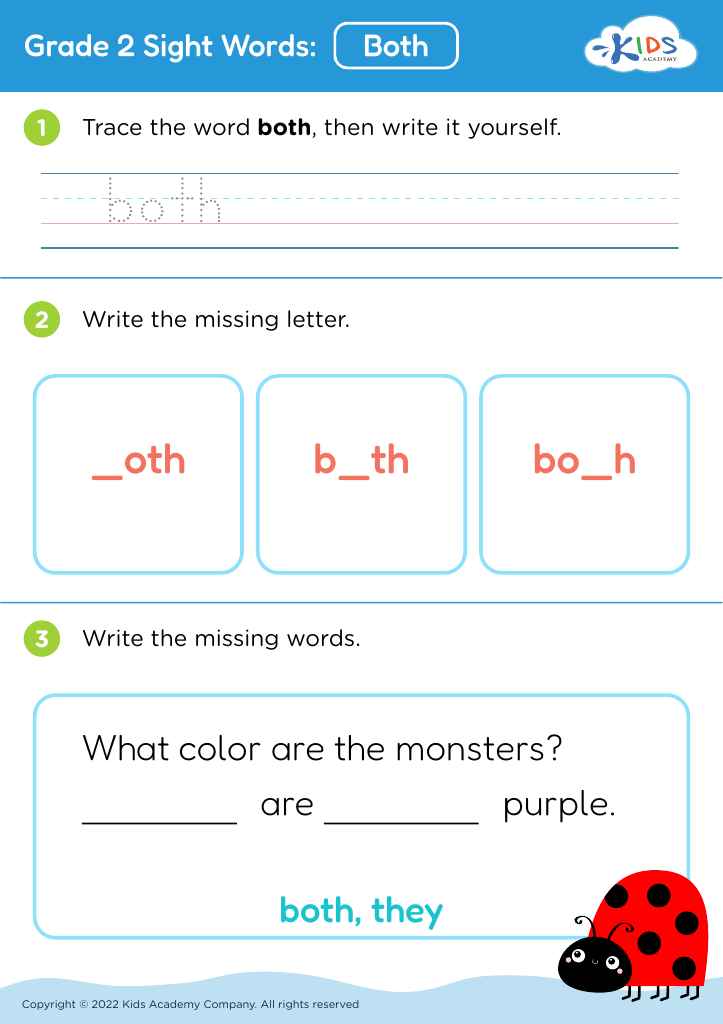
Grade 2 Sight Words: Both

Grade 2 Sight Words: Both

Grade 2 Sight Words: Both
Worksheet
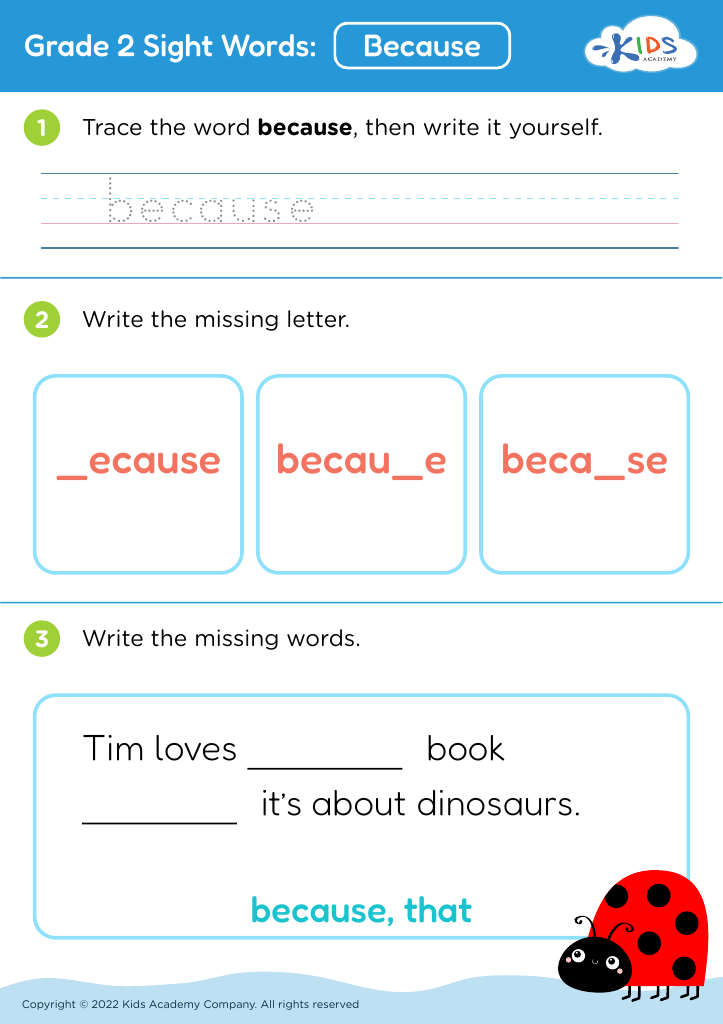
Grade 2 Sight Words: Because

Grade 2 Sight Words: Because

Grade 2 Sight Words: Because
Worksheet
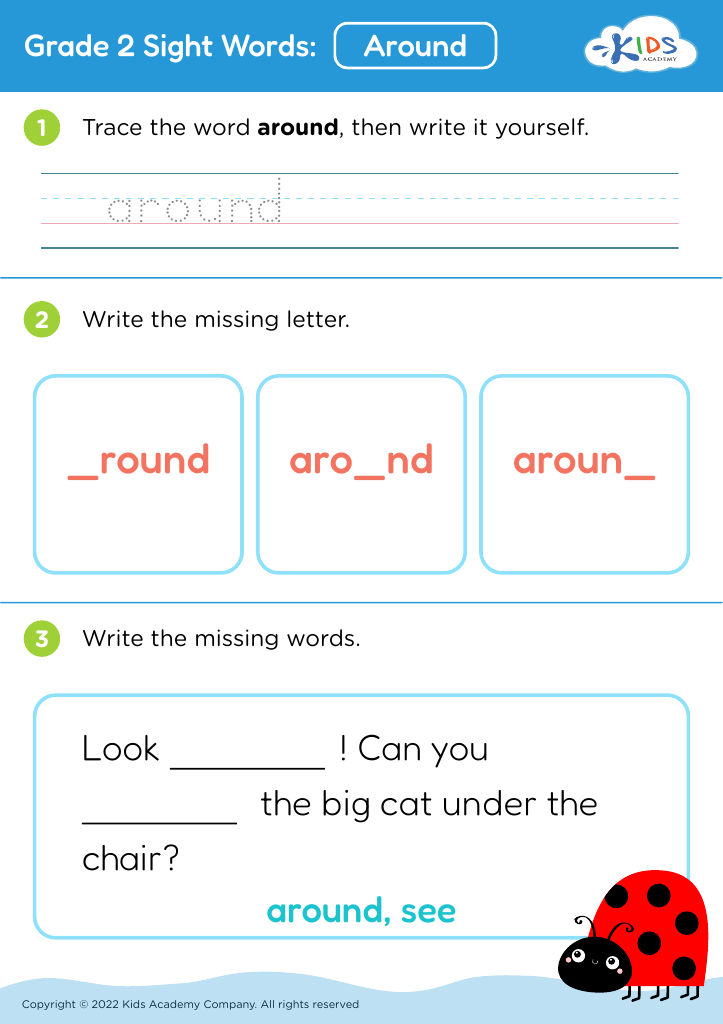
Grade 2 Sight Words: Around

Grade 2 Sight Words: Around

Grade 2 Sight Words: Around
Worksheet
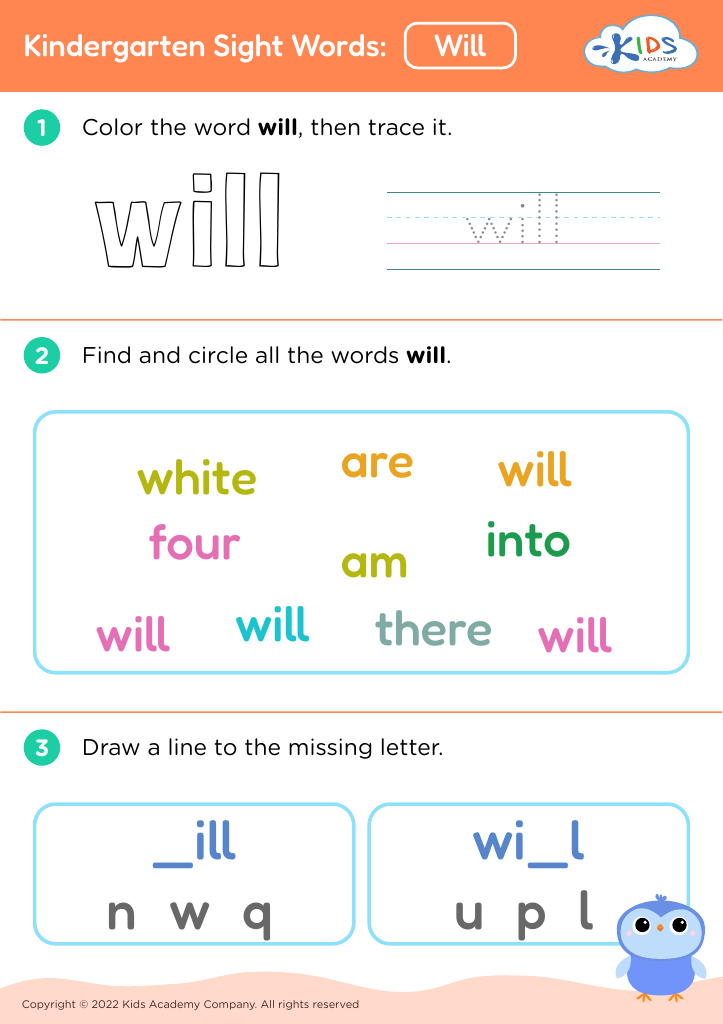
Kindergarten Sight Words: Will

Kindergarten Sight Words: Will

Kindergarten Sight Words: Will
Worksheet
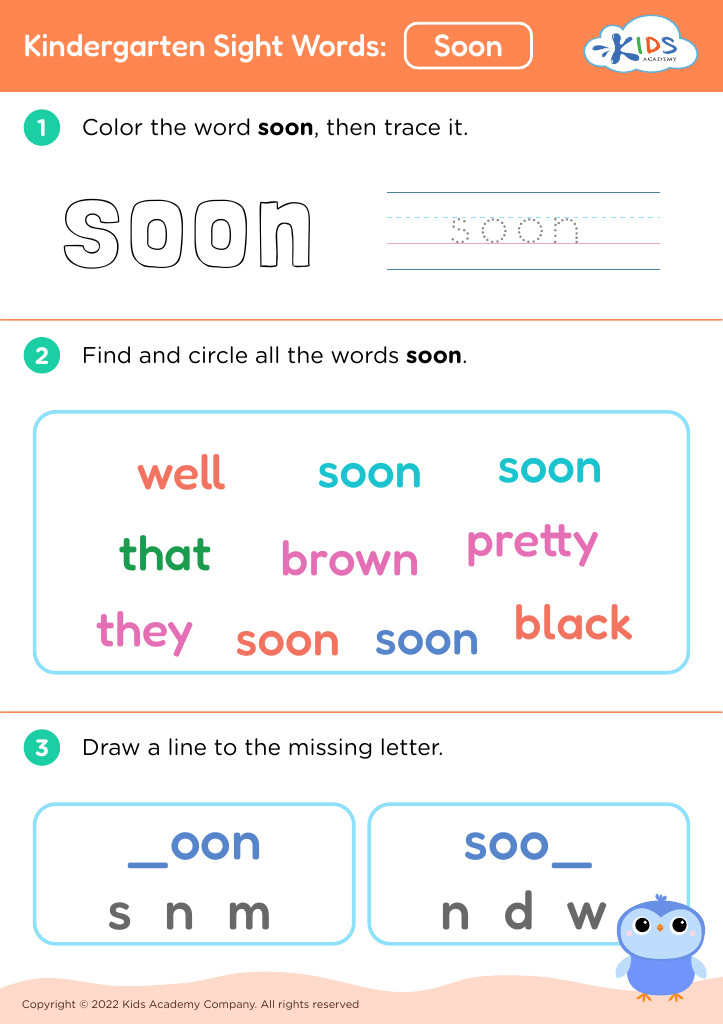
Kindergarten Sight Words: Soon

Kindergarten Sight Words: Soon

Kindergarten Sight Words: Soon
Worksheet
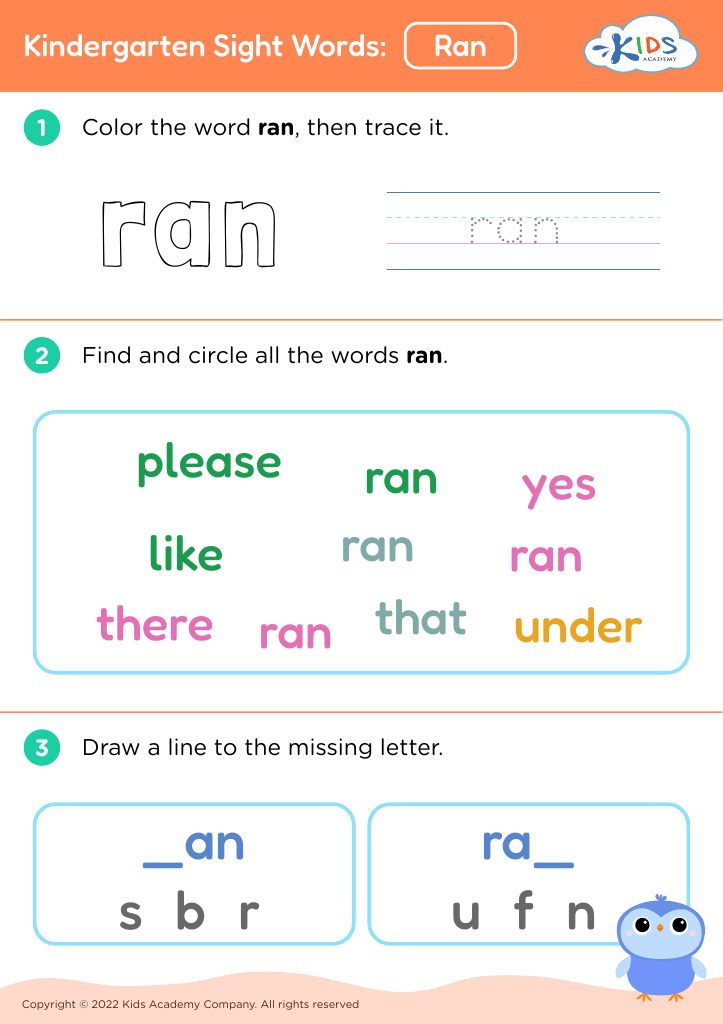
Kindergarten Sight Words: Ran

Kindergarten Sight Words: Ran

Kindergarten Sight Words: Ran
Worksheet
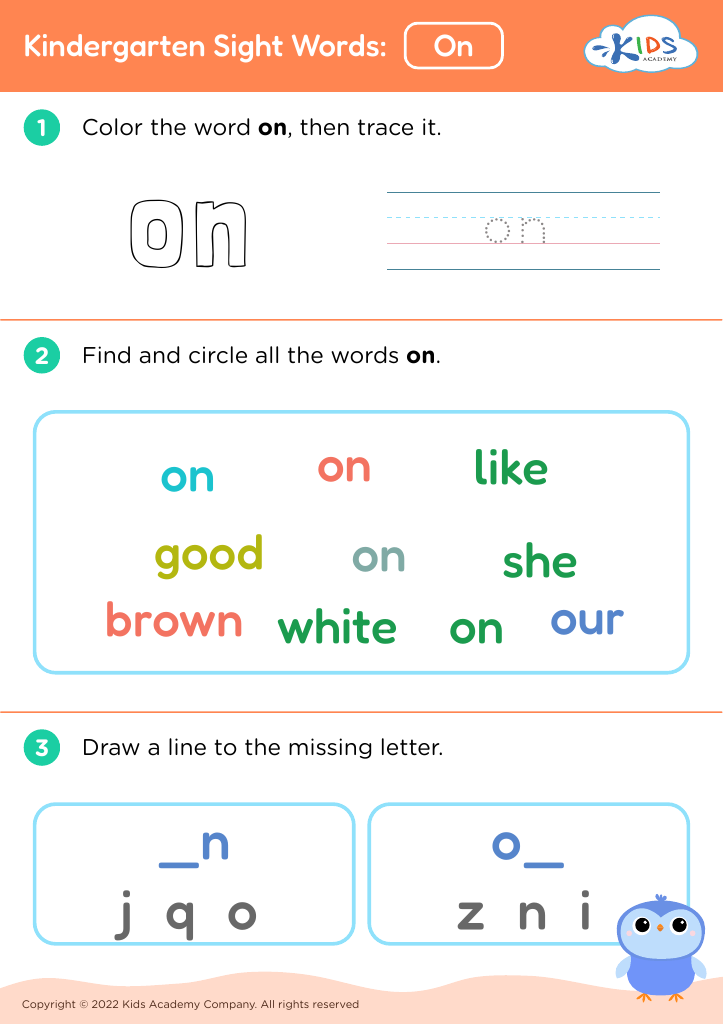
Kindergarten Sight Words: On

Kindergarten Sight Words: On

Kindergarten Sight Words: On
Worksheet
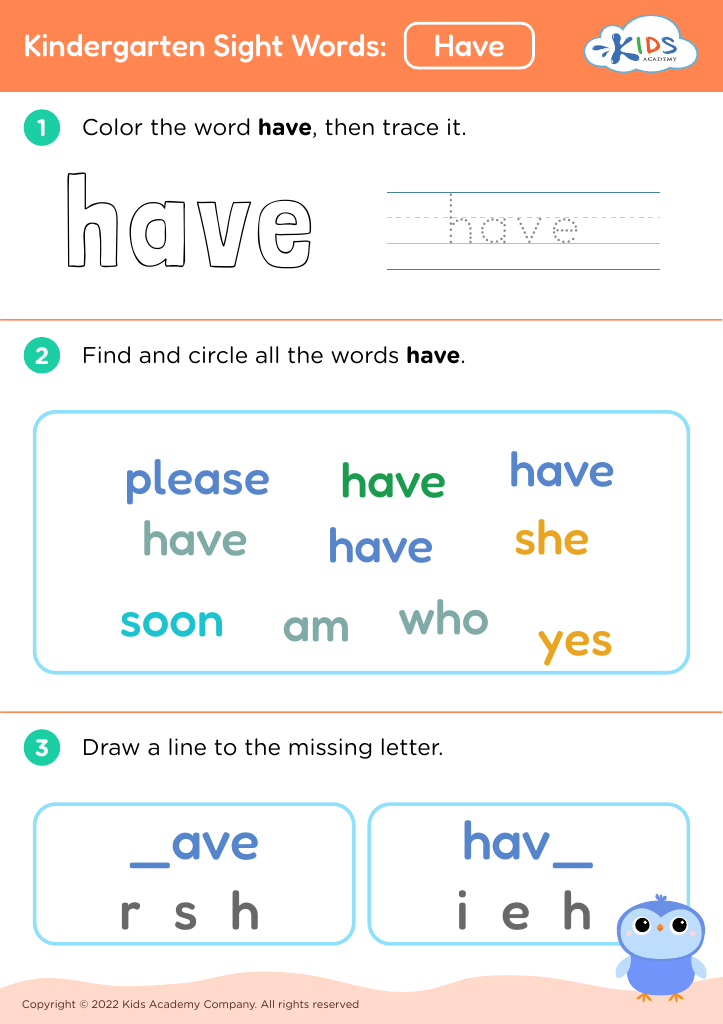
Kindergarten Sight Words: Have

Kindergarten Sight Words: Have

Kindergarten Sight Words: Have
Worksheet
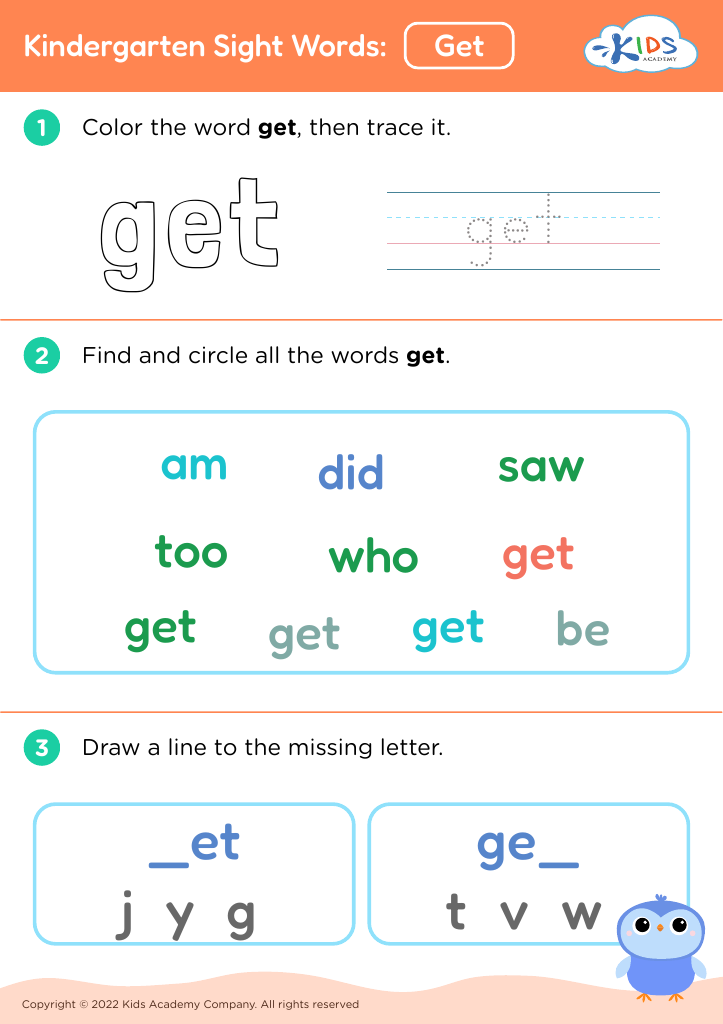
Kindergarten Sight Words: Get

Kindergarten Sight Words: Get

Kindergarten Sight Words: Get
Worksheet
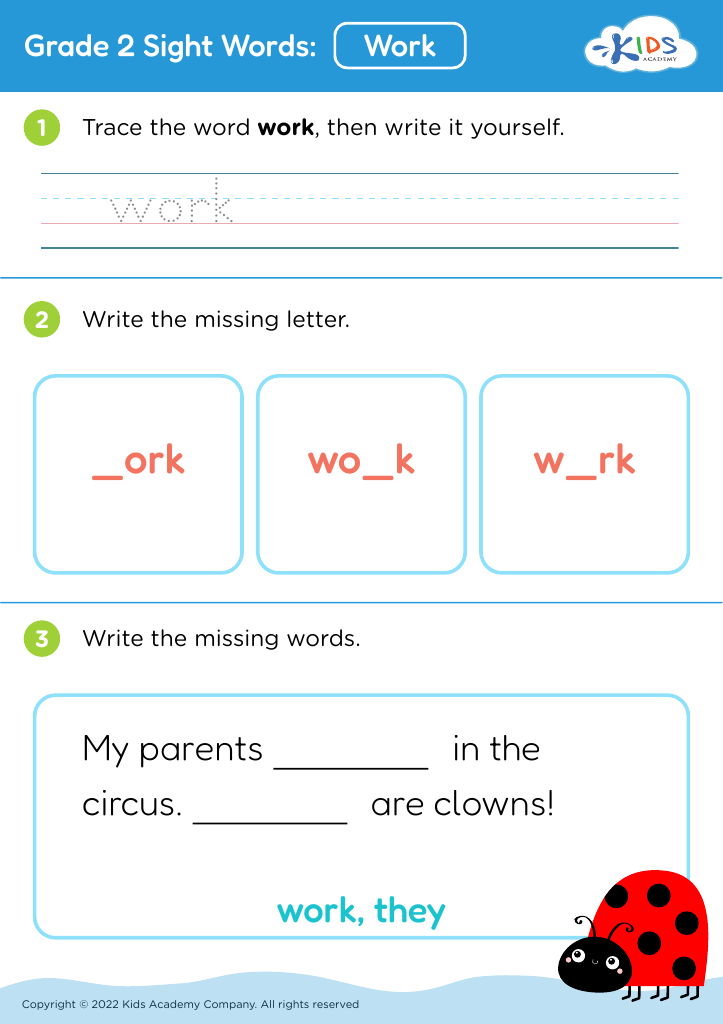
Grade 2 Sight Words: Work

Grade 2 Sight Words: Work

Grade 2 Sight Words: Work
Worksheet
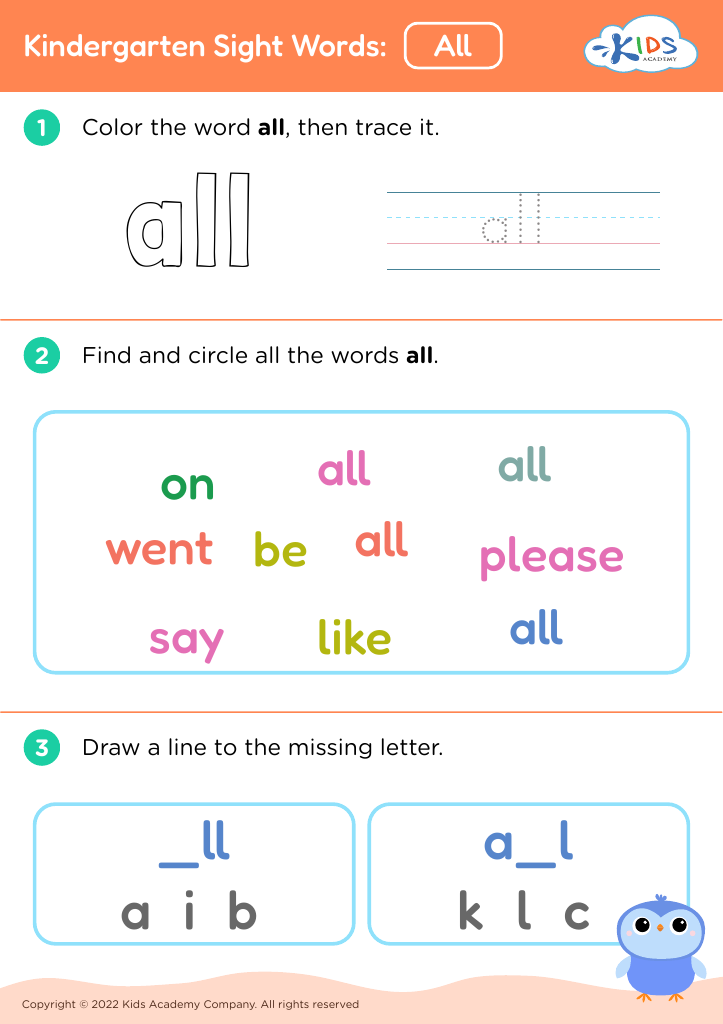
Kindergarten Sight Words: All

Kindergarten Sight Words: All

Kindergarten Sight Words: All
Worksheet


Parents and teachers should prioritize exposure to comparing fractions and sight words for children ages 4-8 because both are foundational skills essential for future learning. Understanding fractions fosters critical math competencies. Children develop the ability to comprehend parts of a whole, compare values, and make decisions informed by numerical reasoning. This early grasp of fractions lays the groundwork for geometric concepts and advanced arithmetic they will encounter later in school.

Sight words, on the other hand, are crucial for literacy development. Children often encounter these words in their early reading experiences; recognizing them by sight can increase fluency and confidence when reading. Mastering sight words considerably reduces decoding efforts, allowing young learners to focus on comprehension and enjoy storytelling.

Incorporating activities that blend these two subjects—like using fractions in real-life contexts during reading sessions—stimulates engagement and retention. Parents and teachers can create enjoyable learning environments by integrating games, visual aids, and everyday experiences, making math and literacy enriching companions in a child’s educational journey. Engaging with comparing fractions and developing sight words together solidifies critical thinking and communication skills, equipping children with the tools they need for academic success.