Counting objects Sight Words Worksheets for Ages 4-8
3 filtered results
-
From - To
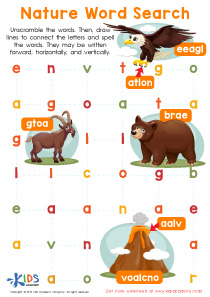
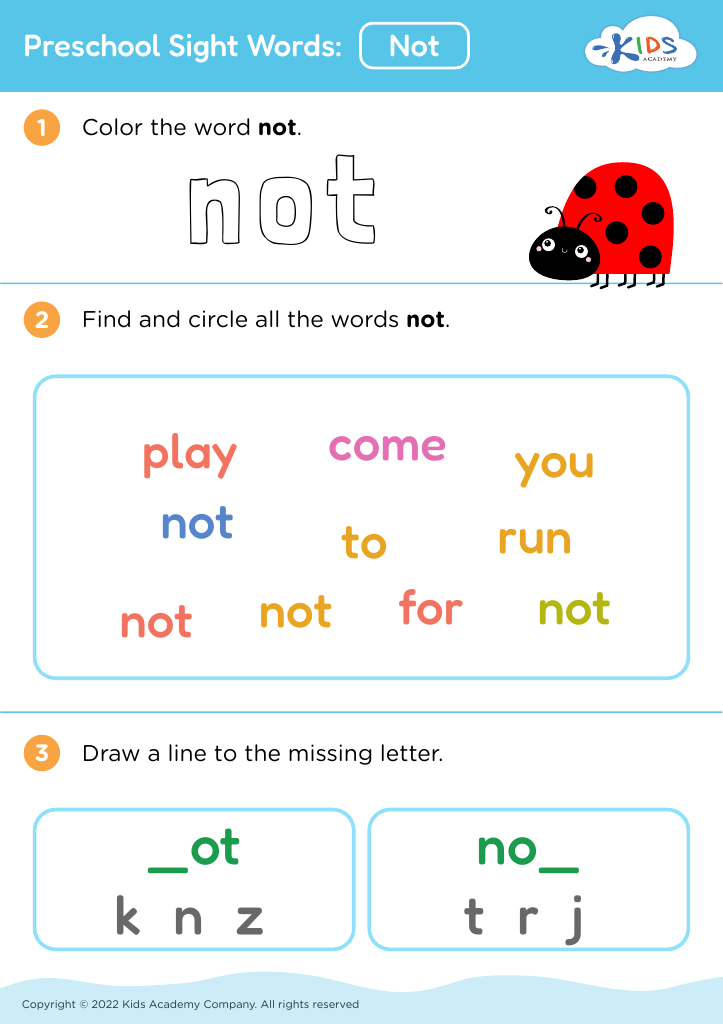
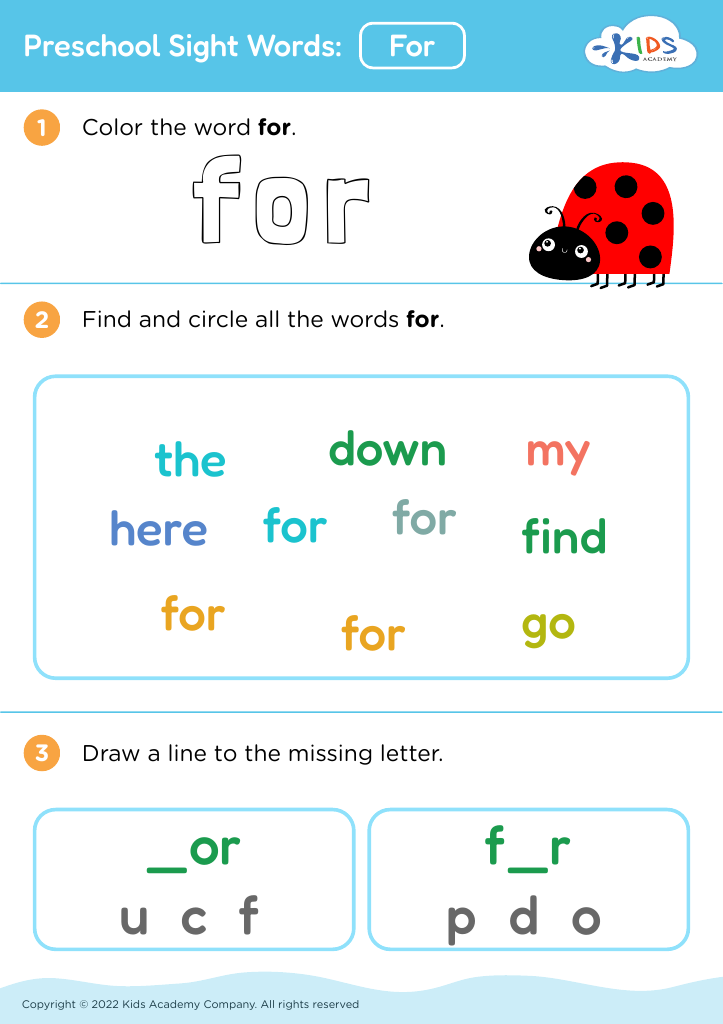
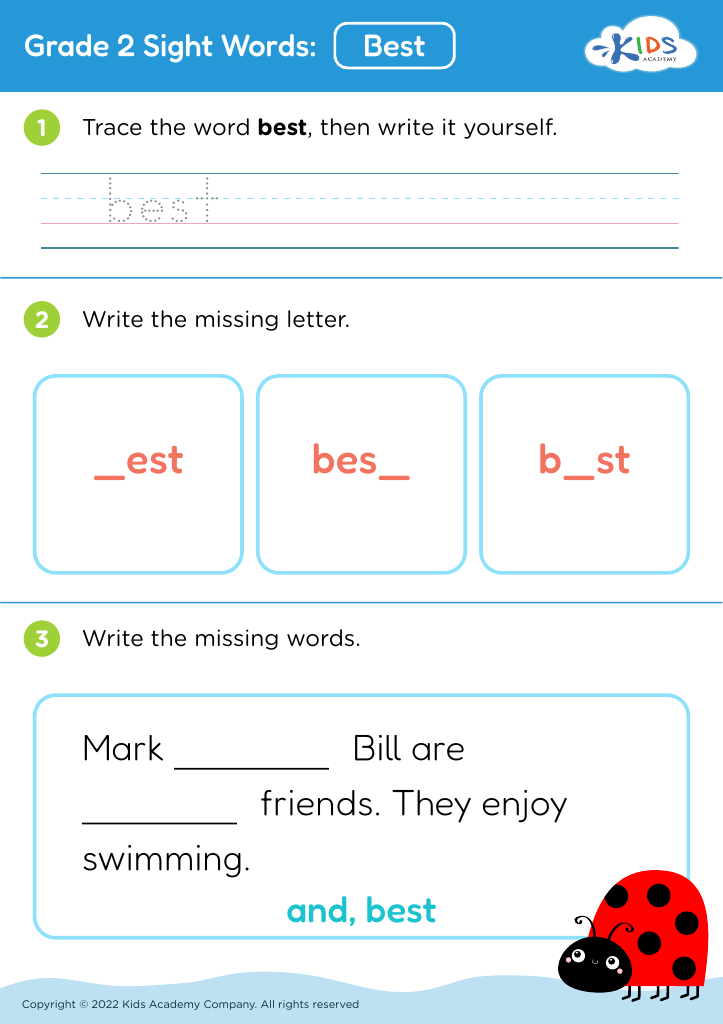
Enhance your child's early literacy and numeracy skills with our Counting Objects Sight Words Worksheets, designed specifically for ages 4-8. These engaging worksheets provide a fun and interactive way for young learners to practice essential sight words while counting various objects. By combining reading and math, children develop critical thinking, vocabulary, and number recognition skills. Each worksheet encourages hands-on learning and creativity, making it easier for kids to grasp foundational concepts. Ideal for parents and educators, our printable worksheets support at-home learning and classroom activities. Start your child's journey to literacy and numeracy success today!













Counting objects and recognizing sight words are foundational skills that significantly impact a child's educational journey, especially for ages 4-8. Firstly, counting objects lays the groundwork for numeracy skills. When children engage in counting, they develop an understanding of quantity, number sequence, and basic arithmetic concepts. This early math proficiency not only aids their performance in mathematics but also fosters critical thinking and problem-solving abilities.
Similarly, sight words are essential for developing reading fluency. These are high-frequency words that children encounter in everyday texts, and recognizing them by sight allows for smoother reading and comprehension. Learning sight words reduces the cognitive load on young learners, as they do not have to sound out every word, enabling them to focus on understanding the content.
Moreover, both skills can enhance a child's confidence and independence in learning. Parents and teachers play a crucial role by incorporating fun and interactive activities that promote counting and sight word recognition, such as games, songs, and storytelling. When children master these skills, they feel empowered and motivated to learn more, reinforcing the importance of early childhood education in laying a strong foundation for lifelong learning. Ultimately, investing time and energy in these areas positively impacts a child’s academic growth and self-esteem.