Mathematical reasoning Sight Words Worksheets for Ages 4-8
6 filtered results
-
From - To
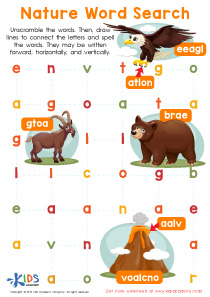
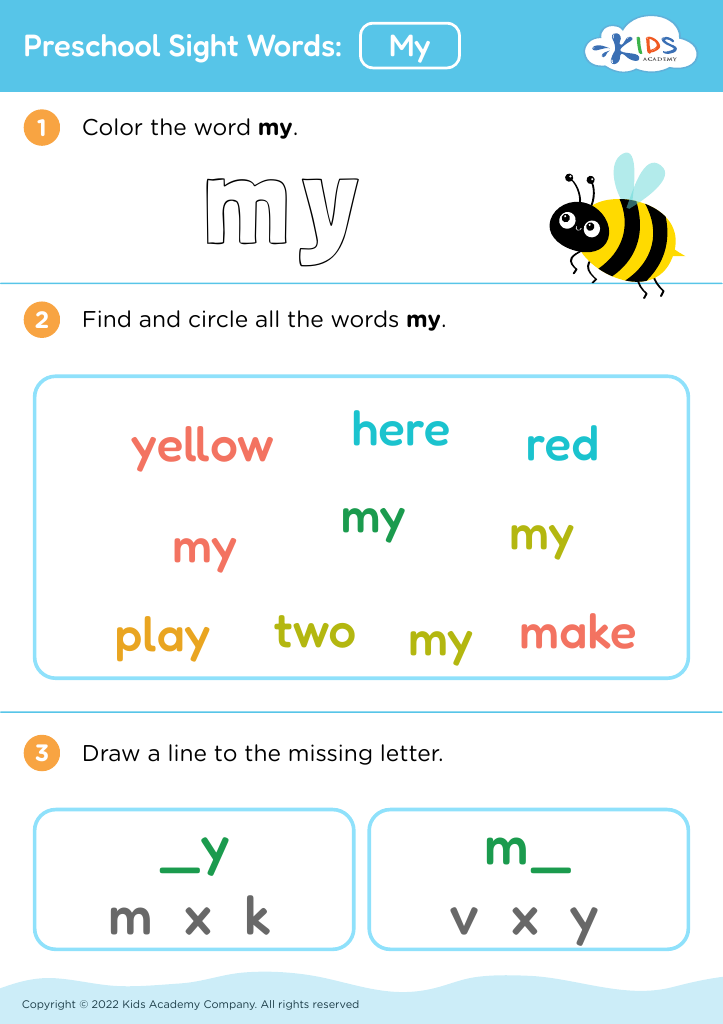
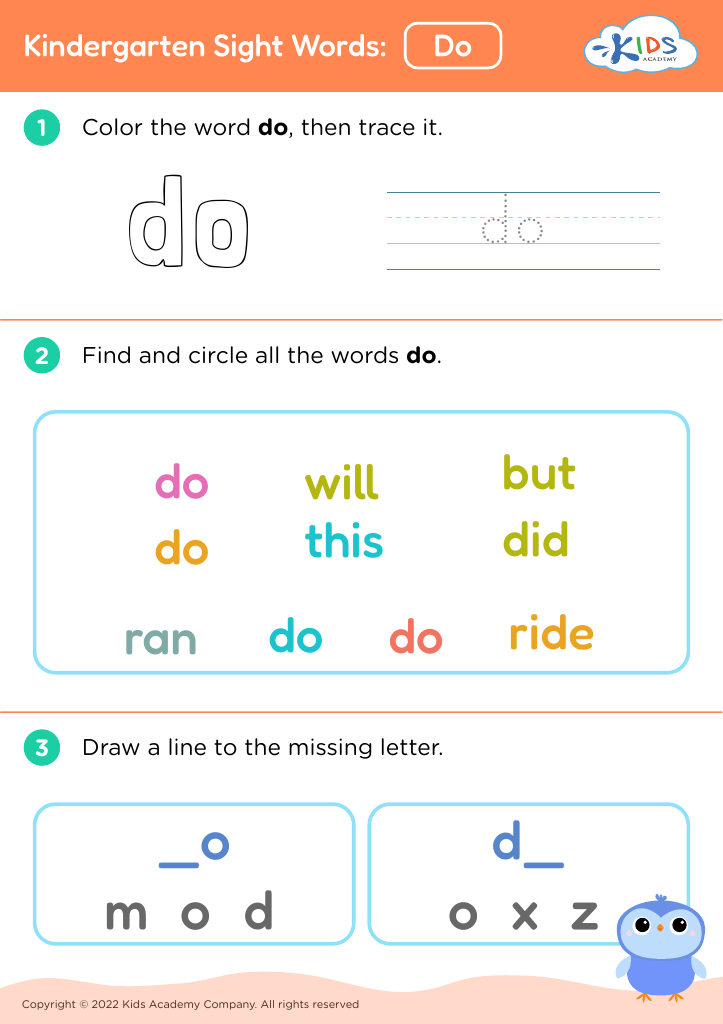
Discover our engaging Mathematical Reasoning Sight Words Worksheets, especially designed for children aged 4-8. These interactive worksheets blend foundational math concepts with essential sight words, making learning both fun and effective. As kids practice, they improve their reading and comprehension skills while solving various logical challenges and puzzles. Our resources support early learners in developing critical thinking, problem-solving abilities, and vocabulary, setting a strong academic foundation. Perfect for home or classroom use, these worksheets foster a love for learning through colorful, age-appropriate activities that motivate young minds. Unlock your child’s potential in reading and math with our comprehensive, hands-on resources today!



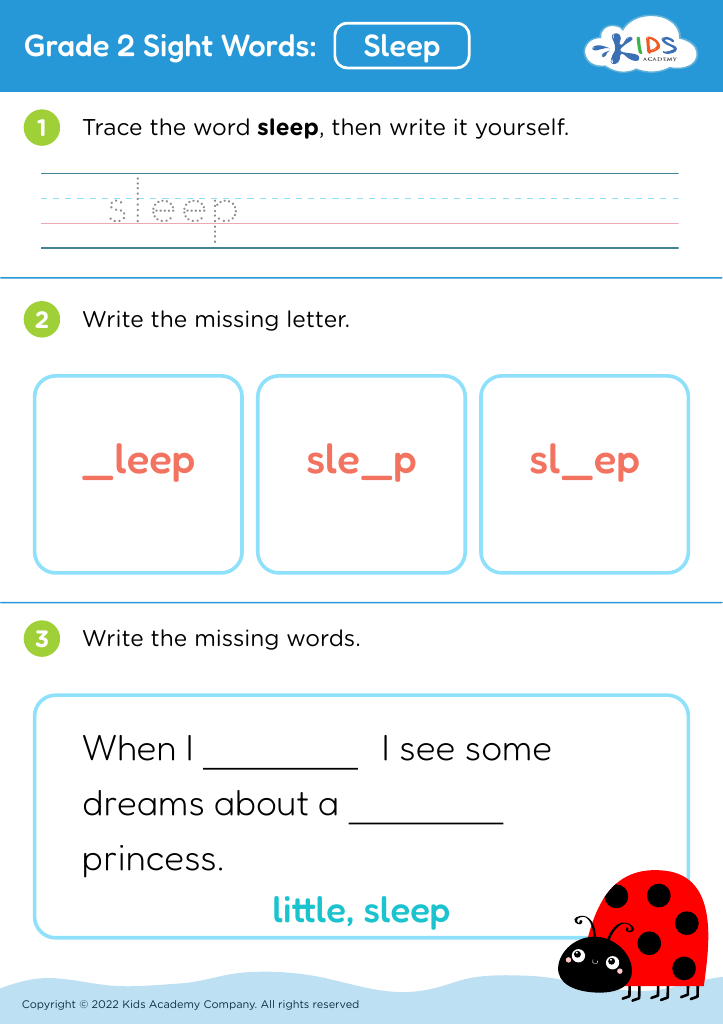
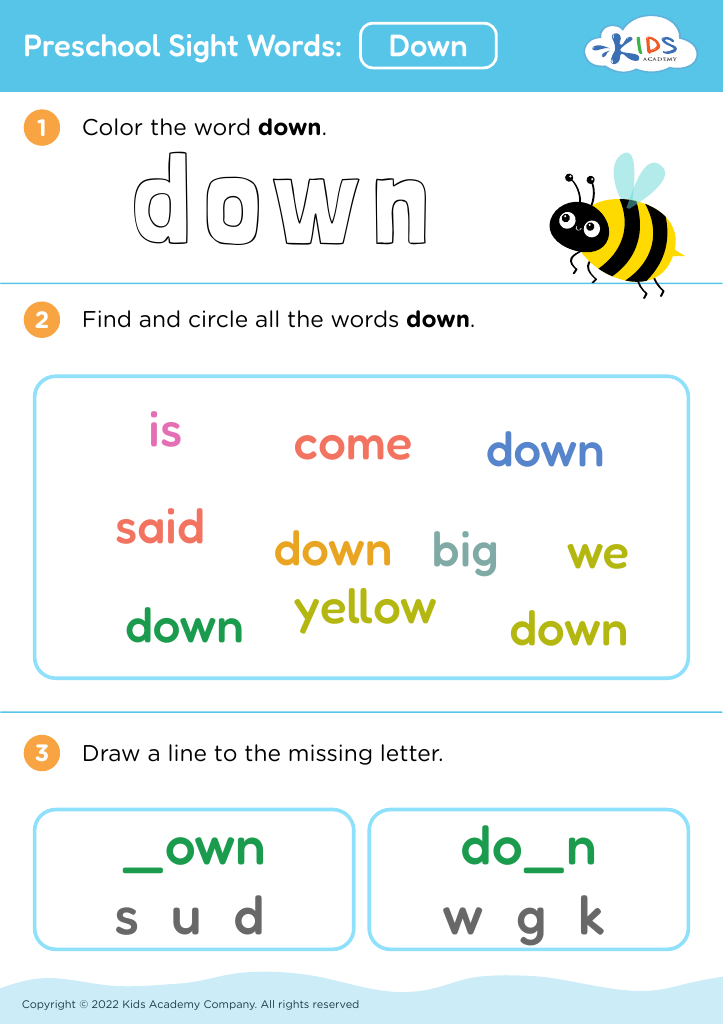
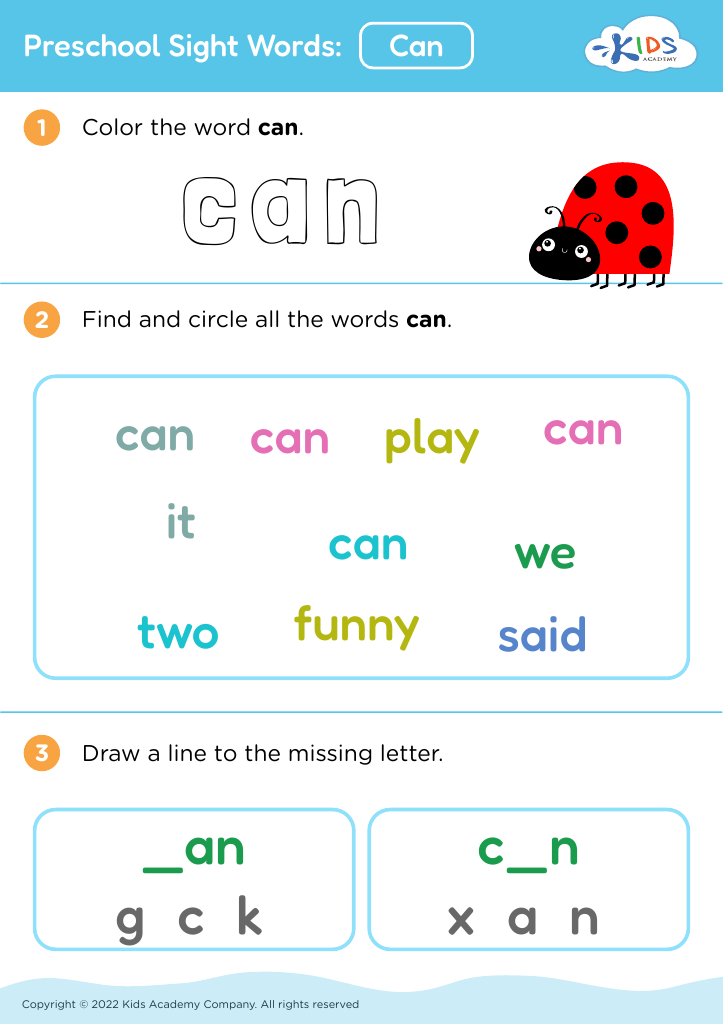
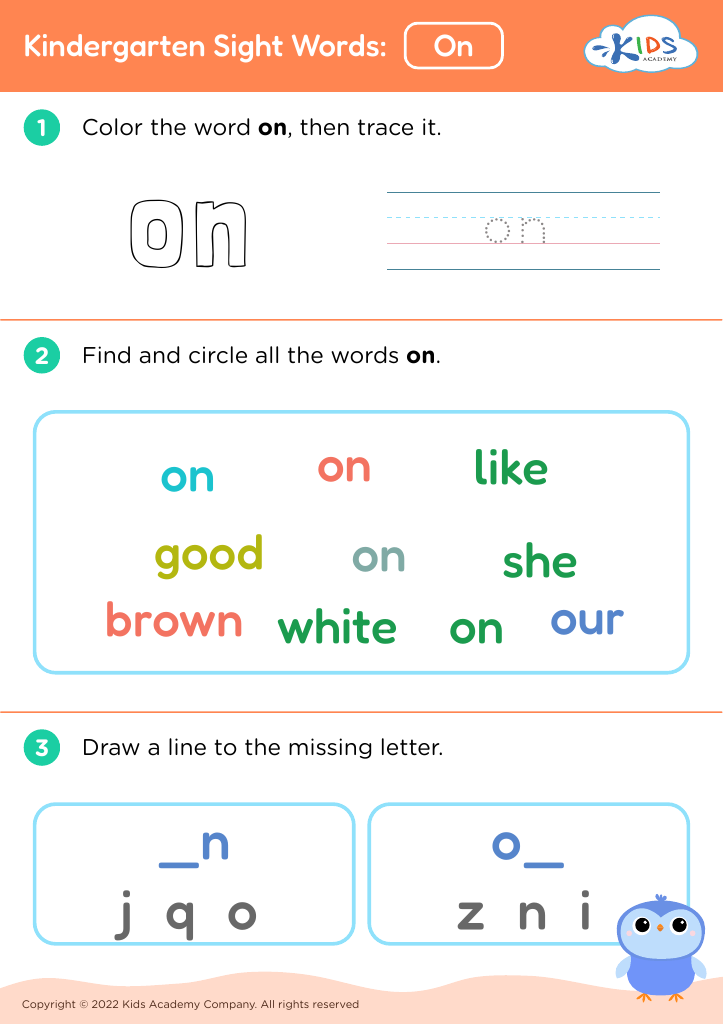




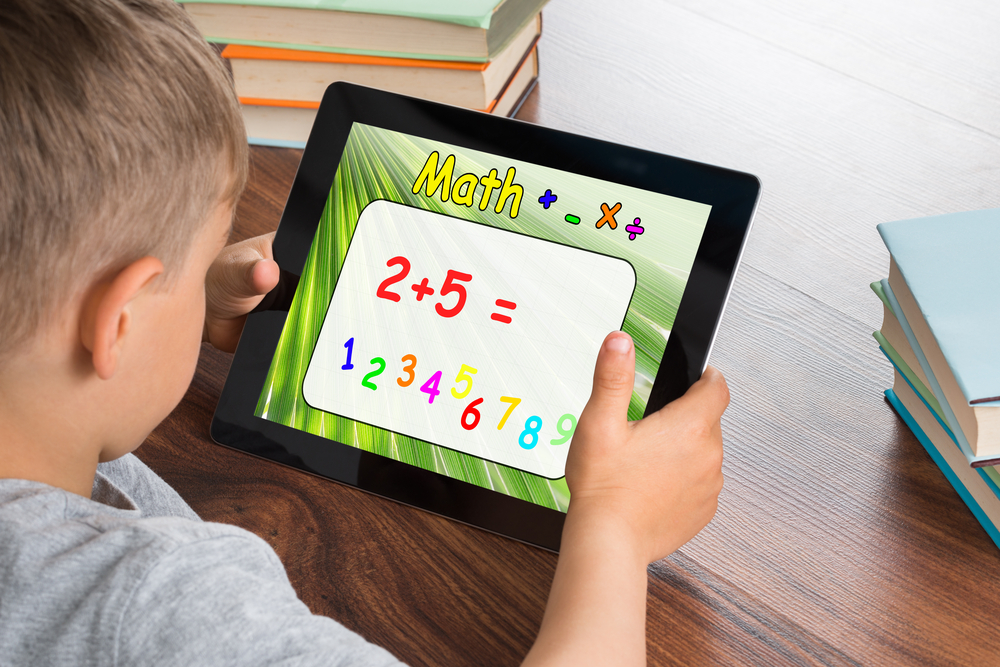



Mathematical reasoning is a crucial skill for children ages 4-8, laying the groundwork for future academic success. For young learners, such reasoning helps them make sense of numbers, shapes, and patterns, which are foundational concepts in mathematics. Introducing sight words related to math, such as "add," "subtract," "greater," or "equal," encourages children to communicate their understanding effectively. By familiarizing them with these key terms, parents and teachers foster confidence, enabling kids to articulate their thoughts and solutions.
Furthermore, manipulating these sight words in problem-solving promotes cognitive development. It encourages critical thinking and logical reasoning as children begin to connect words to concepts, allowing them to approach mathematical problems intuitively. As they encounter and engage with these terms, their vocabulary expands, enhancing both their language and math skills simultaneously.
Parents and teachers must emphasize mathematical reasoning sight words because they equip children with a language toolkit necessary for learning, collaboration, and written math tasks. This integrated approach paves the way for a more robust mathematics understanding, preparing students to tackle increasingly complex concepts in the future. Nurturing these skills at a young age engages curious minds and instills a positive attitude toward mathematics as they grow.