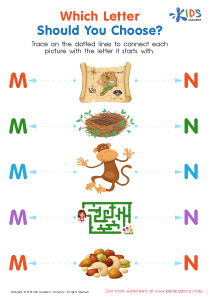
Alphabet Recognition Lowercase/Small Letters Worksheets for Ages 4-9
9 filtered results
-
From - To
Boost your child's literacy skills with our engaging Alphabet Recognition Worksheets for lowercase letters, designed for ages 4-9! These printable activities make learning fun and interactive, reinforcing essential letter recognition through colorful visuals and captivating exercises. Children will delight in tracing, identifying, and visualizing each letter as they develop their foundational reading skills. Our worksheets cater to various learning styles, ensuring every child can thrive. Perfect for at-home learning or classroom enrichment, these resources promote confidence in letter recognition while making early education enjoyable. Start your child’s journey to reading success today with our expertly crafted worksheets!
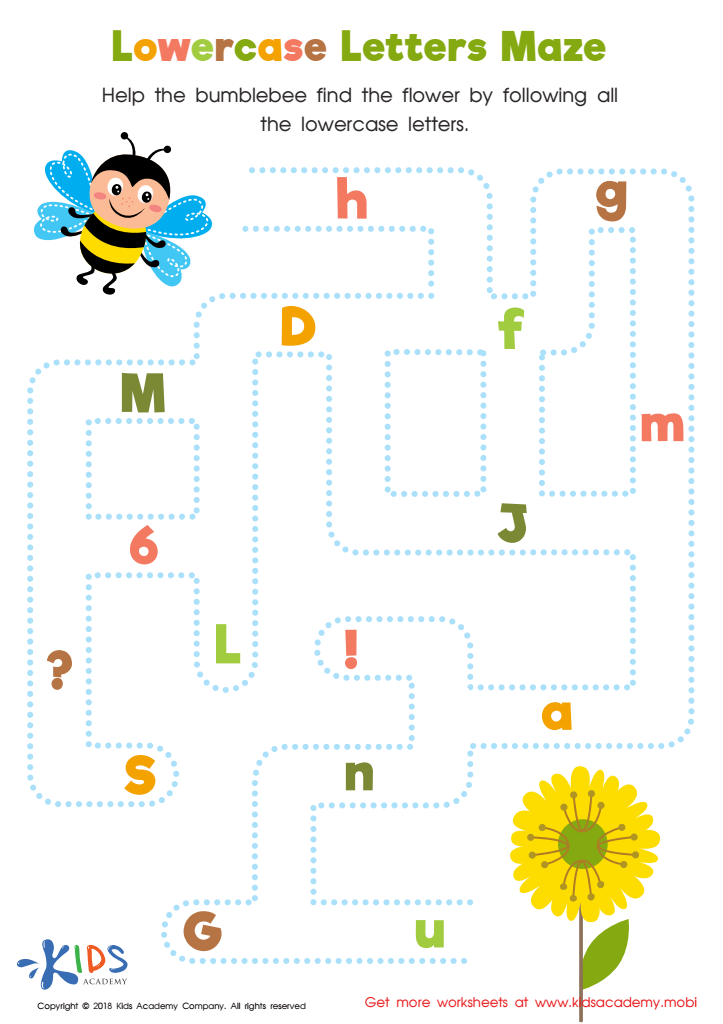
Lowercase Letters Maze Worksheet
 Assign to My Students
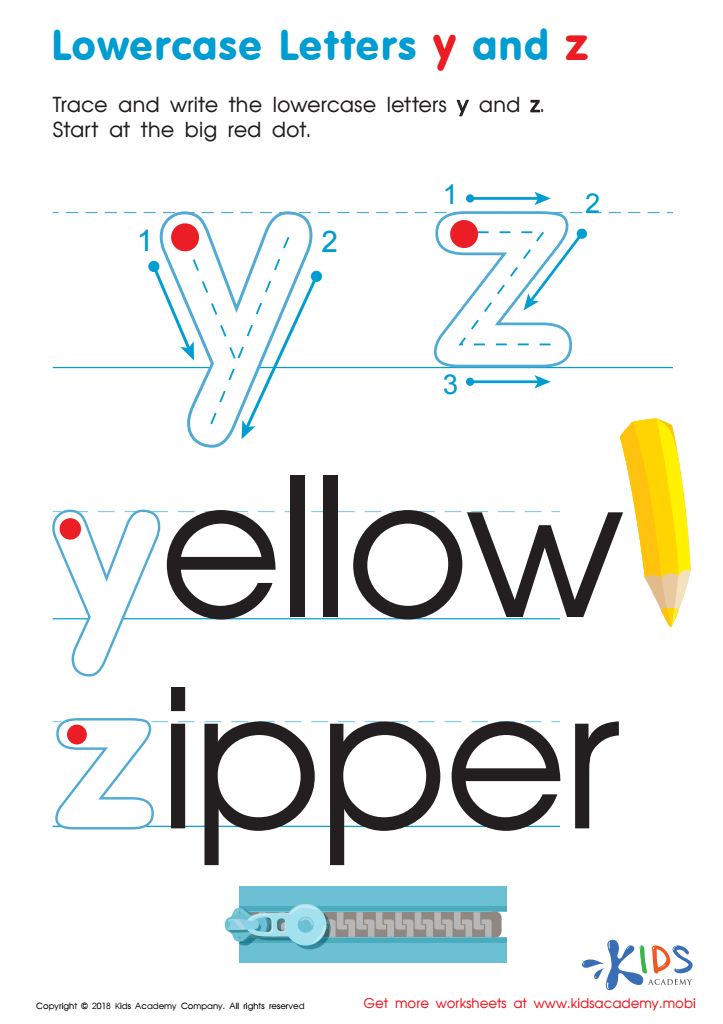
Lowercase Letters y z Worksheet
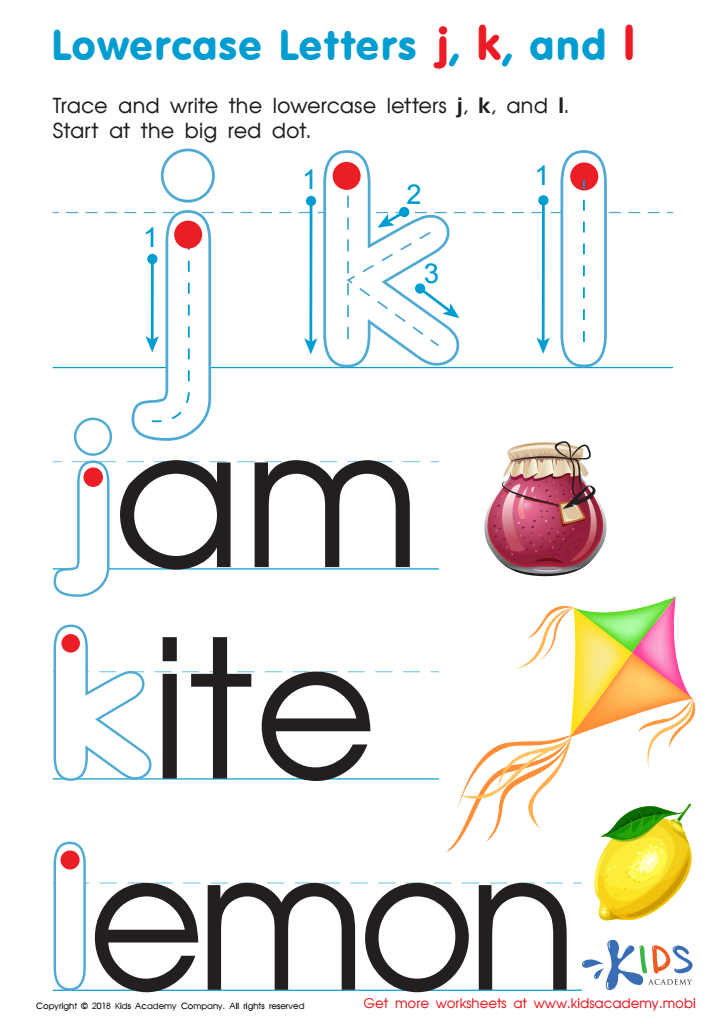
Lowercase Letters j k l Worksheet
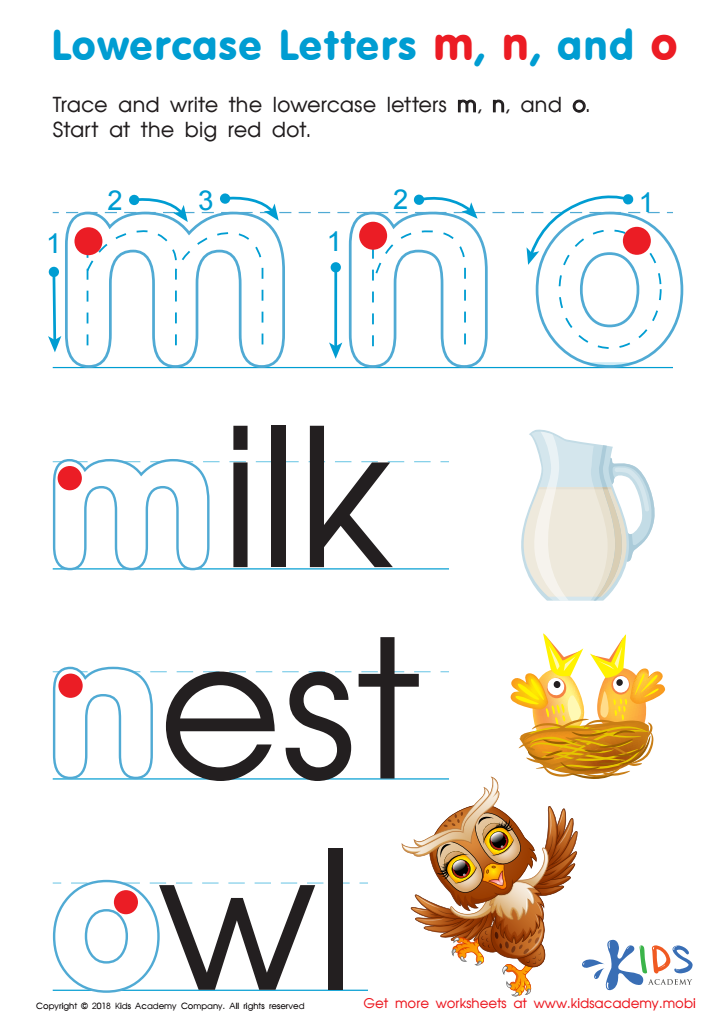
Lowercase Letters m n o Worksheet
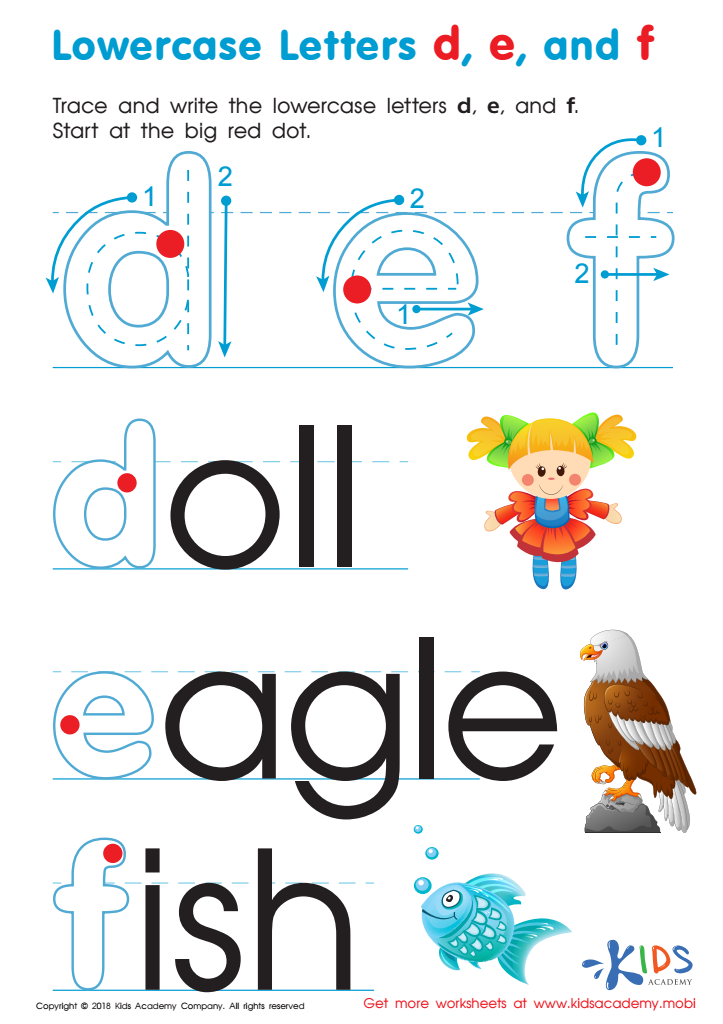
Lowercase Letters d e f Worksheet
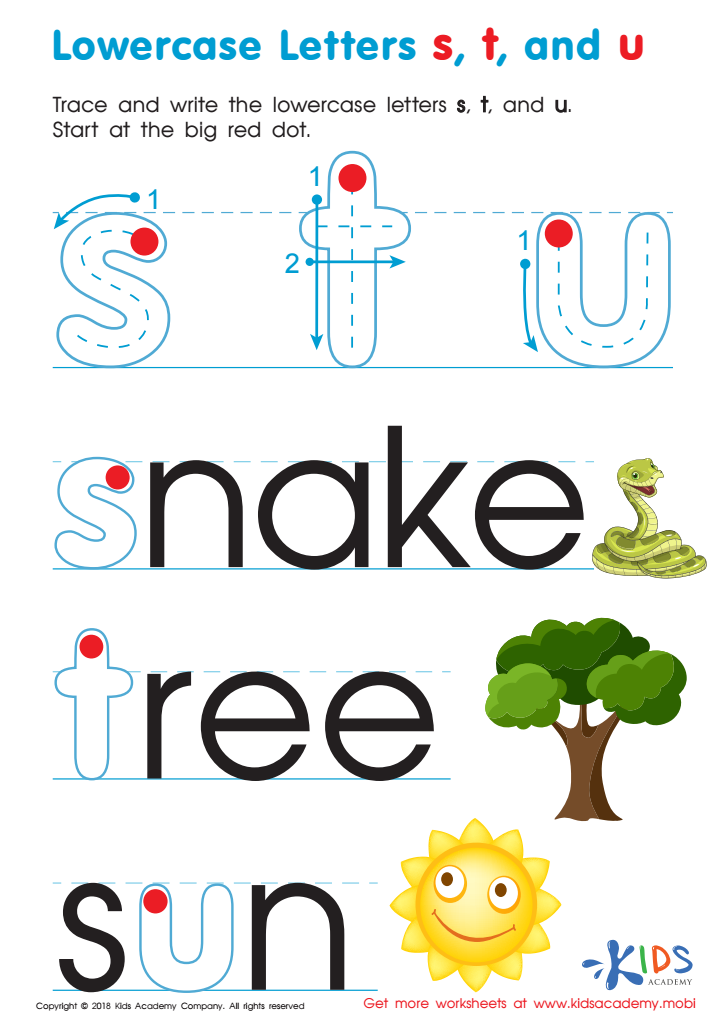
Lowercase Letters s t u Worksheet
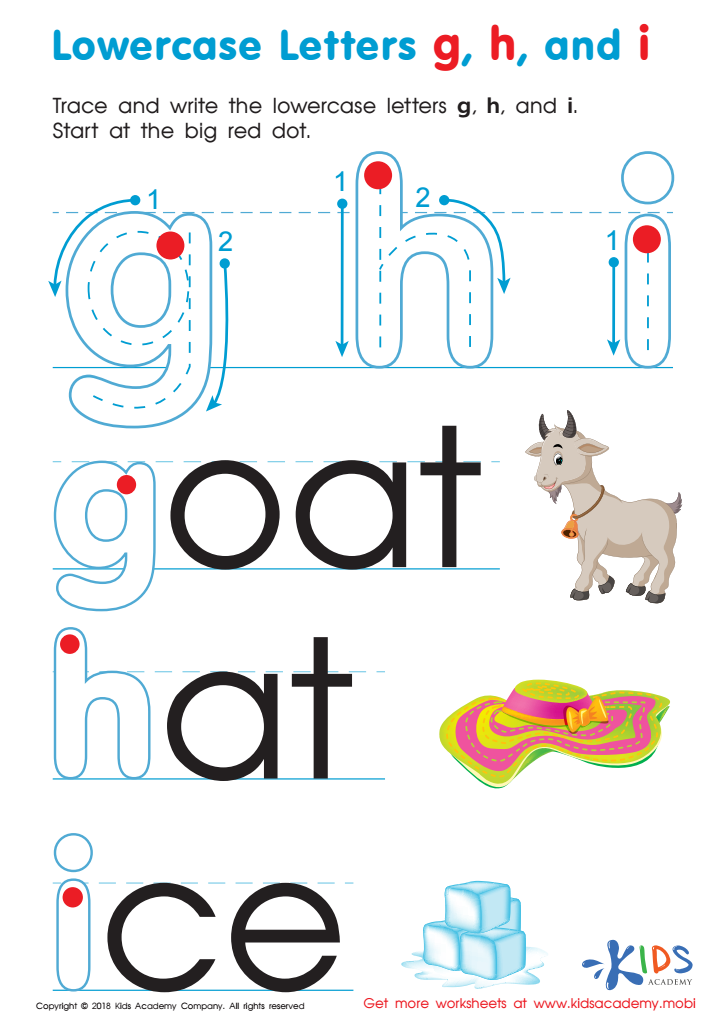
Lowercase Letters g h i Worksheet
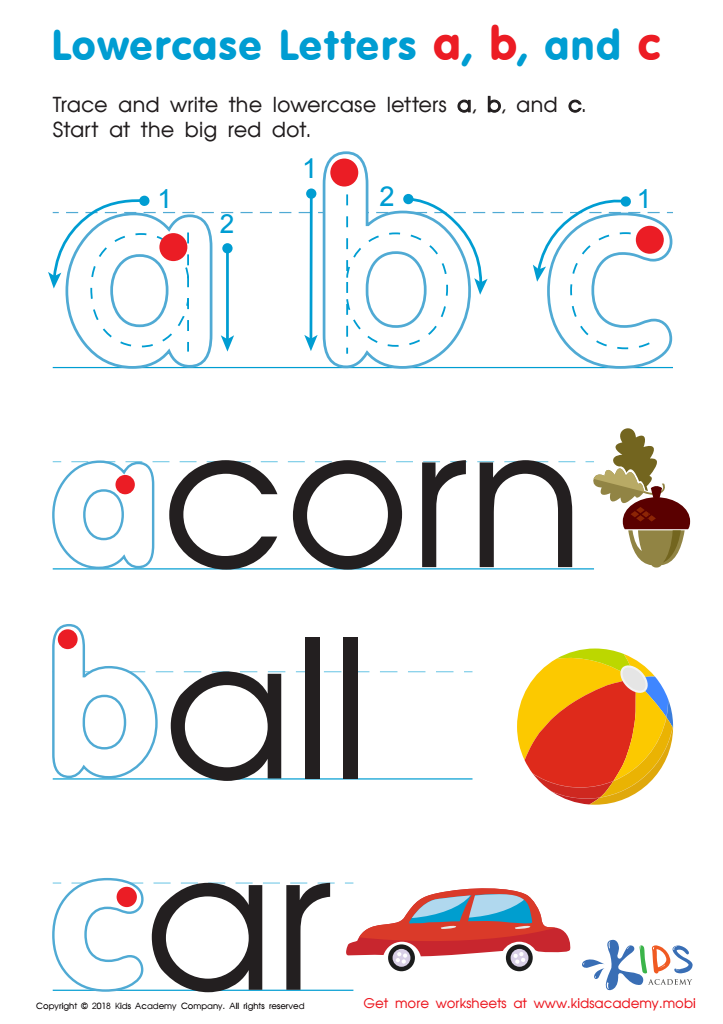
Lowercase Letters a b c Worksheet
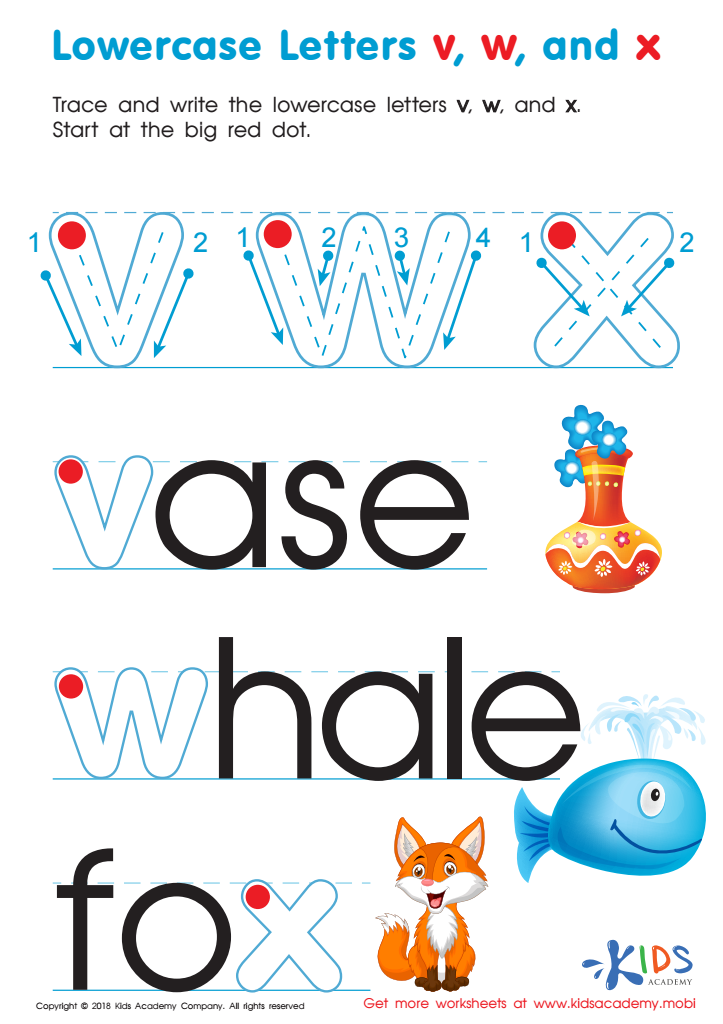
Lowercase Letters v w x Worksheet


Alphabet recognition, especially lowercase letters, is fundamental for children aged 4-9, as it lays the groundwork for reading and writing skills. At this crucial stage of literacy development, recognizing lowercase letters helps children understand and engage with written language.
Lowercase letters make up the majority of text in books, signs, and digital media that children encounter daily. Without recognizing these letters, kids may struggle to read simple words, hindering their confidence and motivation to learn. Mastery of lowercase letters fosters a sense of accomplishment and encourages them to explore reading independently.
Furthermore, learning lowercase letters aids in the development of fine motor skills through writing practice. Fine-tuning these skills helps prepare children for more complex tasks in the future.
For teachers and parents, nurturing lowercase letter recognition cultivates a love for language that can enhance communication skills and academic performance down the line. Engaging children through fun activities—such as games, books, and songs—can make this learning exciting. Overall, supporting alphabetical recognition is crucial in fostering literacy, critical thinking, and cognitive development, ensuring children grasp the building blocks of education as they progress into proficient readers and effective communicators.