Hand-eye Coordination Tracing Lines and Curves Worksheets for Ages 4-9
7 filtered results
-
From - To
Enhance your child's development with our hand-eye coordination tracing lines and curves worksheets for ages 4-9. Designed to improve dexterity and precision, these interactive activities help young learners master control over their hand movements while tracing various lines and shapes. Perfect for introducing early writing skills, these fun and engaging worksheets encourage fine motor skill development crucial for everyday tasks. Easy to download and print, each worksheet provides a stimulating and educational experience that supports your child's growth at their own pace. Visit today to boost your child’s hand-eye coordination with exciting tracing exercises!
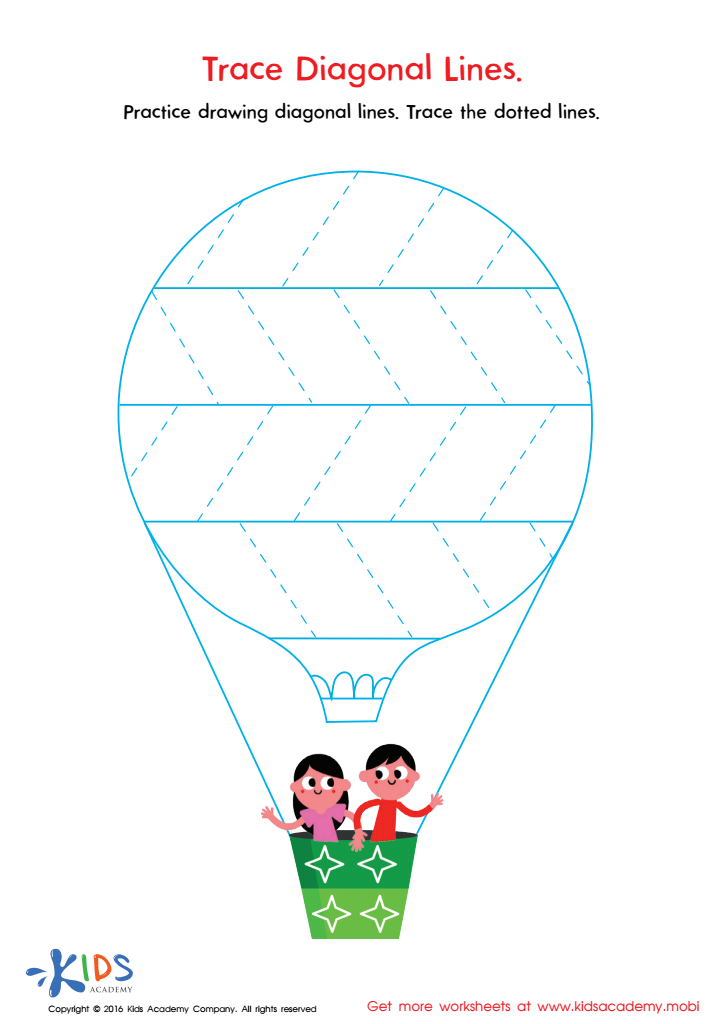
Trace Diagonal Lines Worksheet
 Assign to My Students
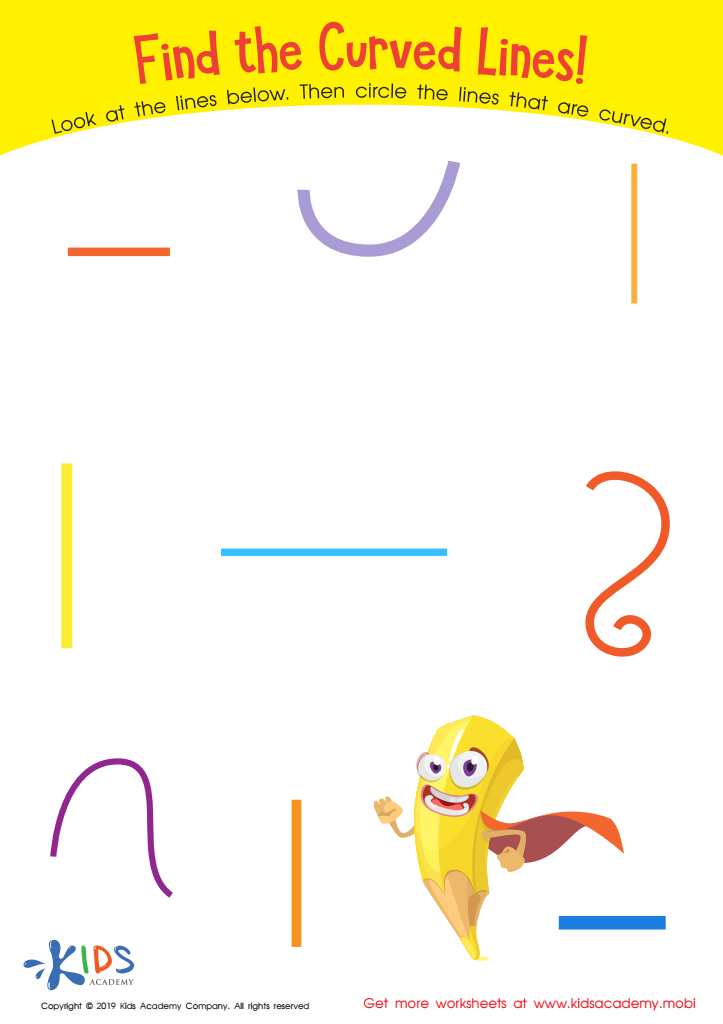
Find the Curved Lines! Worksheet
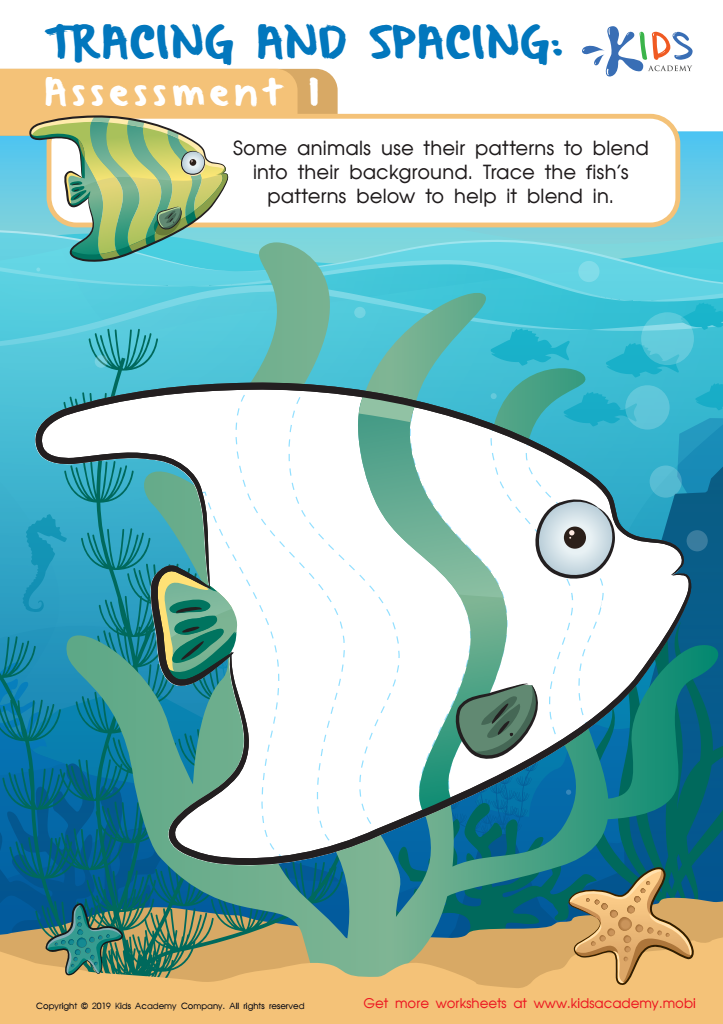
Tracing and Spacing: Assessment 1 Worksheet
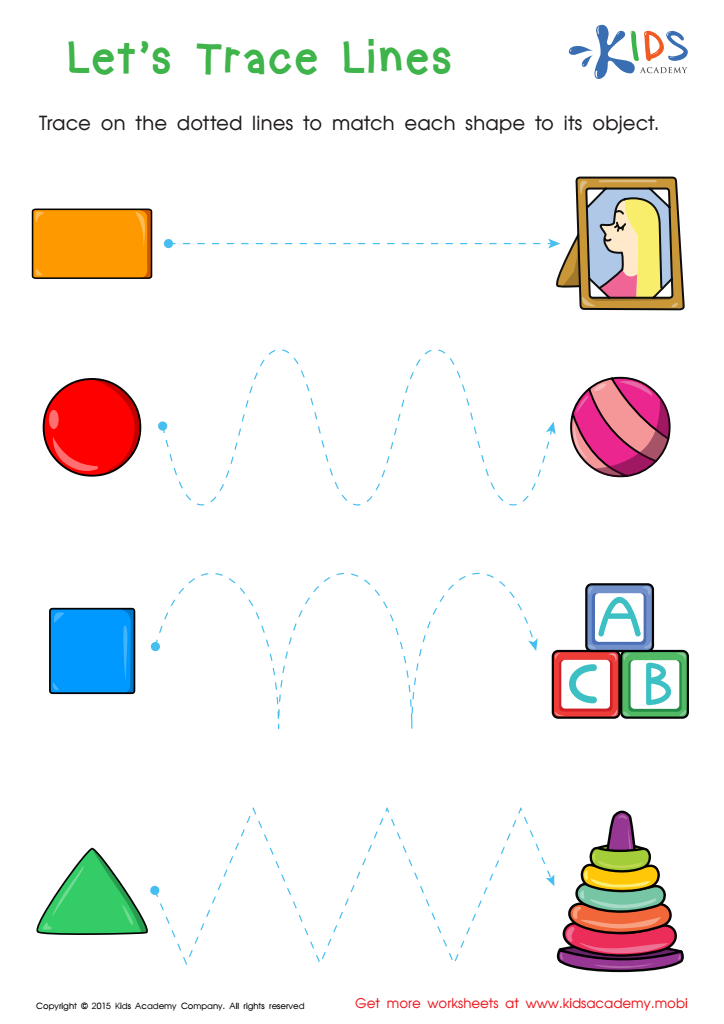
First Words: Let's Trace Lines Worksheet
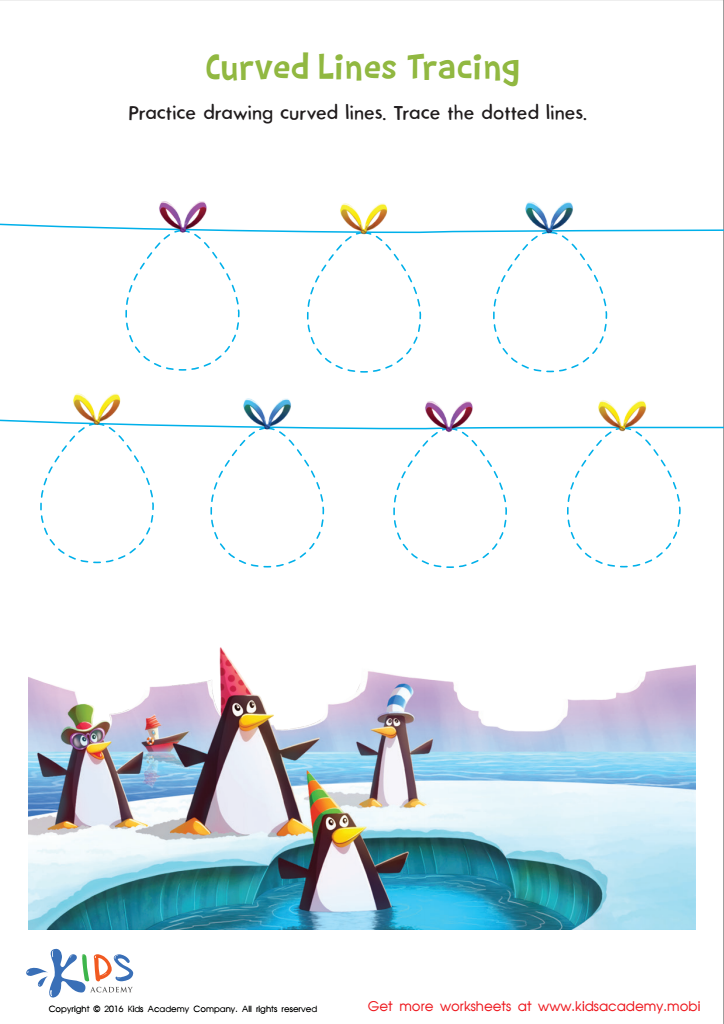
Curved Lines Tracing Worksheet
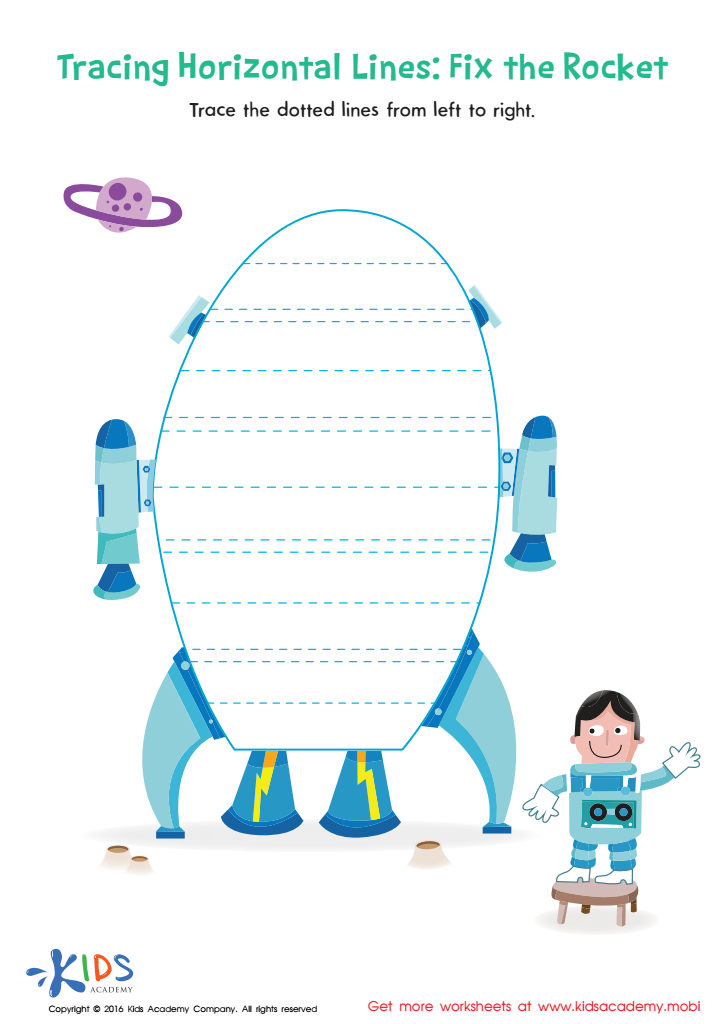
Tracing Horizontal Lines Worksheet
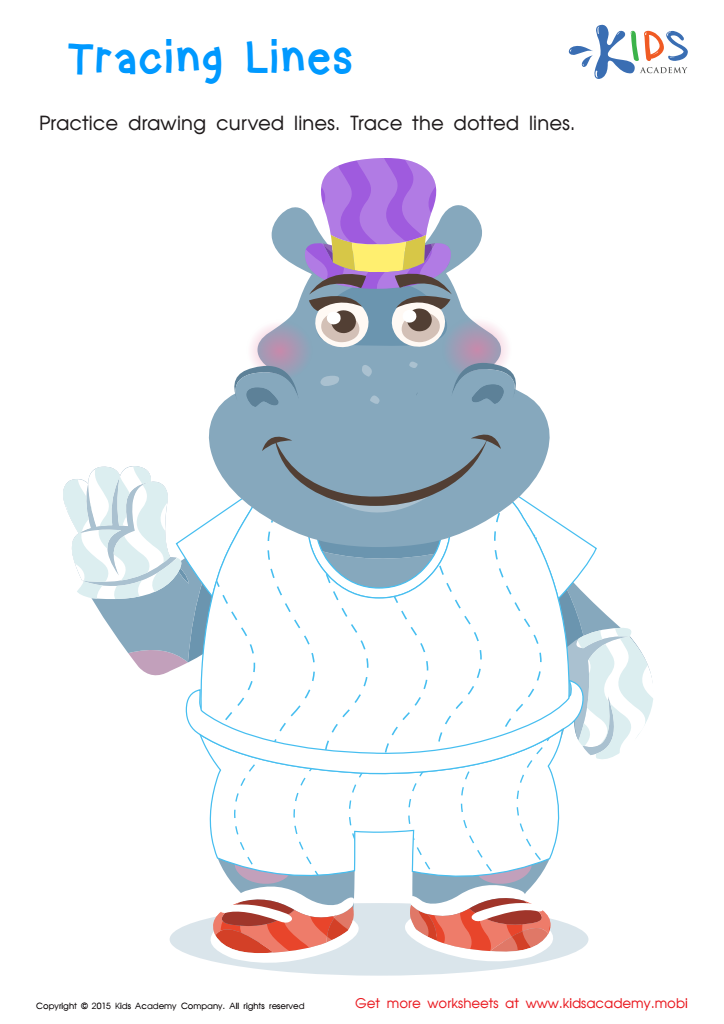
Tracing Lines Worksheet




Hand-eye coordination tracing lines and curves is an essential activity for children ages 4-9, serving as a foundational skill for several critical aspects of development. At this young age, kids are rapidly developing their fine motor skills, which involve the precise usage of small muscles in their hands and fingers. Tracing helps to refine these skills, enabling children to perform daily tasks more efficiently, such as dressing, eating, and eventually, writing.
Furthermore, hand-eye coordination exercises also enhance cognitive development by reinforcing the connections between visual inputs and motor actions. When tracing shapes, lines, and curves, children learn to control their hand movements in response to visual stimuli, which is a crucial step in developing effective reading and writing abilities. This kind of practice supports their ability to visualize letters, numbers, and shapes before reproducing them on paper, hence strengthening pre-writing skills.
Additionally, activities that boost hand-eye coordination often contribute to a child’s self-esteem and confidence. As they successfully complete tracing tasks, children experience a sense of accomplishment, promoting a positive attitude towards learning. Teachers and parents should thus prioritize these exercises not only for the developmental dexterity they nurture but also for their role in creating confident, capable learners ready to tackle more complex academic and life skills as they grow.








