Following instructions Color by Numbers Worksheets for Ages 4-9
10 filtered results
-
From - To
Discover our engaging "Following Instructions Color by Numbers Worksheets" designed specifically for children aged 4-9! These fun, interactive worksheets help young learners enhance their ability to follow directions while developing essential skills in color recognition and number identification. Each page encourages creativity, allowing kids to express themselves artistically while reinforcing their understanding of sequencing. Perfect for classroom use or at-home learning, these worksheets provide a fantastic way for children to practice following instructions and improve focus. Let your child enjoy hours of creative learning as they bring vibrant images to life, all while mastering important foundational skills!
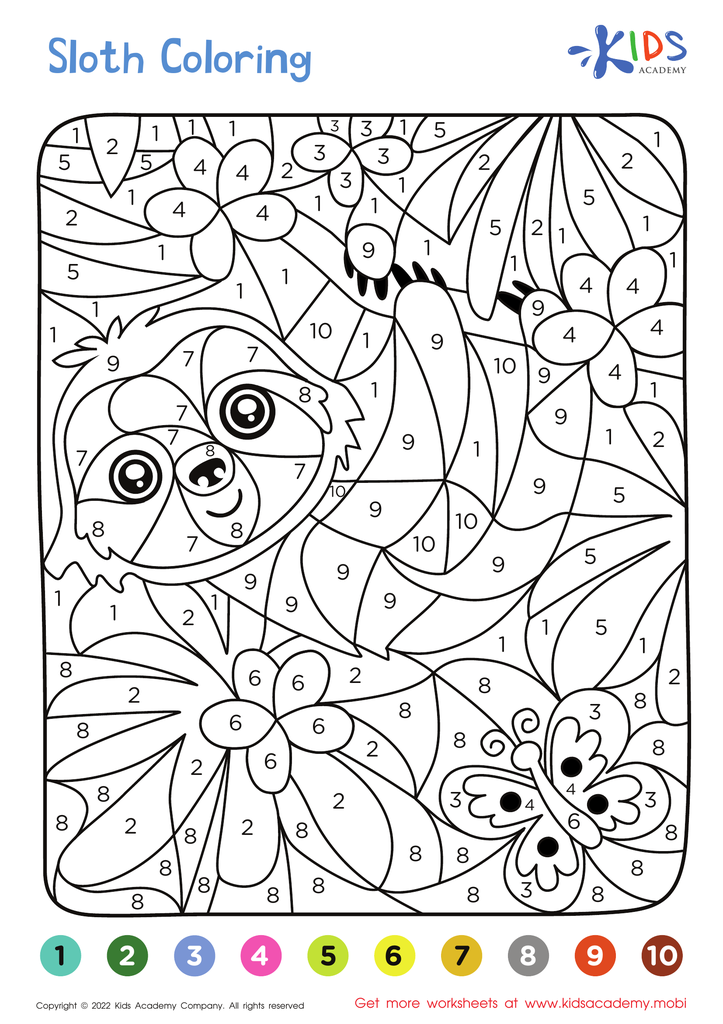
Sloth – Coloring by Numbers
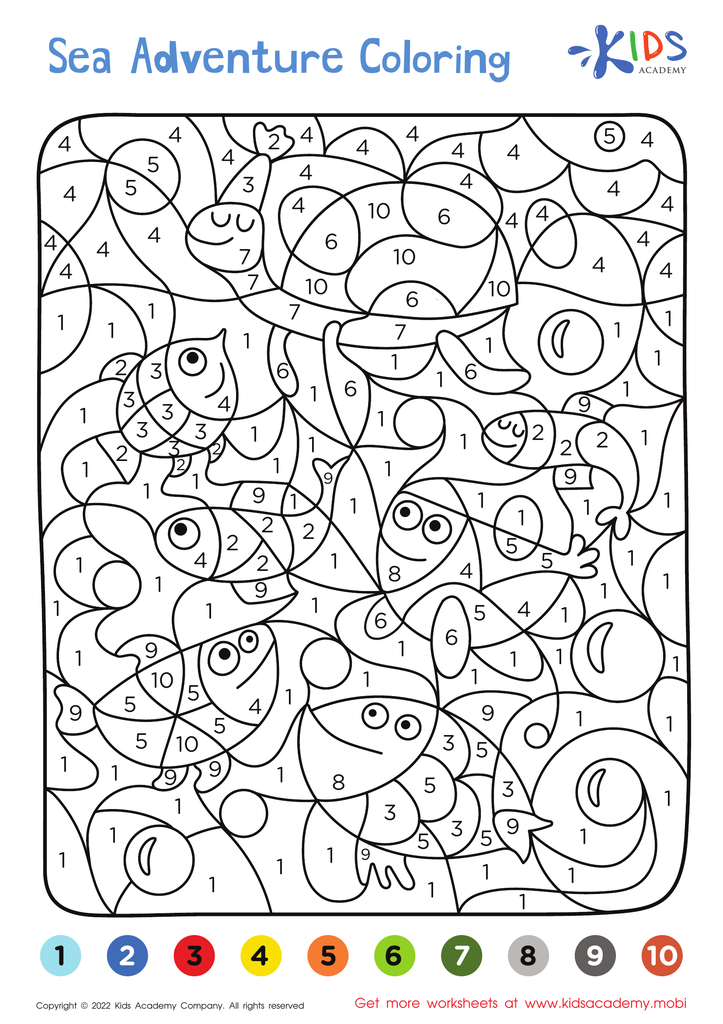
Sea Adventure – Coloring by Numbers
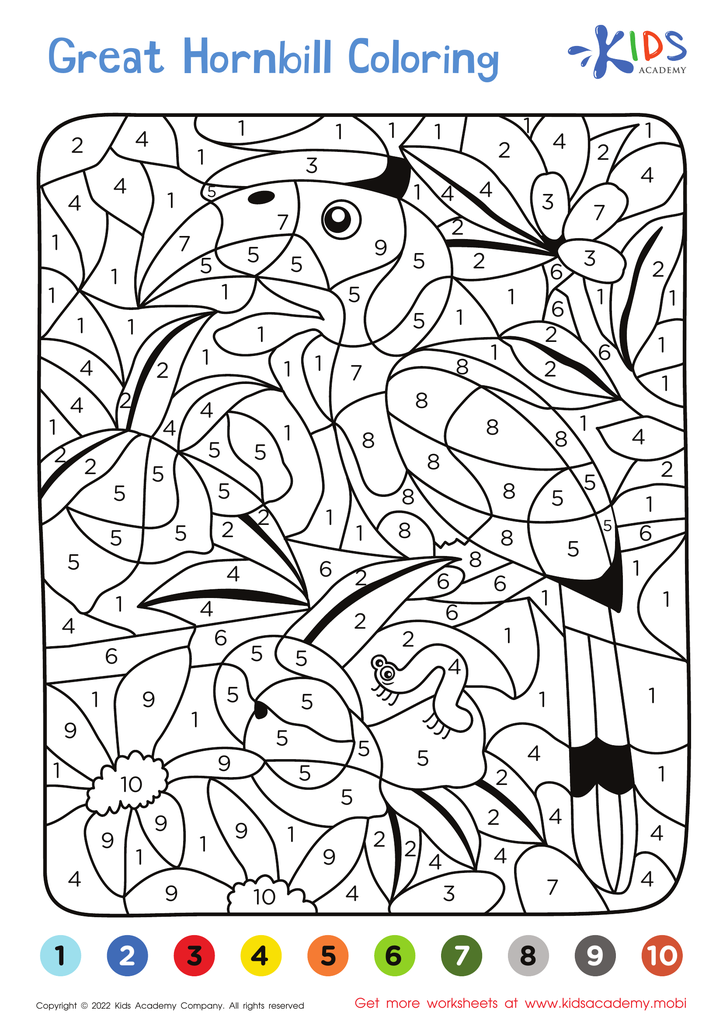
Great Hornbill – Coloring by Numbers
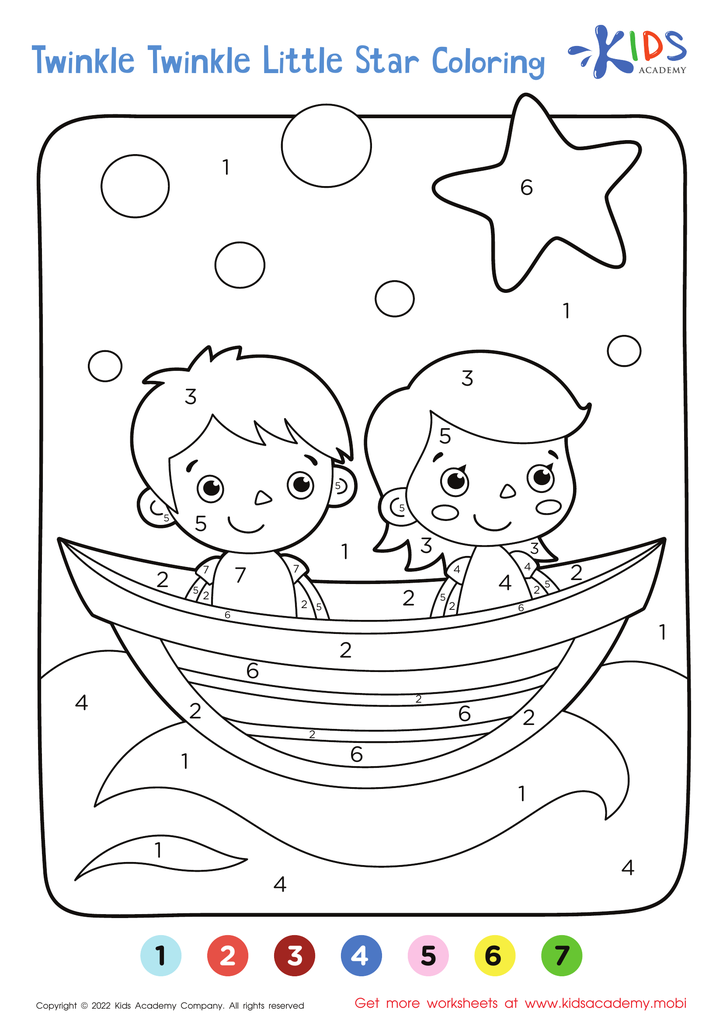
Twinkle, Twinkle, Little Star – Coloring by Numbers
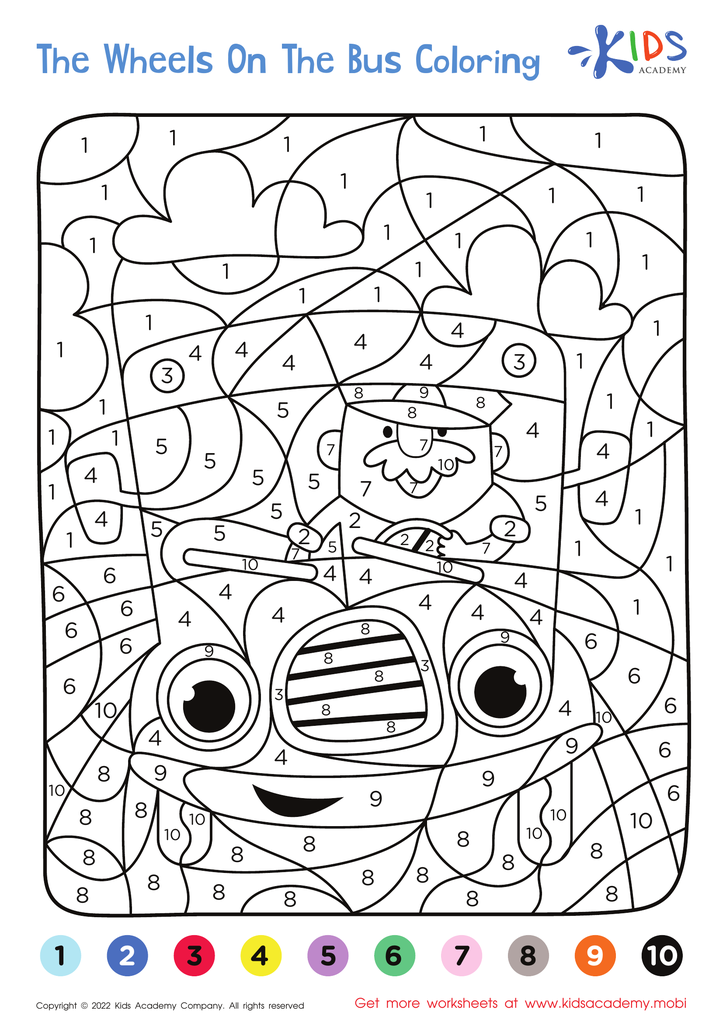
Wheels on the Bus – Coloring by Numbers
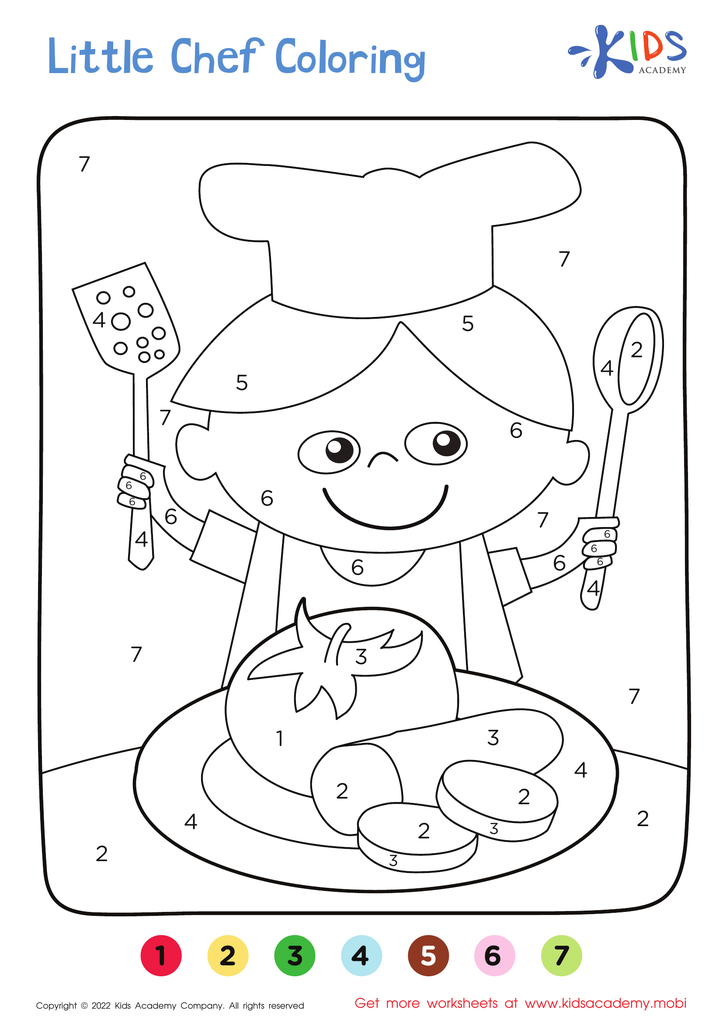
Little Chef – Coloring by Numbers
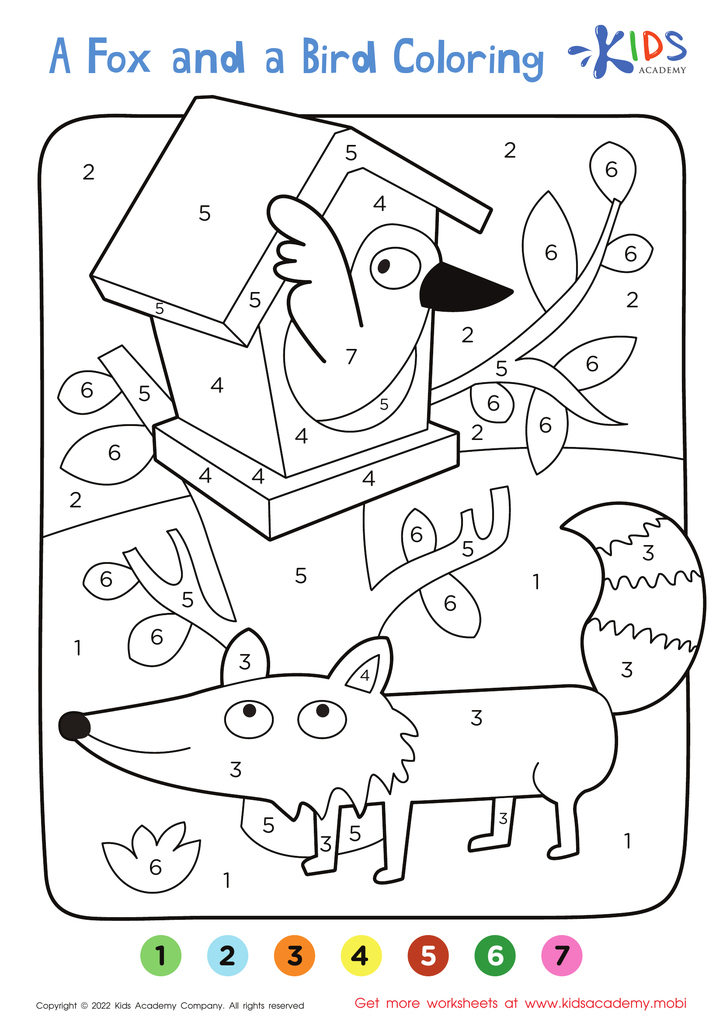
A Fox and a Bird – Coloring by Numbers
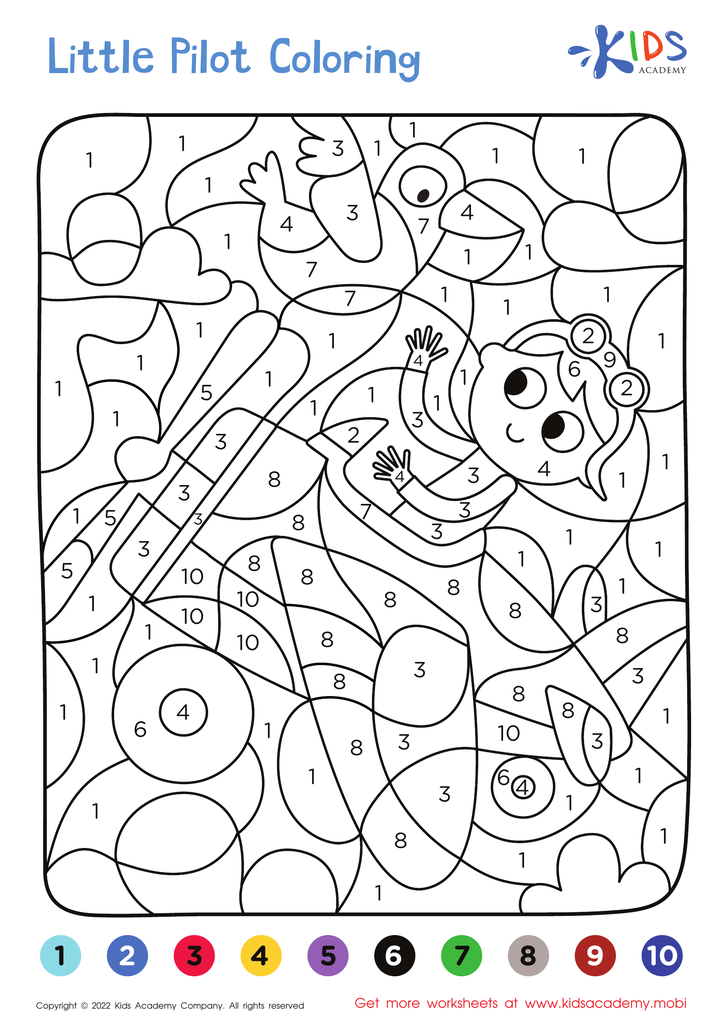
Little Pilot – Coloring by Numbers
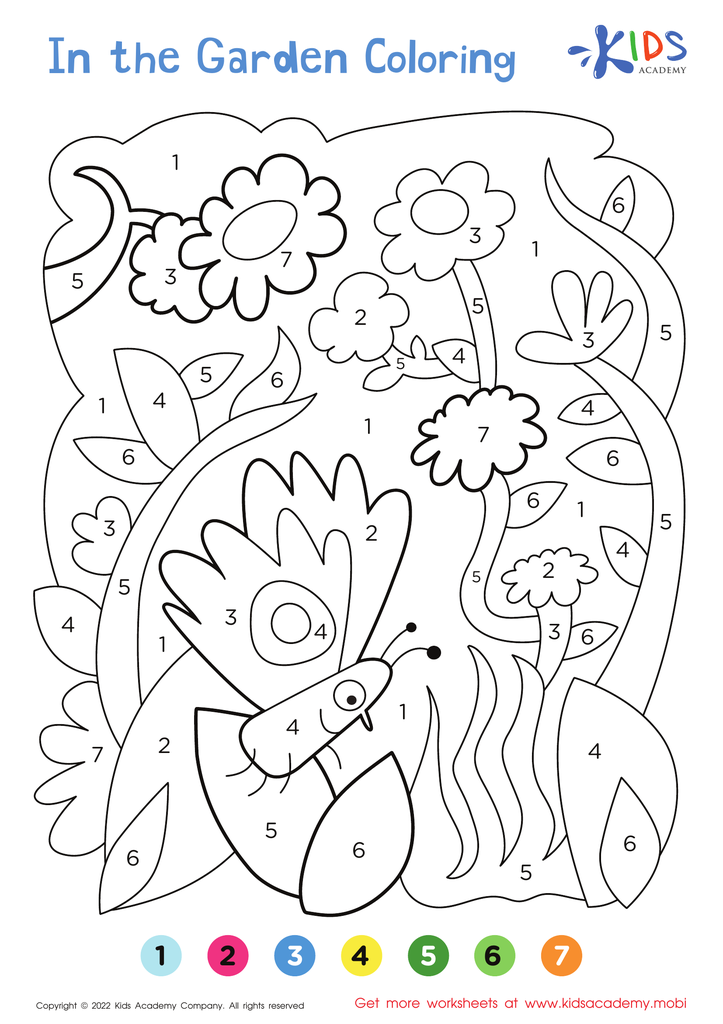
In the Garden – Coloring by Numbers
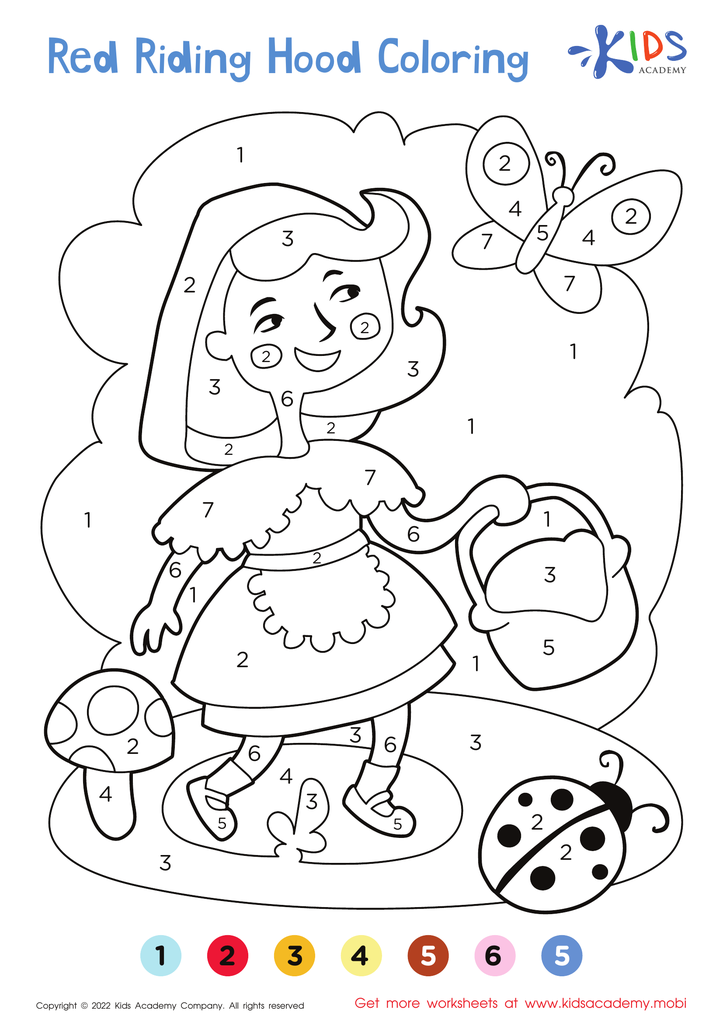
Little Red Riding Hood – Coloring by Numbers



.jpg)
Following instructions through activities like Color by Numbers is essential for children aged 4-9, as it fosters several key cognitive and social skills. First and foremost, this activity encourages the practice of fine motor skills as children learn to color within designated areas, improving their hand-eye coordination and dexterity. Additionally, precise adherence to instructions teaches responsibility and the value of following guidelines, which are fundamental life skills.
Color by Numbers also enhances cognitive abilities, such as pattern recognition and problem-solving. As children match numbers to colors, they strengthen their understanding of numerals and colors, which are foundational concepts in early mathematics and literacy. This activity can also promote patience and concentration, as it often requires sustained focus to complete a picture.
Moreover, engaging in such creative tasks as Color by Numbers can facilitate discussions between parents, teachers, and children, promoting a nurturing learning environment. It often becomes a shared activity, reinforcing parent-child or teacher-student bonds. Ultimately, Color by Numbers is not just a fun pastime; it is an educational tool that supports comprehensive development, preparing children for future academic tasks and social interactions. All these benefits make it important for parents and teachers to encourage such activities.