Fine Motor Skills Color Words Worksheets for Ages 4-9
4 filtered results
-
From - To
Discover our engaging "Fine Motor Skills Color Words Worksheets" designed specifically for children ages 4-9! These worksheets promote the essential development of fine motor skills while introducing young learners to color vocabulary. Each worksheet incorporates fun activities such as tracing, coloring, and shaping, helping kids enhance their hand-eye coordination and dexterity. Perfect for both classroom settings and at-home learning, our resources create an enjoyable educational experience. Encourage creativity and language acquisition in your little ones by exploring the vibrant world of colors—where every stroke of crayon or pencil strengthens their skills. Engage, learn, and grow with our specially crafted worksheets today!
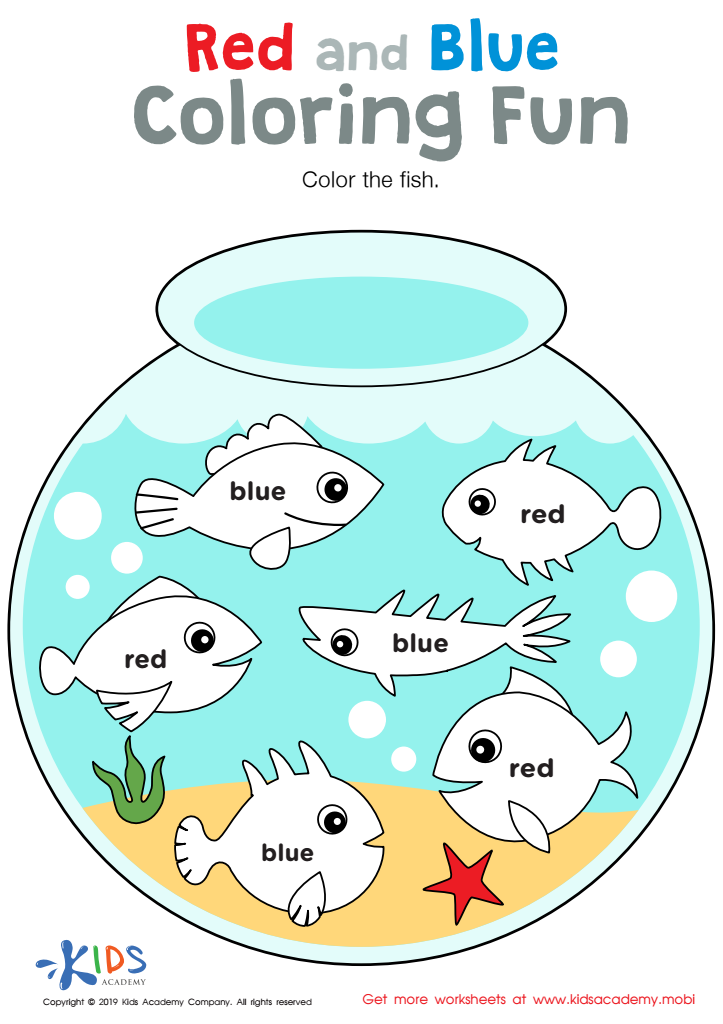
Red and Blue Coloring Fun Worksheet
 Assign to My Students
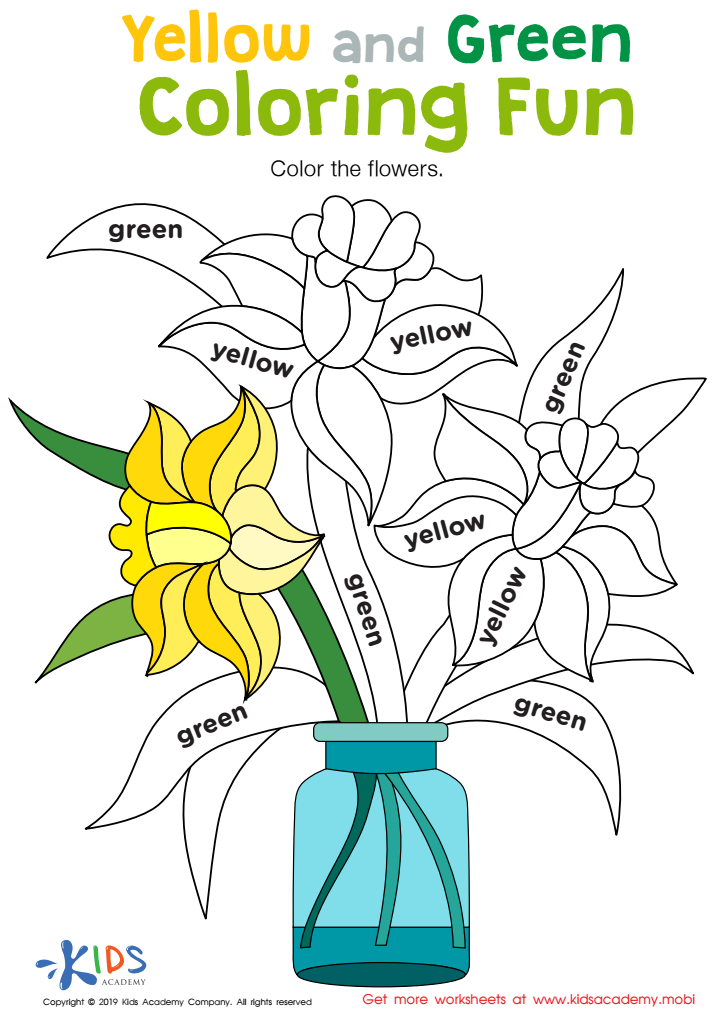
Yellow and Green Coloring Fun Worksheet
Assign to My Students
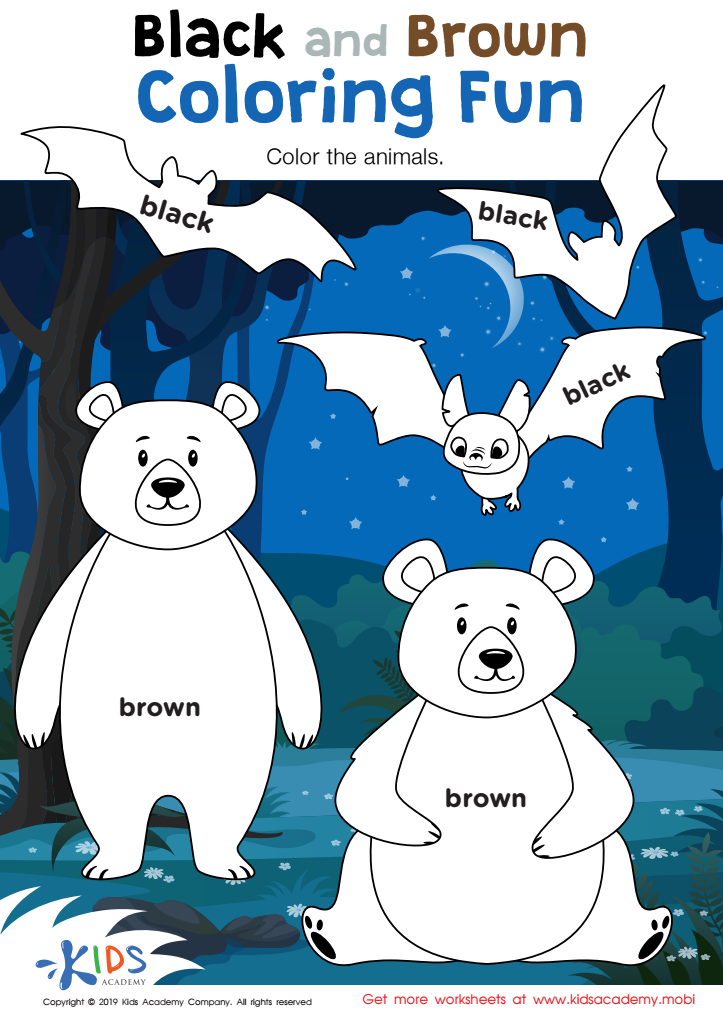
Black and Brown Coloring Fun Worksheet
Assign to My Students
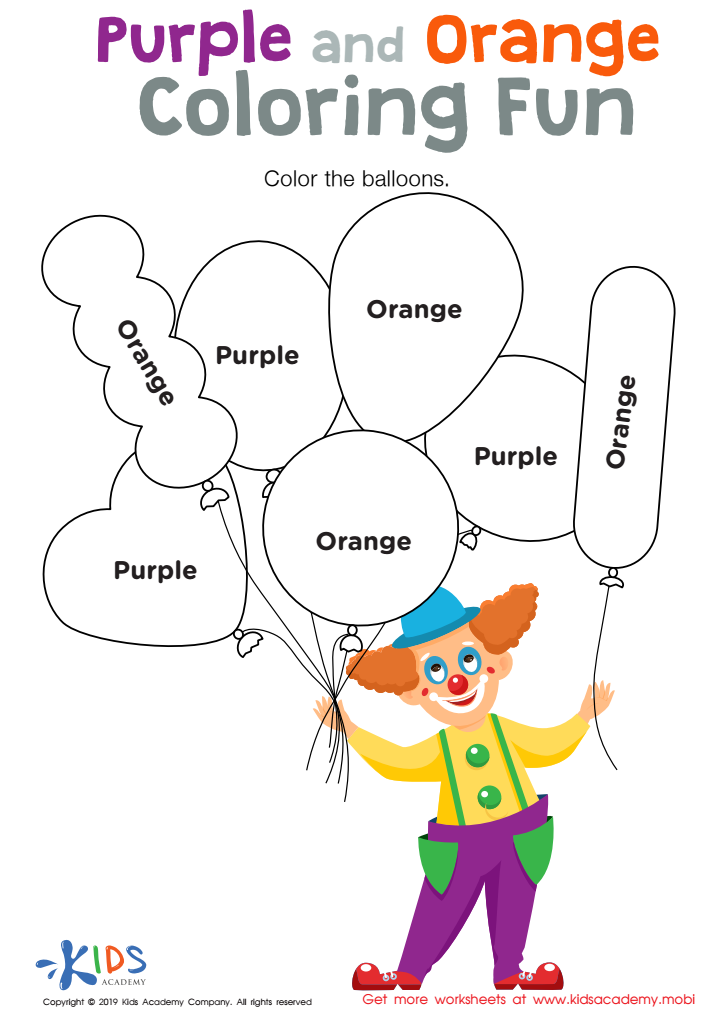
Purple and Orange Coloring Fun Worksheet
Assign to My Students



Fine motor skills are critical for children's overall development, particularly during ages 4-9 when they are building the foundational abilities necessary for future learning. Activities incorporating fine motor skills, such as writing, drawing, and manipulating small objects, help children improve hand-eye coordination, dexterity, and spatial awareness. Understanding color words significantly enhances these skills, as it allows children to describe and categorize their creative expressions, promoting cognitive development alongside physical skills.
Parents and teachers should care about the intersection of fine motor skills and color words because these competencies work hand-in-hand to foster not only artistic abilities but also critical literacy and language skills. By encouraging children to express themselves through color-based art projects, such as coloring worksheets or crafts, they can practice their fine motor tasks while simultaneously expanding their vocabulary and comprehension skills.
Additionally, color words can add an engaging narrative dimension to fine motor activities, making learning enjoyable and encouraging participation. Parents and teachers can create supportive environments where children examine colors in their surroundings, thereby making connections between language and experience. Prioritizing these skills nurtures a well-rounded educational journey, empowering children for future academic success and lifelong learning.








