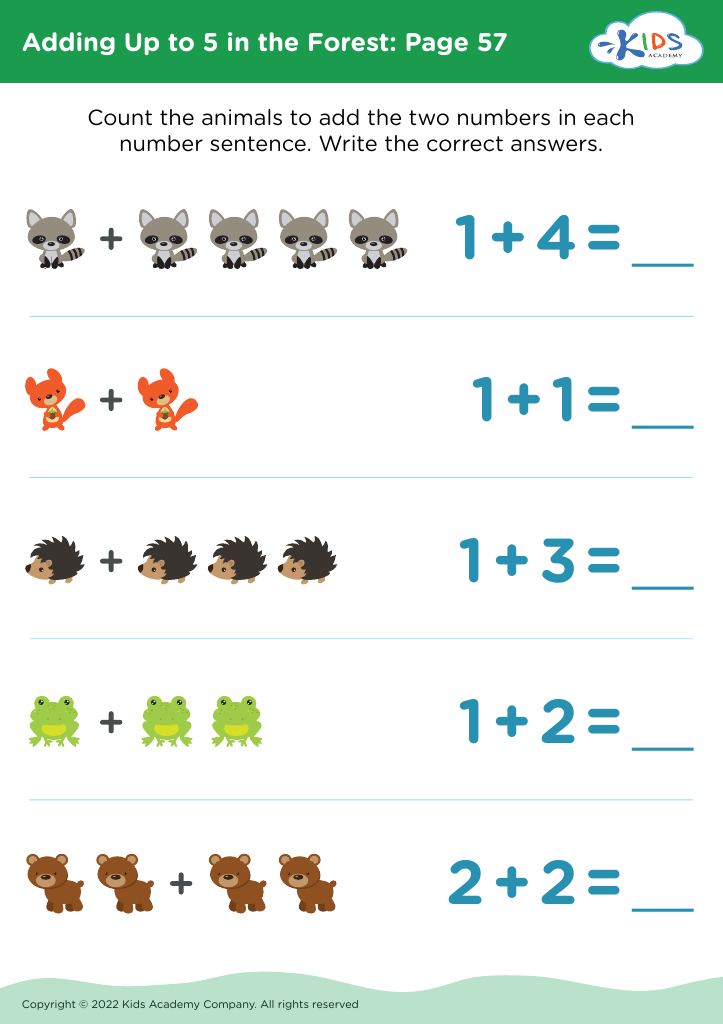







Animal recognition is a vital aspect of early childhood education, particularly for children ages 4-9. Parents and teachers should care about facilitating this learning for several reasons. First, animal recognition fosters cognitive development. Children develop critical thinking and observational skills as they learn to identify different animals, including recognizing their physical traits, habitats, and behaviors.
Second, it contributes to emotional intelligence. As children recognize animals and understand their needs and behaviors, they cultivate empathy and compassion. A child who learns about pets, wildlife, or farm animals often develops a greater appreciation for the living world around them.
Additionally, animal recognition can enhance vocabulary and language development. Engaging with animal names, characteristics, and sounds enriches a child's spoken and written language skills, providing a strong foundation for communication.
Moreover, teaching kids about animals often ignites a lifelong interest in biology and environmental science. Understanding ecosystems and animals contributes to a sense of responsibility towards wildlife conservation, promoting awareness of ecological issues.
In conclusion, fostering animal recognition among young children not only supports various developmental domains but also plants the seeds for a generation that values and preserves the diverse creatures that share our planet.








