Basic Math Skills Worksheets for Ages 4-9 - Page 9
198 filtered results
-
From - To
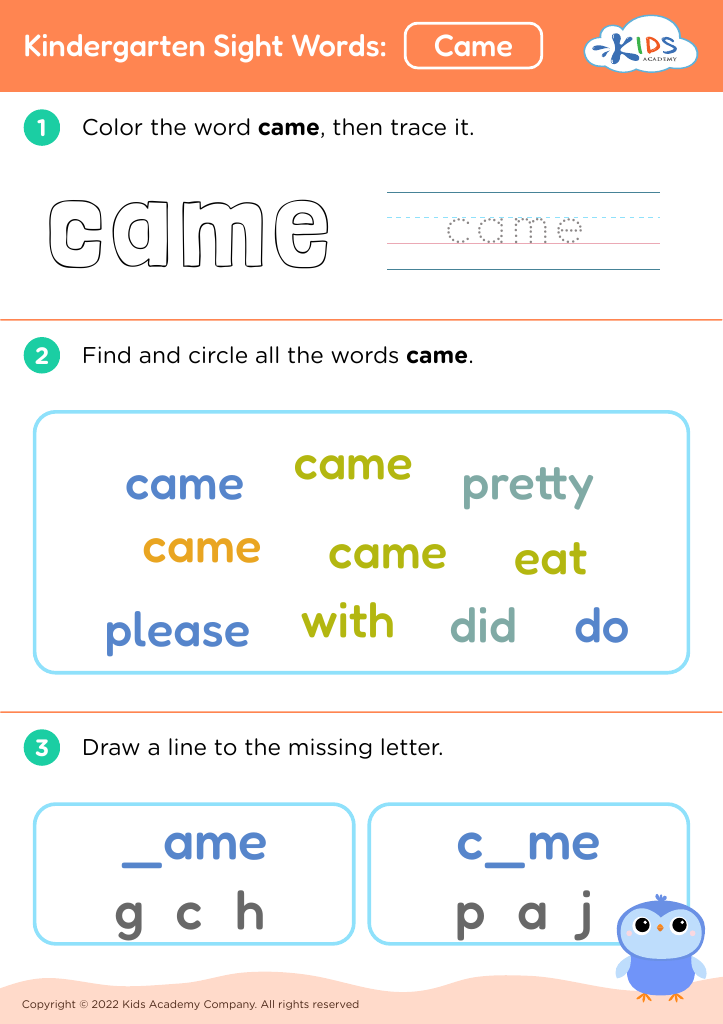
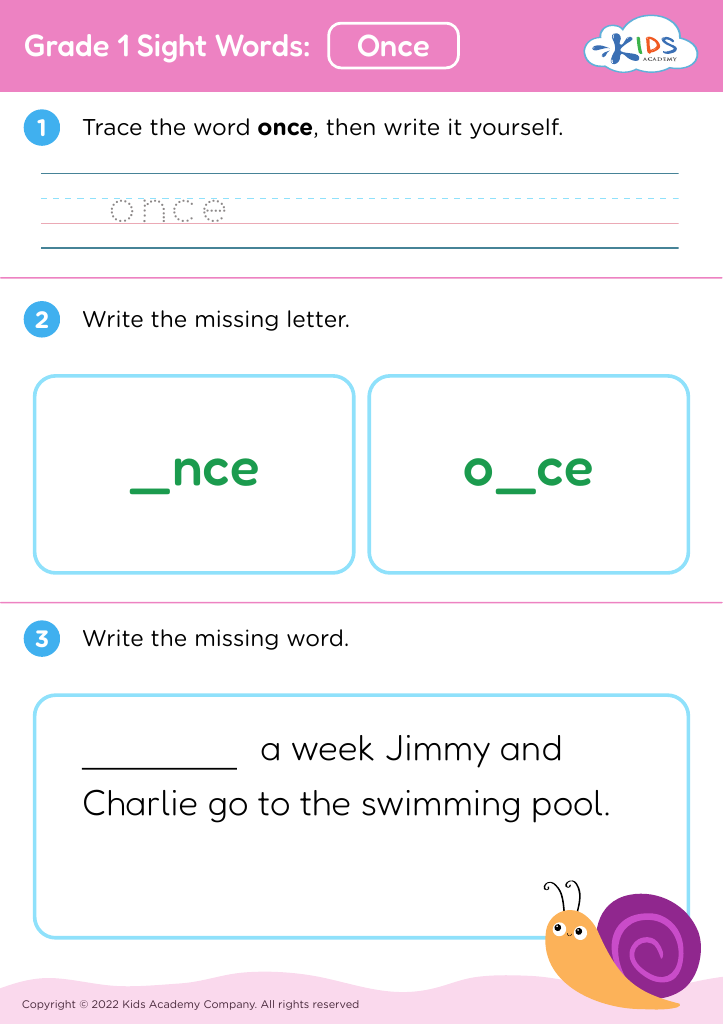







Basic math skills are essential for children aged 4-9 as they form the foundational building blocks for future learning and everyday problem-solving. During these formative years, children's cognitive development is at its peak, making it an ideal stage for nurturing mathematical understanding. Skills like counting, addition, subtraction, patterns, and shape recognition not only enhance numerical ability but also promote critical thinking, logic, and reasoning.
Additionally, early math proficiency has been linked to later academic success, with studies indicating that children who develop strong math skills in early childhood tend to perform better in higher grades. Parents and teachers should care deeply about fostering these skills because they influence a child’s confidence and enthusiasm towards learning.
Moreover, basic math concepts are part of daily life—whether budgeting, cooking, or planning. As such, instilling these skills encourages practical problem-solving abilities and supports a child’s ability to interact with the world around them. Engaging in math activities can also strengthen parent-teacher relationships, creating a community that values education. Overall, investing in basic math skills for young children pays dividends not just academically, but also in their overall life skills and emotional development.








