
Basic physics concepts Worksheets for Ages 4-9
3 filtered results
Difficulty Level
Grade
Age
-
From - To
Subject
Activity
Standards
Discover our engaging Basic Physics Concepts Worksheets designed specifically for children aged 4-9. These printable resources introduce fundamental physics ideas through fun and interactive activities that foster curiosity and understanding. Kids will explore essential topics such as motion, forces, energy, and simple machines, all tailored to enhance their comprehension in a playful way. Our worksheets promote critical thinking and problem-solving skills, making learning both enjoyable and effective. Ideal for classroom use or at-home learning, these materials encourage young learners to experiment and investigate the world around them while developing a solid foundation in the principles of physics. Start your child’s STEM journey today!
Favorites
With answer key
Interactive
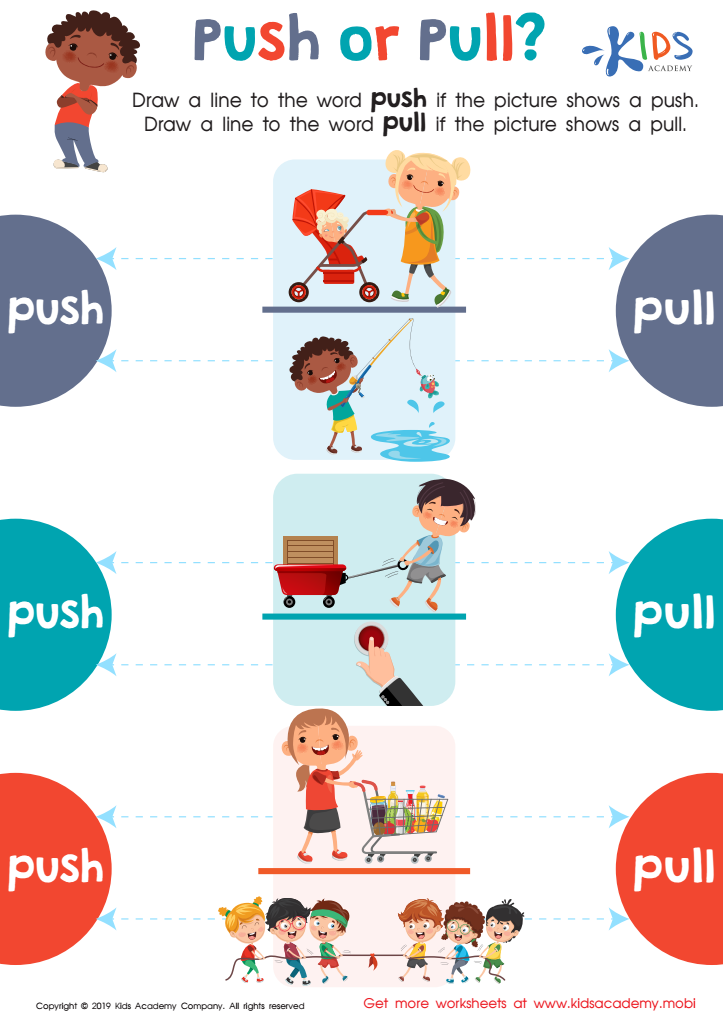
Push or Pull? Worksheet
Young kids may struggle to differentiate push and pull. When they start writing, they may use them interchangeably and wrongly. This worksheet clarifies the concepts: pushing means moving something away, pulling means bringing something closer. It provides pictures and traceable lines for kids to connect each image to the correct word. This helps them understand and remember the difference for future writing and reading.
 Assign to My Students
Push or Pull? Worksheet
Worksheet
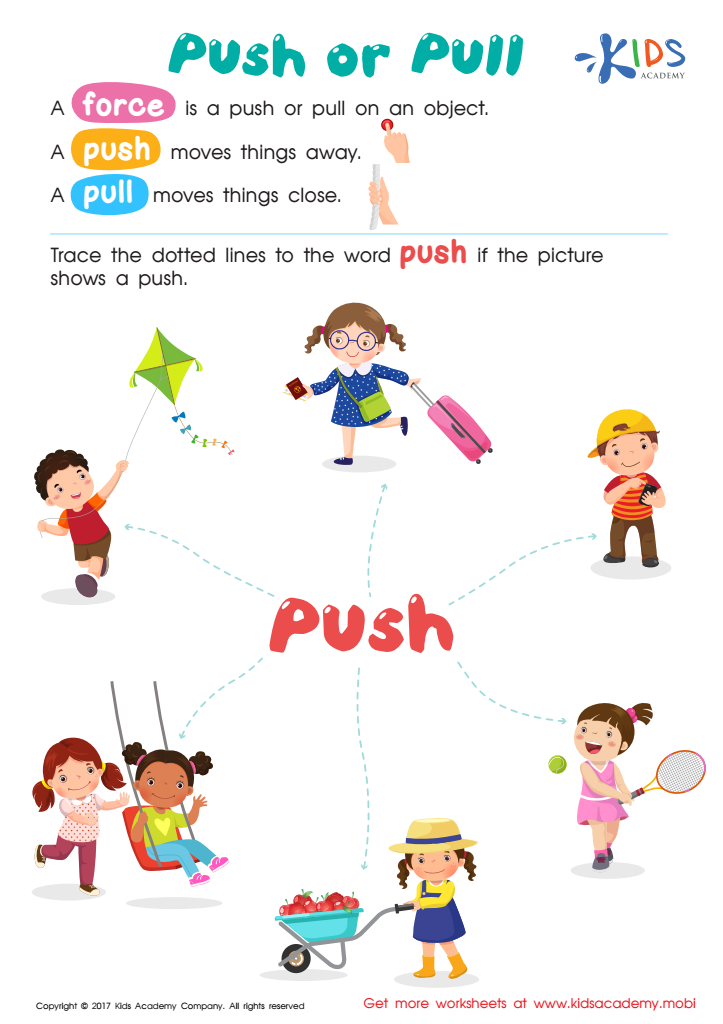
Push or Pull Worksheet
and which involve pulling! With this fun worksheet, your child will learn about force and its simple application in everyday activities. Get them started with Push or Pull! (80 words)
Push or Pull Worksheet
Worksheet
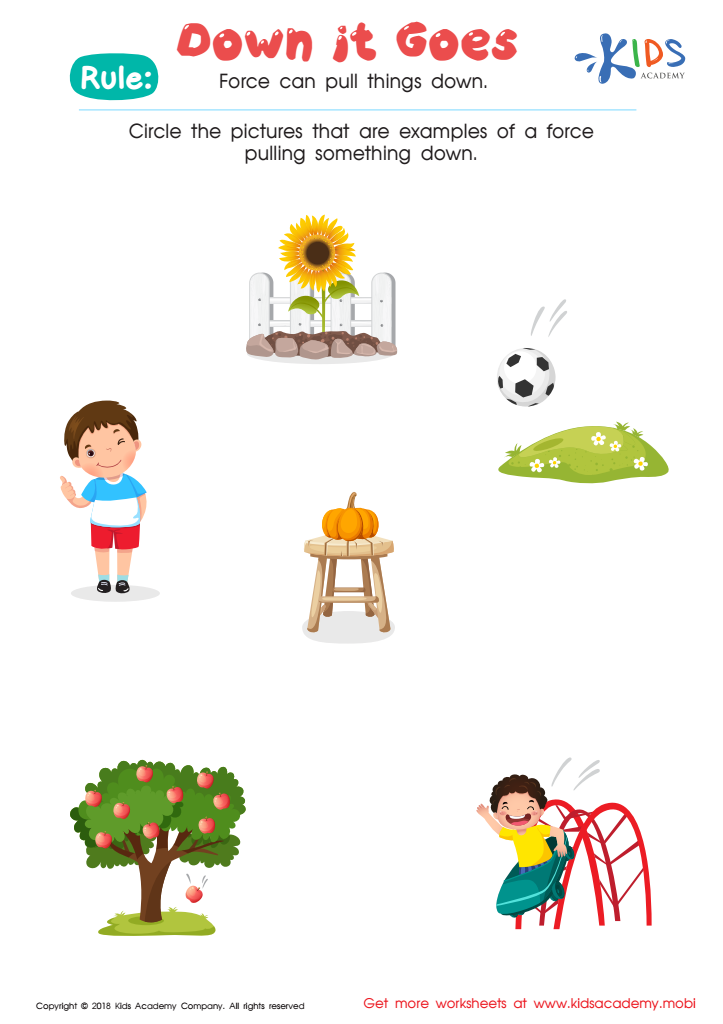
Down it Goes Worksheet
Explain gravity to your child using this fun worksheet. Ask them to give examples of things pulled down with force, then instruct them to circle the pictures that show this. It's a great way to help them understand the concept of gravity.
Down it Goes Worksheet
Worksheet
Join Kids Academy for Free
Who is primarily going to use this learning content?





Understanding basic physics concepts is crucial for children aged 4-9 as it lays the foundation for their critical thinking and problem-solving skills. At this developmental stage, children are naturally curious and eager to explore the world around them. Introducing them to basic physics concepts, such as gravity, force, motion, and energy, helps satisfy their innate curiosity and encourages a lifelong love for science.
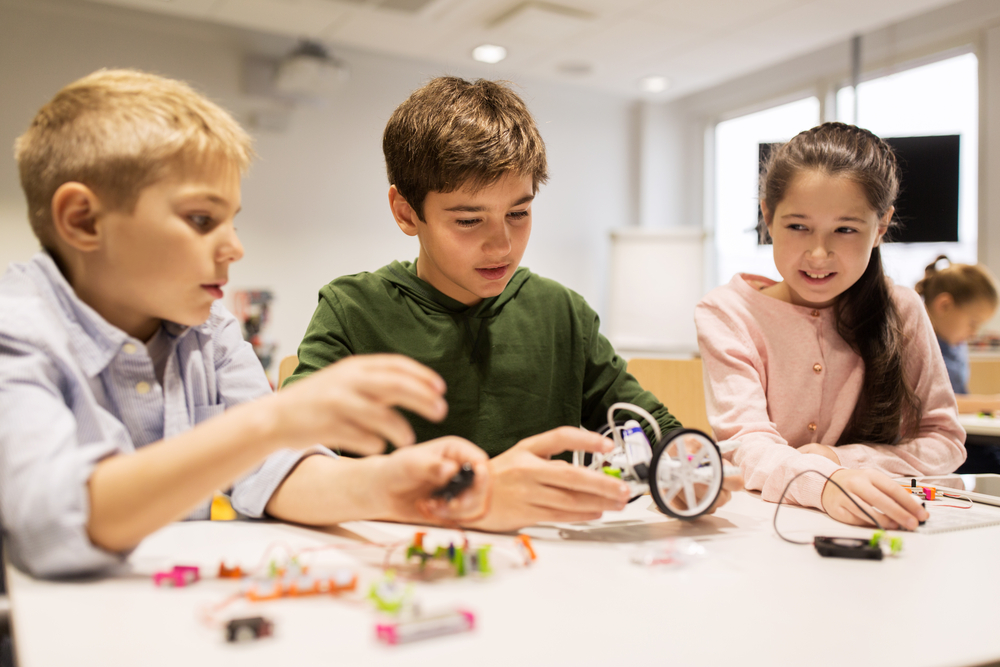
Moreover, interactive and hands-on learning experiences can enhance children's engagement. Simple activities, such as building blocks, ramps, or experiments with balloons, can make physics fun and accessible. These activities not only develop their motor skills but also foster creativity and experimentation.
Parents and teachers play a pivotal role by integrating physics into everyday conversations and activities. When they encourage questions and discussions about how objects move or why certain events happen, they nurture critical analytical skills and deepen comprehension. Understanding these concepts also prepares children for more complex scientific learning in later grades.
By fostering an early appreciation for physics, parents and teachers can inspire a generation of thoughtful, innovative thinkers who are equipped to tackle future challenges. Therefore, it's essential to make physics relatable and enjoyable in the early years of education.








