Developing comprehension Worksheets for Ages 4-9
3 filtered results
-
From - To
Welcome to our "Developing Comprehension Worksheets for Ages 4-9" section! Our engaging worksheets are designed to enhance reading comprehension skills in young learners through fun and interactive activities. Tailored for children aged 4-9, these resources focus on building essential skills such as identifying main ideas, making inferences, and understanding context. Each worksheet promotes critical thinking and boosts confidence in reading, catering to varying skill levels to ensure that every child can progress at their own pace. Explore our collection and watch your child's comprehension abilities flourish as they enjoy the journey of reading and learning!
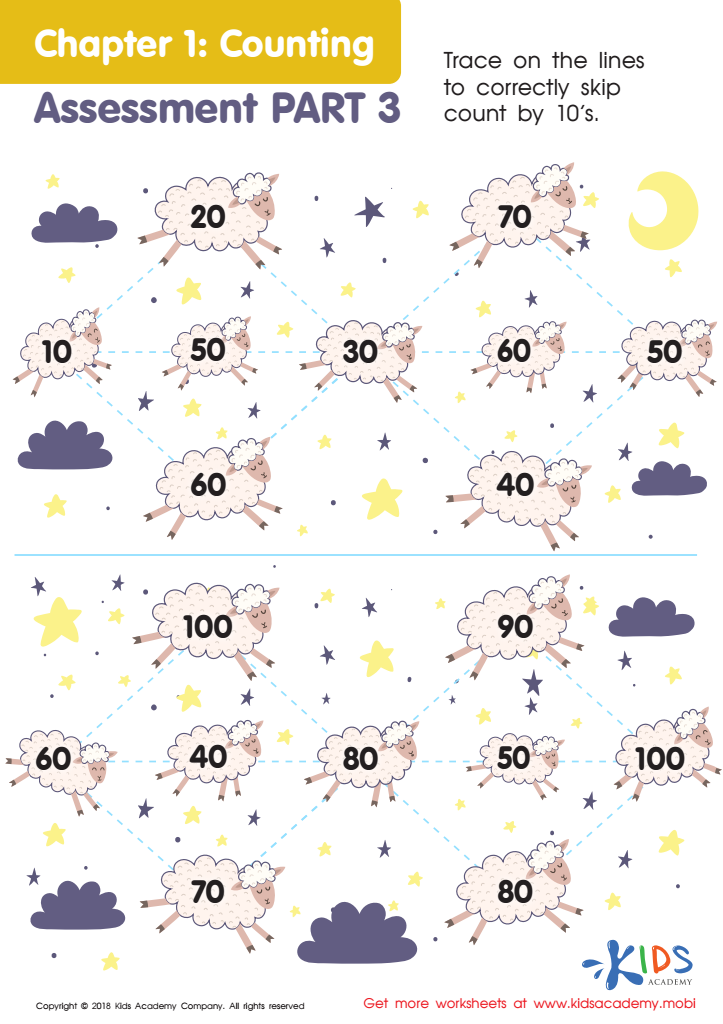
Counting: Assessment 3 Worksheet
 Assign to My Students
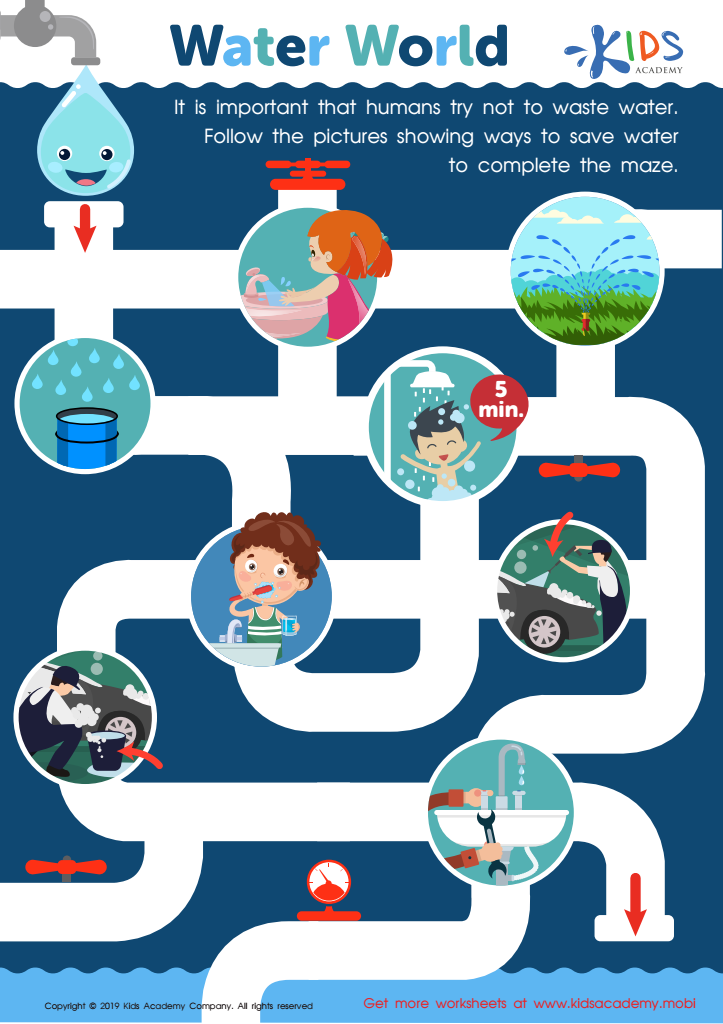
Water World Worksheet
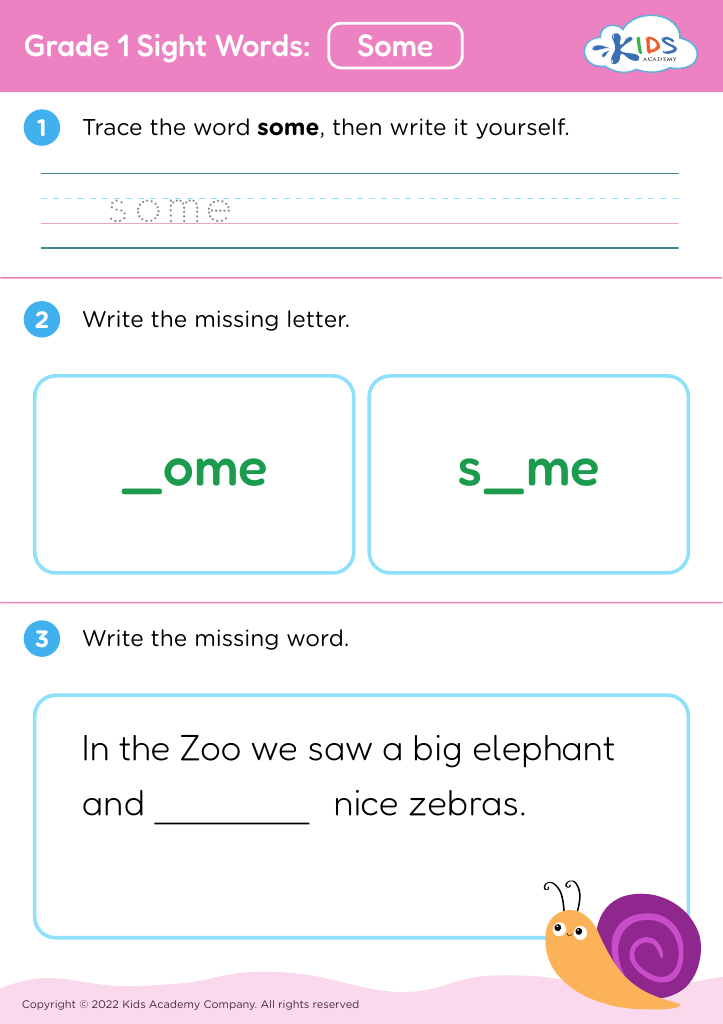







Developing comprehension skills in children ages 4-9 is crucial for their overall academic success and lifelong learning. During these formative years, children transition from learning to read to reading to learn. Strong comprehension skills empower them to understand and interpret information, fostering critical thinking and analytical abilities.
When parents and teachers prioritize comprehension, they equip children with the tools to make connections between texts and their own experiences, enhancing their ability to engage with the world around them. Comprehension supports vocabulary development and cultural literacy, enabling children to articulate their thoughts and feelings more effectively.
Moreover, children with solid comprehension skills exhibit improved confidence and motivation in reading. When they can understand stories and informational texts, they are more likely to enjoy reading and develop a love for books, which lays the foundation for independent learning.
Ultimately, by nurturing comprehension skills early on, parents and teachers can help children become proficient readers, ready to tackle more complex material in higher grades and fostering a rich habit of lifelong seeking of knowledge. This investment not only benefits their schooling but also promotes thoughtful, informed individuals in society.








