Directional skills Worksheets for Ages 4-9
6 filtered results
-
From - To
Enhance your child’s understanding of direction with our engaging Directional Skills Worksheets, specially designed for ages 4-9. These worksheets focus on crucial concepts such as left, right, up, and down, fostering essential spatial awareness. Each activity promotes critical thinking and problem-solving as children navigate fun puzzles, mazes, and matching games. Perfect for home or classroom, our resources help strengthen fine motor skills while making learning enjoyable. With colorful illustrations and age-appropriate challenges, kids will develop a solid foundation in directional concepts. Visit us to access printable worksheets that make direction learning a captivating experience for your young learners!
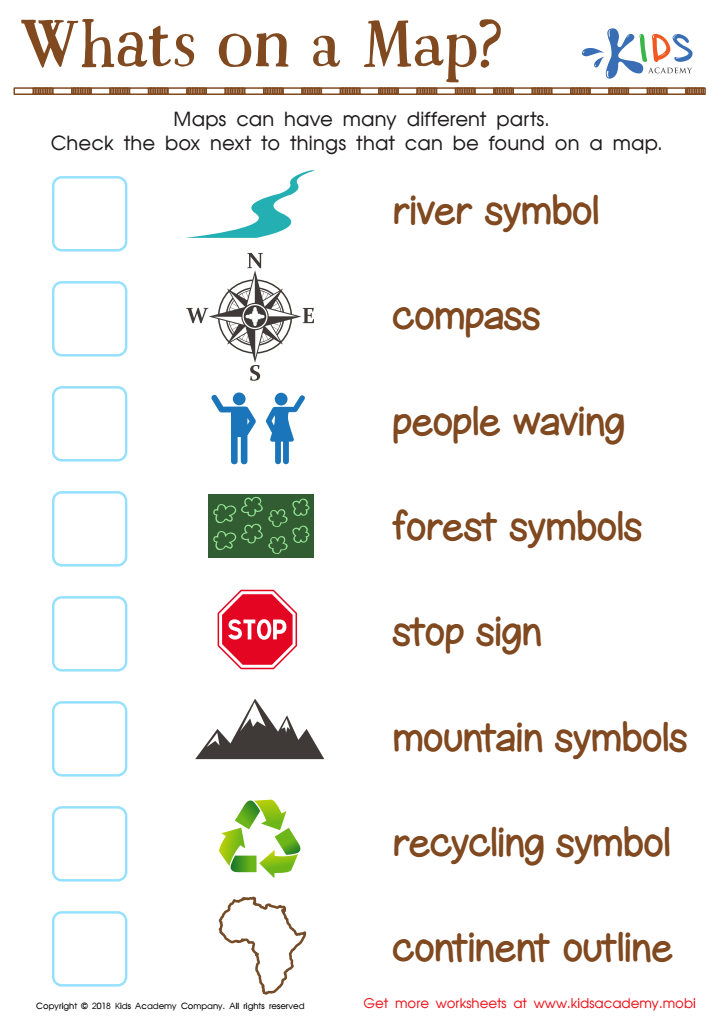
Whats on a Map? Worksheet
 Assign to My Students
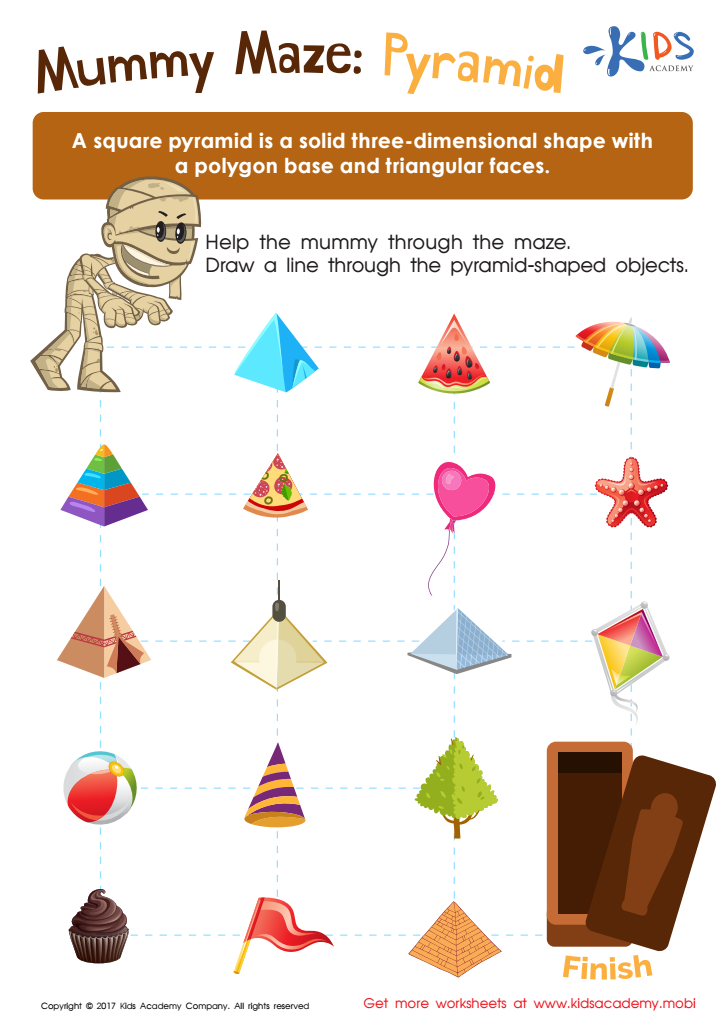
Mummy Maze: Pyramid Printable
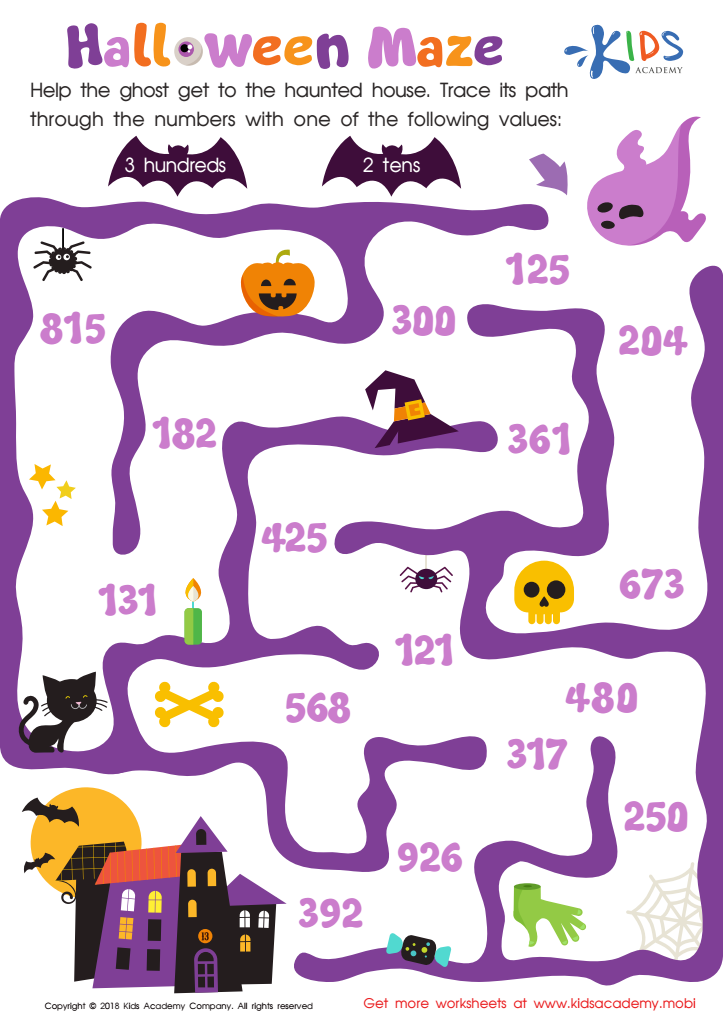
Place Value: Halloween Maze Worksheet
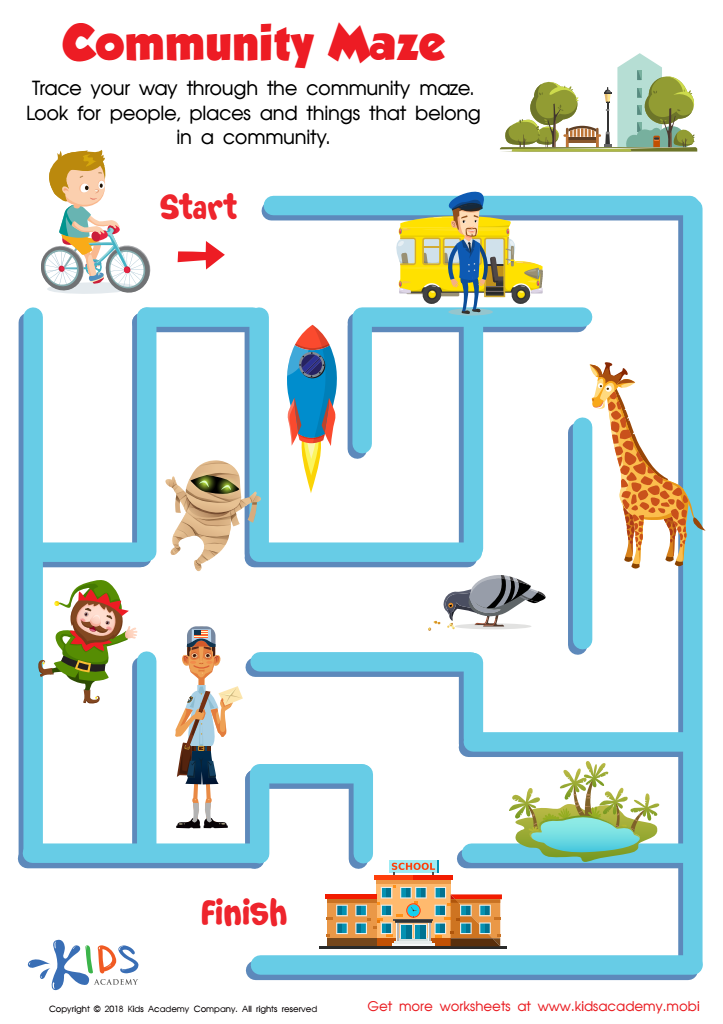
Community Maze Worksheet
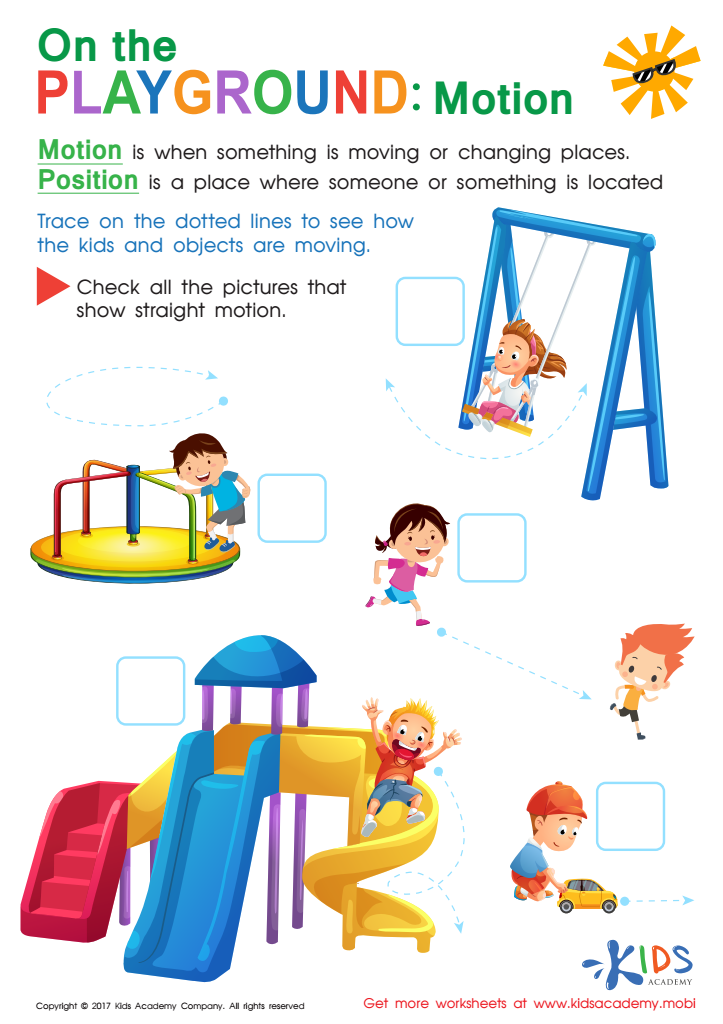
Position and Motion Worksheet
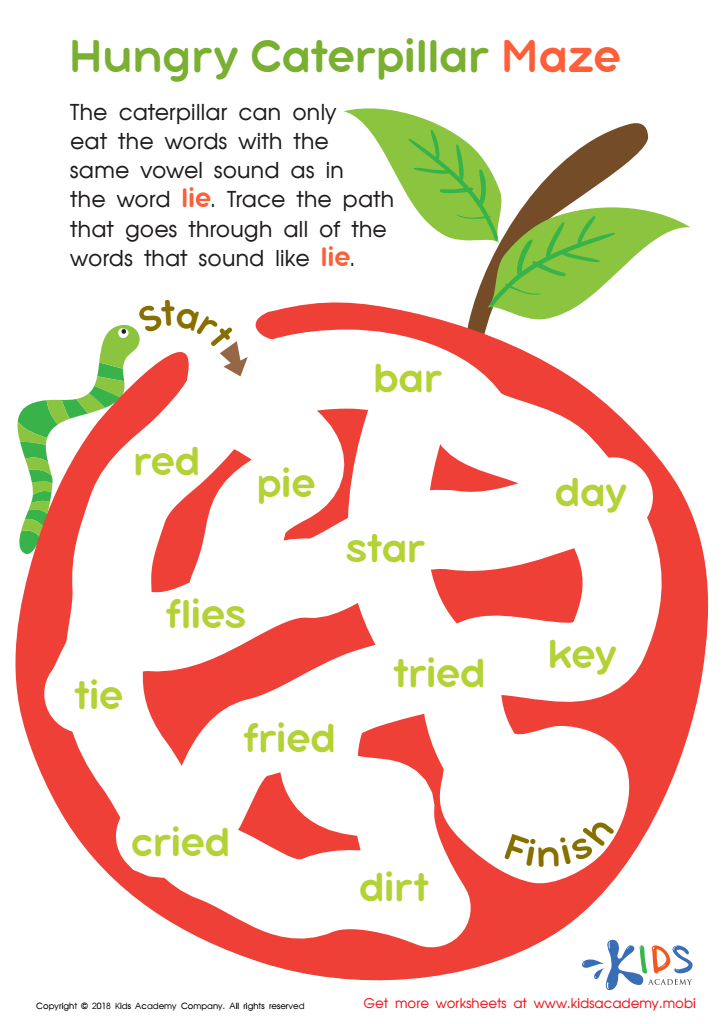
Hungry Caterpillar Maze Worksheet








Directional skills are essential for children aged 4-9, significantly impacting their learning and development. These skills include understanding left/right, up/down, near/far, and navigating spaces, which are critical for various aspects of their daily lives and education. Firstly, these skills are foundational for early literacy and numeracy. For instance, a child must comprehend words and numbers that have specific spatial orientations—like reading "above" vs. "below." In mathematics, concepts such as greater than/less than rely on directional understanding.
Moreover, good directional skills enhance a child's spatial awareness, making it easier for them to engage in physical activities, such as sports and dance, which require movement coordination and directional planning. Socially, these skills aid in following multi-step directions, vital for group activities and respectful interactions in a classroom setting.
Additionally, strong directional skills foster independence as children learn to navigate their environments confidently, both indoors and outdoors. This independence translates to safer play and exploration. By focusing on developing these skills, parents and teachers can support children's overall cognitive, physical, and social growth, laying the foundation for future academic success and life skills. Thus, investing time and effort in fostering directional skills is key to child's holistic development.








