Enhance vocabulary knowledge Worksheets for Ages 4-9
3 filtered results
-
From - To
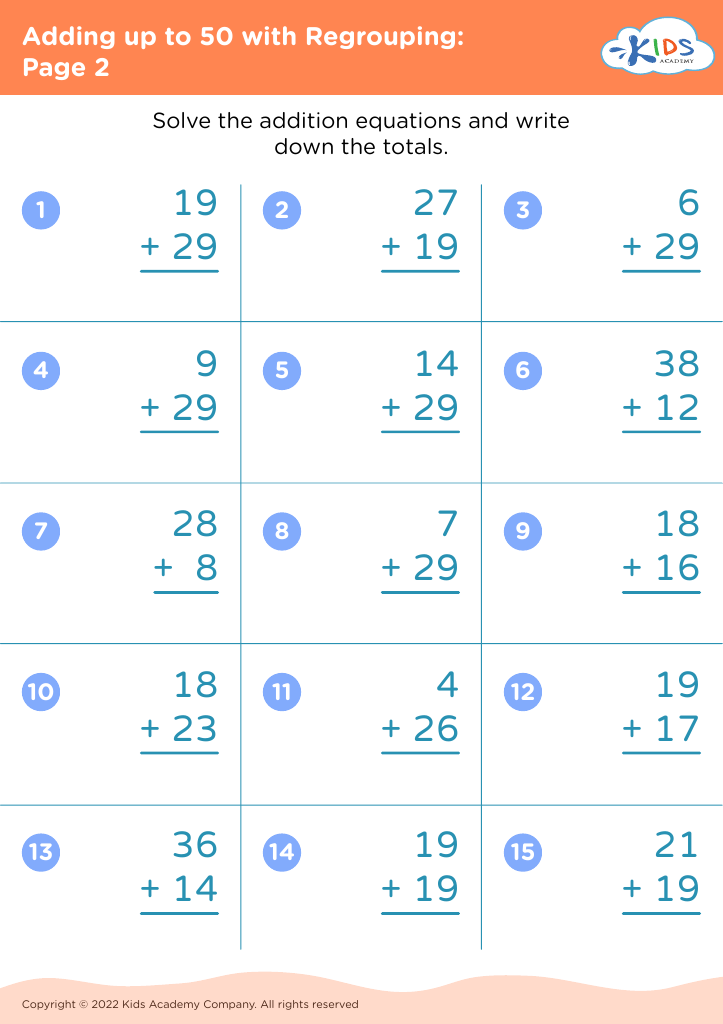
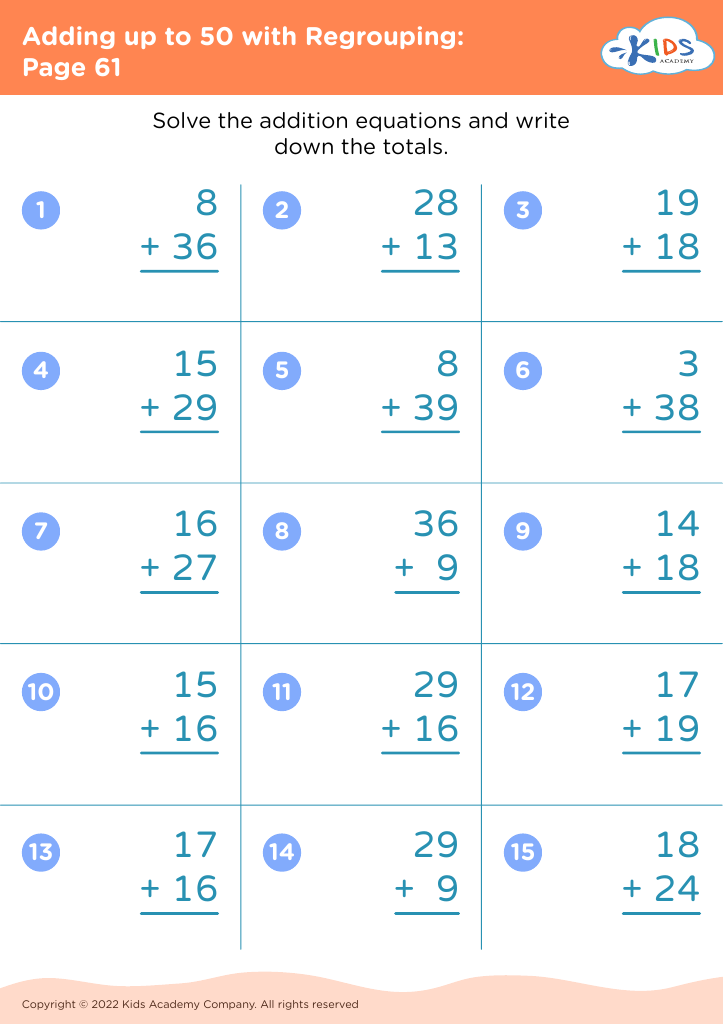
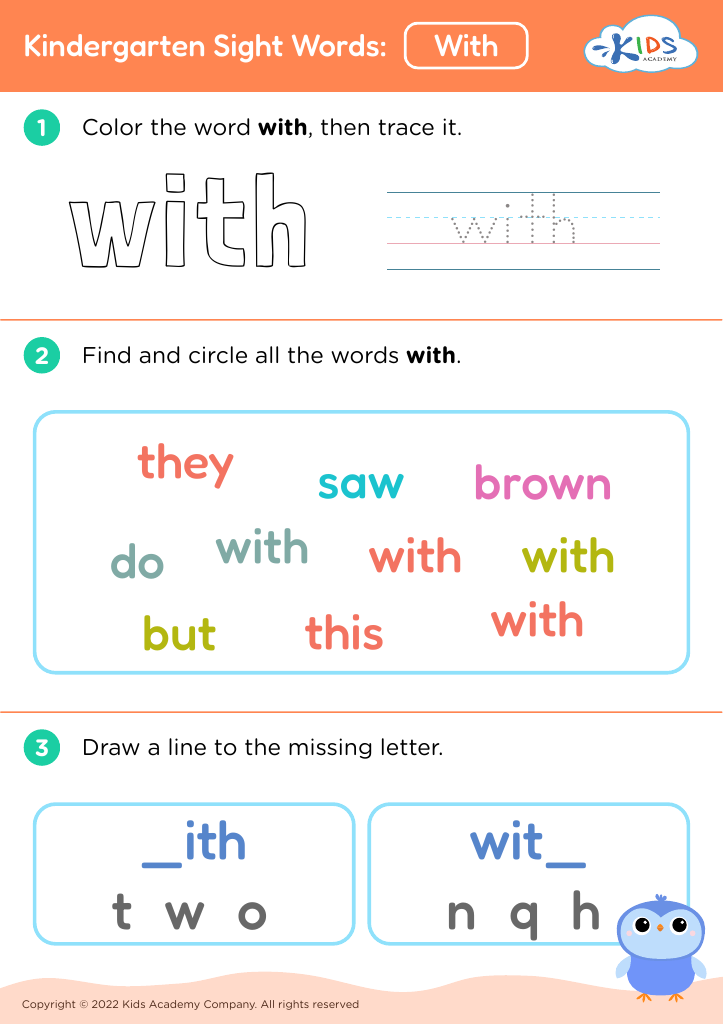
Unlock your child’s potential with our "Enhance Vocabulary Knowledge Worksheets" tailored for ages 4-9! These engaging worksheets are designed to make learning fun while building essential vocabulary skills. Perfect for preschool and early elementary readers, our activities promote word recognition, comprehension, and critical thinking. From colorful illustrations to interactive exercises, each worksheet encourages children to explore new words in context. Designed by educators, our resources align with developmental milestones to boost language abilities effectively. Foster a love for language and literacy in your child today! Dive into our collection and watch their vocabulary soar!








Vocabulary knowledge is fundamental to a child's overall literacy development, especially for ages 4-9, when critical language skills are formed. A rich vocabulary enables children to express their thoughts clearly, articulate their feelings, and comprehend what they hear and read. Parents and teachers should prioritize vocabulary enhancement during these formative years to lay a strong foundation for effective communication and academic success.
A robust vocabulary contributes directly to improved reading comprehension. Children with an extensive word bank can decode texts more easily, making sense of new information and reinforcing their understanding of ideas. Early exposure to diverse words fosters curiosity and encourages exploration of new concepts, enhancing cognitive development. Additionally, a strong vocabulary is linked to increased self-confidence, enabling children to engage more with peers and adults, thereby honing their social skills.
Moreover, children with a well-developed vocabulary tend to perform better academically across subjects, as many subjects, like science and maths, require understanding specific terminology. Ultimately, by nurturing vocabulary knowledge, parents and teachers equip children with essential tools for lifelong learning and communication, paving the way for future educational opportunities and personal growth. Investing time in vocabulary development fosters a love for language that can last a lifetime.








