Fraction identification Worksheets for Ages 4-9
8 filtered results
-
From - To
Discover our engaging Fraction Identification Worksheets designed for children aged 4-9. Kids Academy provides a variety of activities that make learning fractions interactive and fun. These worksheets will help young learners grasp fundamental concepts such as halves, thirds, and quarters. With vibrant illustrations and clear instructions, children can enjoy hands-on practice while improving their mathematical skills. Ideal for both classroom and home use, each worksheet is crafted to build confidence and comprehension in fraction identification. Dive into a world of learning where fractions become friendly and approachable. Start your child’s journey to mastering fractions today!
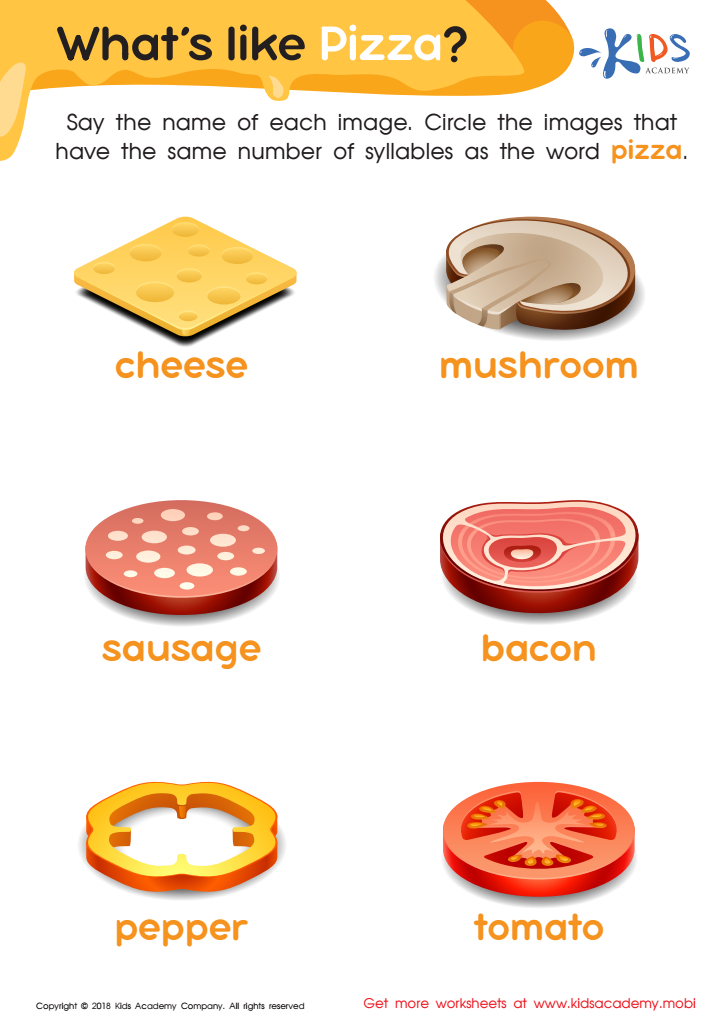
What's Like Pizza? Worksheet
 Assign to My Students
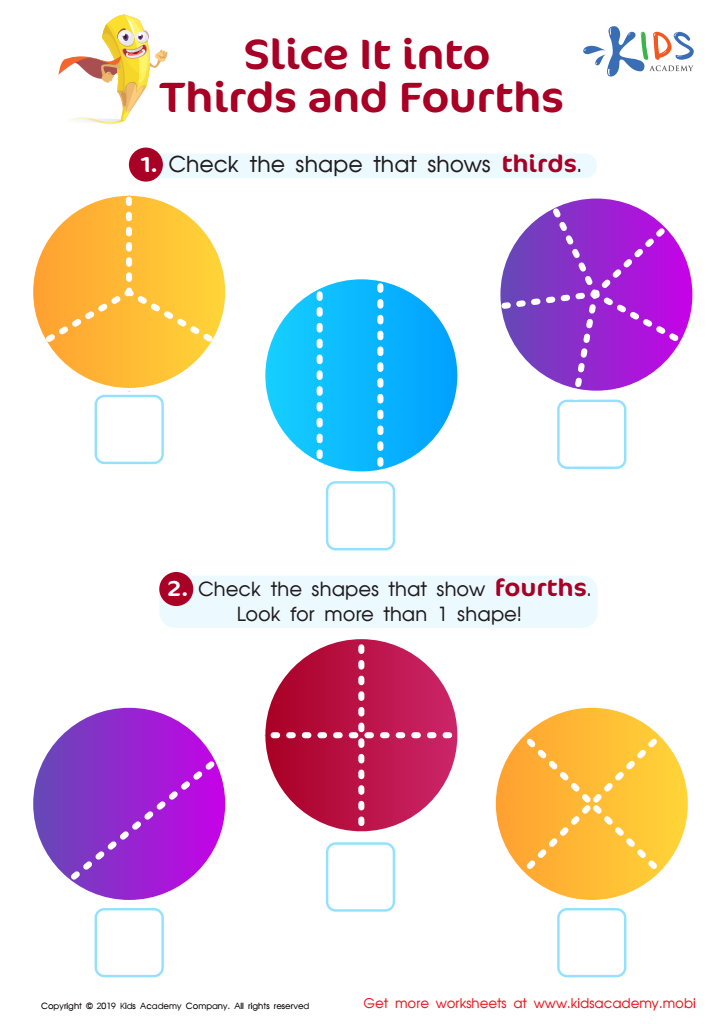
Slice in Thirds Fourths Worksheet
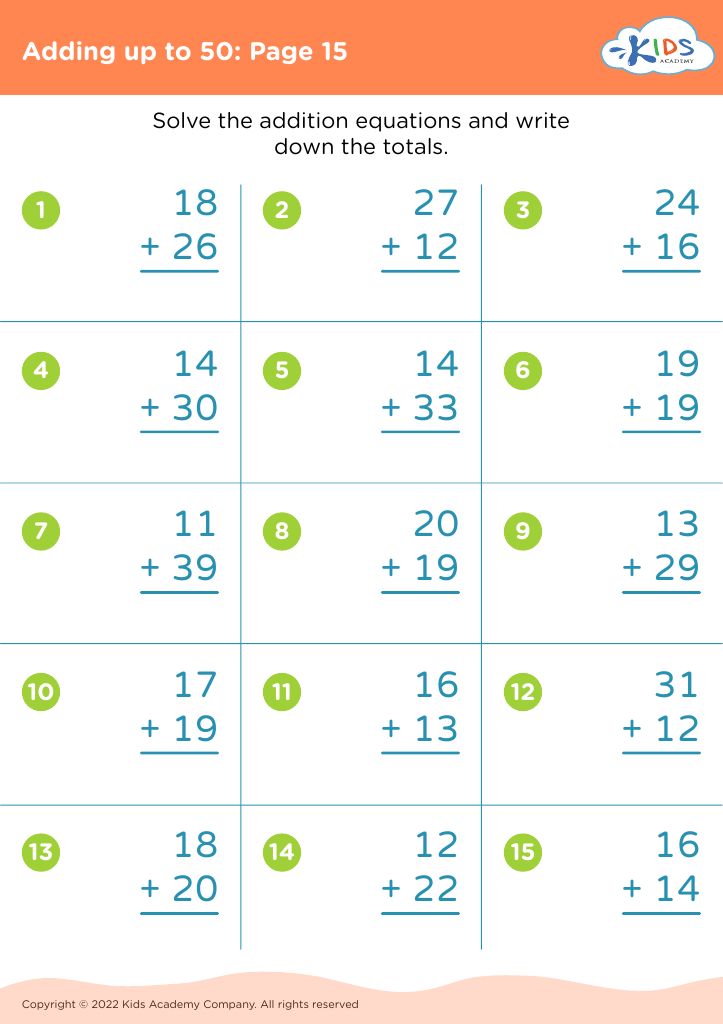
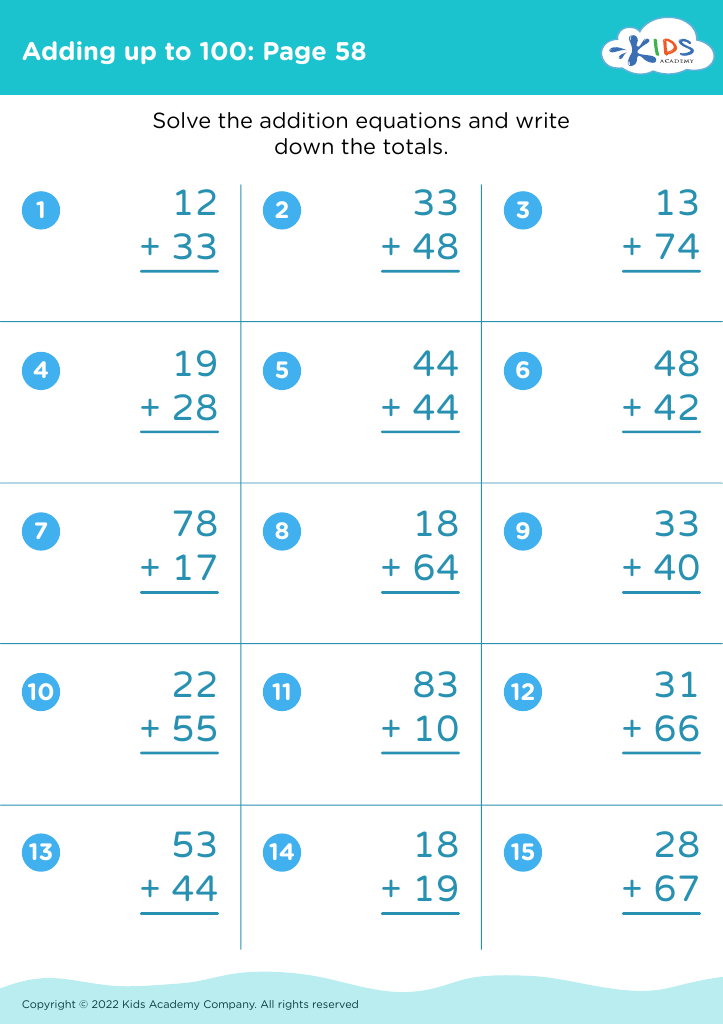
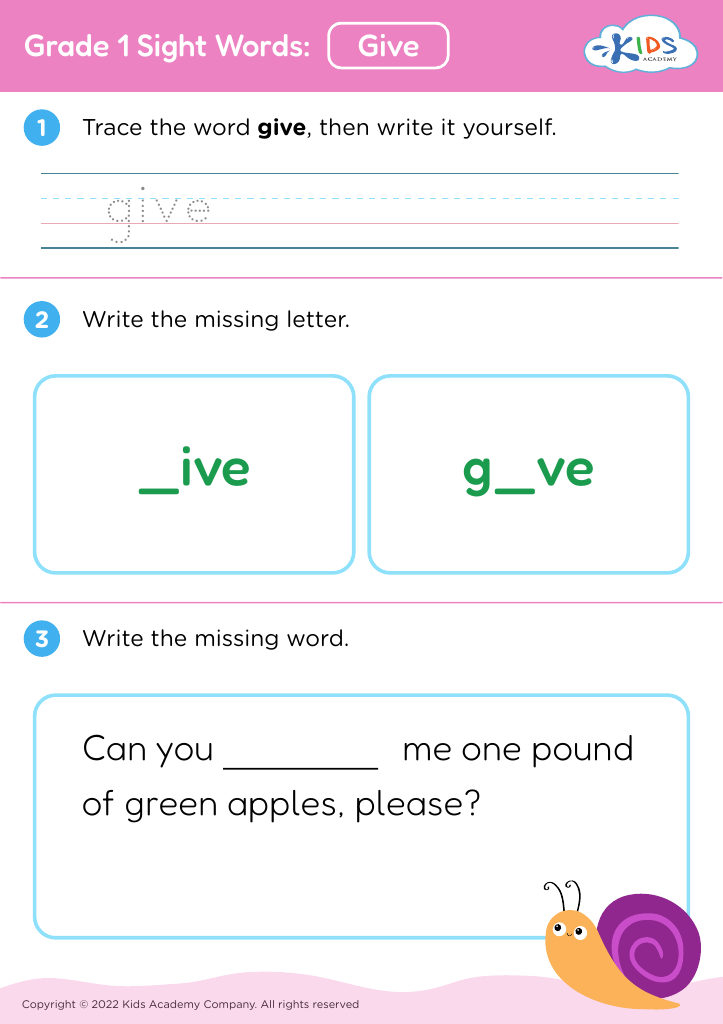







Understanding fractions is crucial for young learners aged 4-9, as it lays the groundwork for more advanced mathematical concepts they'll encounter later. When parents or teachers focus on fraction identification, they're not just teaching math; they're fostering critical thinking and problem-solving skills.
Early exposure to fractions helps children grasp the concept of part-whole relationships, which is fundamental in math and everyday life. For instance, understanding that half an apple and two quarters are the same amount is a practical skill. This basic knowledge aids in making sense of measurement, time, and even cooking.
Moreover, fraction literacy improves overall numeracy. Children who can identify and manipulate fractions are better equipped to tackle diverse math challenges, such as division and ratio problems in higher grades.
Fostering an early understanding of fractions also boosts children's confidence. Discovering that they can solve complex problems creates a positive feedback loop, encouraging a lifelong interest in learning and exploration. By supporting fraction identification, parents and teachers enable children to build a solid mathematical foundation, setting the stage for academic success and practical life skills.
In summary, emphasizing fraction identification for young learners enhances critical thinking, problem-solving, and overall numeracy, preparing them for both academic and real-world scenarios.








