Improve problem-solving abilities Worksheets for Ages 4-9
4 filtered results
-
From - To
Enhance your child's cognitive skills with our engaging "Improve Problem-Solving Abilities Worksheets" designed for ages 4-9. These fun, interactive worksheets encourage critical thinking and creativity, essential for developing a strong foundation in problem-solving. Each page is filled with age-appropriate challenges that stimulate inquisitive minds and foster independent thinking. By engaging in activities like puzzles, scenarios, and logical reasoning exercises, children will sharpen their analytical skills while enjoying learning. Perfect for classroom or home use, these worksheets support early education and empower kids to tackle challenges confidently. Start nurturing your child's problem-solving potential today!
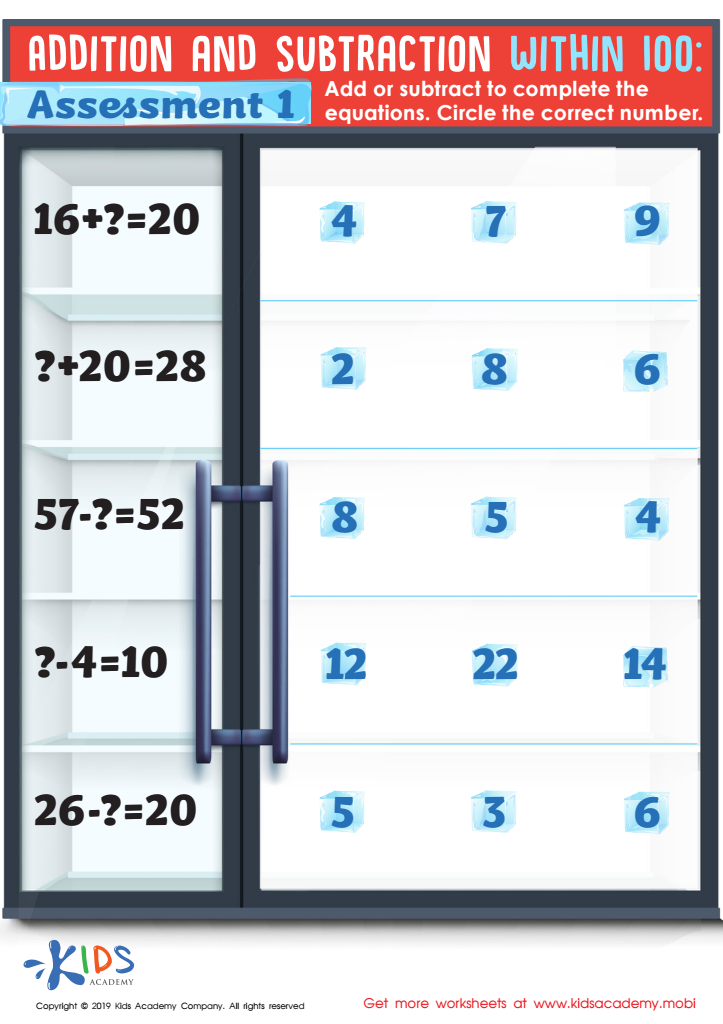
Addition and Subtraction within 100: Assessment 1 Worksheet
 Assign to My Students

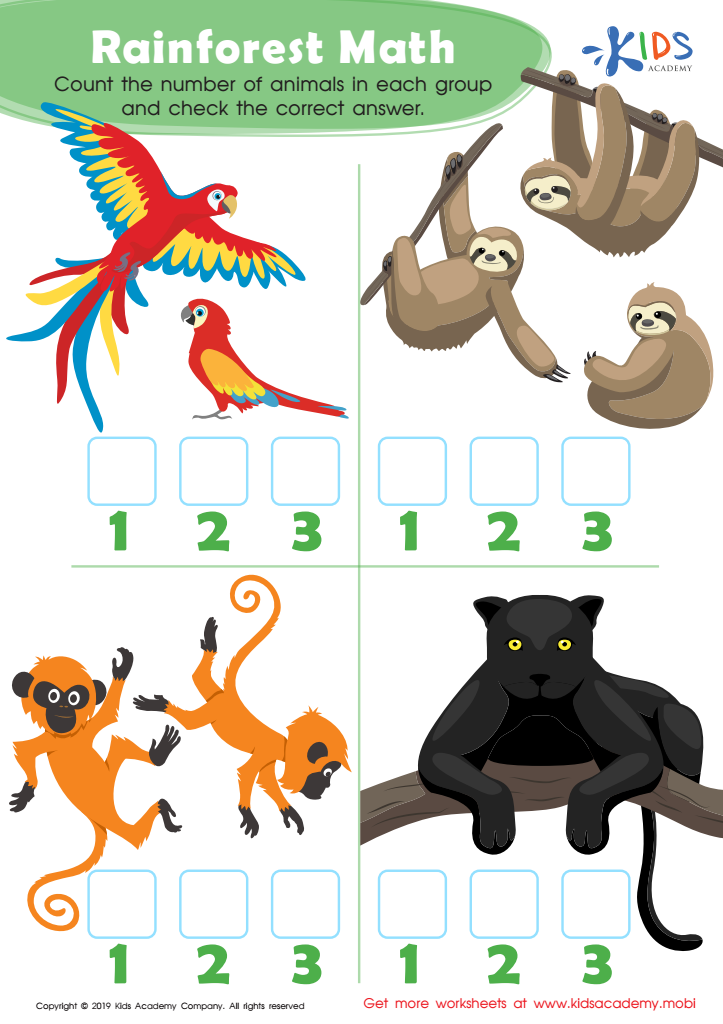
Rainforest Math Worksheet
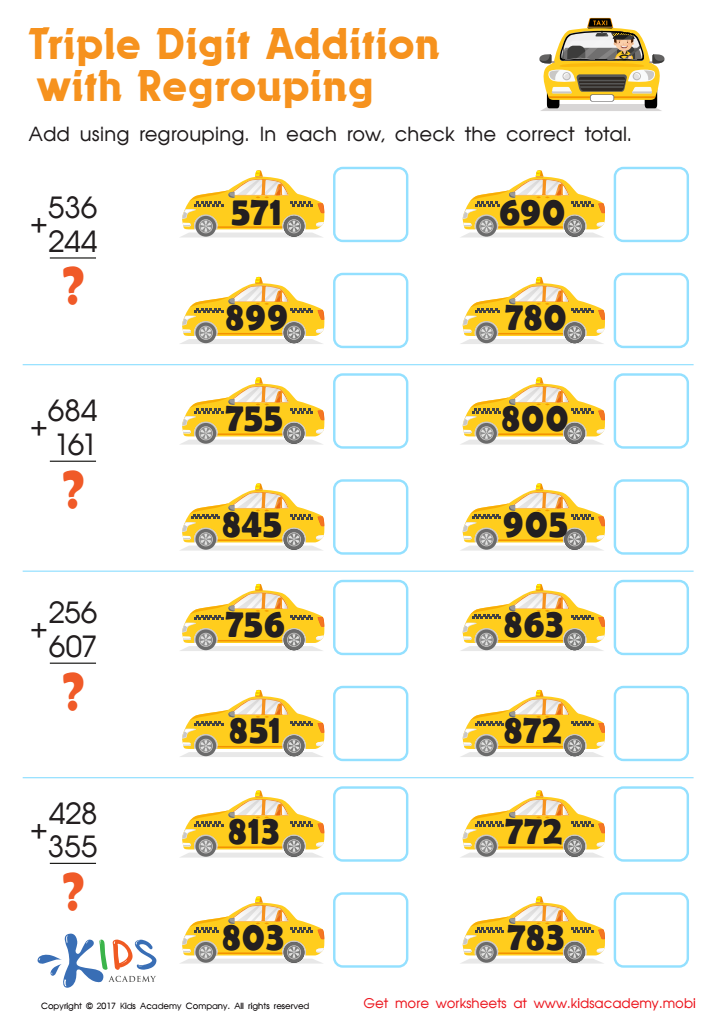
Triple Digit Addition with Regrouping Worksheet






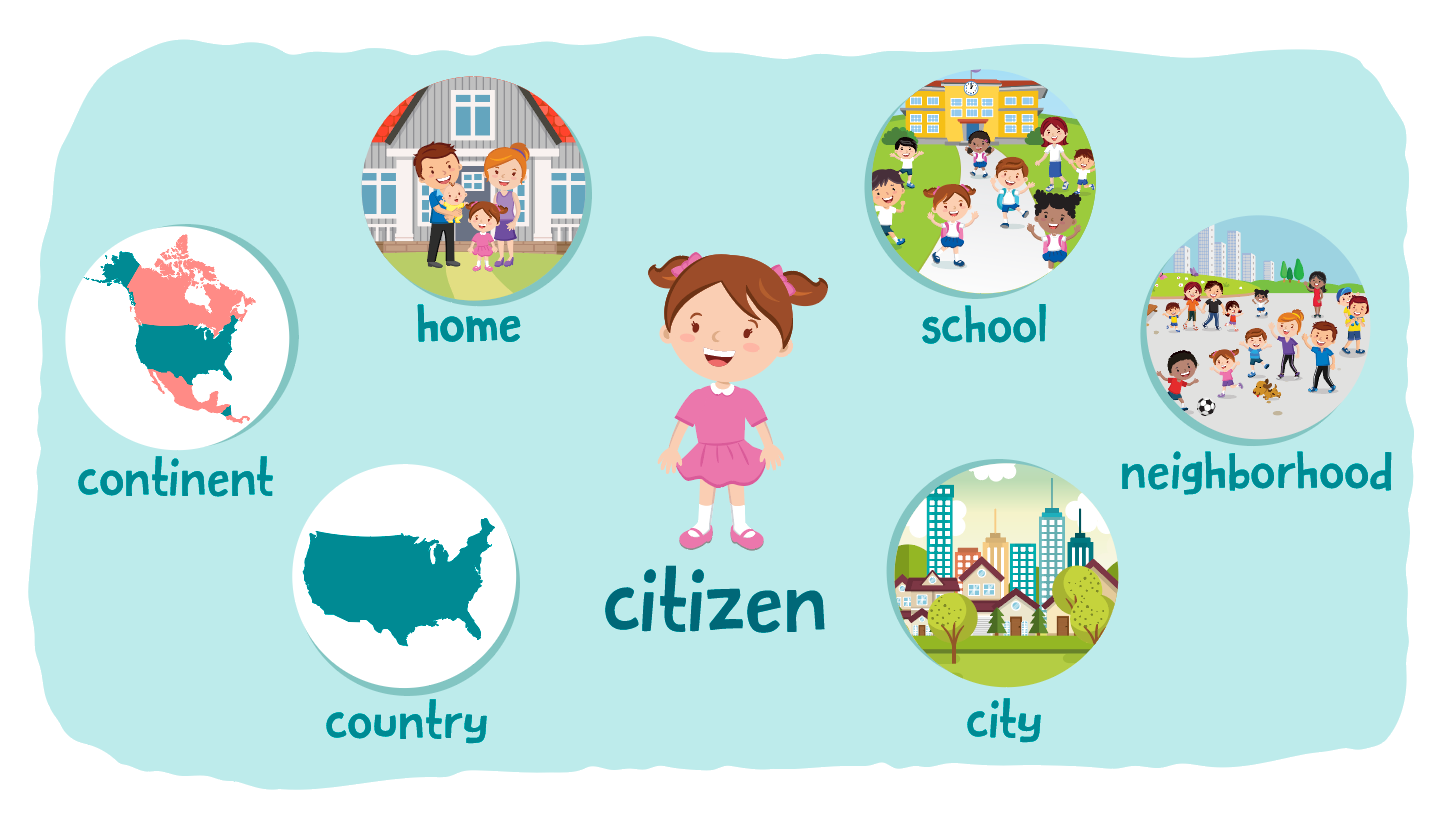

Improving problem-solving abilities in children aged 4-9 is crucial as it lays the foundation for their future success. During these formative years, children develop critical thinking skills and learn how to navigate challenges independently. By fostering problem-solving skills, parents and teachers equip children with the tools they need to think creatively, assess situations, and explore multiple solutions.
Moreover, problem-solving helps children build resilience. Facing difficult tasks teaches them perseverance and encourages a growth mindset, where they understand that effort and practice lead to improvement. These skills are essential not only in academic settings but also in social interactions, as children learn to communicate, collaborate, and resolve conflicts effectively.
Additionally, strong problem-solving abilities enhance children’s confidence, enabling them to tackle new tasks with enthusiasm. When they can approach problems with innovative thinking, they are better prepared for a rapidly changing world that often requires adaptability and resourcefulness.
By nurturing these abilities early on, parents and teachers can foster lifelong skills that enhance children’s personal and academic growth. Investing time in improving problem-solving skills not only benefits individual children but also creates a more supportive and dynamic environment for learning and exploration.








