Improve reading skills Worksheets for Ages 4-9 - Page 3
55 filtered results
-
From - To
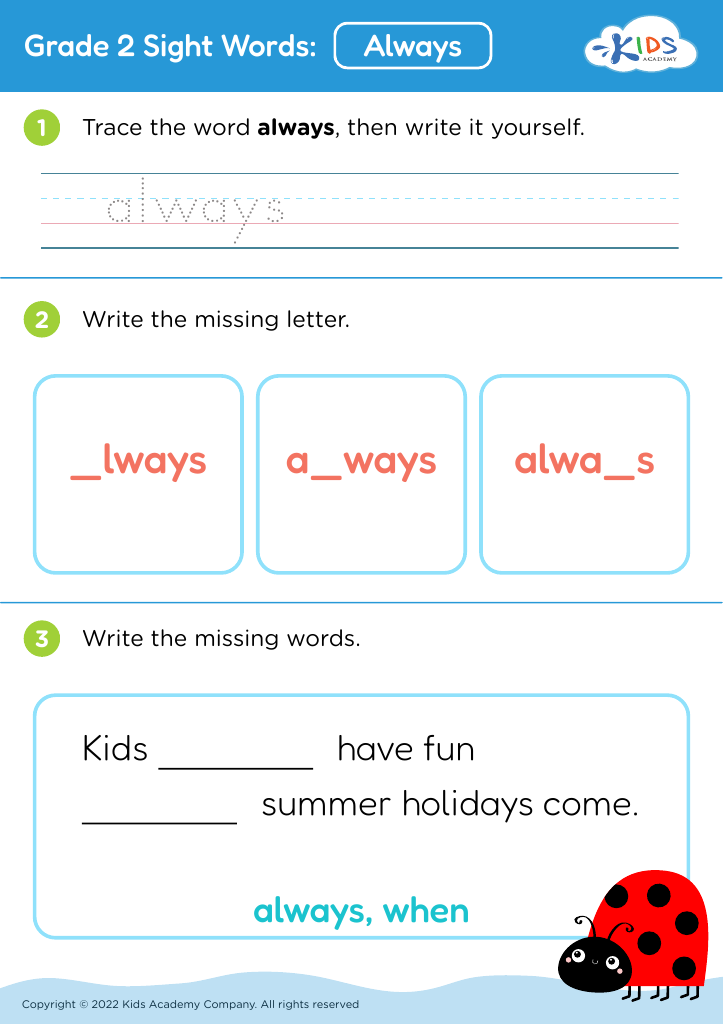
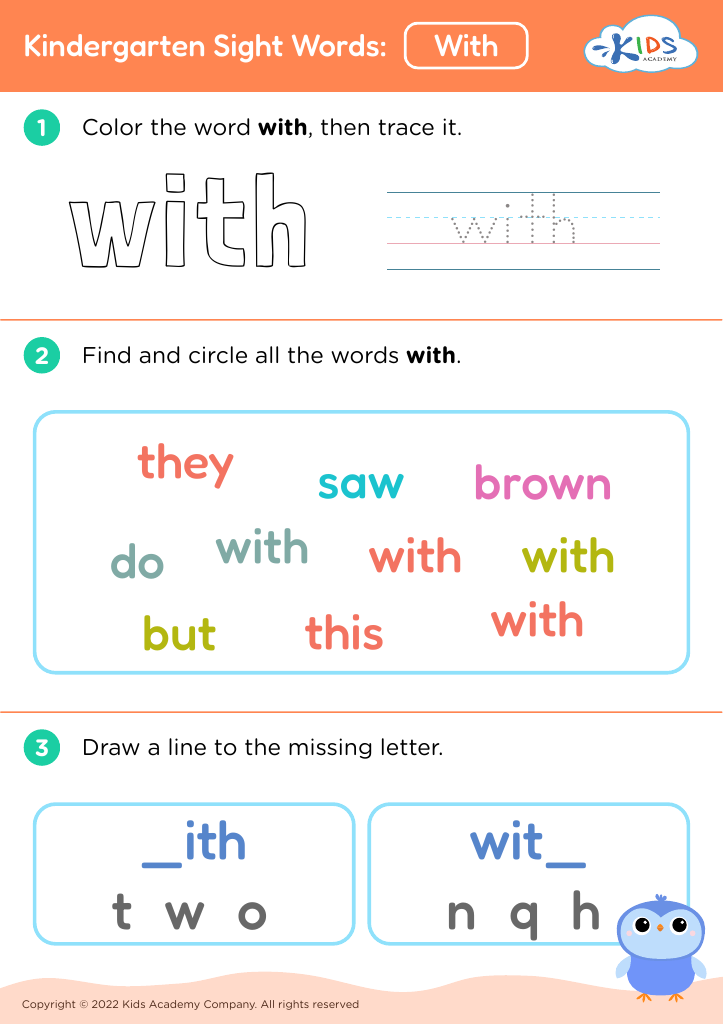
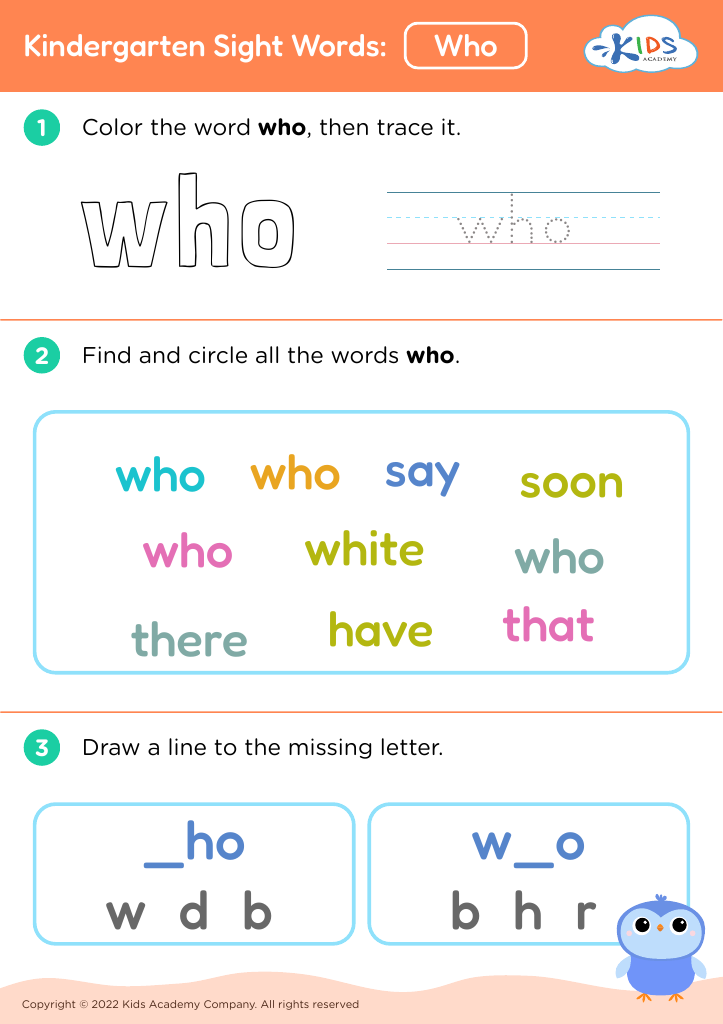
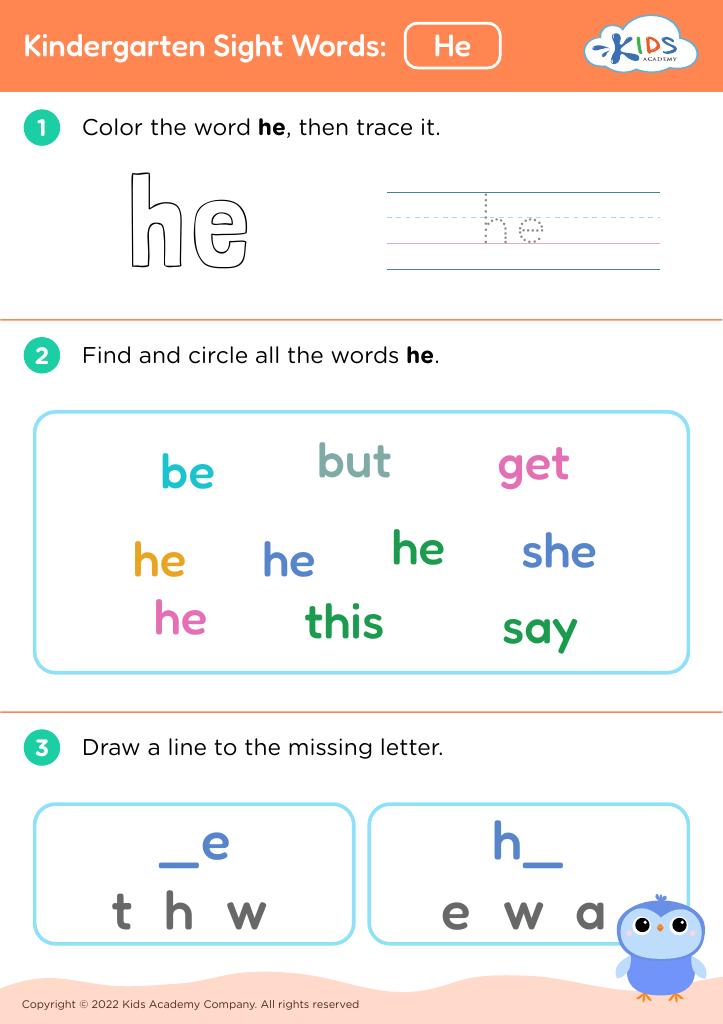
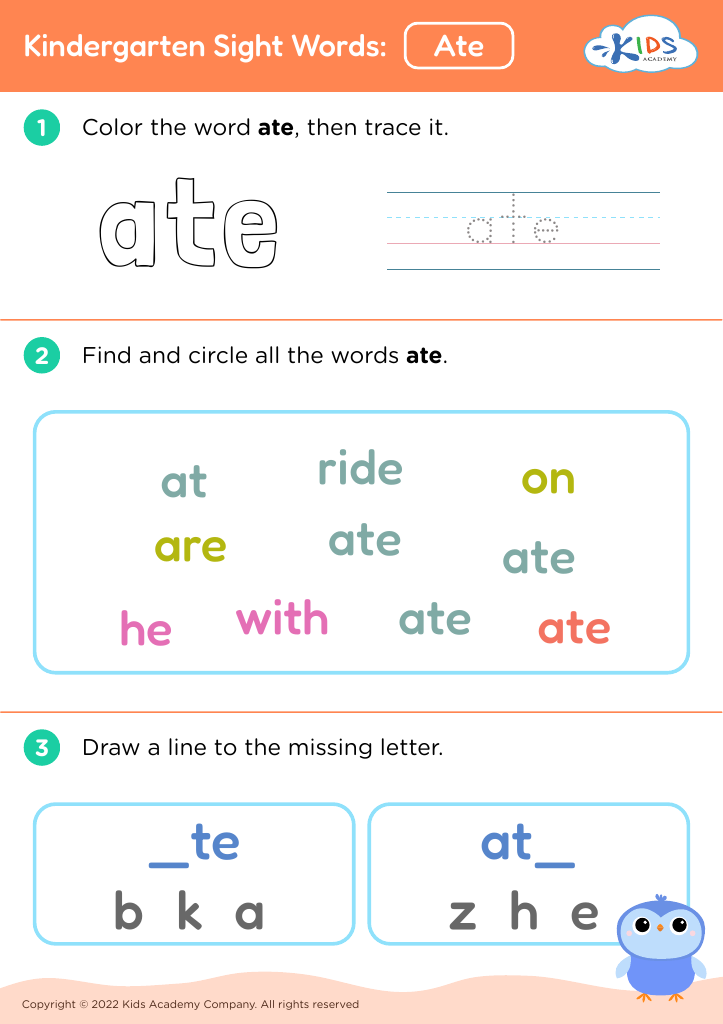
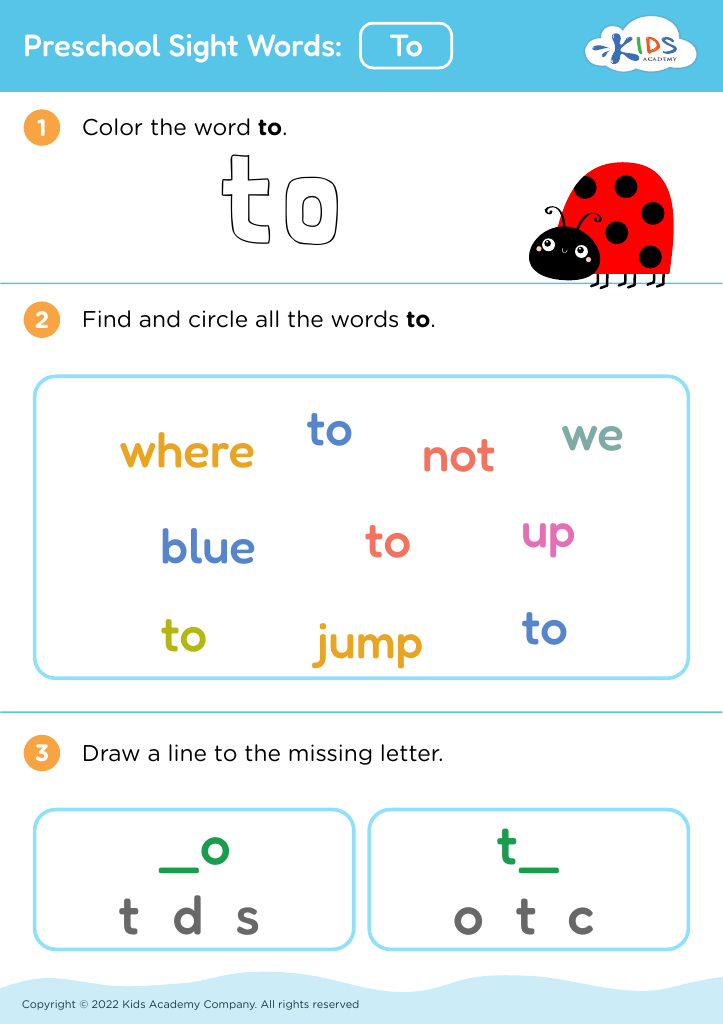
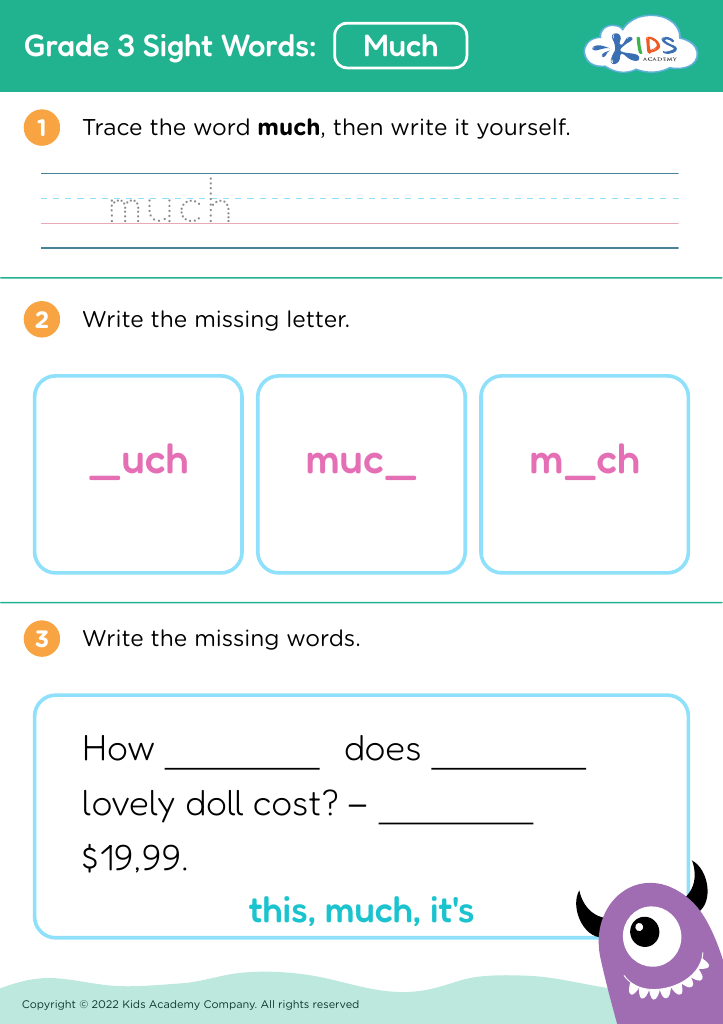







Early reading skills are fundamental building blocks for a child's overall academic success and cognitive development. During the ages of 4-9, children are in a critical period for language acquisition and literacy skills. Proficiency in reading at this stage significantly affects all future learning, as nearly every subject relies on reading ability. When parents and teachers prioritize improving these skills, children are more likely to understand and engage with other subjects such as math, science, and social studies.
Furthermore, early reading competence fosters a love of learning and curiosity, making children more eager and confident learners. This age range is also vital for developing vocabulary, comprehension, and critical thinking skills. Delayed reading abilities can lead to struggles with verbal communication and understanding complex concepts, affecting academic performance and self-esteem.
Parents and teachers who invest time in reading activities create a nurturing and supportive learning environment. This includes shared reading, interactive stories, and using phonics-based approaches, all of which contribute to a child’s ability to decode words and understand text. Ultimately, strong early reading skills empower children to become independent learners and set a positive trajectory for their educational journey and lifelong opportunities.








