
Introduction to mathematics Worksheets for Ages 4-9
3 filtered results
Difficulty Level
Grade
Age
-
From - To
Subject
Activity
Standards
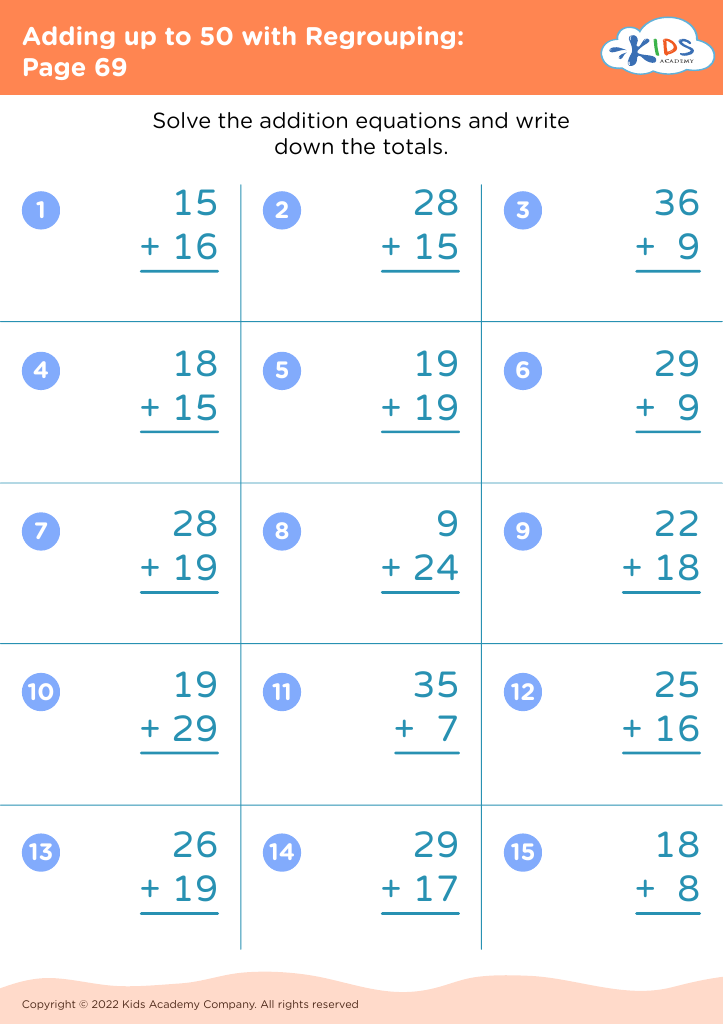
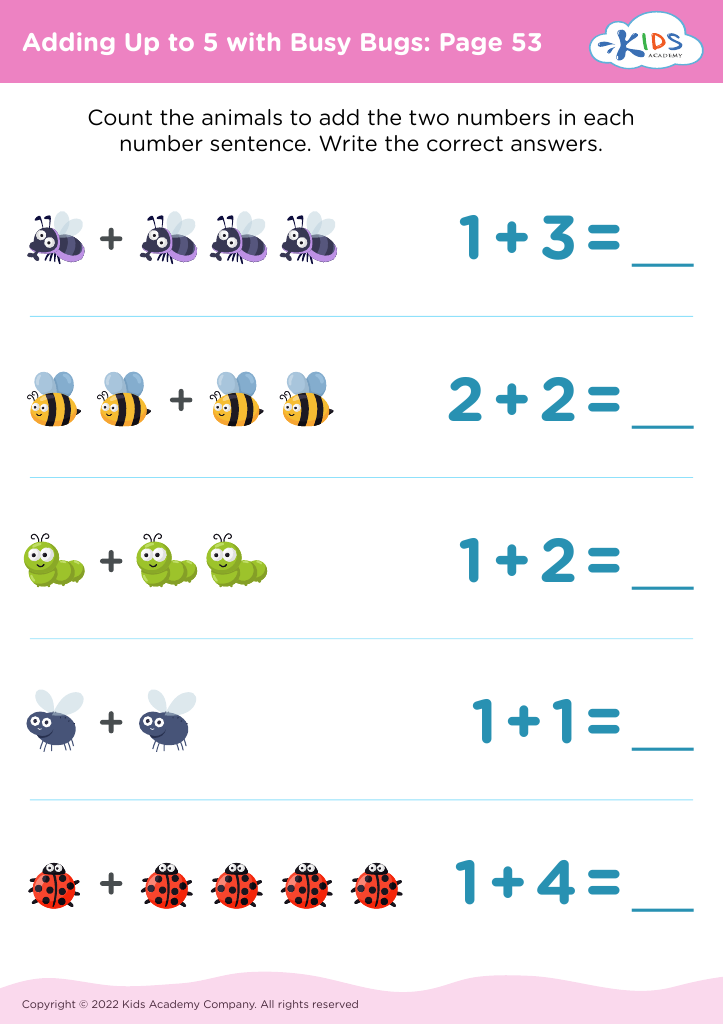
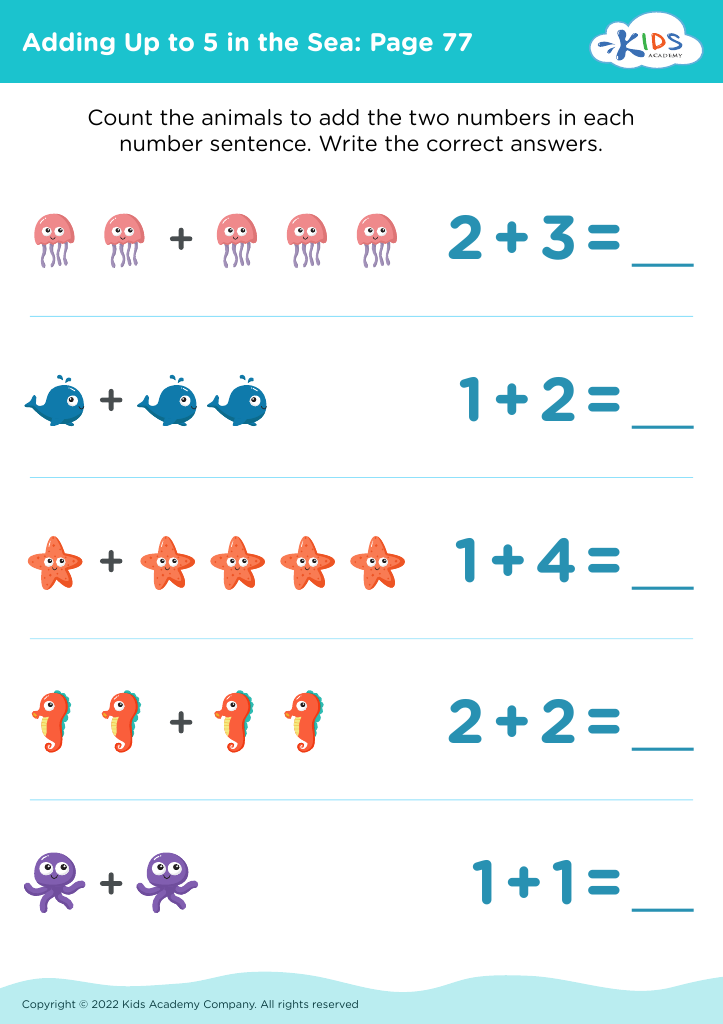
Welcome to our "Introduction to Mathematics Worksheets for Ages 4-9" page! Designed for young learners, our worksheets offer a fun and engaging way to introduce essential math concepts. Covering topics such as counting, number recognition, shapes, and basic addition, these activities promote foundational skills and boost confidence in math. Suitable for home or classroom use, our worksheets are perfect for hands-on learning experiences. With colorful visuals and interactive tasks, children are encouraged to explore mathematics creatively. Dive into our collection today and watch your child develop a strong mathematical foundation while enjoying the journey of learning!
Favorites
With answer key
Interactive
Join Kids Academy for Free
Who is primarily going to use this learning content?








Introduction to mathematics for ages 4-9 is crucial because it lays the foundation for a child’s cognitive development and future academic success. During these formative years, kids develop essential skills such as counting, number recognition, and basic problem-solving. Engaging them with fun, hands-on activities helps instill a positive attitude toward learning and boosts their confidence in their mathematical abilities.
Moreover, early exposure to mathematics enhances critical thinking skills. It encourages children to explore patterns, understand relationships, and develop logical reasoning, which are valuable lifelong skills. Interactive learning environments, where parents and teachers can support exploration, promote curiosity and motivate children to seek answers.
Additionally, early math readiness can have a significant impact on a child’s performance in later years. Studies show that foundational math skills correlate with future success in more advanced math courses. By nurturing these skills now, parents and teachers can set children on a pathway toward academic achievement and career opportunities in fields that require strong mathematical competencies.
Ultimately, cultivating a love for math during these early years equips children with the tools they need to navigate an increasingly complex world, making it essential for parents and teachers to prioritize math education at this stage.








