Unlock your child's potential with our Knowledge Application Worksheets designed for ages 4-9! These engaging and interactive worksheets help young learners apply theirknowledge in fun and meaningful ways. From problem-solving activities to critical thinking exercises, our materials cater to diverse learning styles and encourage analytical skills. Each worksheet promotes creativity while reinforcing essential concepts like math, science, and reading comprehension. Perfect for both classroom and home environments, these resources make learning enjoyable and effective. Equip your child with the skills necessary to succeed in school and beyond! Explore our collection today and foster a lifelong love for learning!

Check out this FREE "Knowledge application" Trial Lesson for age 4-9!

Science Topic

Favorites
With answer key
Interactive
  • 4-9
  • Knowledge application
Invertebrates Worksheet for Grade 3

Invertebrates Worksheet for Grade 3

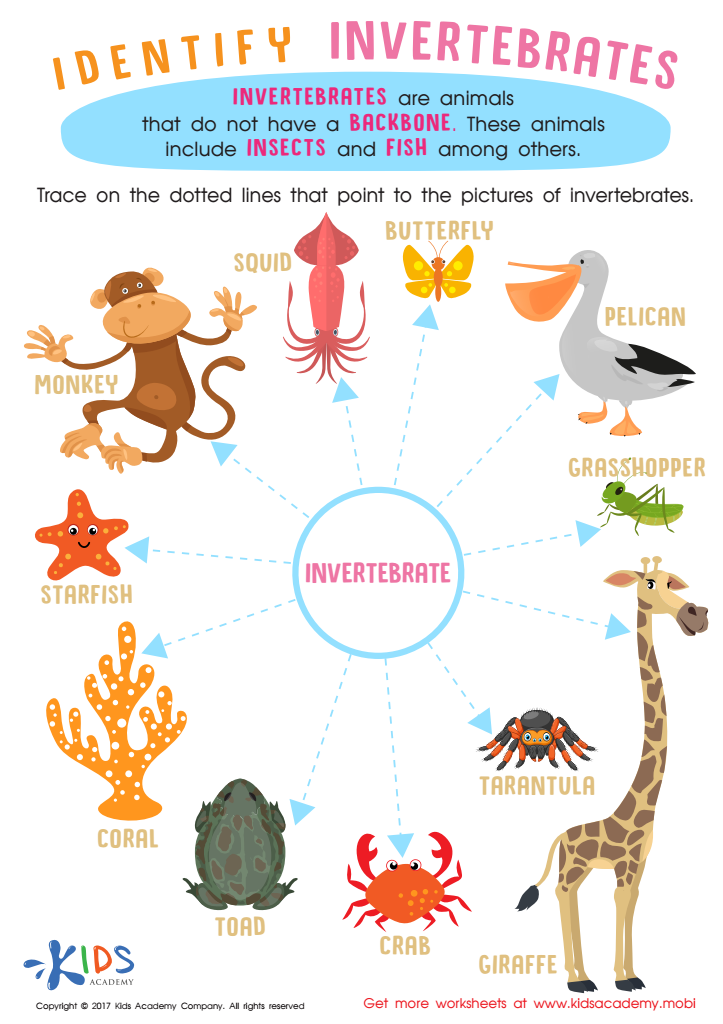
Kids explore the world of invertebrates with this worksheet for grade 3. Invertebrates are animals without a backbone, such as fish and insects. Kids must identify and select them from a group of animals. This activity is sure to stimulate their curiosity and help them discover more about these remarkable creatures.
Invertebrates Worksheet for Grade 3
Worksheet
Groups of Fossils Worksheet

Groups of Fossils Worksheet

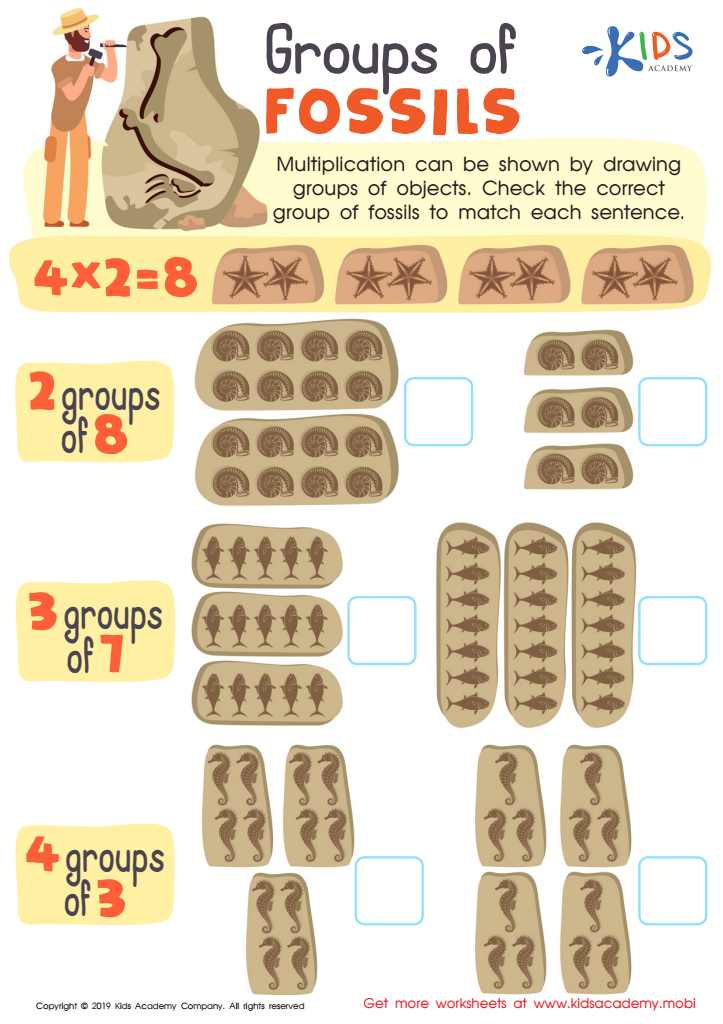
Kids need to learn multiplication after mastering addition and subtraction. To make it fun, use worksheets like this one. Have kids draw objects to match each sentence - this helps them understand multiplication better. With this approach, they'll be sure to learn the concepts.
Groups of Fossils Worksheet
Worksheet
Repel and attract magnet worksheet

Repel and Attract Magnet Worksheet
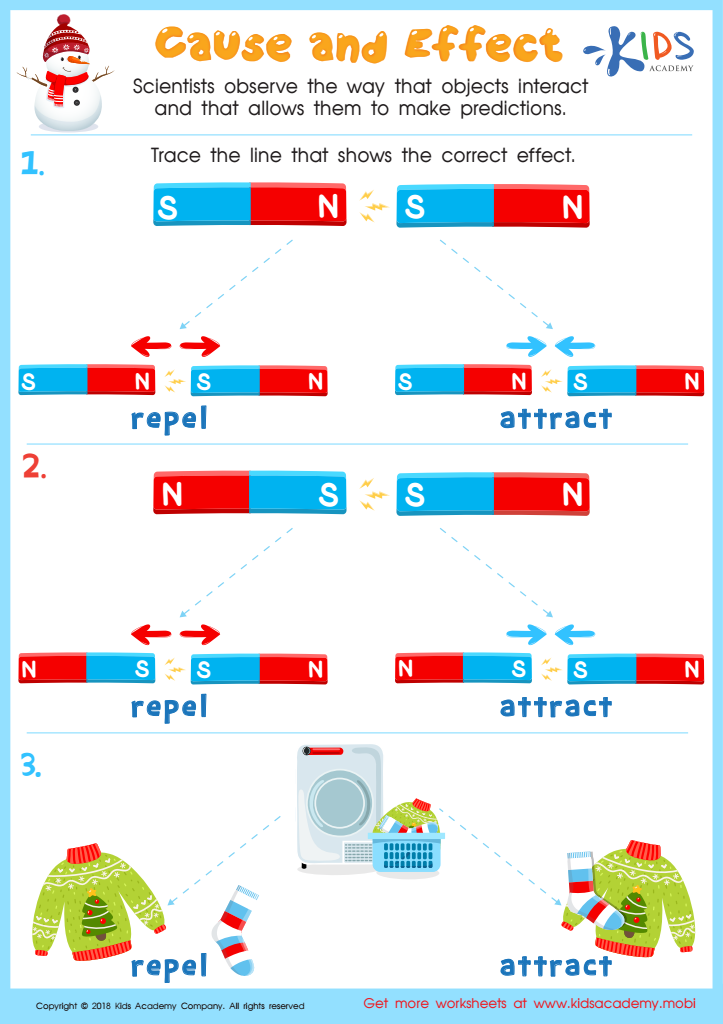
Opposites attract in magnetism! Try this magnet worksheet to review the laws. Draw a line to show the effect when poles align. Then explore static electricity, and how it affects clothes at home.
Repel and Attract Magnet Worksheet
Worksheet
Earth and Human Activity: Assessment 2 Worksheet

Earth and Human Activity: Assessment 2 Worksheet

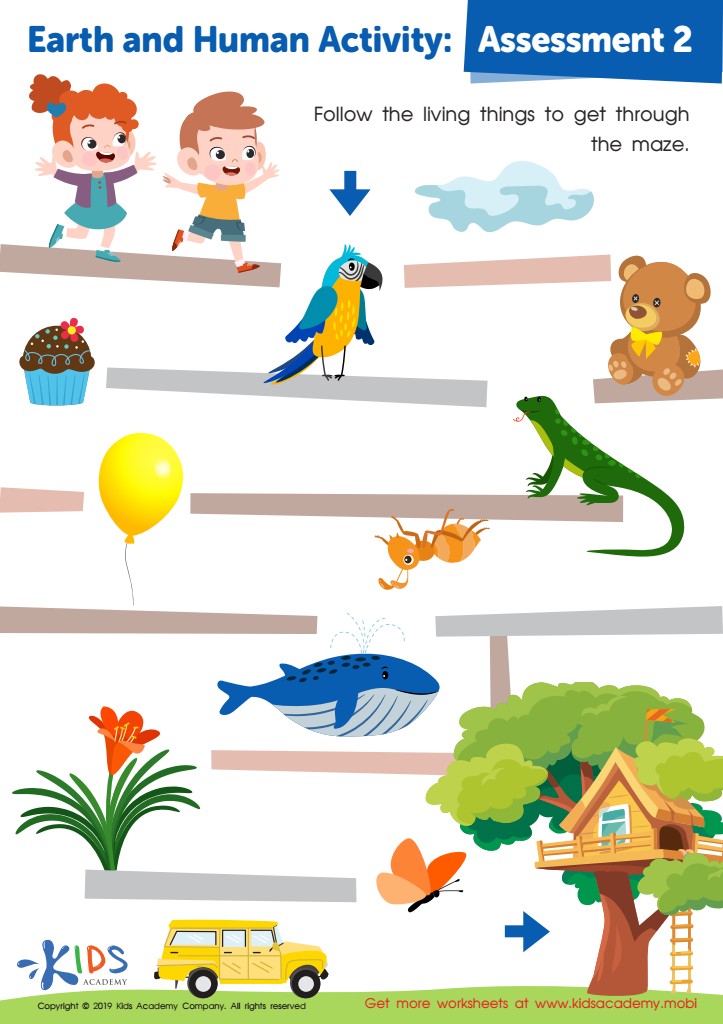
Earth is alive with birds, trees, insects, and animals. Explain to your kids that the environment on Earth supports life. Ask for examples, then use the worksheet pictures to help them identify living things and complete the maze.
Earth and Human Activity: Assessment 2 Worksheet
Worksheet
What Are Solids? Worksheet

What Are Solids? Worksheet

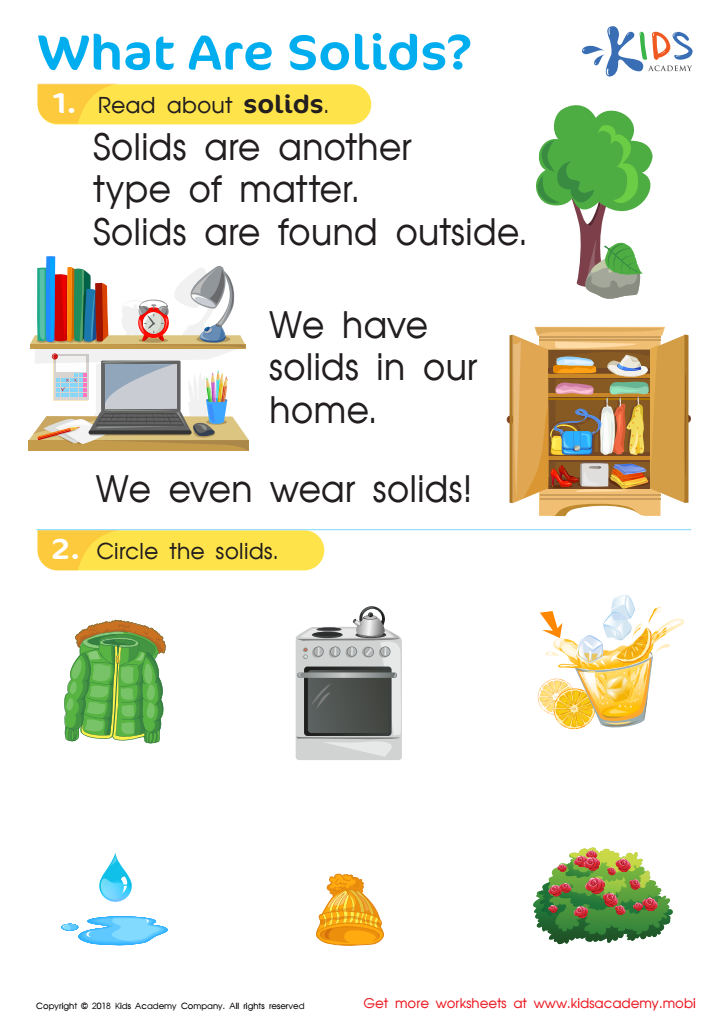
Help your kids understand matter's three forms - solid, liquid, and gas - with examples. Ask them to give their own and where to find them. Then, read and discuss the worksheet's facts about solids. Afterward, have them circle the solids among the provided objects.
What Are Solids? Worksheet
Worksheet
Moon Phases Worksheet

Moon Phases Worksheet

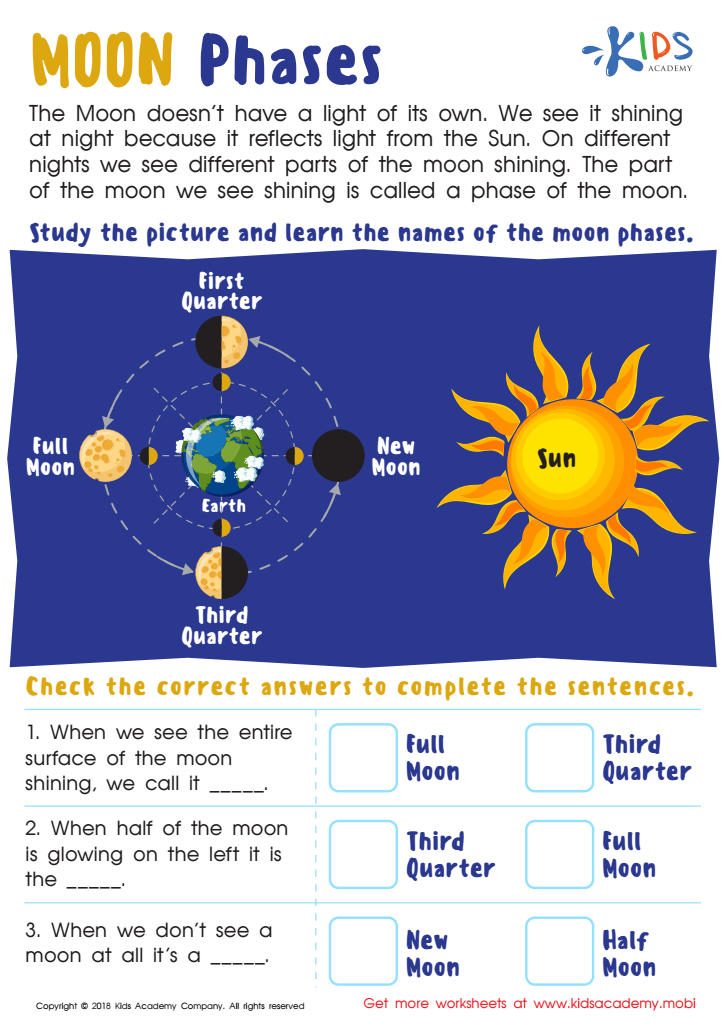
Gaze up at the night sky and the moon's appearance may change from night to night. Encourage your child to learn more about the sun, the moon, and space with this science worksheet. Have them read the text then study the picture. Finally, read the sentences and check the answers to identify the moon's phases.
Moon Phases Worksheet
Worksheet
Energy sources worksheet PDF

Energy Sources Printable

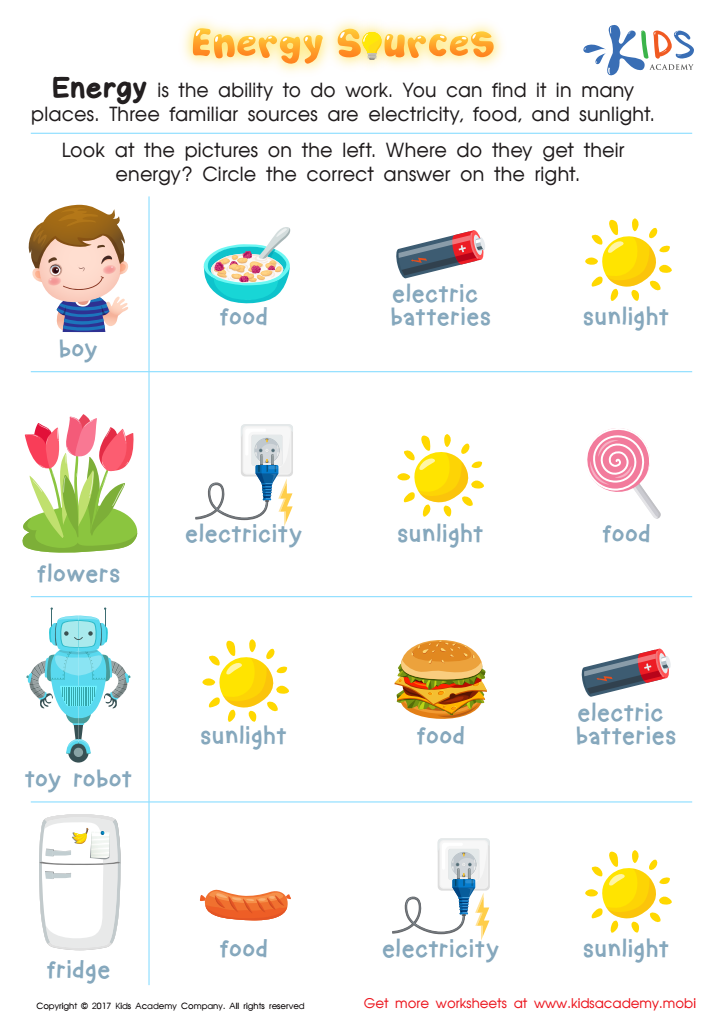
Introduce energy sources with this worksheet PDF — explore the sun, batteries, and more! Get your mini scientist excited about energy and power up their learning.
Energy Sources Printable
Worksheet


Knowledge application is crucial for children aged 4-9 as it fosters critical thinking, problem-solving, and real-world understanding. During these formative years, children are not just absorbing facts; they are developing the ability to use what they’ve learned in meaningful ways. This skill enhances their cognitive development and social-emotional growth, enabling them to make connections between their experiences and new information.

When parents and teachers emphasize knowledge application, they help children engage deeply with concepts rather than memorizing them superficially. For instance, rather than simply learning about numbers, children can apply mathematical concepts through hands-on activities like measuring ingredients during cooking or managing play money in a store setup. This approach cultivates a sense of curiosity and motivation, resulting in more robust learning experiences.

In an era focused on standardized testing, it is essential that education goes beyond rote memorization and instead nurtures skills that prepare children for future challenges. By caring about knowledge application, parents and teachers lay the foundation for lifelong learning, adaptability, and creativity—key competencies that will serve children well in an ever-evolving world. Engaging children in applying their knowledge today ensures they are better equipped for tomorrow's challenges.