
Mathematical reasoning Worksheets for Ages 4-9
69 filtered results
Difficulty Level
Grade
Age
-
From - To
Subject
Activity
Standards
Discover engaging Mathematical Reasoning Worksheets designed specifically for children ages 4-9! These carefully crafted resources help young learners develop essential math skills through fun, interactive activities. Our worksheets focus on key concepts like number recognition, basic addition and subtraction, patterns, and problem-solving. With vibrant visuals and age-appropriate challenges, kids will enjoy enhancing their critical thinking skills while building a solid foundation in mathematics. Perfect for home or classroom use, these worksheets aim to foster a love for math, making learning enjoyable and effective. Explore our collection today and watch your child's confidence in math soar!
Favorites
With answer key
Interactive
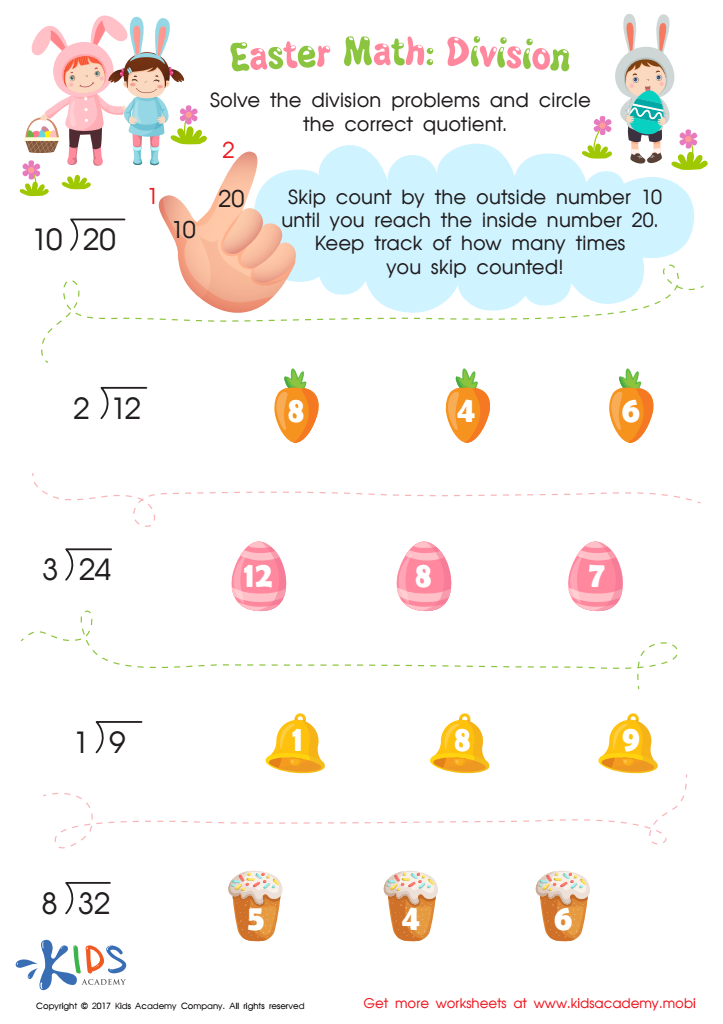
Division Worksheet
Try this Easter-themed PDF worksheet for grade 3: perfect for teaching division with a fun, new trick! It's full of bright, colorful pictures your child will love, and it's as easy as skip counting to solve the problems.
 Assign to My Students
Division Worksheet
Worksheet
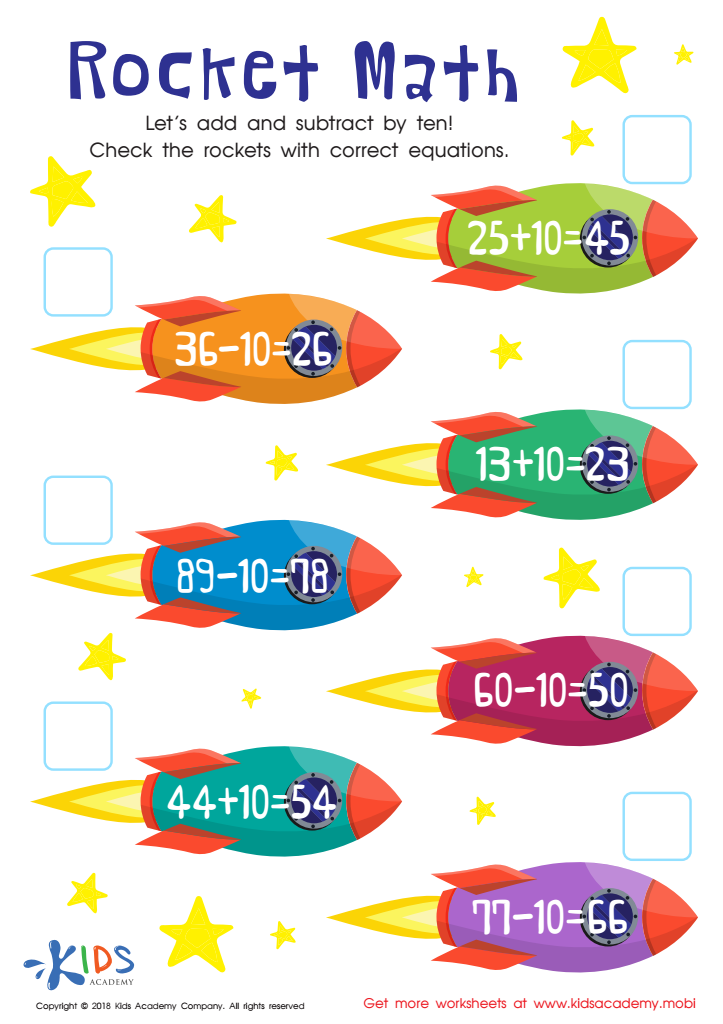
Rocket Math Worksheet
Your students will be math wizards in no time as they blast off on this exciting and colorful PDF worksheet. They'll use the 10s strategy to practice addition and subtraction, and they'll learn to skip count forwards and backwards. Keep them engaged and make learning fun!
Rocket Math Worksheet
Worksheet
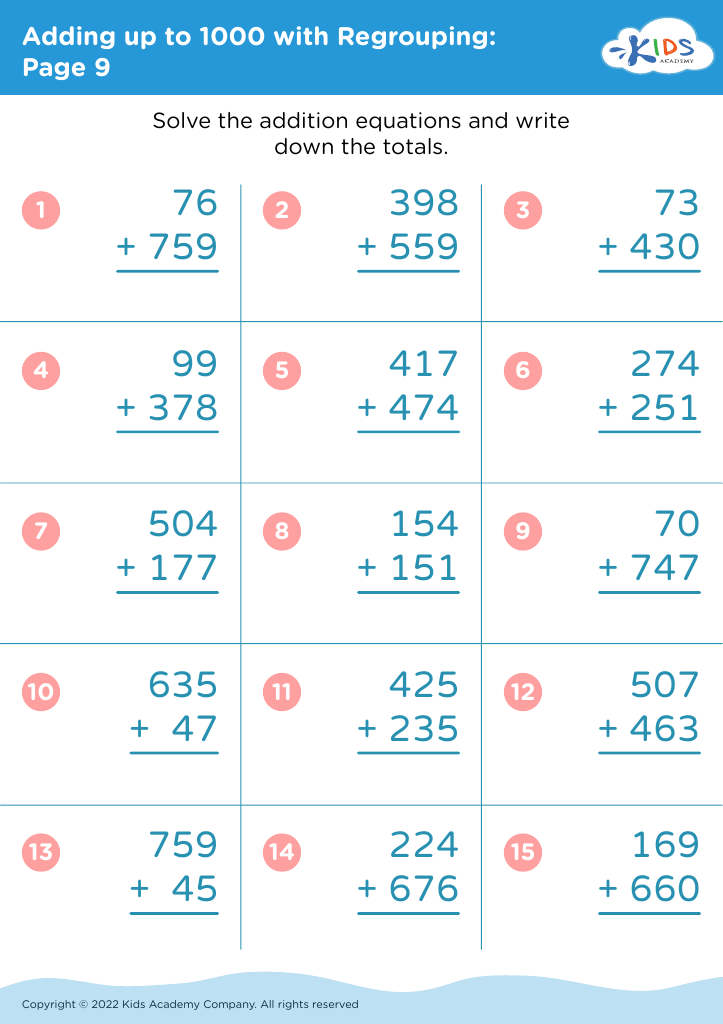
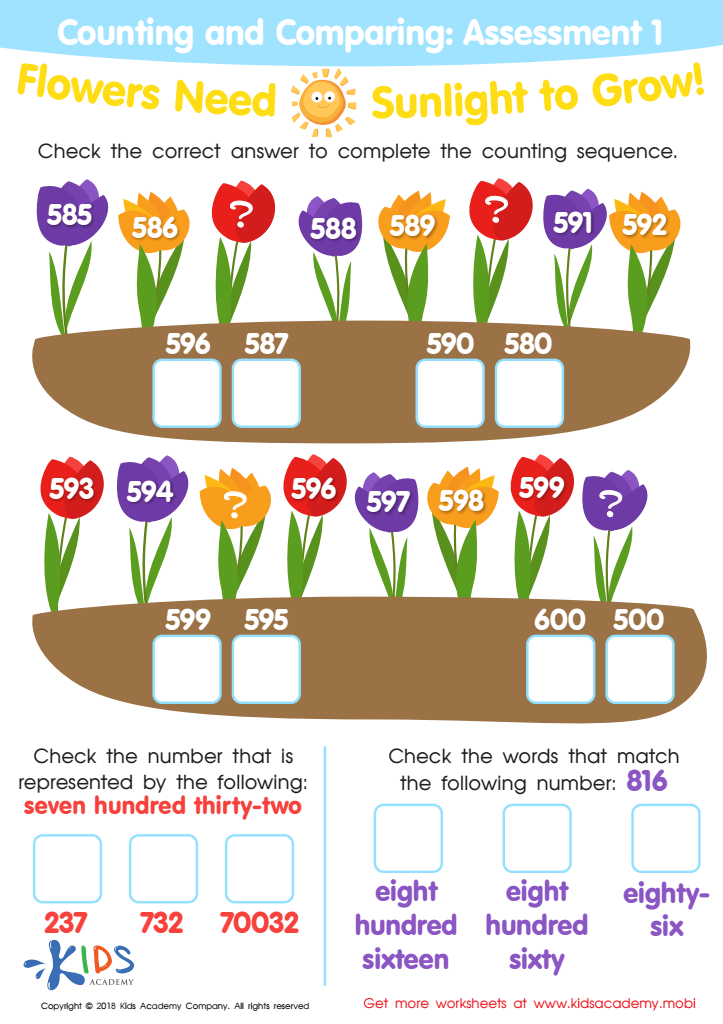
Counting and Comparing: Assessment 1 Worksheet
Download this worksheet and let your students show their progress in identifying, sequencing, and matching numbers and written forms. They'll practice number line skills and matching numeric expressions with numbers. Quickly see how well they understand computation concepts.
Counting and Comparing: Assessment 1 Worksheet
Worksheet
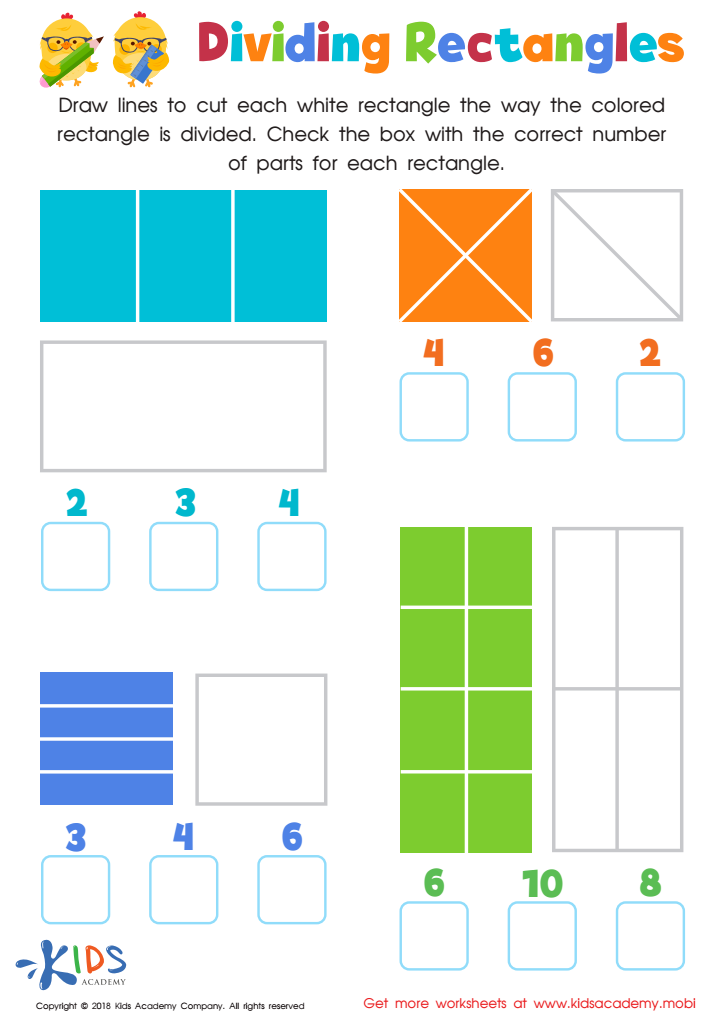
Dividing Rectangles Worksheet
Ask your child to draw lines to divide the white rectangles like the colored ones. Then, have them count the parts in each and choose the correct number. This worksheet will help them practice counting and dividing.
Dividing Rectangles Worksheet
Worksheet
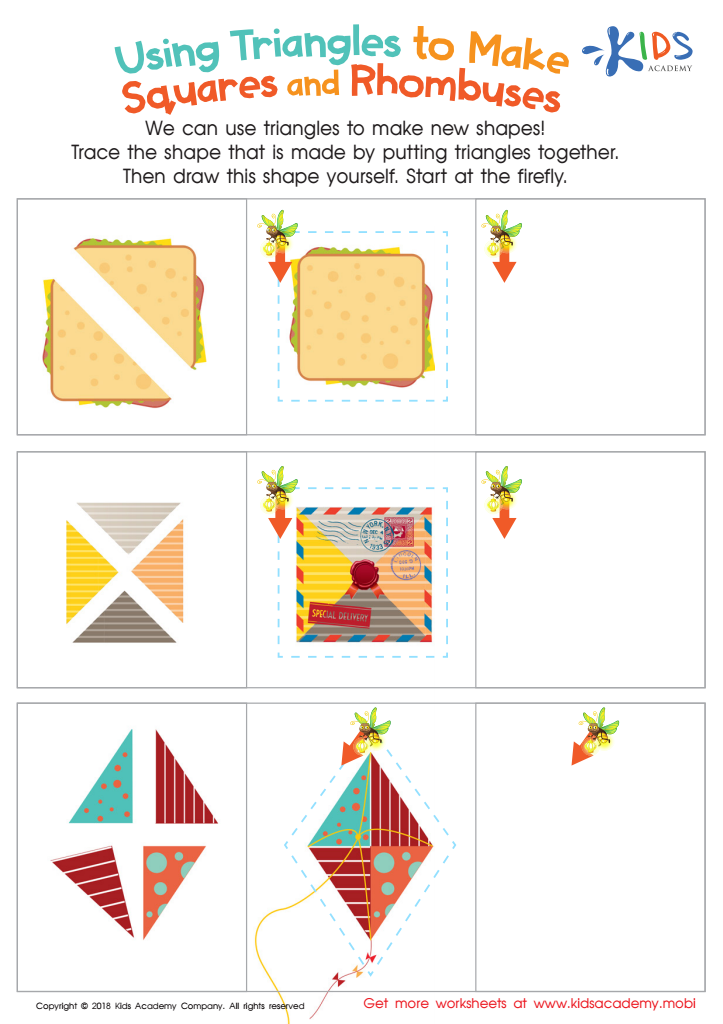
Using Triangles to Make Squares and Rhombuses Worksheet
Learning shapes is a fun way to boost spatial skills and critical thinking. This worksheet shows children how to use triangles to construct squares and rhombuses. Clear illustrations and a printout help children draw the new shape. A great activity for the math classroom! 80 words.
Using Triangles to Make Squares and Rhombuses Worksheet
Worksheet
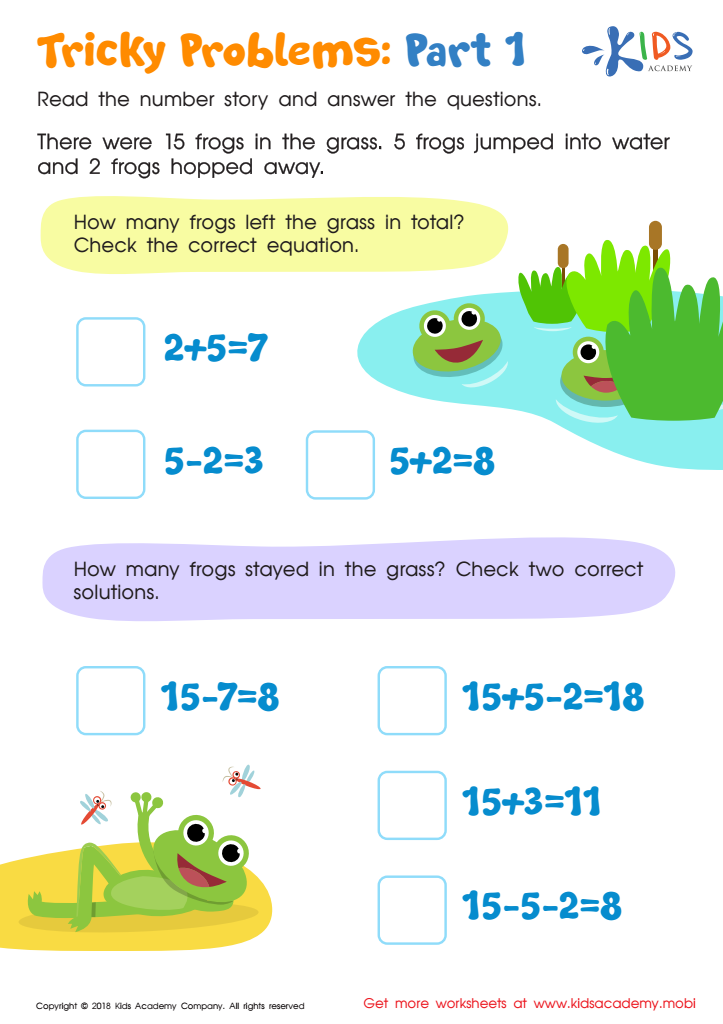
Tricky Problems Worksheet: Part 1
Visualizing word problems can help students solve them. This fun PDF worksheet encourages students to create mental images using math facts, then check boxes to match the equations for basic addition problems. It's a great way to build confidence in solving math.
Tricky Problems Worksheet: Part 1
Worksheet
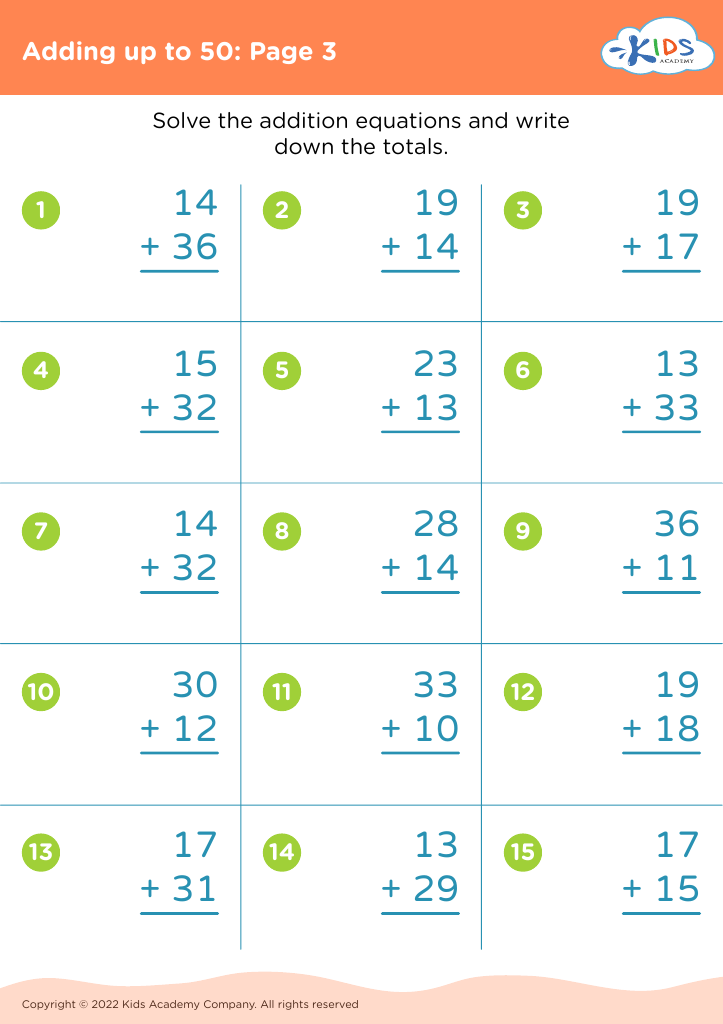
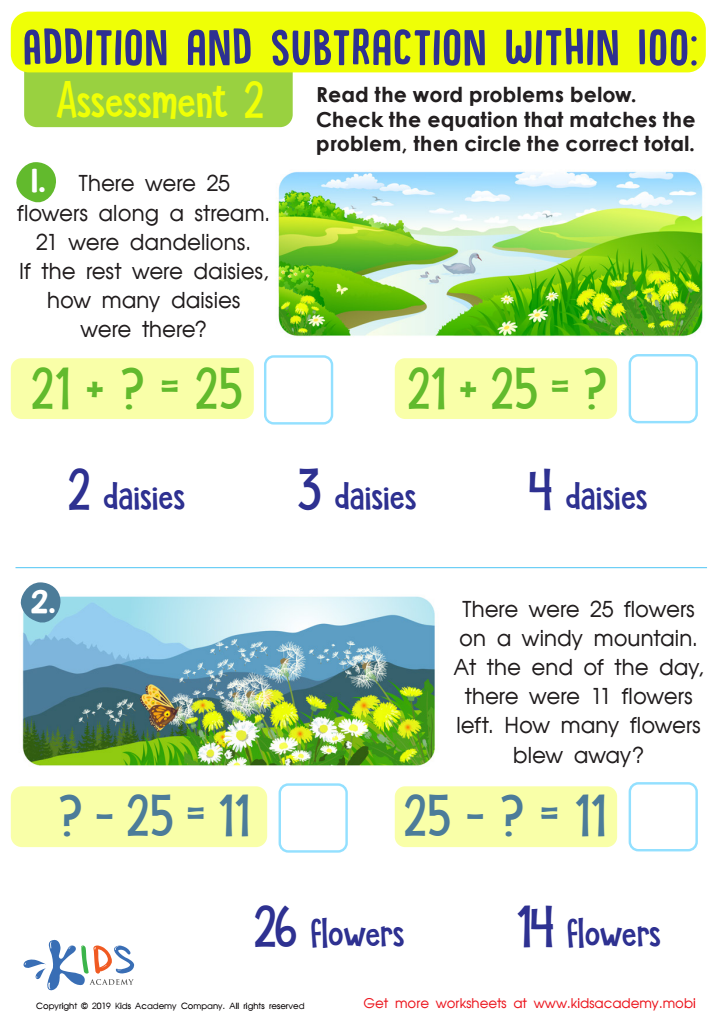
Assessment 2 Math Worksheet
Using fun exercises and pictures, you can get kids excited about math. With practice and reminders of what they've learnt, they'll be solving simple addition and subtraction equations with ease. Read the word problems in the picture to them, then help them check the equation and choose the correct answer.
Assessment 2 Math Worksheet
Worksheet
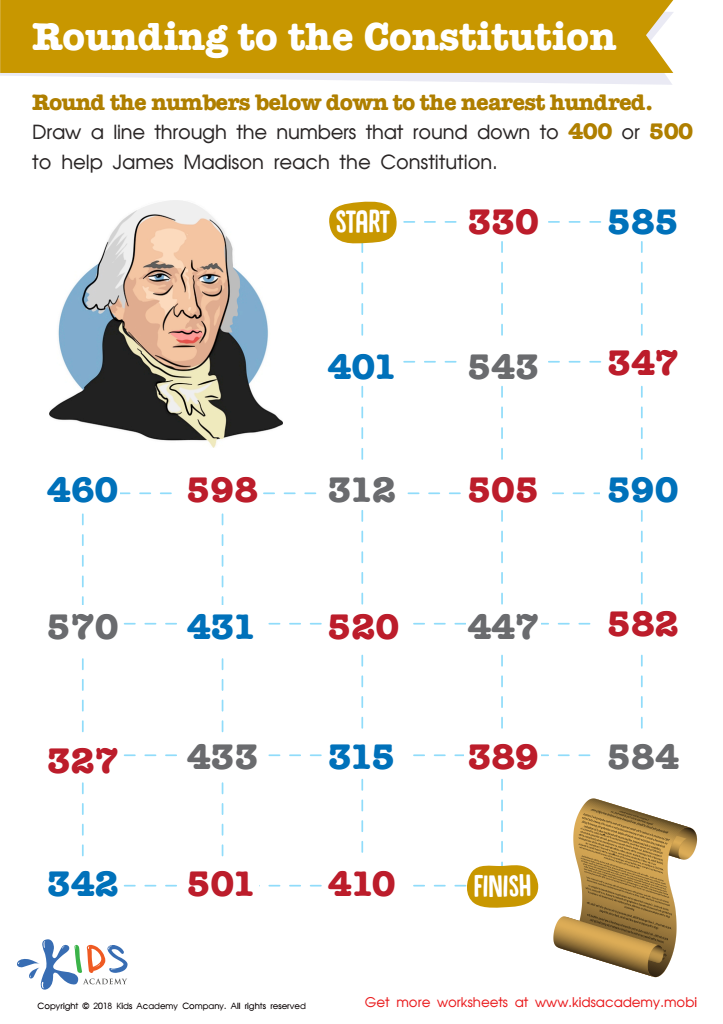
Rounding to the Constitution Worksheet
Before starting this traceable worksheet, ask your students: who is James Madison? If they know, you're doing great! If not, now's your chance to give a quick history lesson. Then, ask them to round the numbers to the nearest numbers. Get your students to draw a line through the numbers that round down to 400/500, to help James Madison reach the Constitution.
Rounding to the Constitution Worksheet
Worksheet
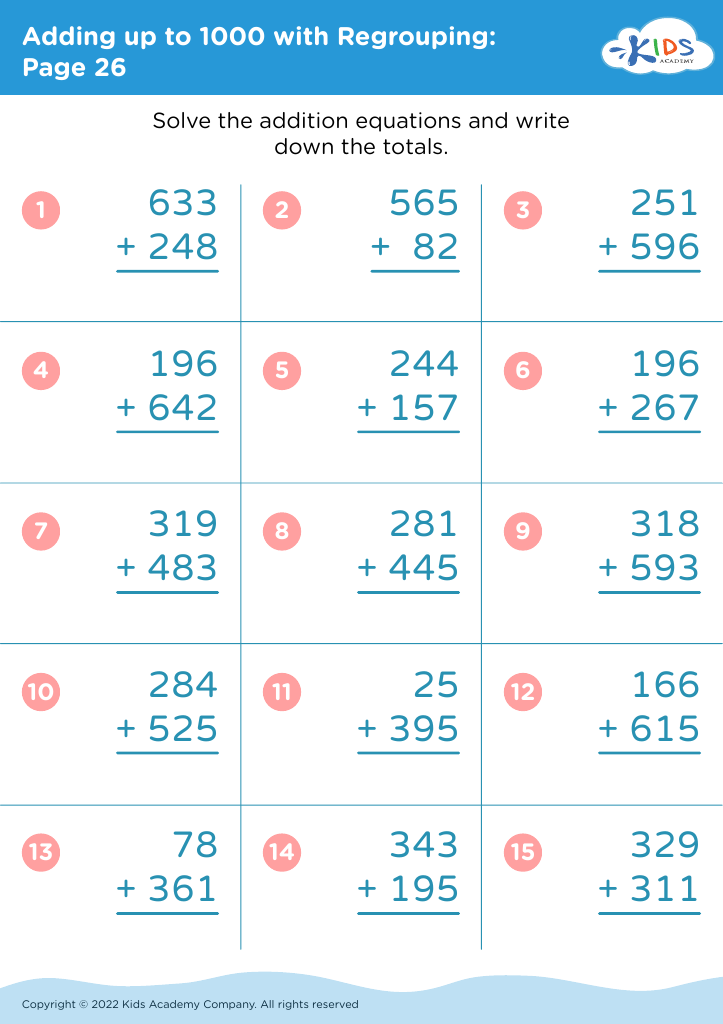
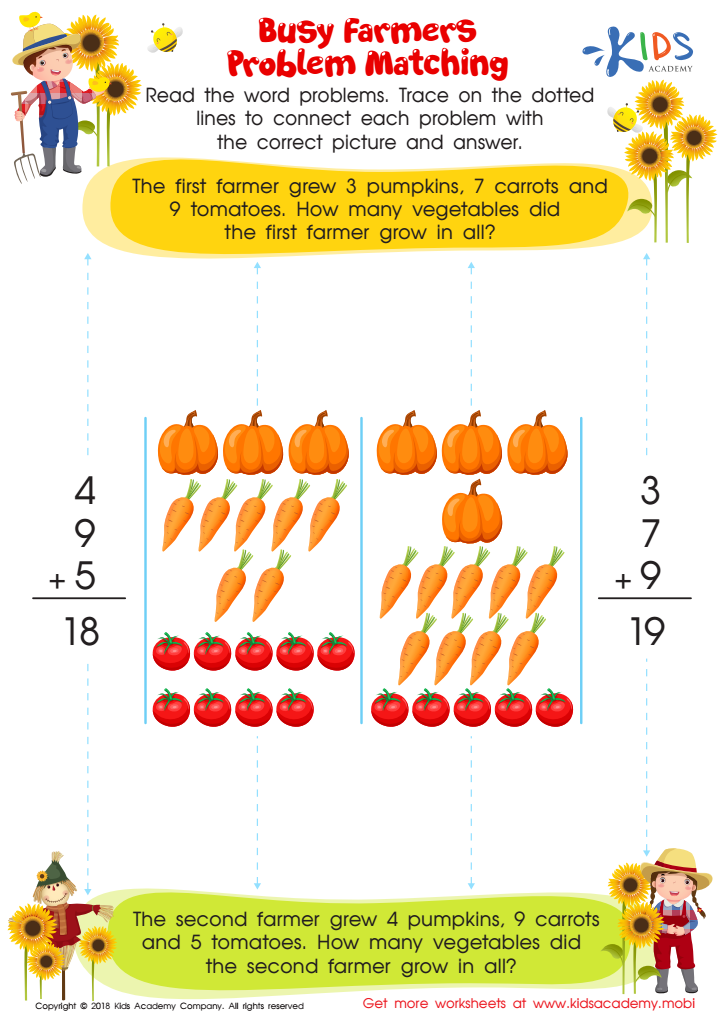
Busy Farmers: Problem Matching Worksheet
Farming is tough, so help your mathematician out with this fun and stimulating worksheet! They'll read word problems and connect each to its correct picture, using traceable lines. They'll practice addition with three addends, and use the harvest veg pictures to ensure accuracy.
Busy Farmers: Problem Matching Worksheet
Worksheet
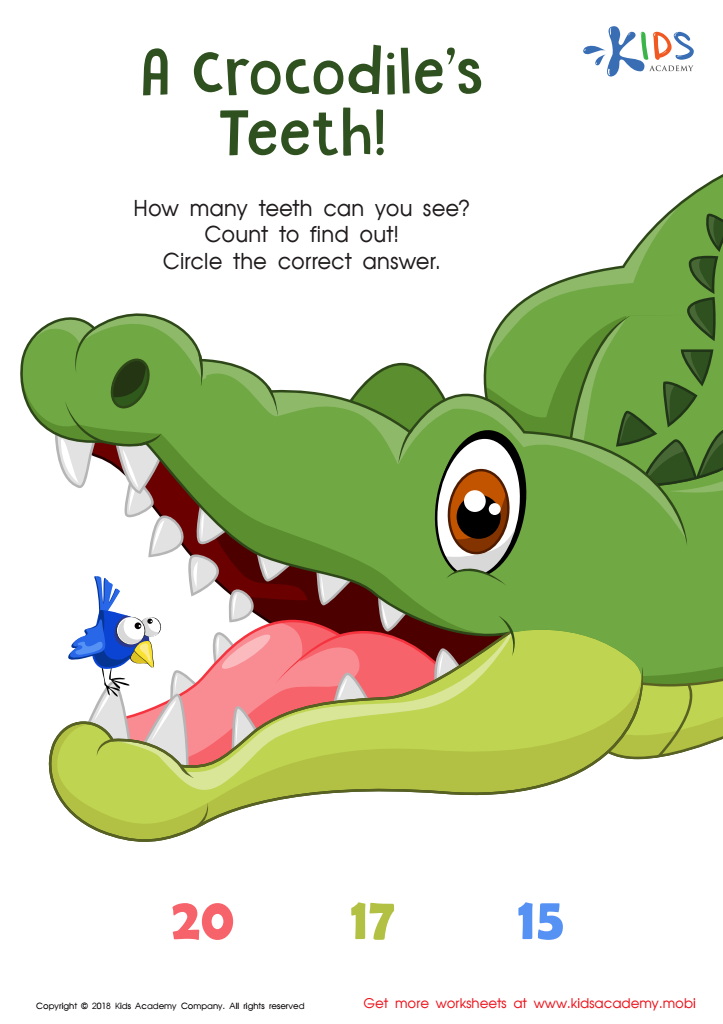
A Crocodile's Teeth Worksheet
Show your child the animal image and ask them to identify it. If they watch animal shows, they'll likely be interested. Count the teeth together, then look at the options and help them circle the right one.
A Crocodile's Teeth Worksheet
Worksheet
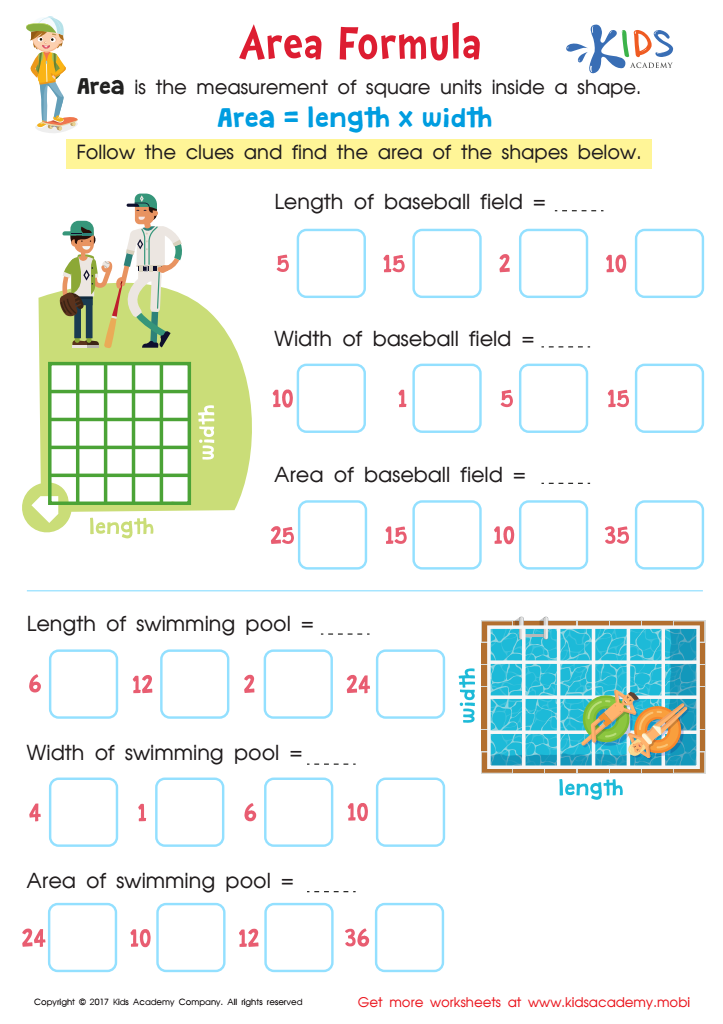
Area Formula Worksheet
This fun-filled area formula worksheet PDF helps kids learn the geometric concept of area. It breaks down the formula with easy-to-follow steps, starting with counting squares to determine the length and width, then multiplying them to get the area.
Area Formula Worksheet
Worksheet
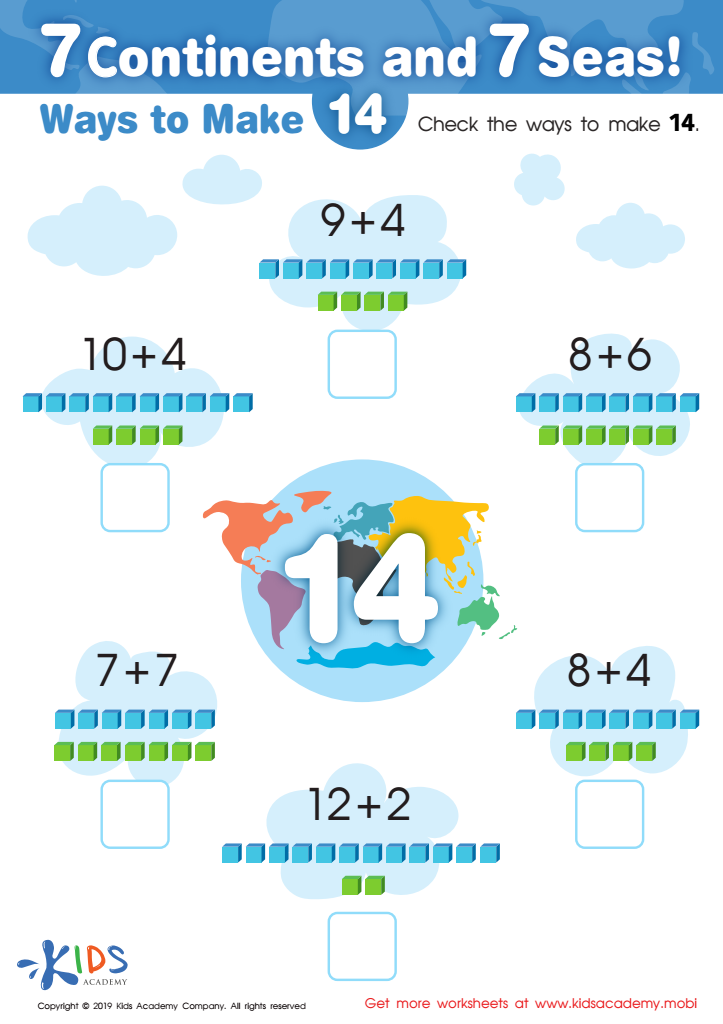
7 Continents and 7 Seas Worksheet
Remind kids of the continents and show them how different numbers can add up to the same figure. Give examples, like 2+2 =4, and 3+1 =4. Ask if they can provide other examples, then work through the simple additions in this worksheet with them. Ask them to circle all equations that make 14.
7 Continents and 7 Seas Worksheet
Worksheet
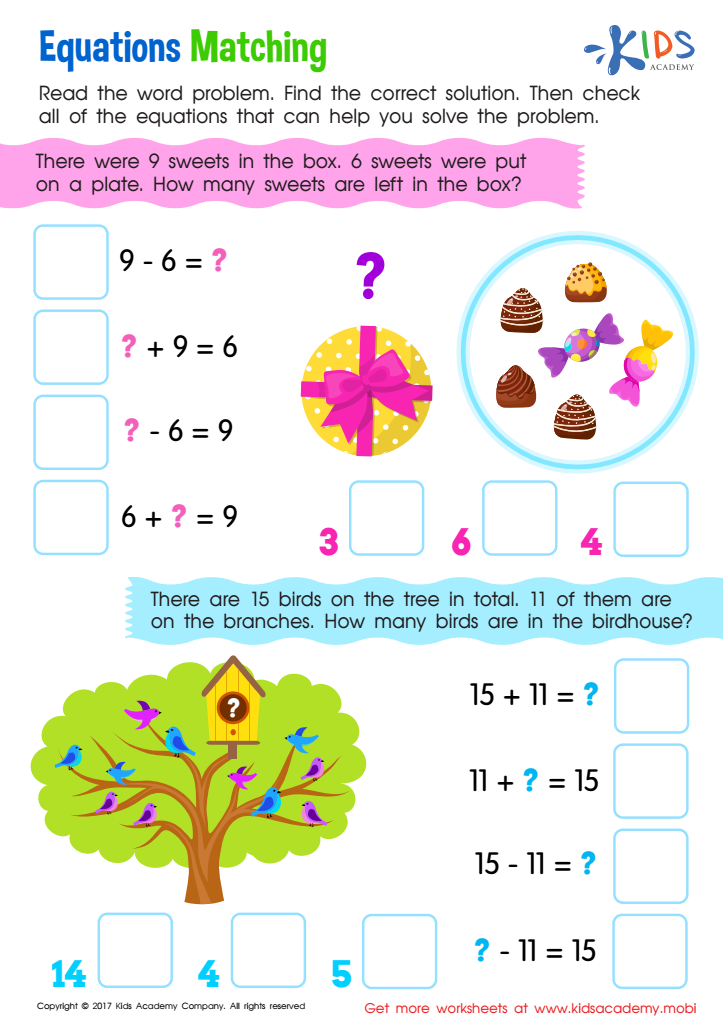
Equations Matching Word Problems Worksheet
Download this worksheet and give your young mathematician practice in solving equations using matching numbers and number family facts. They'll solve word problems, develop critical thinking and algebraic reasoning, and gain success with addition and subtraction.
Equations Matching Word Problems Worksheet
Worksheet
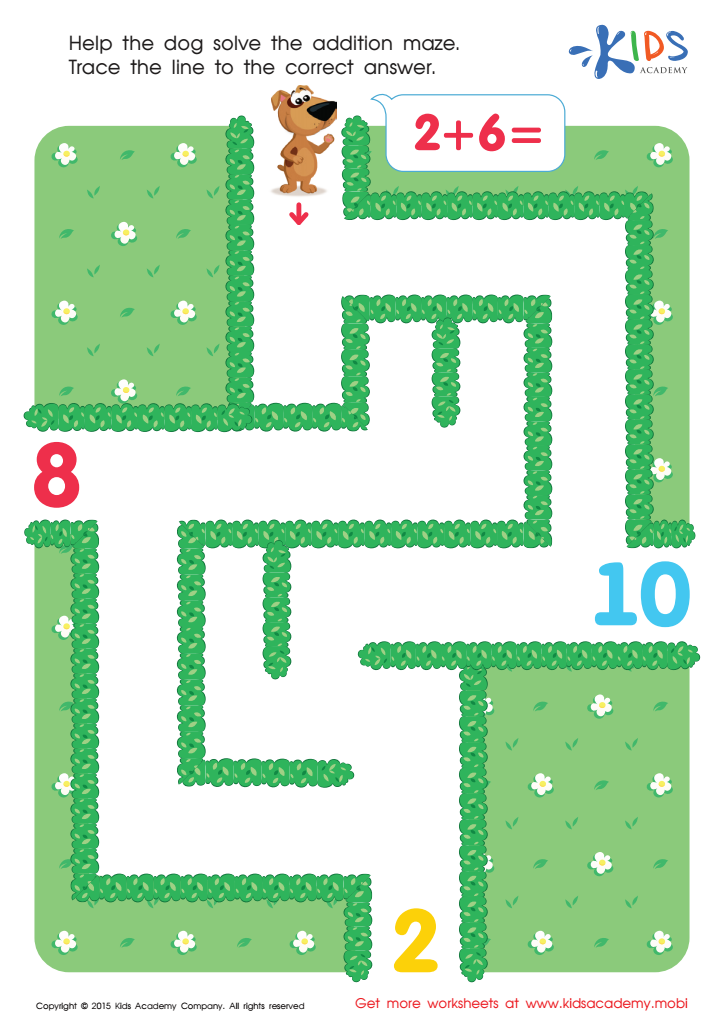
Two Plus Six Addition Worksheet
Make maths fun and interesting for your preschooler with our kindergarten addition worksheets. Help the dog to trace the right path to the correct answer and explore our free printable addition and subtraction worksheets. Visit our site for more study materials.
Two Plus Six Addition Worksheet
Worksheet
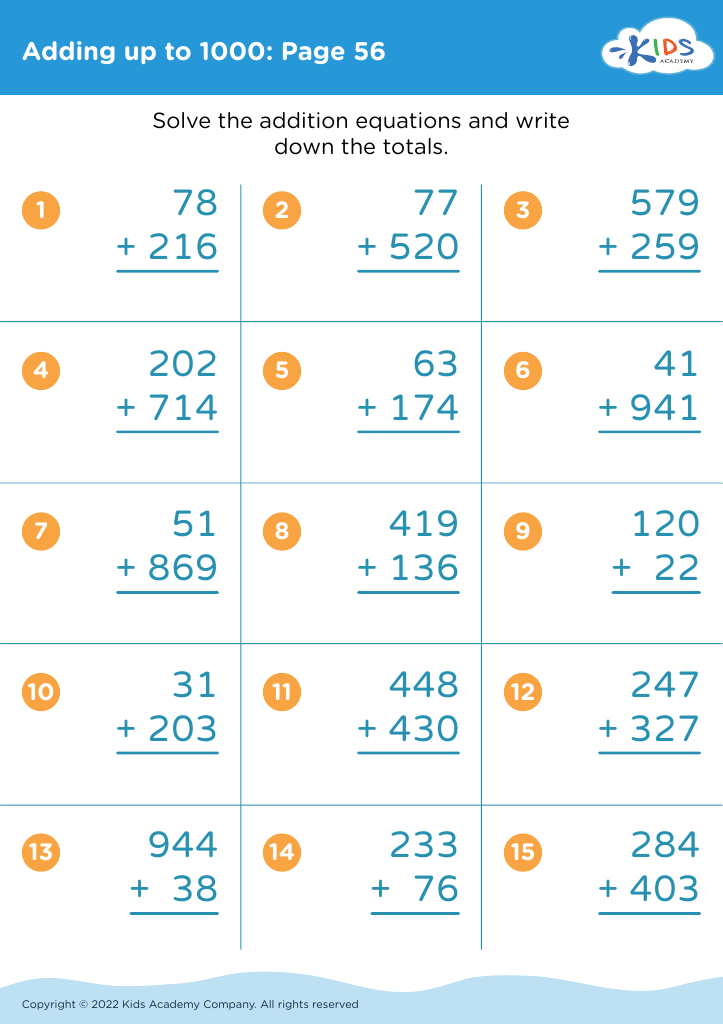
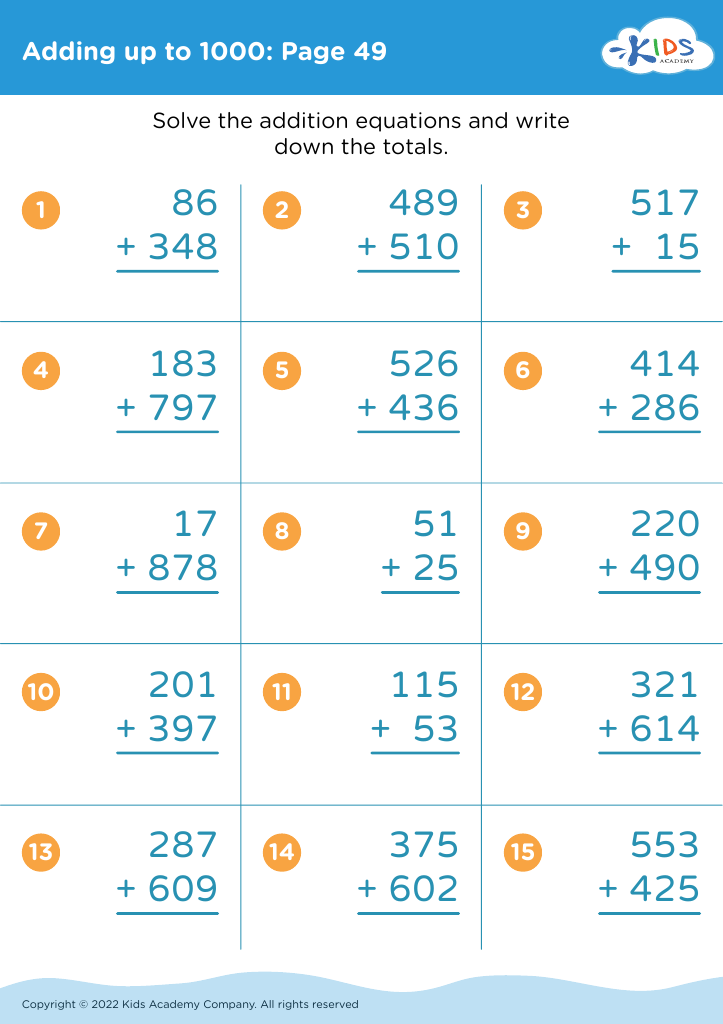
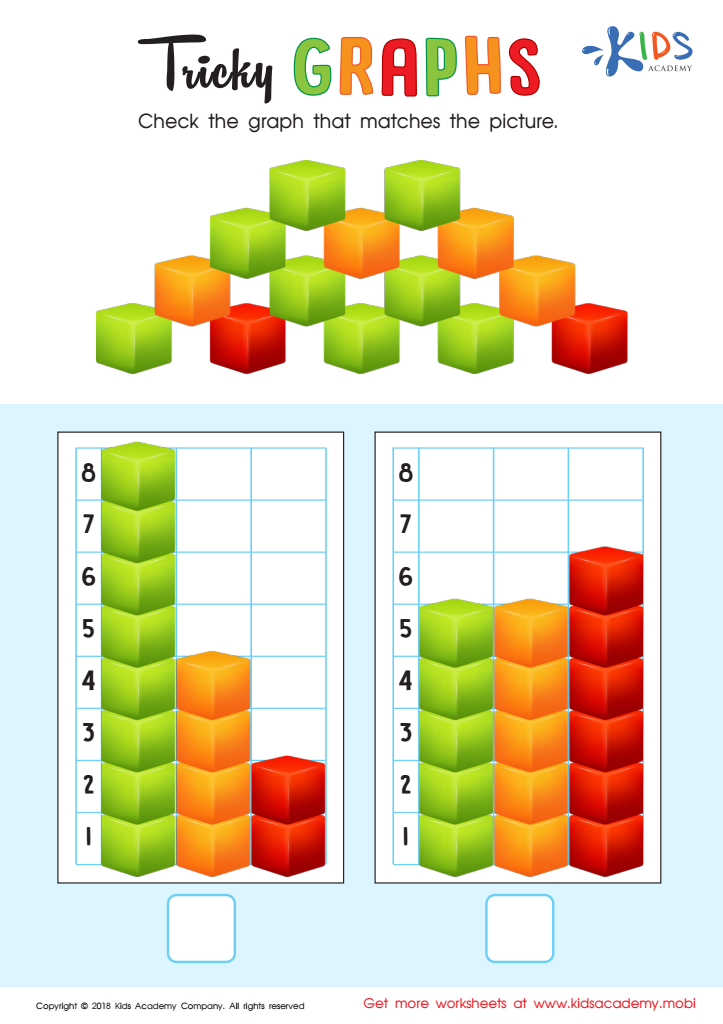
Tricky Graphs Worksheet
Looking for a fun way to sharpen your kid's graphing skills? Get this colorful PDF worksheet! They'll get to practice visual discrimination, counting, and creating bar graphs. Plus, graphing and reading graphs are essential for problem-solving in math.
Tricky Graphs Worksheet
Worksheet
Join Kids Academy for Free
Who is primarily going to use this learning content?





.jpg)


Mathematical reasoning is a foundational skill that plays a crucial role in a child's overall cognitive development, particularly during the ages of 4 to 9. During these formative years, children begin to form concepts of numbers, patterns, and relationships, which are essential for higher-level mathematics. When parents and teachers emphasize mathematical reasoning, they nurture critical thinking, problem-solving abilities, and logical reasoning skills that extend beyond math itself.
Understanding mathematical concepts helps children approach challenges with a solution-oriented mindset, fostering perseverance as they encounter complex problems. Moreover, strong mathematical reasoning promotes confidence in a child’s abilities, encouraging active participation in learning. Early engagement with these skills equips children with the tools they need for future academic pursuits and everyday encounters, such as finance, science, and technology.
Additionally, mathematical reasoning reinforces language development, as children learn to articulate their thought processes and reasoning. This cognitive skill also supports creativity, as they explore different strategies to solve problems. Ultimately, nurturing mathematical reasoning during these crucial years lays a solid foundation for lifelong learning, helps children make meaningful connections in diverse contexts, and prepares them to navigate an increasingly numerate world. Therefore, parents and teachers should prioritize this aspect of education.








