Numerical reasoning Worksheets for Ages 4-9
5 filtered results
-
From - To
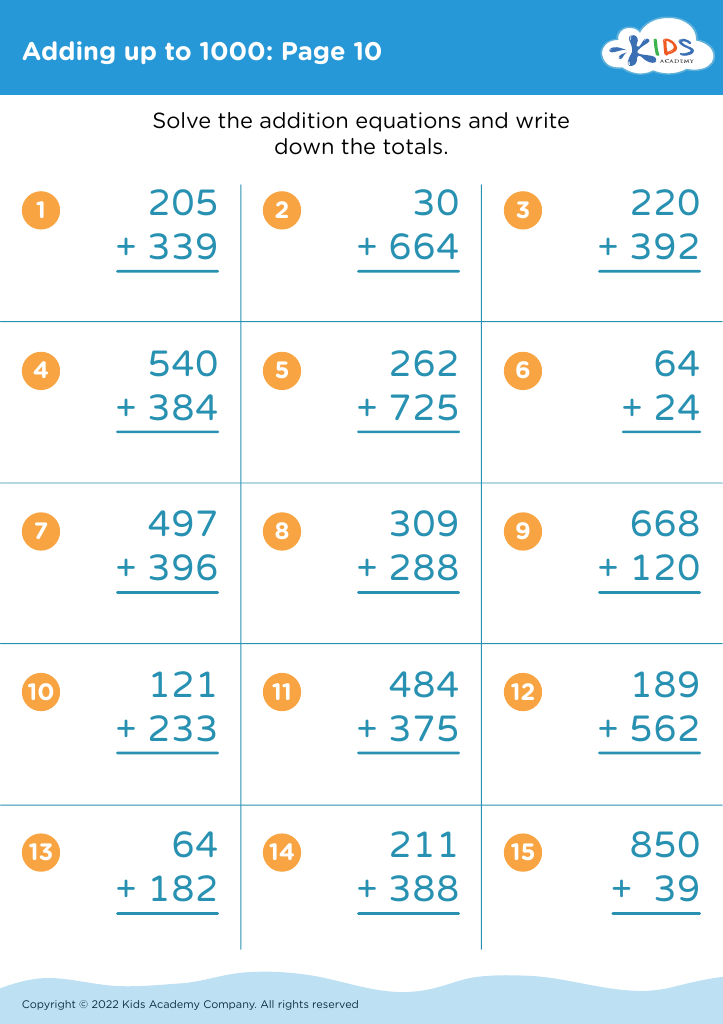
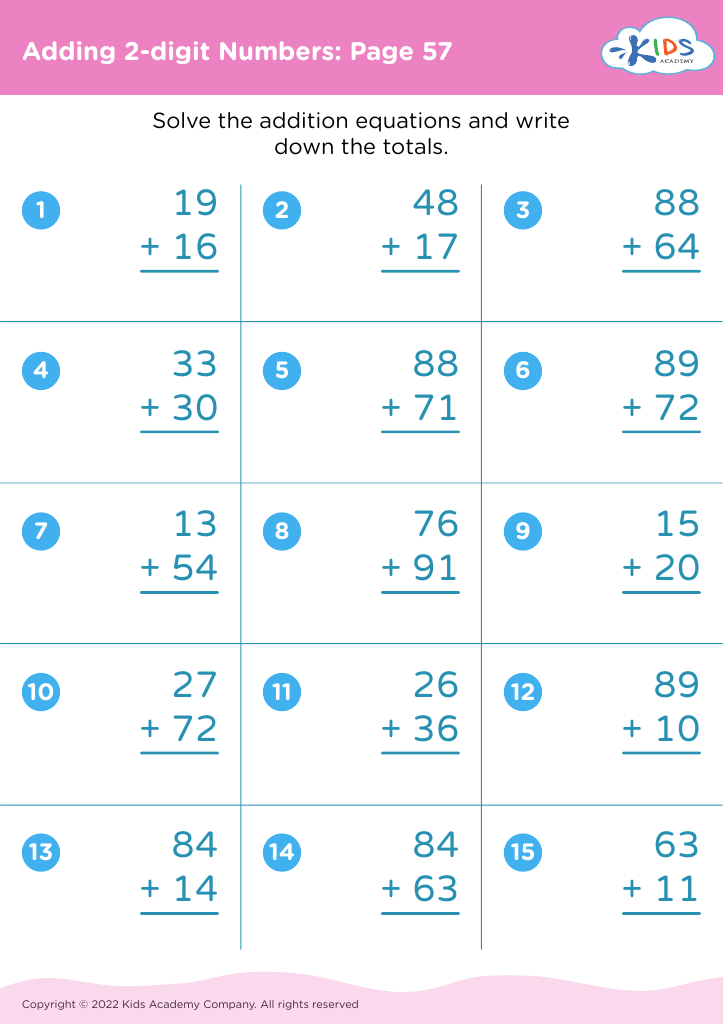
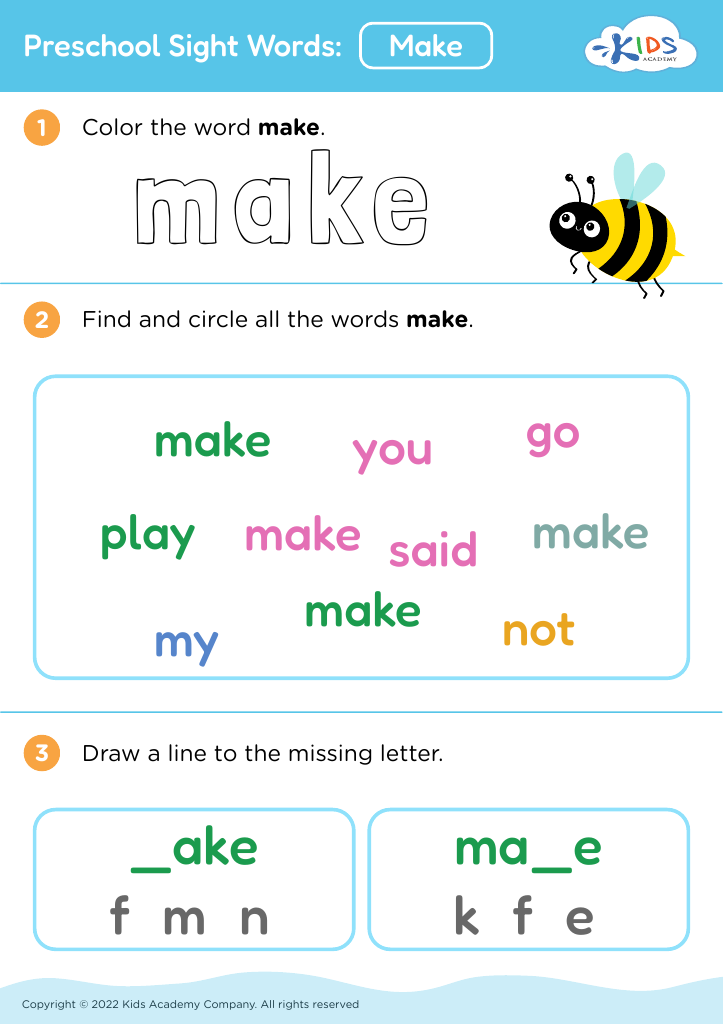
Explore our engaging Numerical Reasoning Worksheets for ages 4-9, designed to build foundational math skills through fun and interactive activities. These worksheets help young learners develop critical thinking and problem-solving abilities by introducing essential concepts like counting, basic addition and subtraction, and number patterns. With colorful illustrations and age-appropriate challenges, kids will enjoy practicing numerical reasoning while boosting their confidence in math. Perfect for at-home learning or classroom use, our worksheets support a comprehensive approach to early mathematics. Empower your child’s learning journey with these valuable resources that make math both enjoyable and effective!
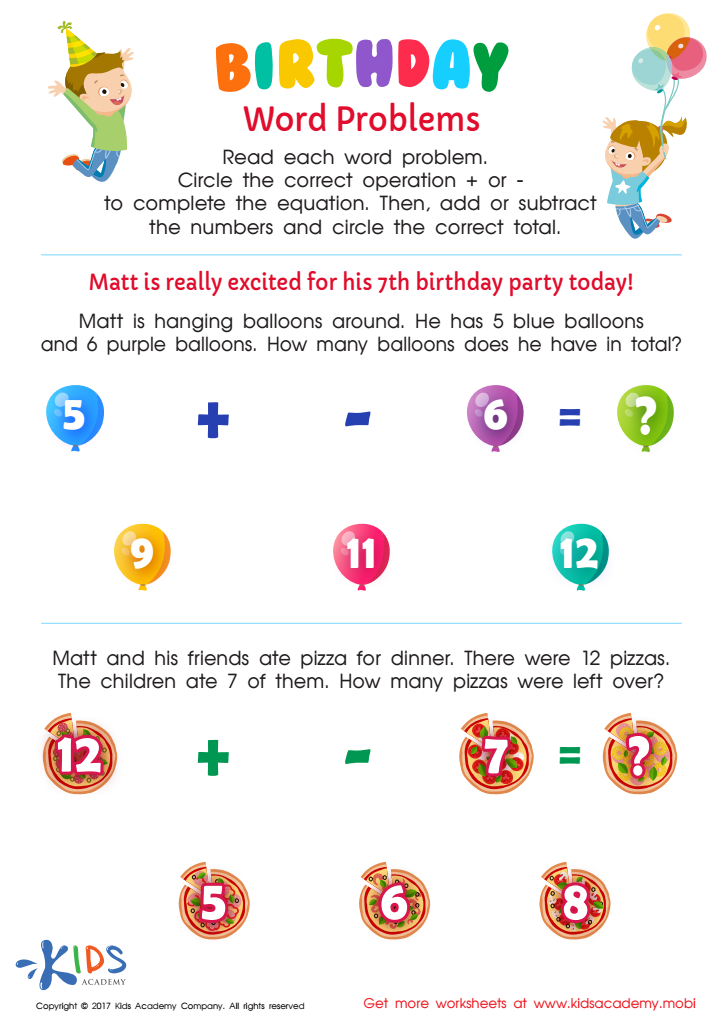
Birthday Word Problems Substraction Worksheet
 Assign to My Students








Numerical reasoning is a foundational skill that significantly impacts a child's academic growth and everyday problem-solving abilities. For children ages 4 to 9, developing a strong grasp of numerical reasoning lays the groundwork for more advanced math concepts and critical thinking skills they will encounter in later grades. Parents and teachers should care deeply about this development because it shapes how children understand numbers, relationships, and basic arithmetic, equipping them with tools needed to navigate a world increasingly driven by technology and data.
Moreover, early mastery of numerical reasoning fosters a positive attitude towards math, reducing anxiety and promoting confidence. Engaging children in activities that involve counting, patterns, and simple measurements not only enhances their cognitive skills but also encourages a love for learning. Additionally, strong numerical skills can aid in everyday tasks such as budgeting, shopping, and understanding time, making it a valuable life skill.
By prioritizing numerical reasoning during these formative years, parents and teachers can support their children in achieving academic success, enhancing their problem-solving capabilities, and preparing them for future challenges in a STEM-oriented society. Ultimately, instilling these skills early promotes lifelong learning and helps children navigate their contemporary world more effectively.








