Observational skills Worksheets for Ages 4-9 - Page 2
30 filtered results
-
From - To
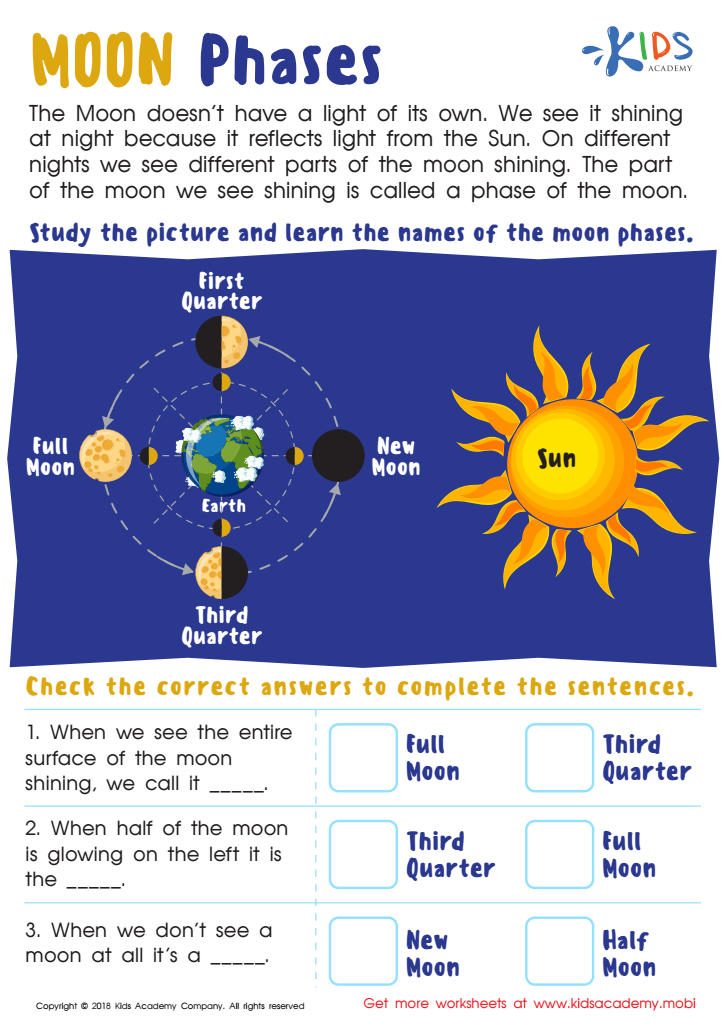
Moon Phases Worksheet
 Assign to My Students
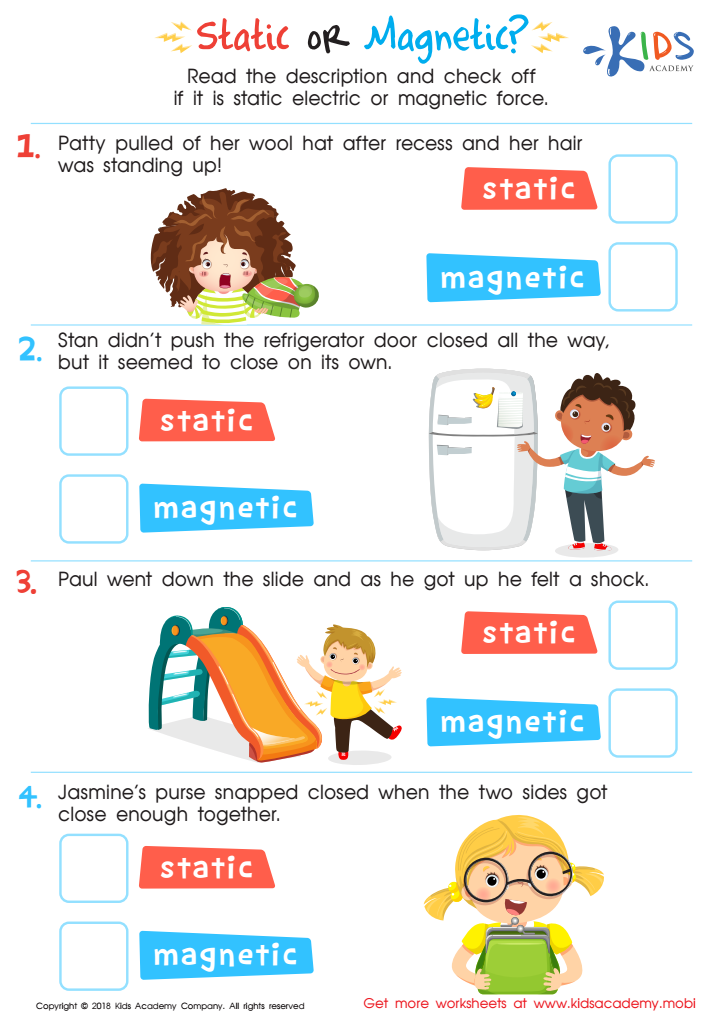
Static or Magnetic Printable Worksheet
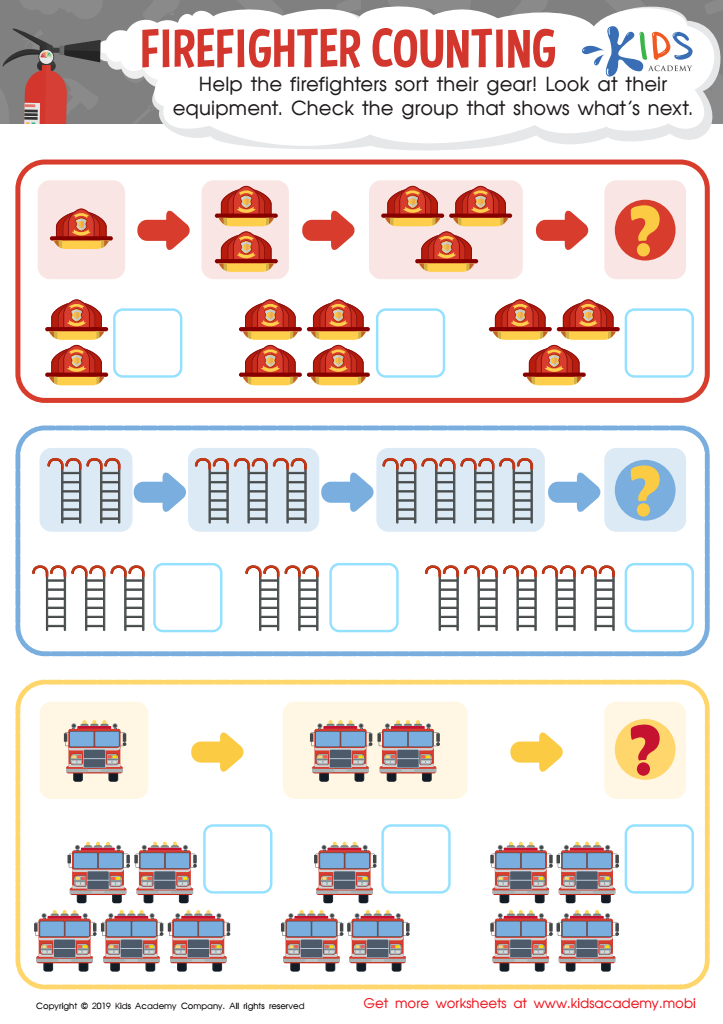
Firefighter Counting Worksheet
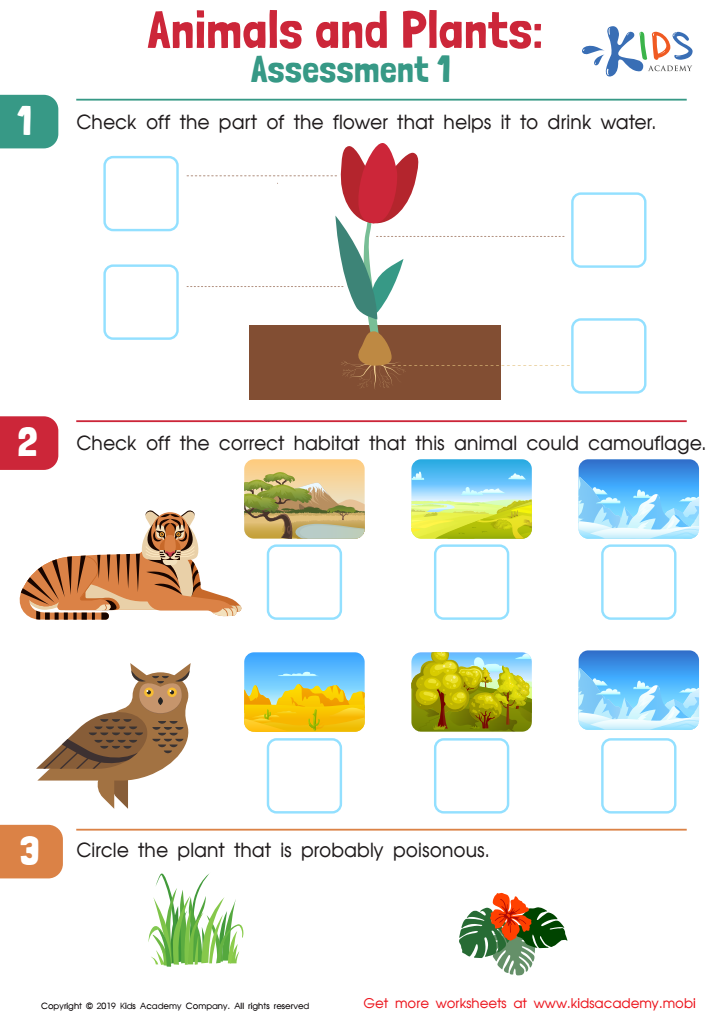
Animals and Plants: Assessment 1 Worksheet








Observational skills are crucial for children aged 4-9 as they lay the foundation for critical thinking, problem-solving, and social interactions. By honing these skills, children learn to notice details in their environments, facilitating their understanding of the world around them. For parents and teachers, fostering these skills can lead to enhanced cognitive development and deeper curiosity in kids, encouraging them to ask questions and seek answers independently.
Developing observational skills can also improve communication abilities within this age group, as children become adept at articulating what they see and feel. By guiding children in observing their surroundings, adults help them connect to experiential learning, which is vital at this stage of development.
Furthermore, keen observational skills aid emotional intelligence. Young children can learn to recognize non-verbal cues in peers, promoting empathy and better social cohesion. This capacity to observe and interpret social dynamics contributes to healthier relationships and a supportive classroom environment.
In short, parents and teachers should prioritize observational skills because they empower children to explore, engage, and understand the world coherently, setting the cornerstone for lifelong learning, adaptability, and social competency. Building these skills early ensures that children are well-equipped for future academic and interpersonal successes.








