Check out this FREE "Understanding fractions" Trial Lesson for age 4-9!

Match Objects that Fit Together

Favorites
With answer key
Interactive
  • 4-9
  • Understanding fractions
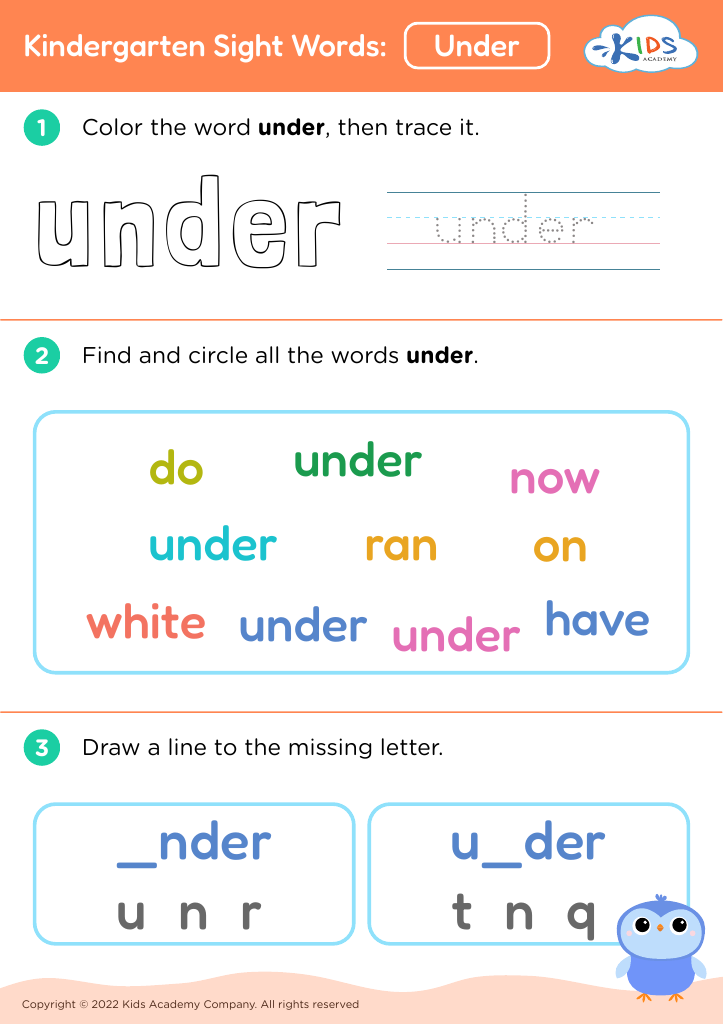
Kindergarten Sight Words: Under

Kindergarten Sight Words: Under

Kindergarten Sight Words: Under
Worksheet
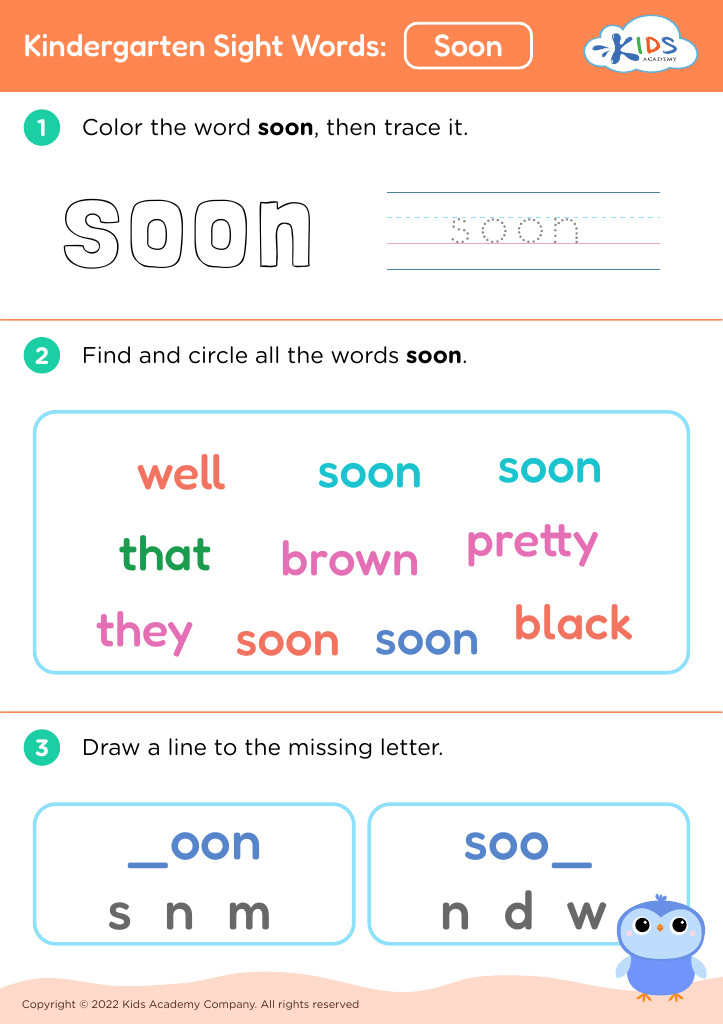
Kindergarten Sight Words: Soon

Kindergarten Sight Words: Soon

Kindergarten Sight Words: Soon
Worksheet
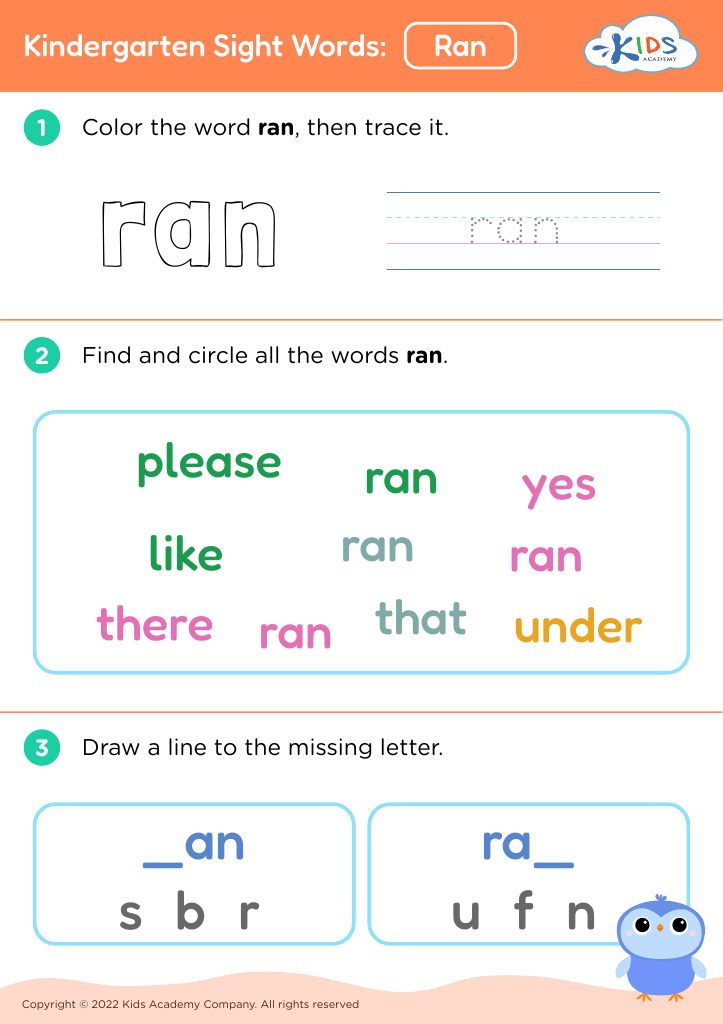
Kindergarten Sight Words: Ran

Kindergarten Sight Words: Ran

Kindergarten Sight Words: Ran
Worksheet
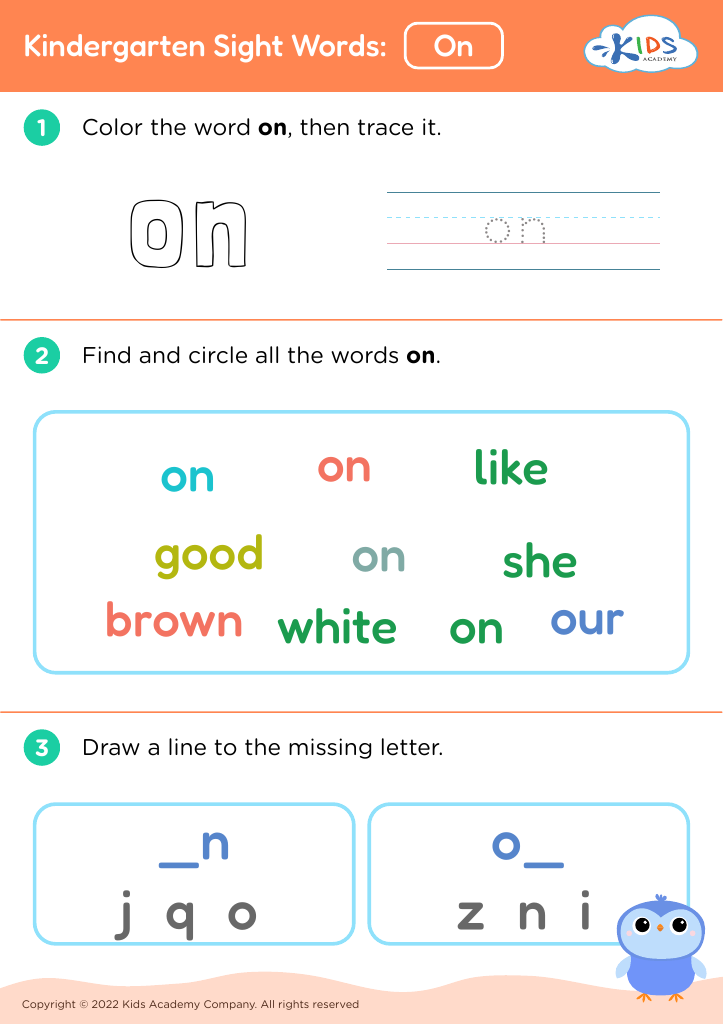
Kindergarten Sight Words: On

Kindergarten Sight Words: On

Kindergarten Sight Words: On
Worksheet
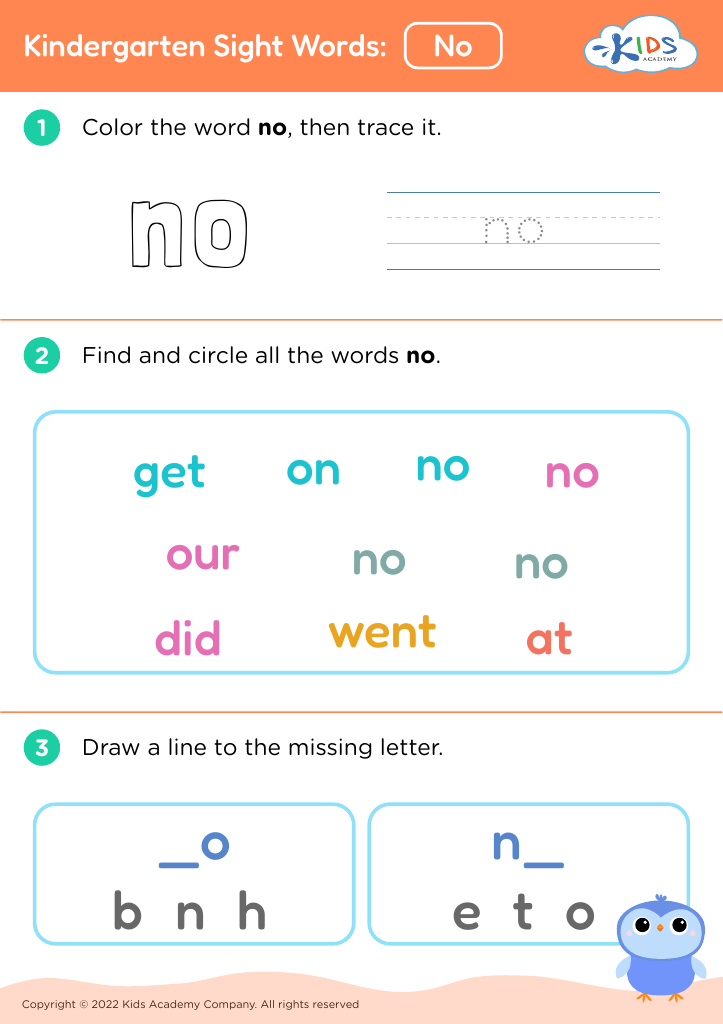
Kindergarten Sight Words: No

Kindergarten Sight Words: No

Kindergarten Sight Words: No
Worksheet
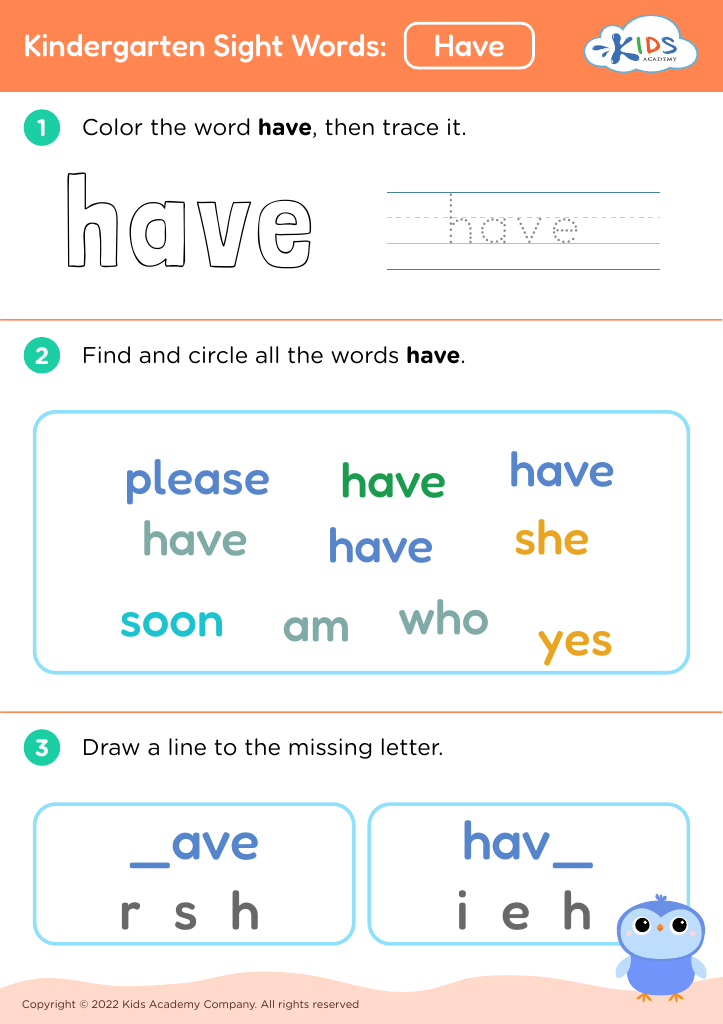
Kindergarten Sight Words: Have

Kindergarten Sight Words: Have

Kindergarten Sight Words: Have
Worksheet
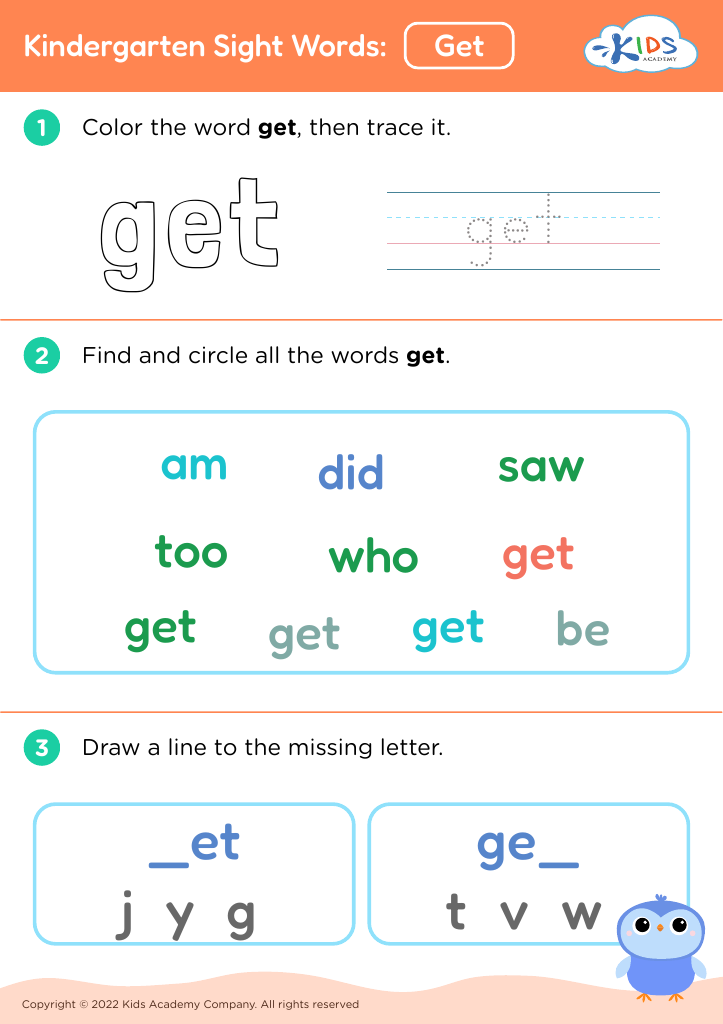
Kindergarten Sight Words: Get

Kindergarten Sight Words: Get

Kindergarten Sight Words: Get
Worksheet
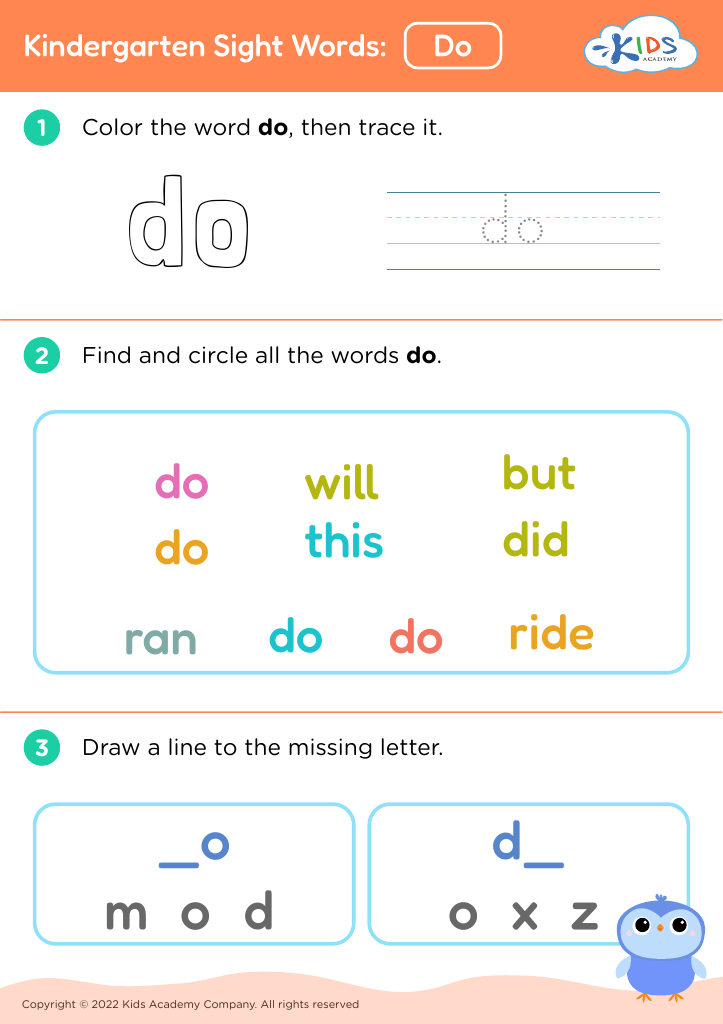
Kindergarten Sight Words: Do

Kindergarten Sight Words: Do

Kindergarten Sight Words: Do
Worksheet
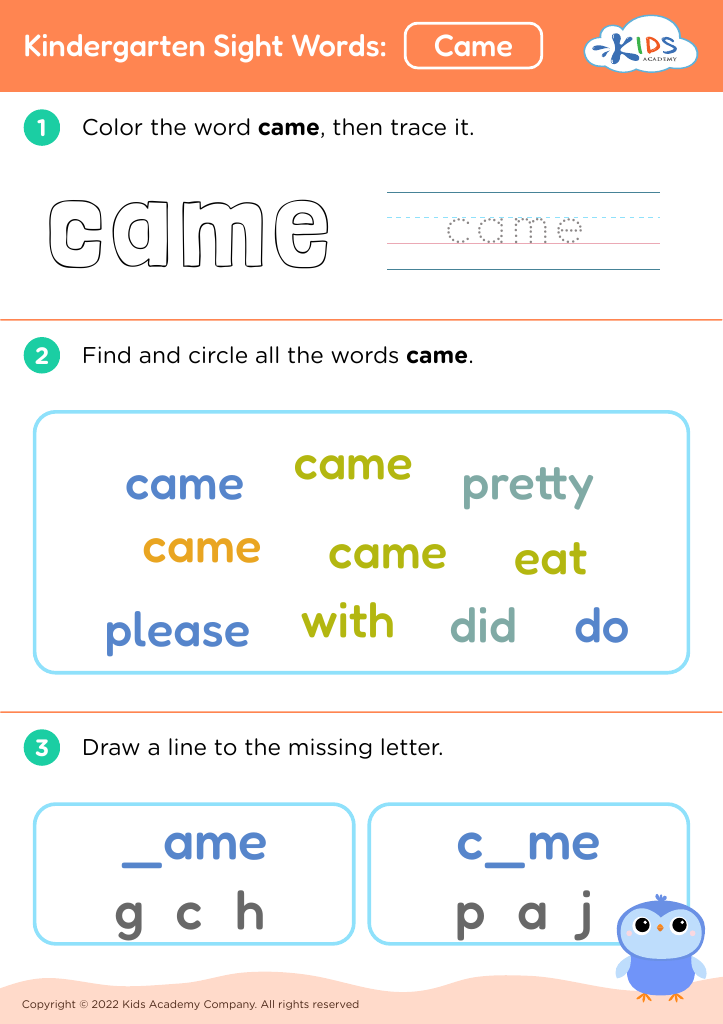
Kindergarten Sight Words: Came

Kindergarten Sight Words: Came

Kindergarten Sight Words: Came
Worksheet
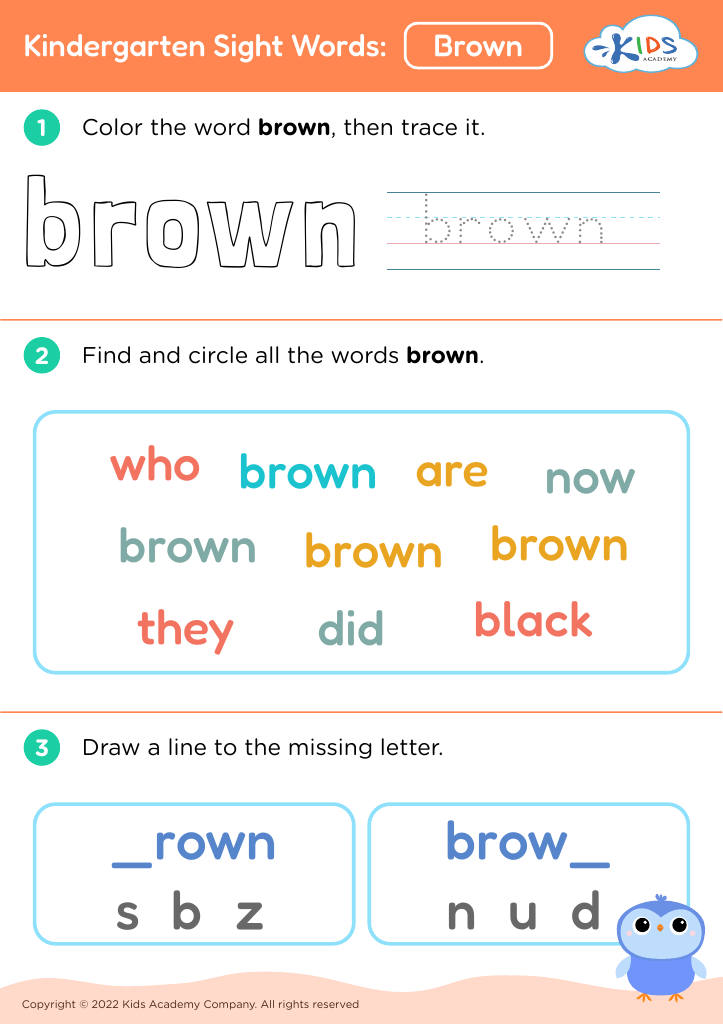
Kindergarten Sight Words: Brown

Kindergarten Sight Words: Brown

Kindergarten Sight Words: Brown
Worksheet
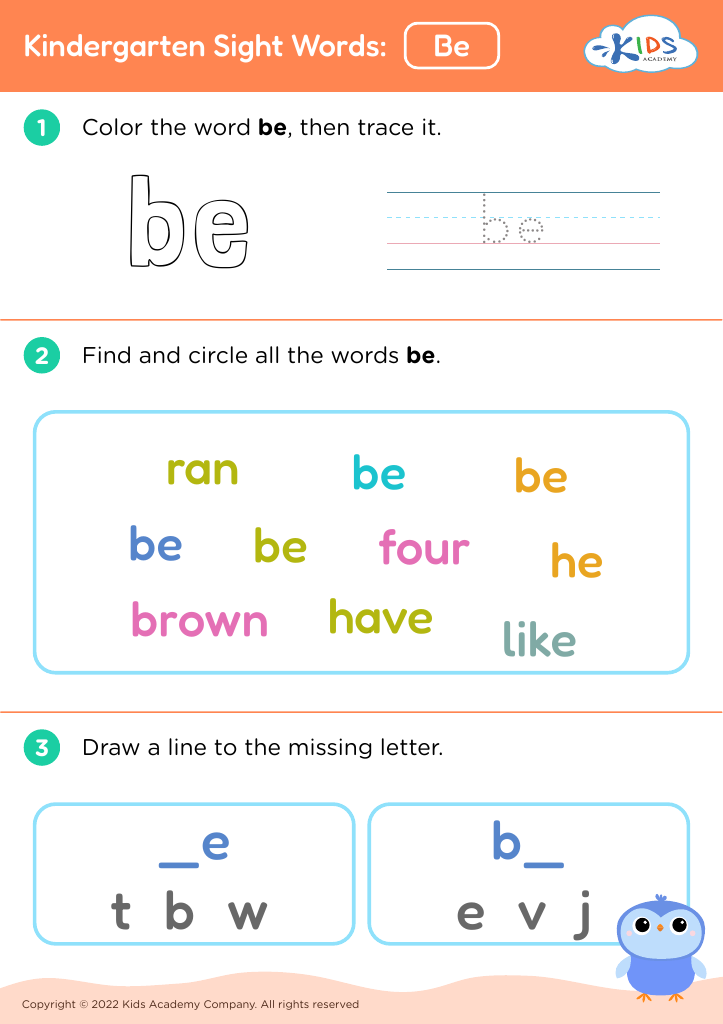
Kindergarten Sight Words: Be

Kindergarten Sight Words: Be

Kindergarten Sight Words: Be
Worksheet


... 11 12

Understanding fractions is crucial for children aged 4-9 as it lays the foundation for their mathematical development and critical thinking skills. At this age, children are beginning to grasp core concepts in mathematics, and early exposure to fractions can build their confidence and engagement in the subject. Fractions help children learn about parts of a whole, comparison, and estimation, enabling them to make sense of the world around them.

Parents and teachers play a vital role in shaping children's attitudes toward math and can facilitate learning through everyday experiences. For example, cooking can be a fun way to demonstrate fractions when measuring ingredients. Additionally, understanding fractions promotes problem-solving skills that translate to real-life scenarios, such as understanding sharing, dividing resources, and budgeting.

Moreover, fostering an early understanding of fractions can help prevent later difficulties in more advanced math topics like algebra and ratios. As these concepts become more complex, a strong fraction foundation can ease the progression into higher-level mathematics. Thus, nurturing a child's comprehension of fractions empowers them with essential life skills and encourages a positive relationship with learning. This makes it imperative for parents and teachers to prioritize and care about teaching these concepts early on.