Understanding numeracy Worksheets for Ages 4-9
4 filtered results
-
From - To
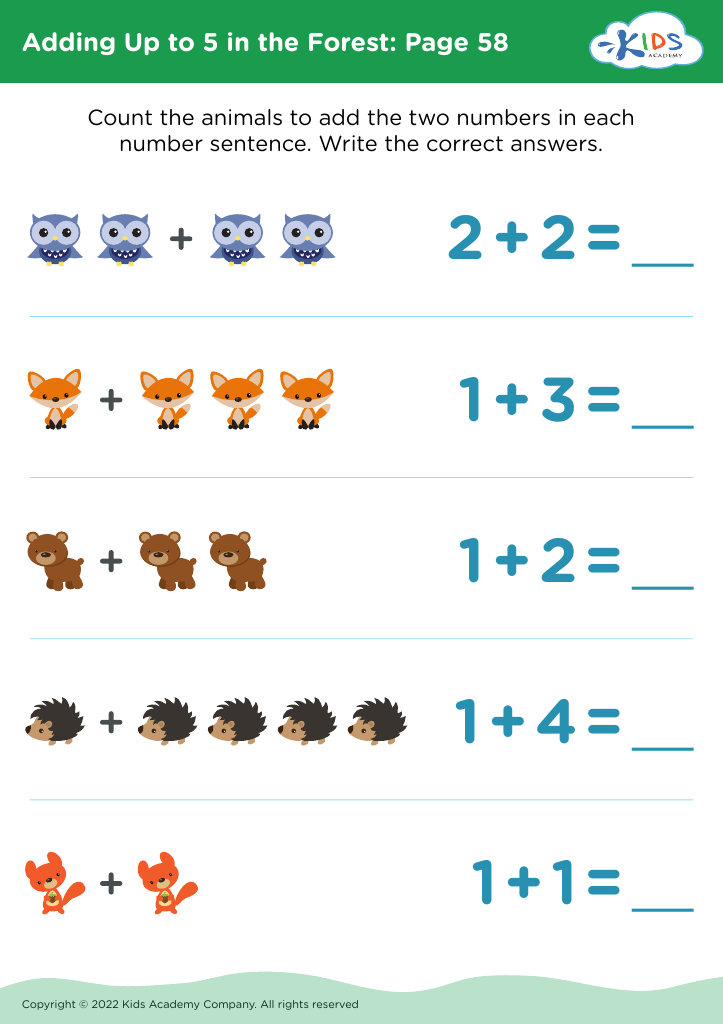
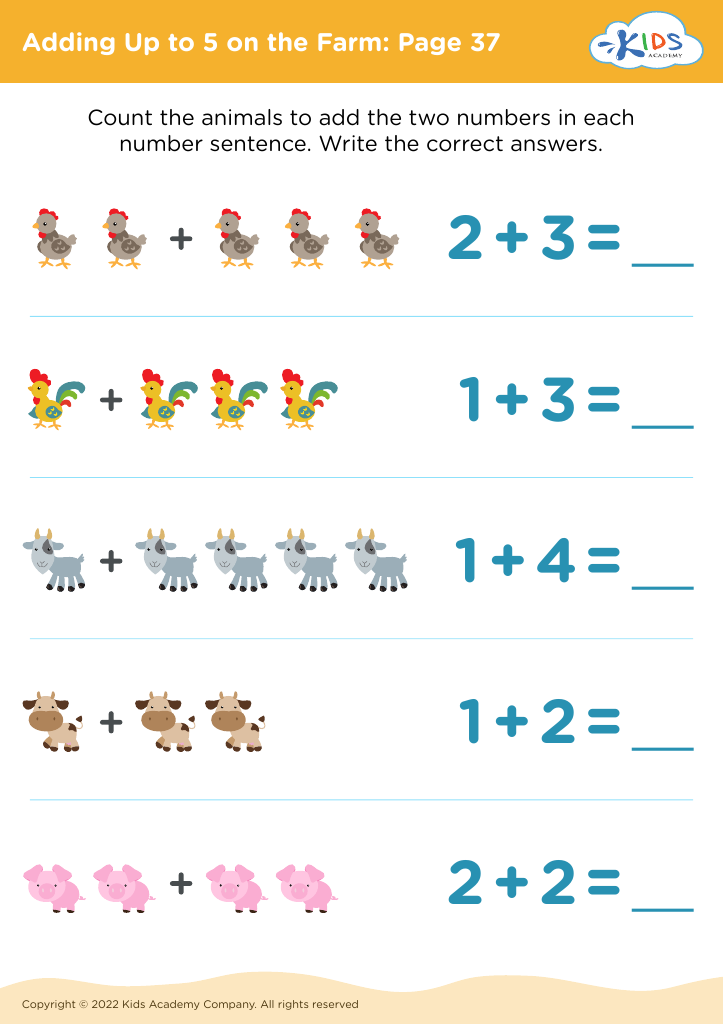
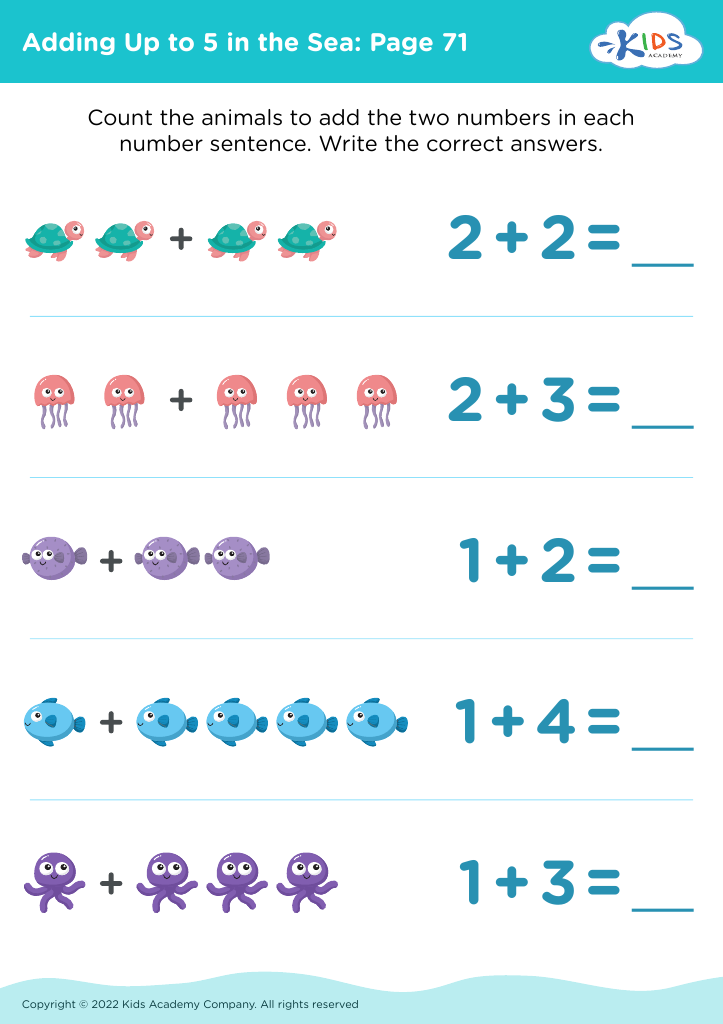
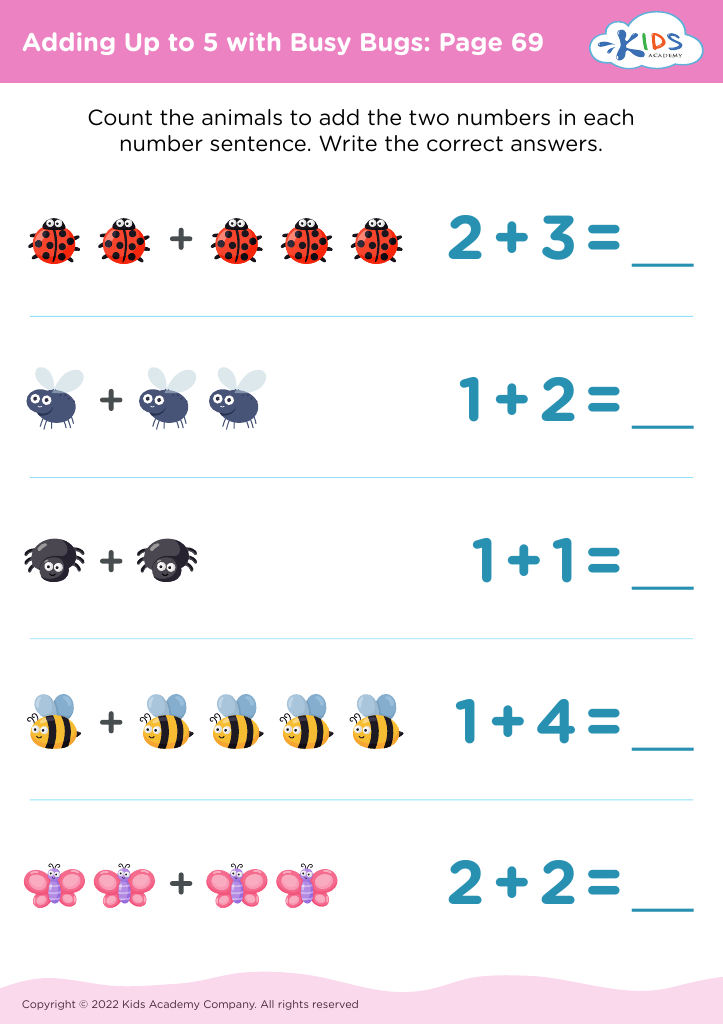
"Understanding Numeracy Worksheets for Ages 4-9" on Kids Academy offers comprehensive printable resources tailored for young learners. These expertly designed worksheets help children grasp fundamental math concepts such as counting, addition, subtraction, and number recognition. Engaging activities ensure kids have fun while developing essential numeracy skills. Perfect for teachers and parents, these worksheets support early math education by combining interactive tasks with visual aids, enhancing kids' problem-solving abilities and understanding of numerical relationships. Empower your child's mathematical journey with age-appropriate exercises from Kids Academy, setting a strong foundation for their future academic success.








Understanding numeracy for children ages 4-9 is crucial because these early years form the foundation for later academic success and everyday life skills. Numeracy at this stage develops more than just number recognition; it encompasses a range of mathematical concepts such as sorting, measuring, and understanding patterns. Early numeracy skills enable children to make sense of the world around them by recognizing quantities and solving simple problems, which fosters cognitive development and critical thinking.
For parents and teachers, prioritizing numeracy can significantly boost a child's confidence and interest in learning. It supports students in other subject areas, particularly science and technology, which are vital for our evolving world. A strong start in mathematics can prevent future struggles and anxiety related to the subject, providing children with the skills necessary to tackle more complex mathematical concepts later on.
Moreover, numeracy extends beyond the classroom. Basic numerical and spatial understanding helps children manage daily activities, like telling time, following a recipe, or playing games involving strategy. The collaborative activities and problem-solving experiences tied to numeracy can also enhance social skills and teamwork. Therefore, by fostering a solid numeracy foundation, parents and teachers equip children not only for school success but for practical, efficient, and enriched lives.








