Understanding Quantities Worksheets for Ages 4-9 - Page 3
53 filtered results
-
From - To
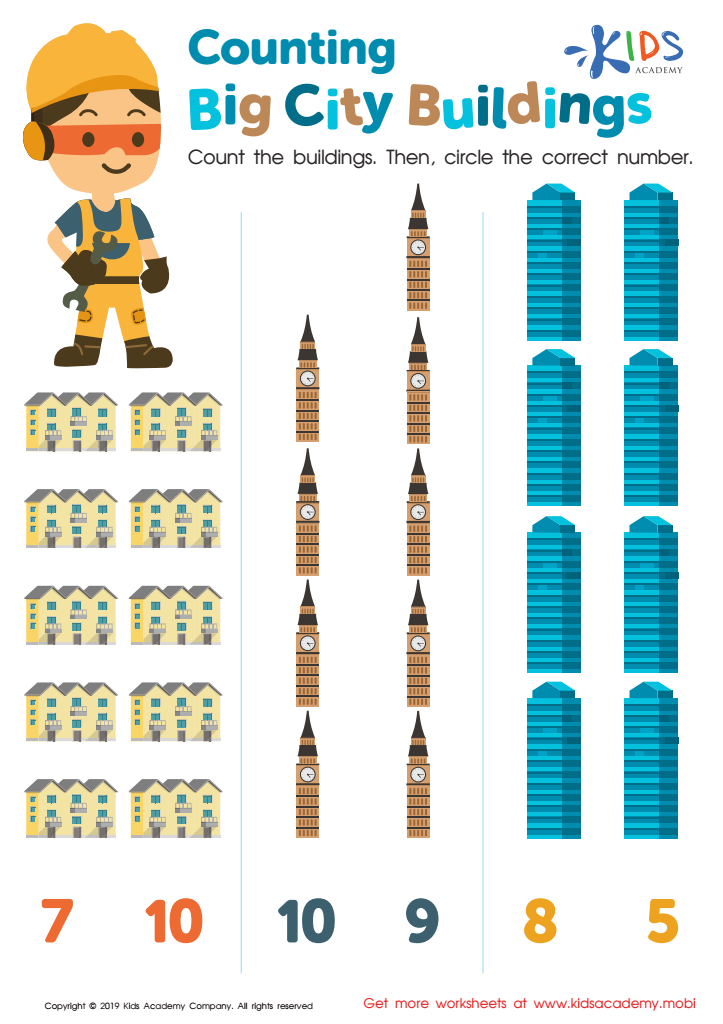
Counting Big City Buildings Worksheet
 Assign to My Students




.jpg)


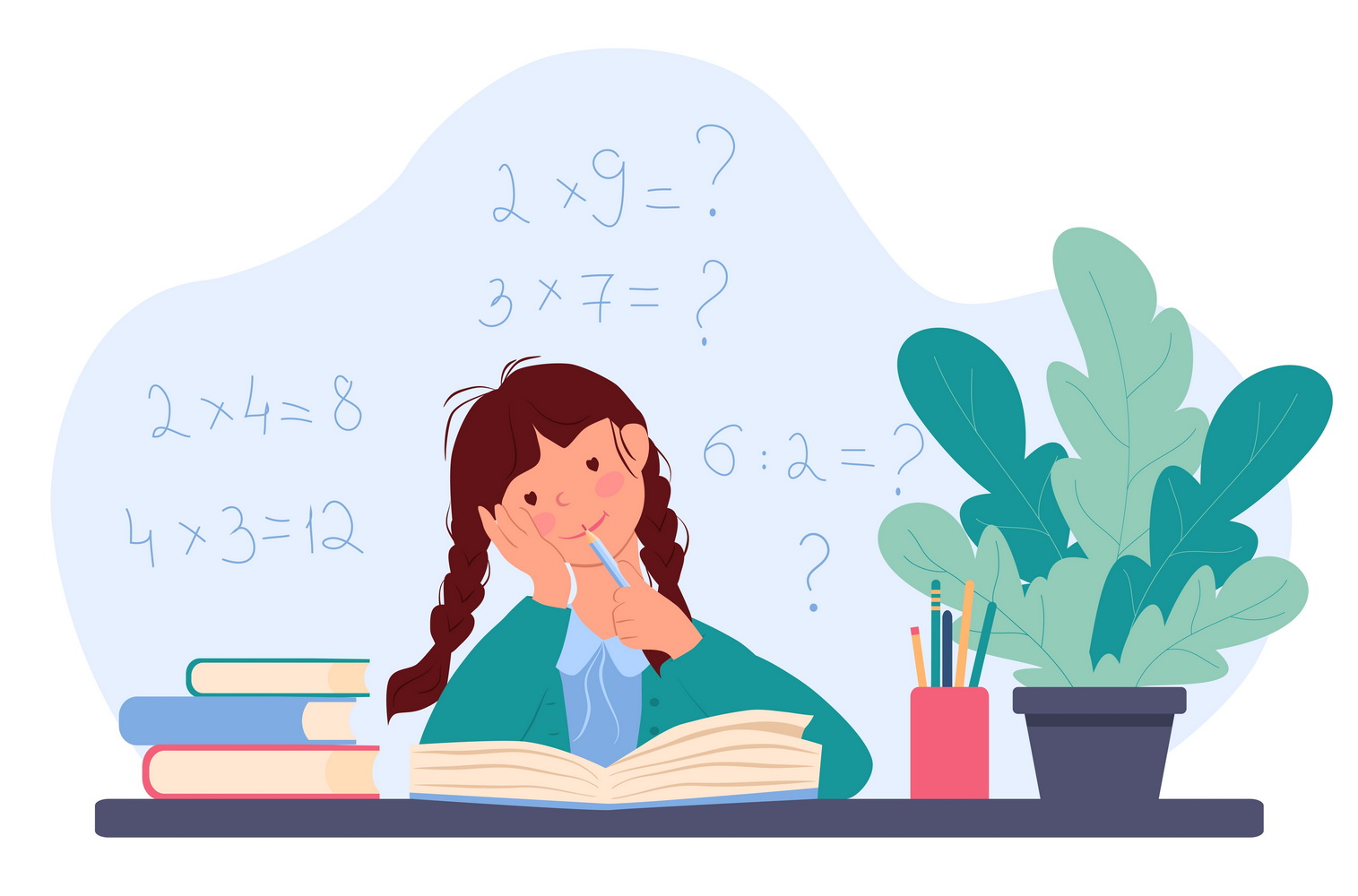
Understanding quantities is a foundational skill crucial for children's overall academic success and everyday life. For ages 4 to 9, children are at a key developmental stage where they begin to grasp basic mathematical concepts. Parents and teachers should prioritize this understanding because it forms the basis for more complex mathematics in later years, such as addition, subtraction, and even problem-solving.
When children learn to understand quantities, they develop a sense of number sense, which involves recognizing, comparing, and operating with numbers. This skill is tied to their cognitive development, helping them improve critical thinking and logical reasoning. Furthermore, a strong grasp of quantities enhances their ability to engage in real-life situations, such as grocery shopping or cooking, where measurement is essential.
Together with emotional and social competencies, this skill also supports children's confidence in their abilities and reduces math anxiety—a common concern as they progress through school. Ultimately, fostering an understanding of quantities empowers children to approach math with curiosity and resilience. Therefore, parents and teachers play a vital role in cultivating these essential skills, guiding them on their journey toward becoming confident, capable learners.








