Visual recognition skills Worksheets for Ages 4-9
4 filtered results
-
From - To
Discover our engaging Visual Recognition Skills Worksheets designed for children aged 4-9! These thoughtfully crafted resources help young learners develop essential visual perception abilities, enhancing their observation and identification skills. With a variety of fun activities, including matching games and image sorting, our worksheets cater to diverse learning styles while making the process enjoyable. Ideal for home or classroom use, these resources support visual learning, critical thinking, and cognitive development. Perfect for parents and teachers seeking to foster a love for learning, our visual recognition worksheets are an excellent tool for laying a strong educational foundation. Explore today and empower your child’s growth!
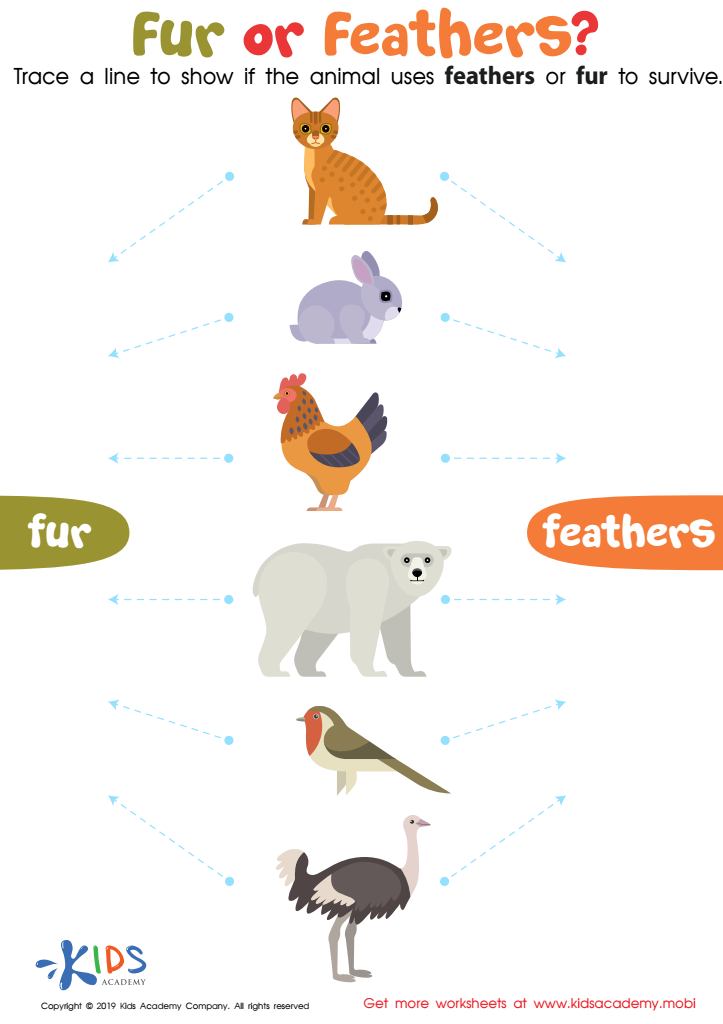
Fur or Feathers? Worksheet
 Assign to My Students
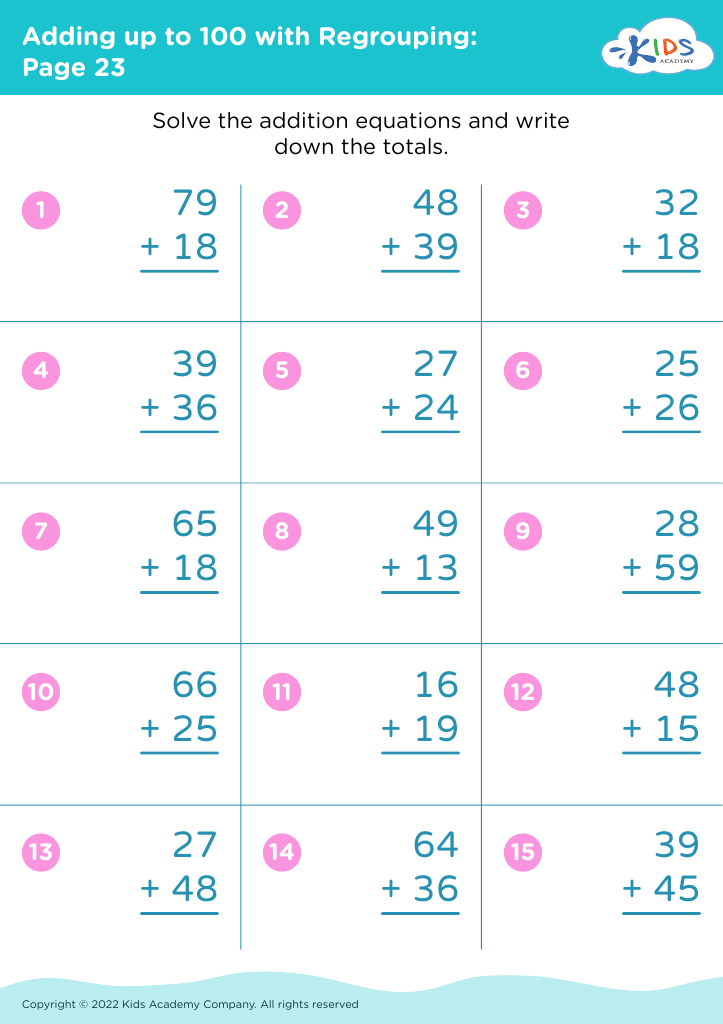
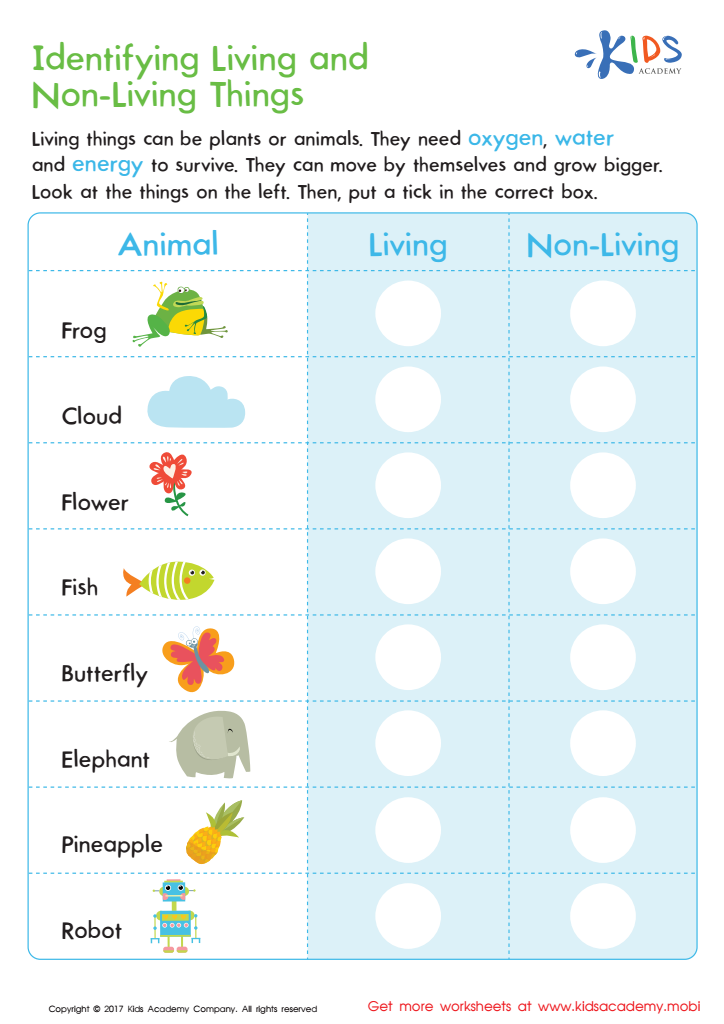
Identifying Living or Non–living Worksheet








Visual recognition skills are critical for children aged 4-9 as they form the foundation for many aspects of learning and daily life. These skills enable children to identify, categorize, and respond to visual stimuli, which is essential for literacy and numeracy development. For instance, recognizing letters and numbers is crucial for reading and math, significantly impacting a child’s academic success.
Moreover, visual recognition contributes to cognitive development, helping children make connections, solve problems, and understand complex concepts. Schools often utilize visual aids in teaching, making it vital for children to efficiently process and interpret visual information.
Additionally, strong visual recognition skills enhance a child's ability to interact socially. Recognizing facial expressions and body language plays a role in developing empathy and communication skills, fostering healthier relationships with peers and adults.
Parents and teachers can support the development of these skills through engaging activities, such as puzzles, games, and art projects, creating a fun and enriching learning environment. Overall, nurturing visual recognition skills in early childhood not only promotes academic success but also cultivates essential life skills that children carry into their future. Thus, it is vital for educators and caregivers to prioritize and care about these skills.








