Word Recognition Worksheets for Ages 4-9 - Page 4
77 filtered results
-
From - To
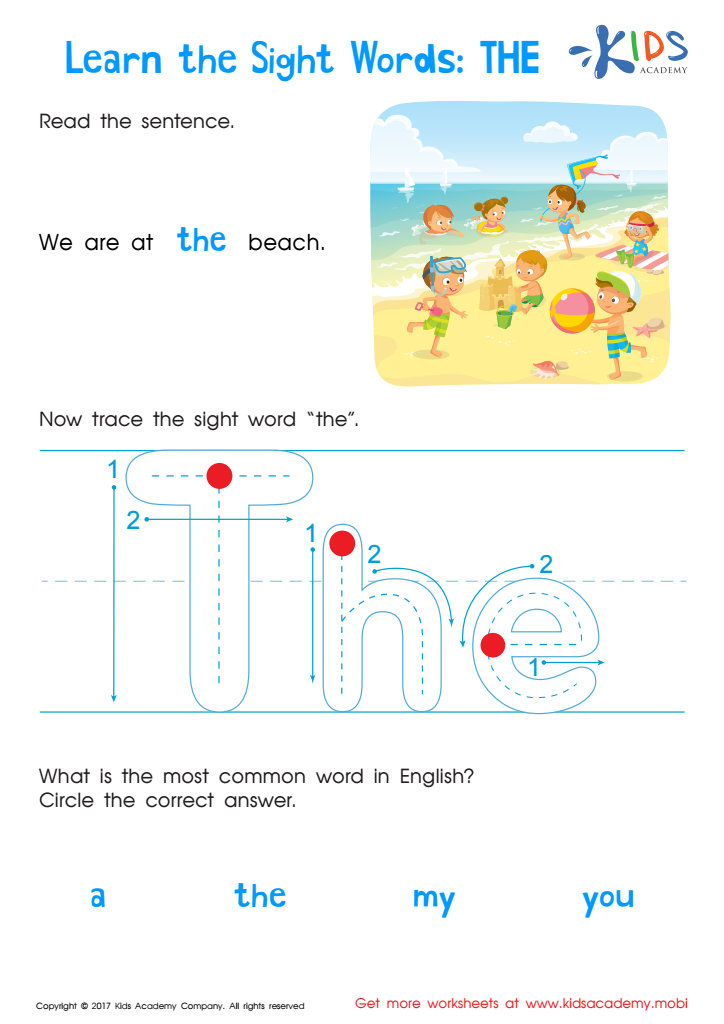
Sight Words: The Worksheet
 Assign to My Students
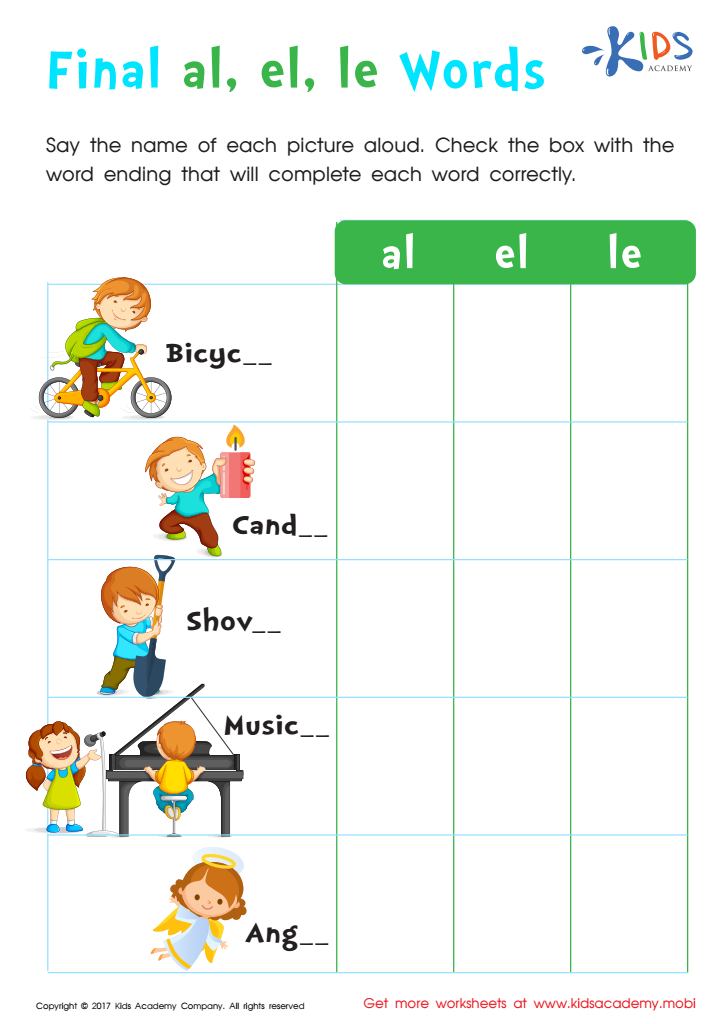
Spelling Words Ending with –le, –el and –al Worksheet
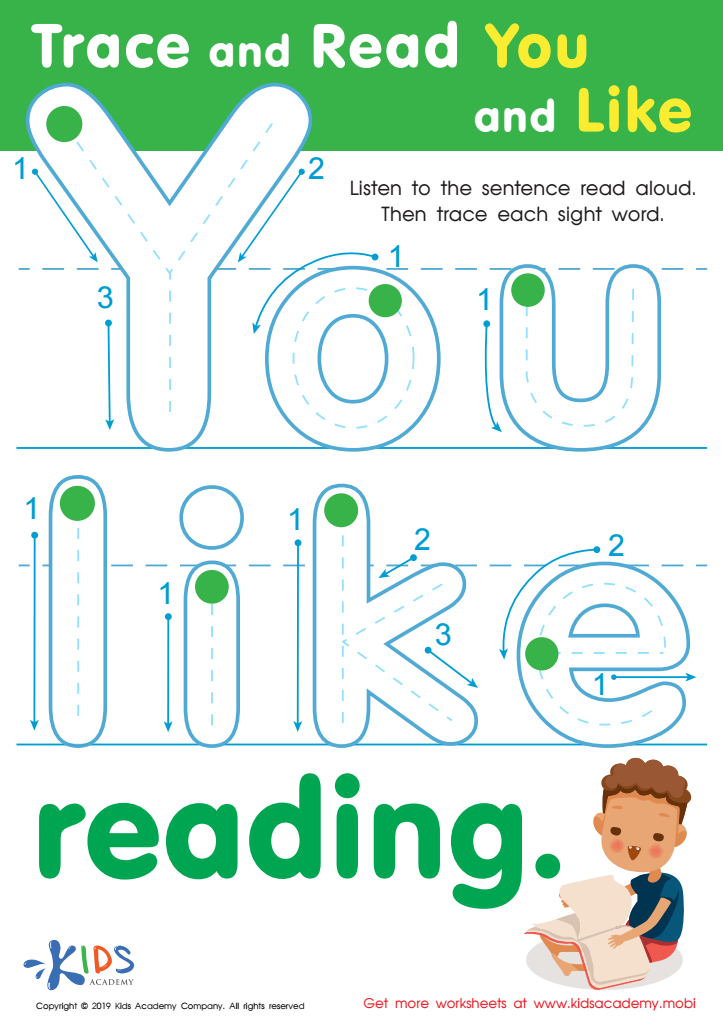
Trace Read You Like Worksheet
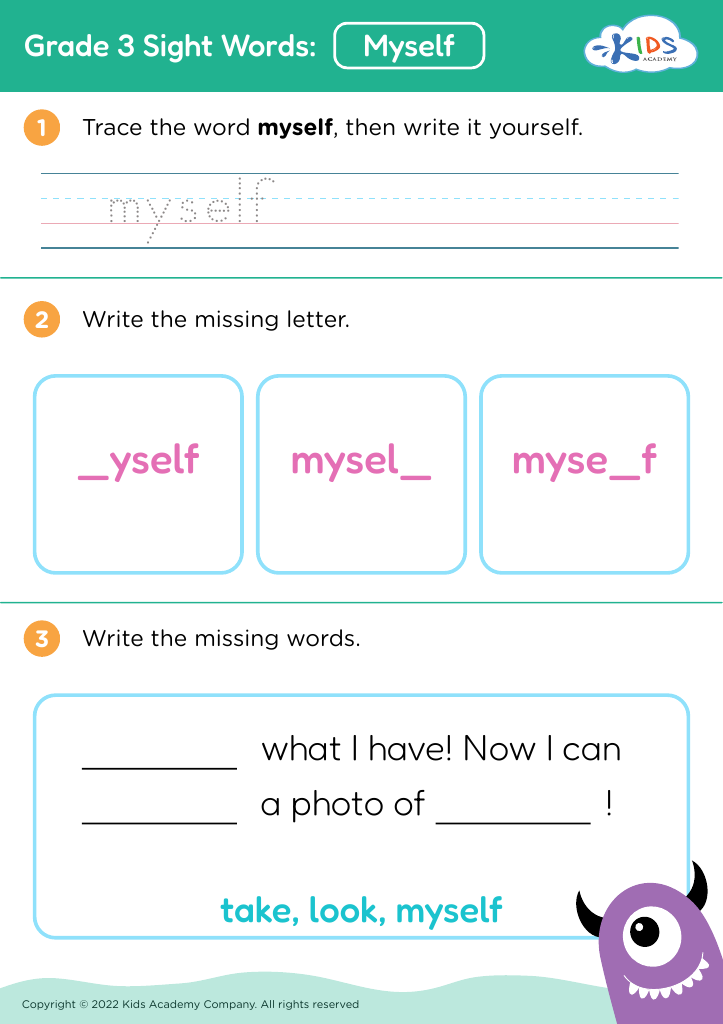
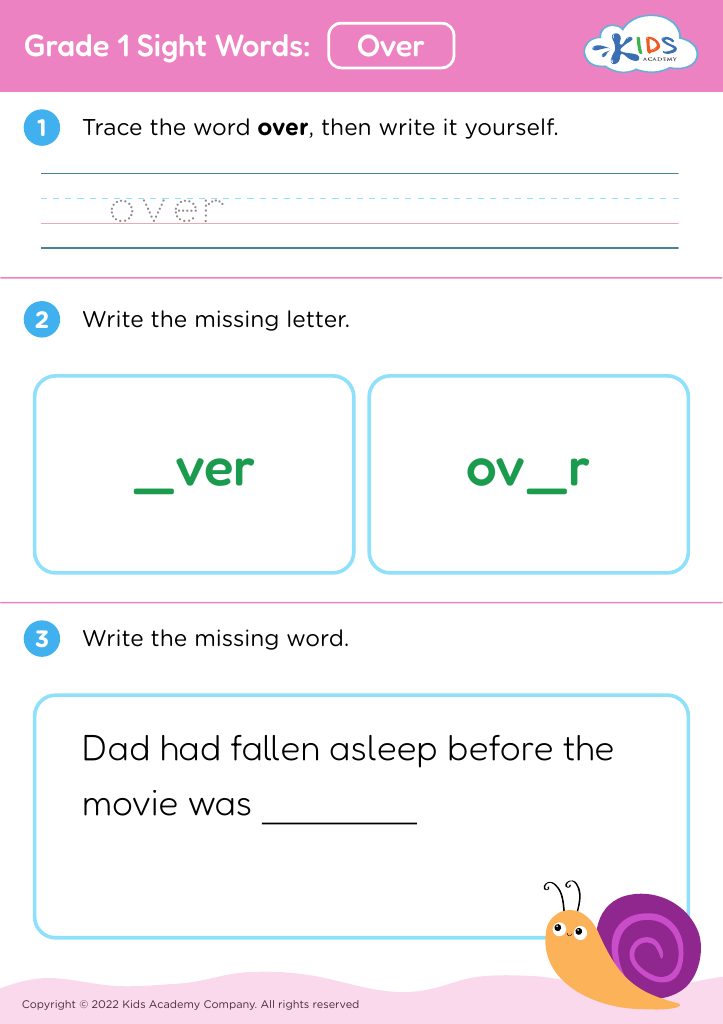








Word recognition is a crucial skill for children ages 4-9, as it lays the foundation for reading proficiency and overall academic success. During these formative years, cognitive and linguistic development is at its peak, making it an ideal time for children to build their vocabulary and decoding skills. Proficient word recognition enables children to read fluently, allowing them to focus on comprehension rather than struggling with individual words.
Parents and teachers play a vital role in fostering word recognition by creating supportive and engaging learning environments. This can include reading aloud, introducing children to a variety of texts, and utilizing games or activities that encourage word recognition, such as flashcards or word searches. Research shows that early exposure to diverse language experiences enhances children’s ability to recognize and understand words in context.
Moreover, strong word recognition skills are linked to higher self-esteem and motivation in reading, resulting in more enthusiastic and independent readers. By prioritizing word recognition, parents and teachers can help children develop essential literacy skills that not only facilitate academic growth but also equip them for lifelong learning and communication. Consequently, investing in word recognition at this age is pivotal for encouraging a love of reading and enhancing educational outcomes.








