Filters

70 filtered results

Clear all filters
Favorites
With answer key
Interactive

70 filtered results

Difficulty Level

Grade


Subject

    Check out this FREE Trial Lesson on Adding in the Forest for age 4-9!

    A

    Favorites
    With answer key
    Interactive
    • 4-9
    • Number Recognition
    • Adding in the Forest
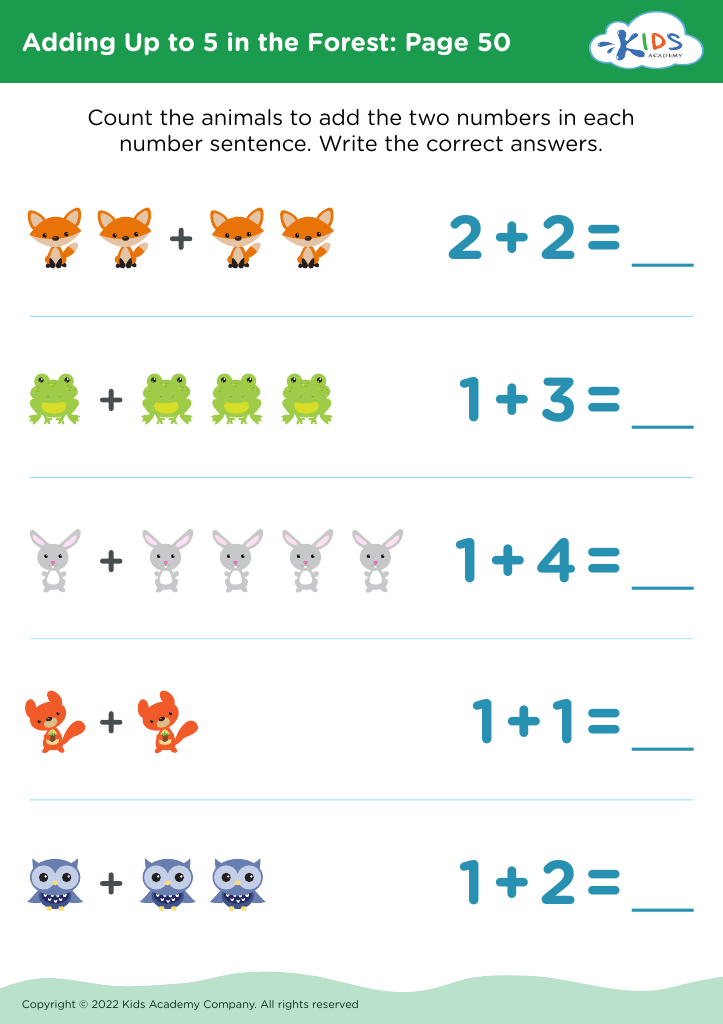
    Adding Up to 5 in the Forest: Page 50
    Adding Up to 5 in the Forest: Page 50
    Adding Up to 5 in the Forest: Page 50
    Worksheet
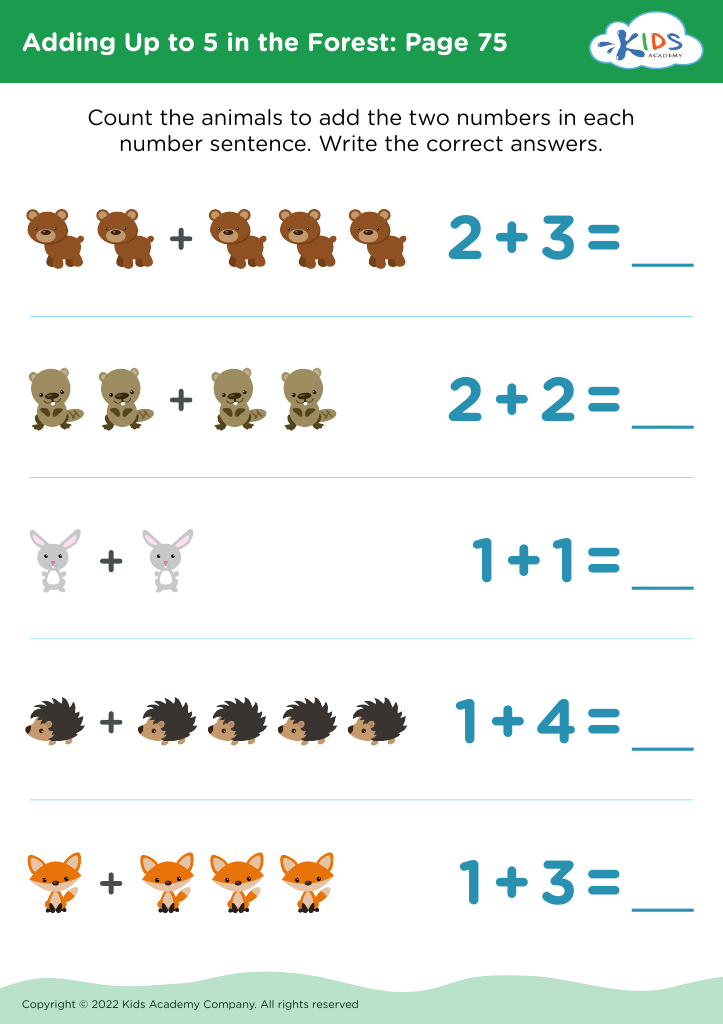
    Adding Up to 5 in the Forest: Page 75
    Adding Up to 5 in the Forest: Page 75
    Adding Up to 5 in the Forest: Page 75
    Worksheet
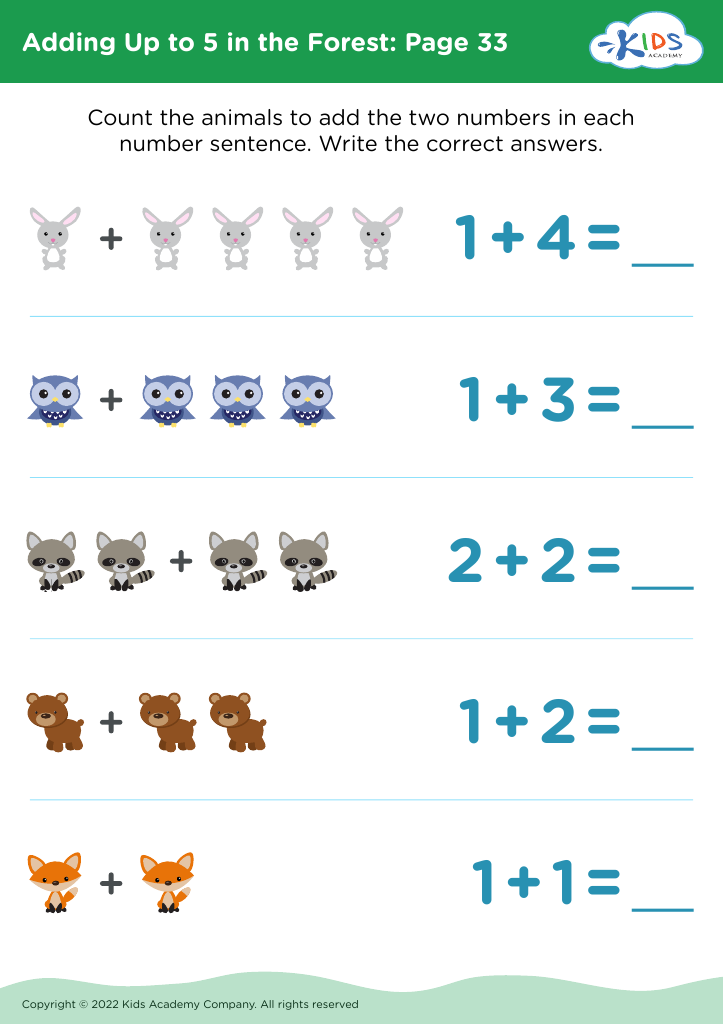
    Adding Up to 5 in the Forest: Page 33
    Adding Up to 5 in the Forest: Page 33
    Adding Up to 5 in the Forest: Page 33
    Worksheet
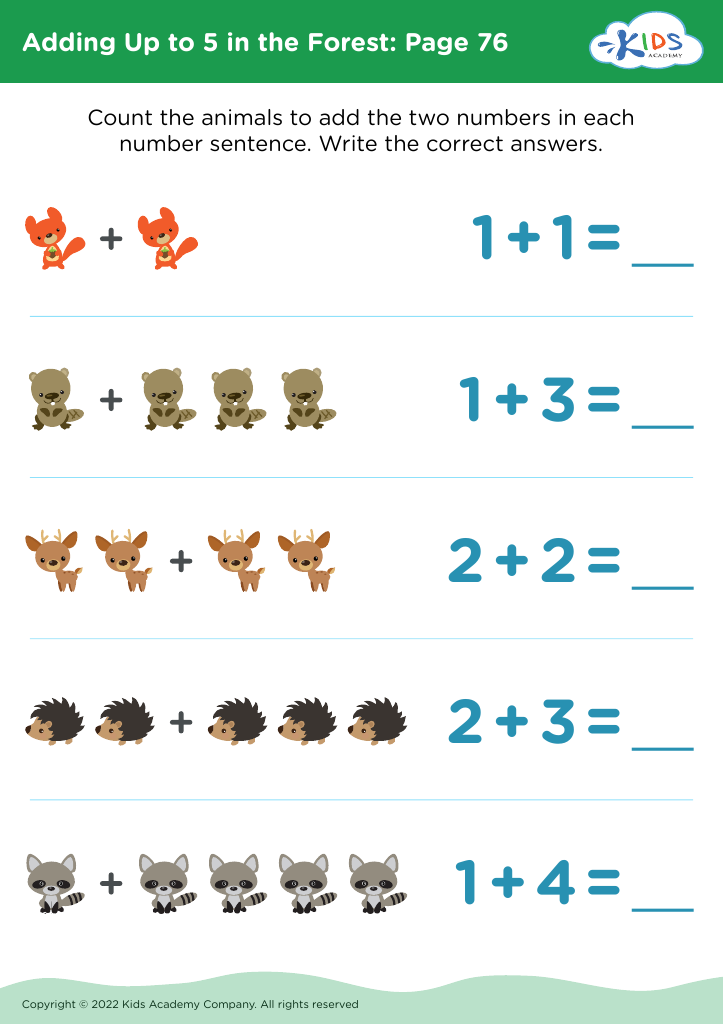
    Adding Up to 5 in the Forest: Page 76
    Adding Up to 5 in the Forest: Page 76
    Adding Up to 5 in the Forest: Page 76
    Worksheet
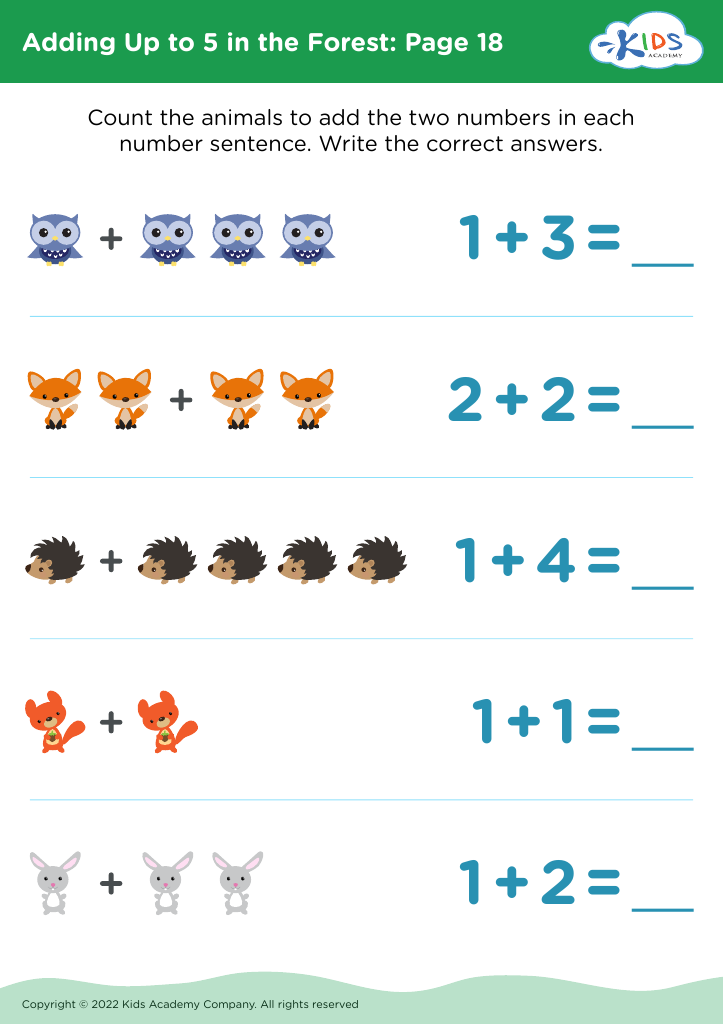
    Adding Up to 5 in the Forest: Page 18
    Adding Up to 5 in the Forest: Page 18
    Adding Up to 5 in the Forest: Page 18
    Worksheet
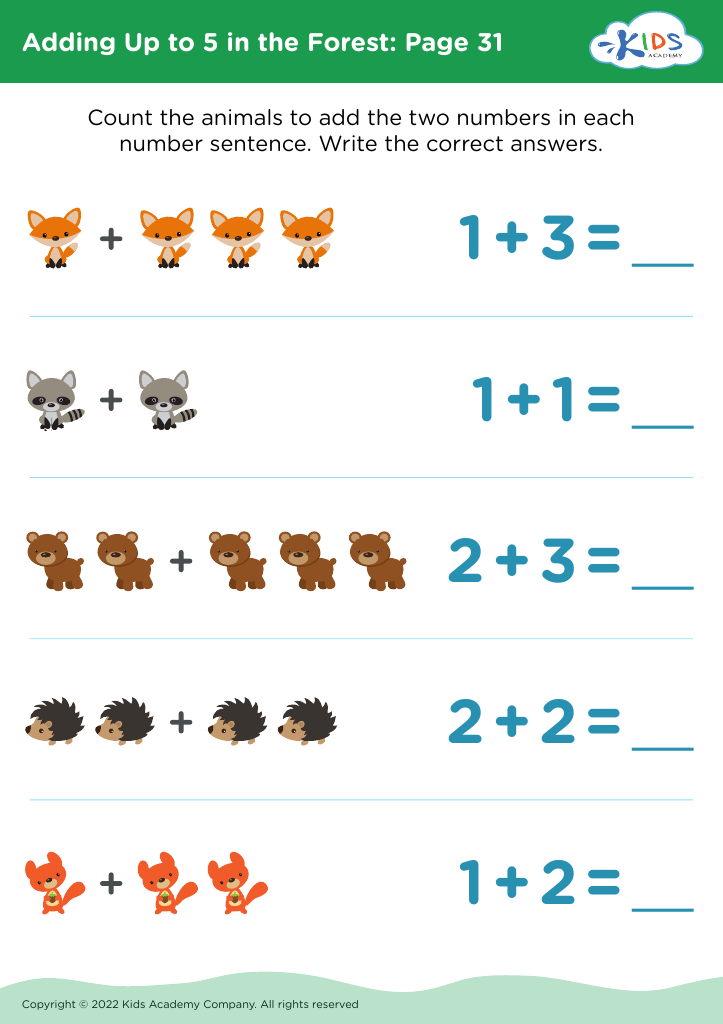
    Adding Up to 5 in the Forest: Page 31
    Adding Up to 5 in the Forest: Page 31
    Adding Up to 5 in the Forest: Page 31
    Worksheet
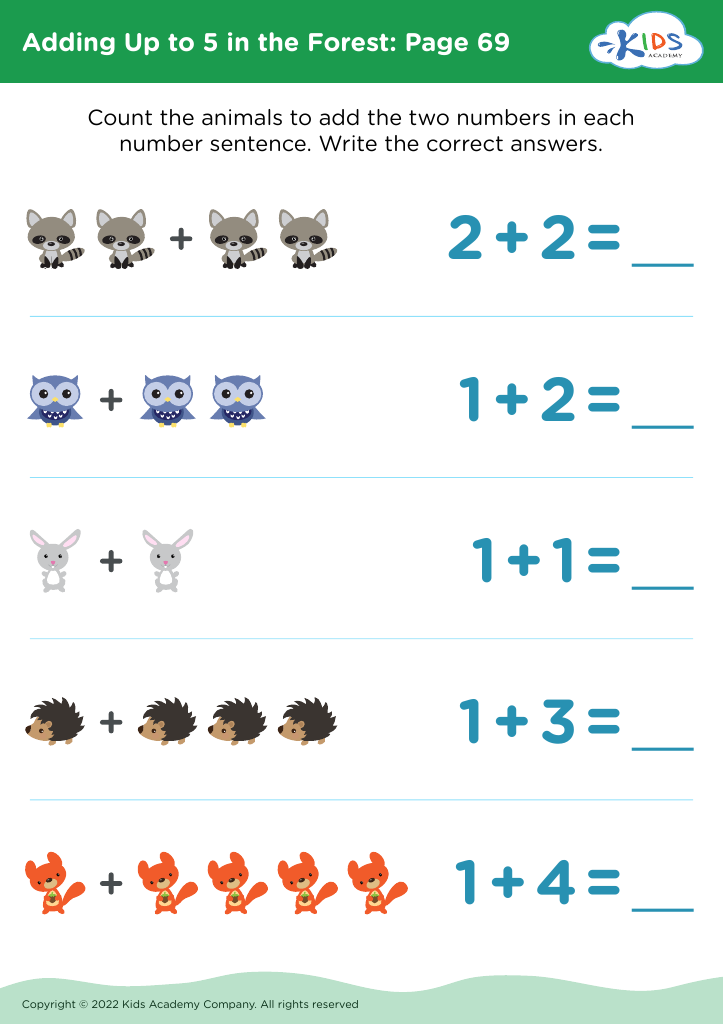
    Adding Up to 5 in the Forest: Page 69
    Adding Up to 5 in the Forest: Page 69
    Adding Up to 5 in the Forest: Page 69
    Worksheet
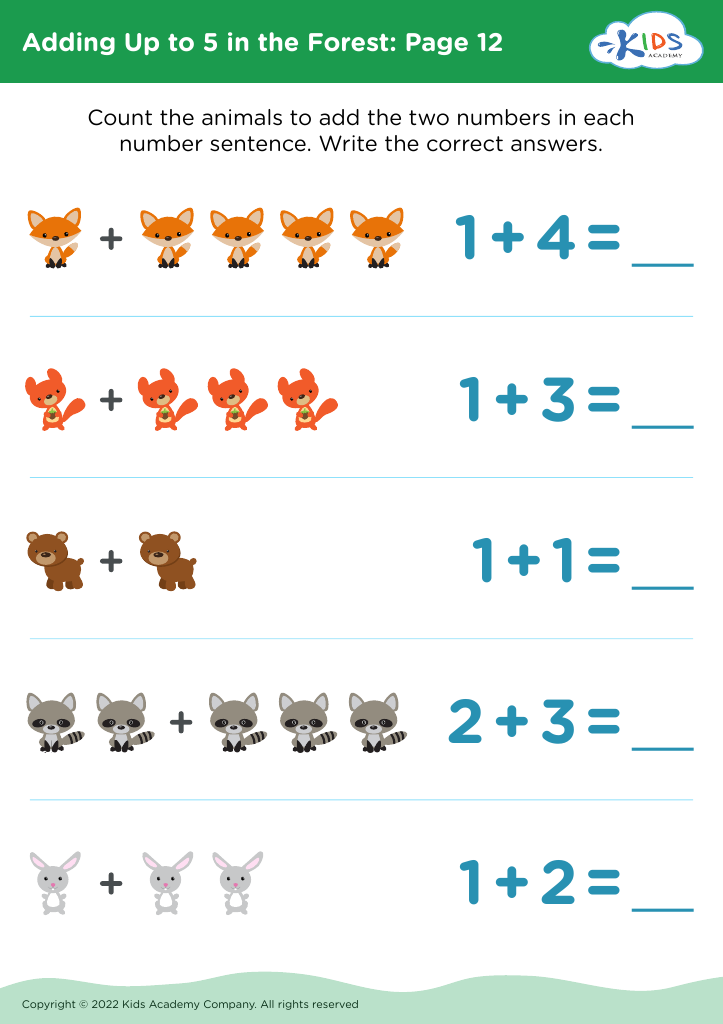
    Adding Up to 5 in the Forest: Page 12
    Adding Up to 5 in the Forest: Page 12
    Adding Up to 5 in the Forest: Page 12
    Worksheet
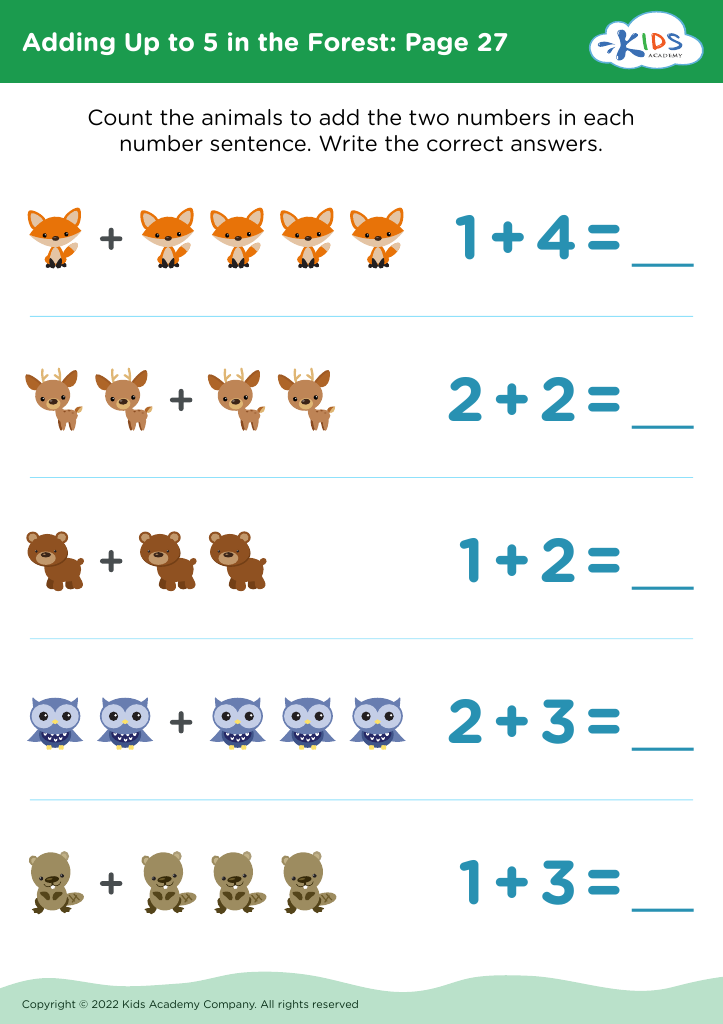
    Adding Up to 5 in the Forest: Page 27
    Adding Up to 5 in the Forest: Page 27
    Adding Up to 5 in the Forest: Page 27
    Worksheet
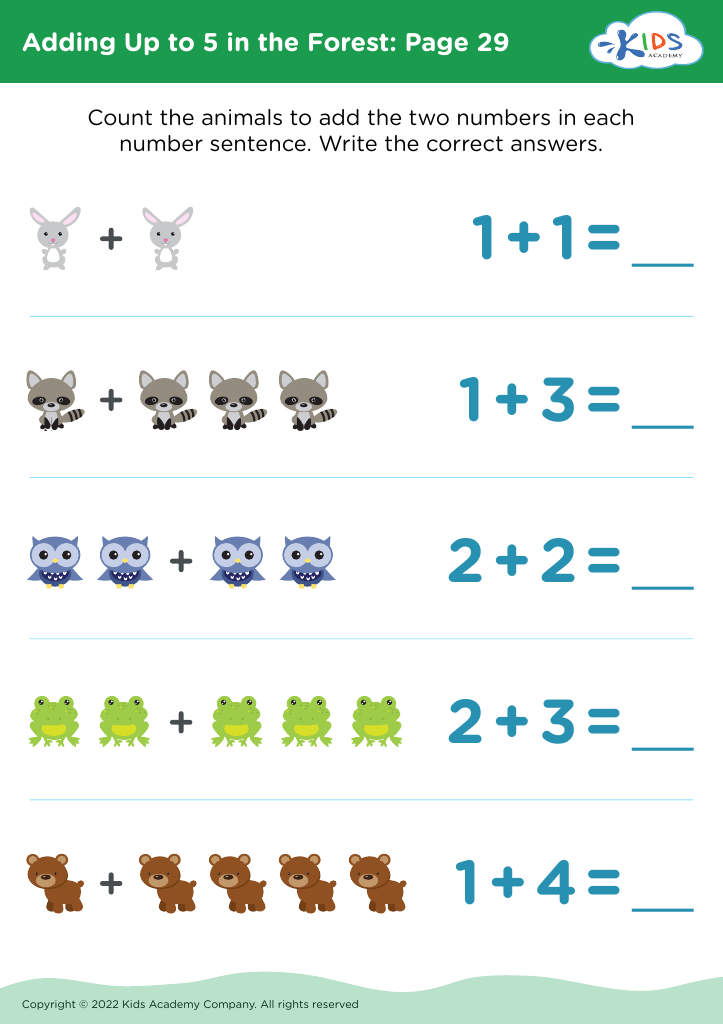
    Adding Up to 5 in the Forest: Page 29
    Adding Up to 5 in the Forest: Page 29
    Adding Up to 5 in the Forest: Page 29
    Worksheet
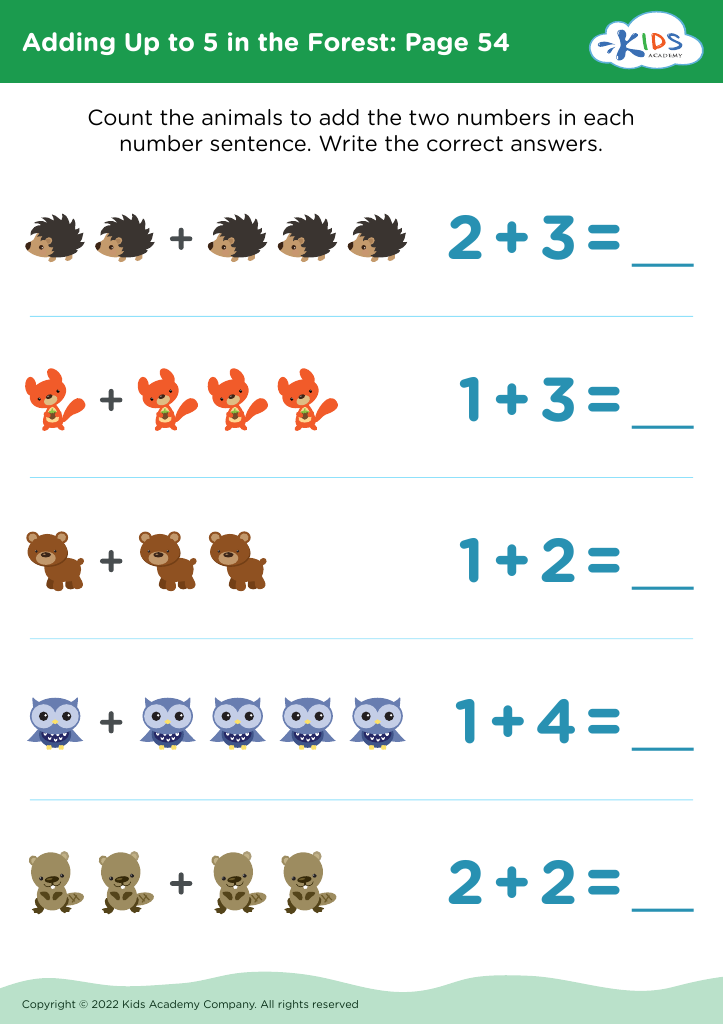
    Adding Up to 5 in the Forest: Page 54
    Adding Up to 5 in the Forest: Page 54
    Adding Up to 5 in the Forest: Page 54
    Worksheet
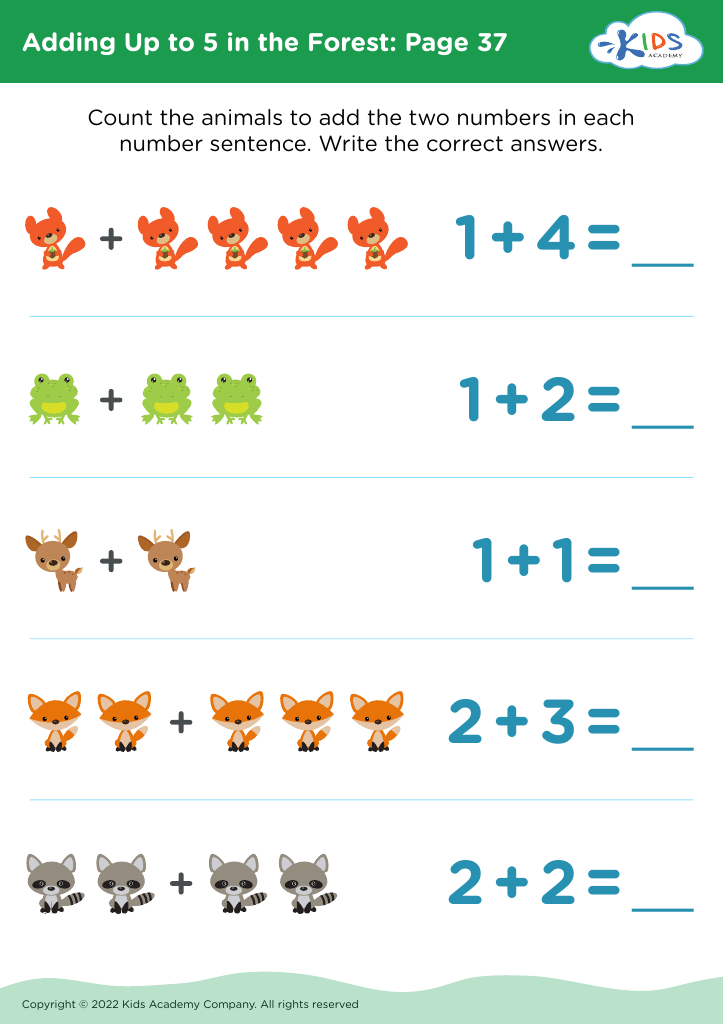
    Adding Up to 5 in the Forest: Page 37
    Adding Up to 5 in the Forest: Page 37
    Adding Up to 5 in the Forest: Page 37
    Worksheet
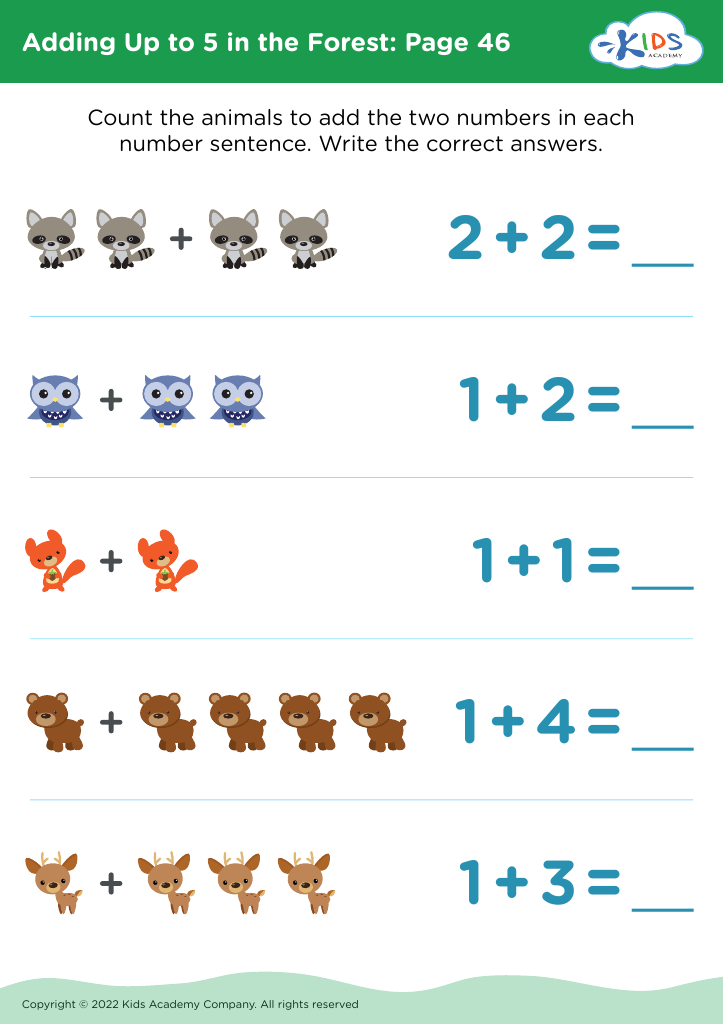
    Adding Up to 5 in the Forest: Page 46
    Adding Up to 5 in the Forest: Page 46
    Adding Up to 5 in the Forest: Page 46
    Worksheet
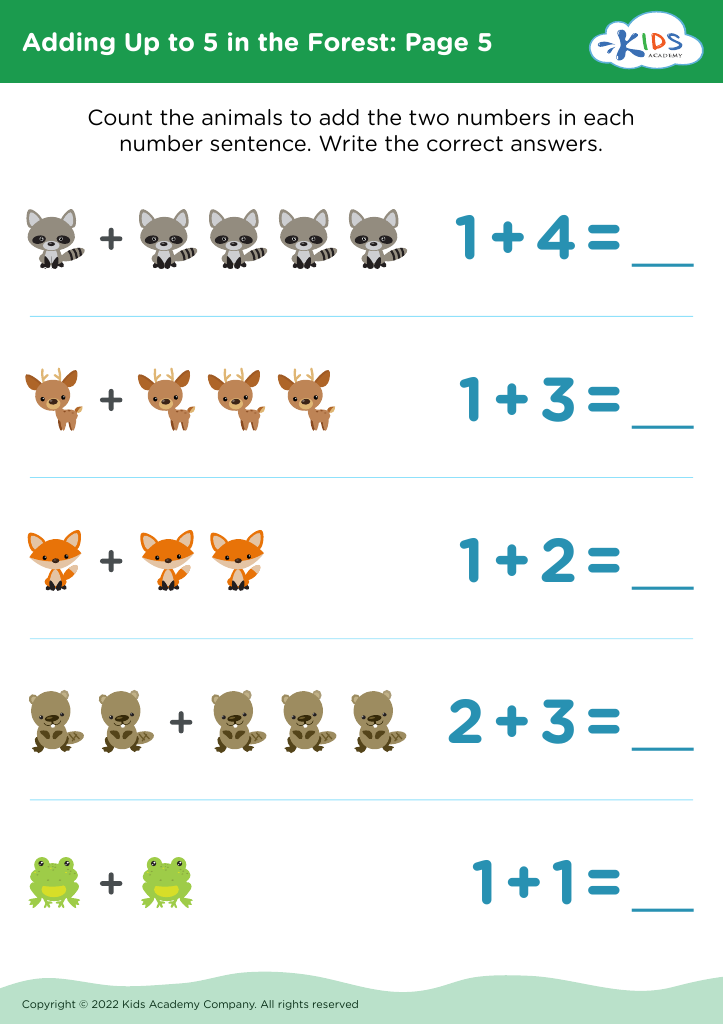
    Adding Up to 5 in the Forest: Page 5
    Adding Up to 5 in the Forest: Page 5
    Adding Up to 5 in the Forest: Page 5
    Worksheet
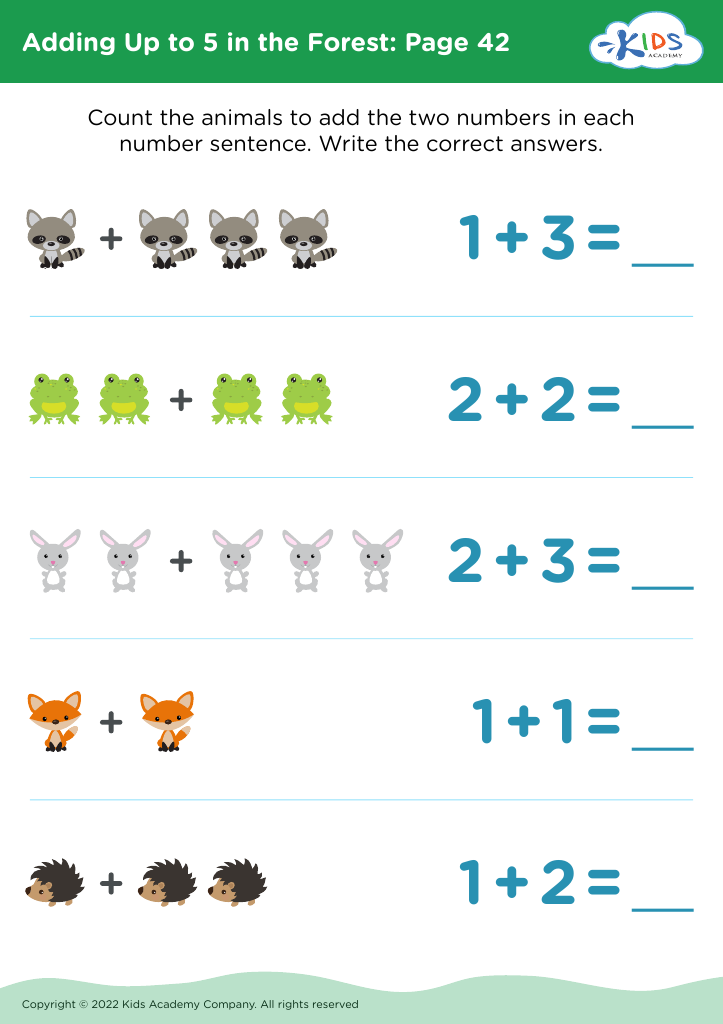
    Adding Up to 5 in the Forest: Page 42
    Adding Up to 5 in the Forest: Page 42
    Adding Up to 5 in the Forest: Page 42
    Worksheet
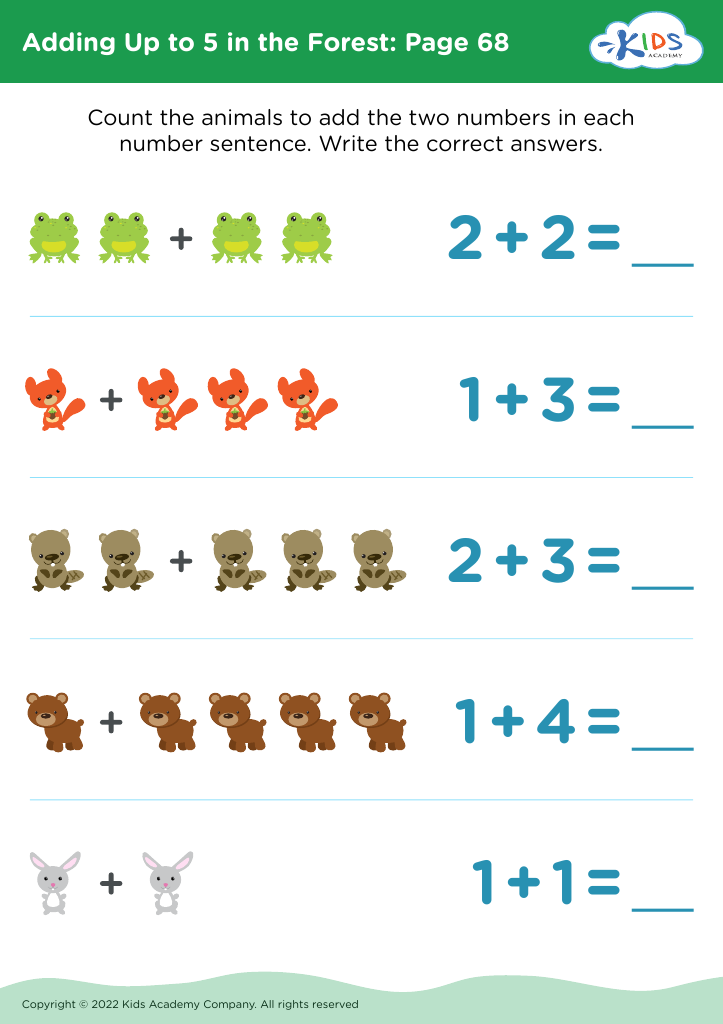
    Adding Up to 5 in the Forest: Page 68
    Adding Up to 5 in the Forest: Page 68
    Adding Up to 5 in the Forest: Page 68
    Worksheet
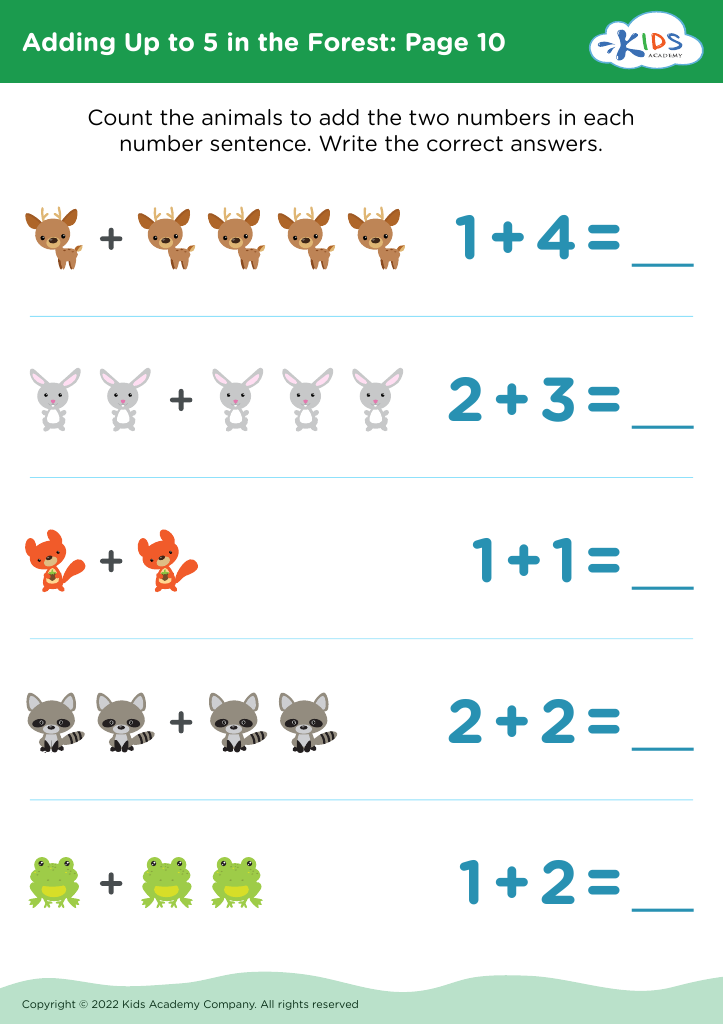
    Adding Up to 5 in the Forest: Page 10
    Adding Up to 5 in the Forest: Page 10
    Adding Up to 5 in the Forest: Page 10
    Worksheet
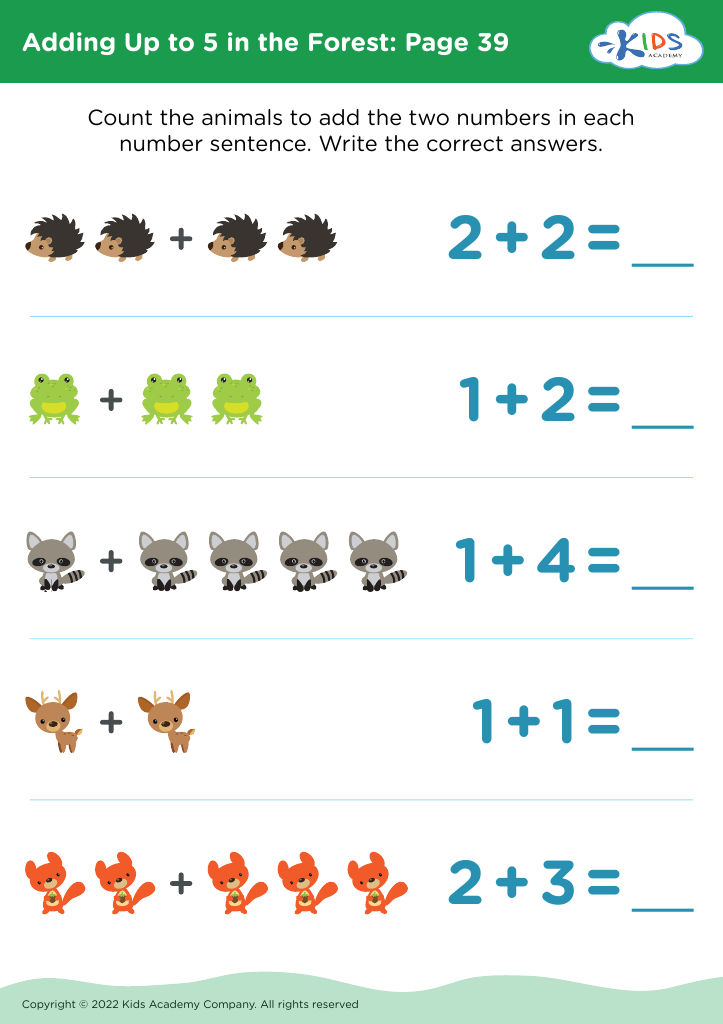
    Adding Up to 5 in the Forest: Page 39
    Adding Up to 5 in the Forest: Page 39
    Adding Up to 5 in the Forest: Page 39
    Worksheet
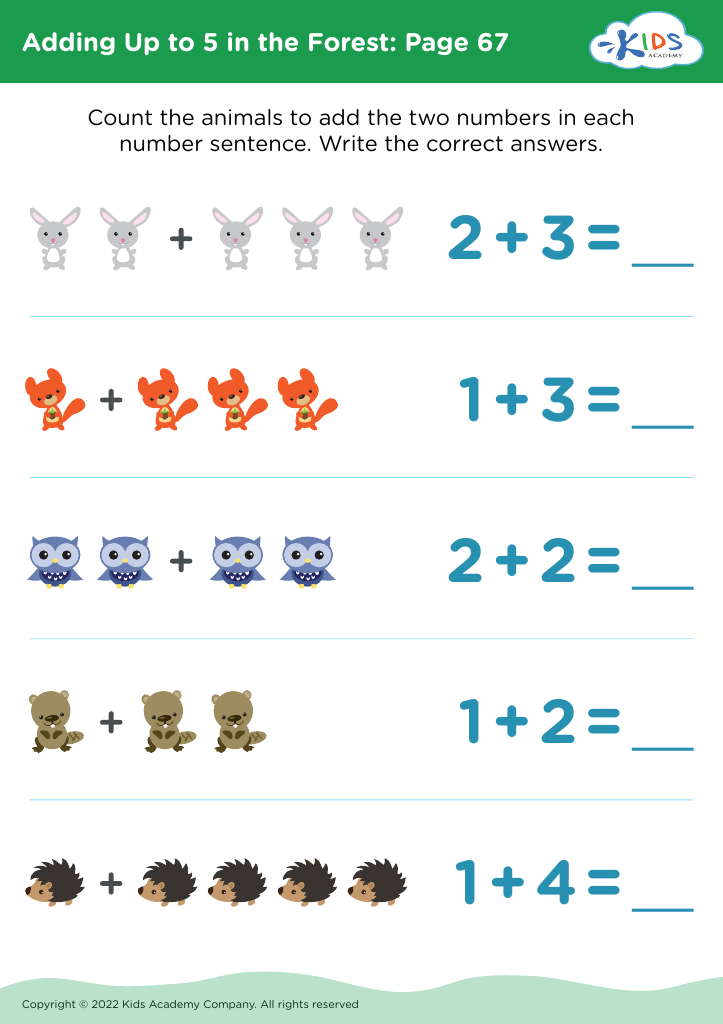
    Adding Up to 5 in the Forest: Page 67
    Adding Up to 5 in the Forest: Page 67
    Adding Up to 5 in the Forest: Page 67
    Worksheet
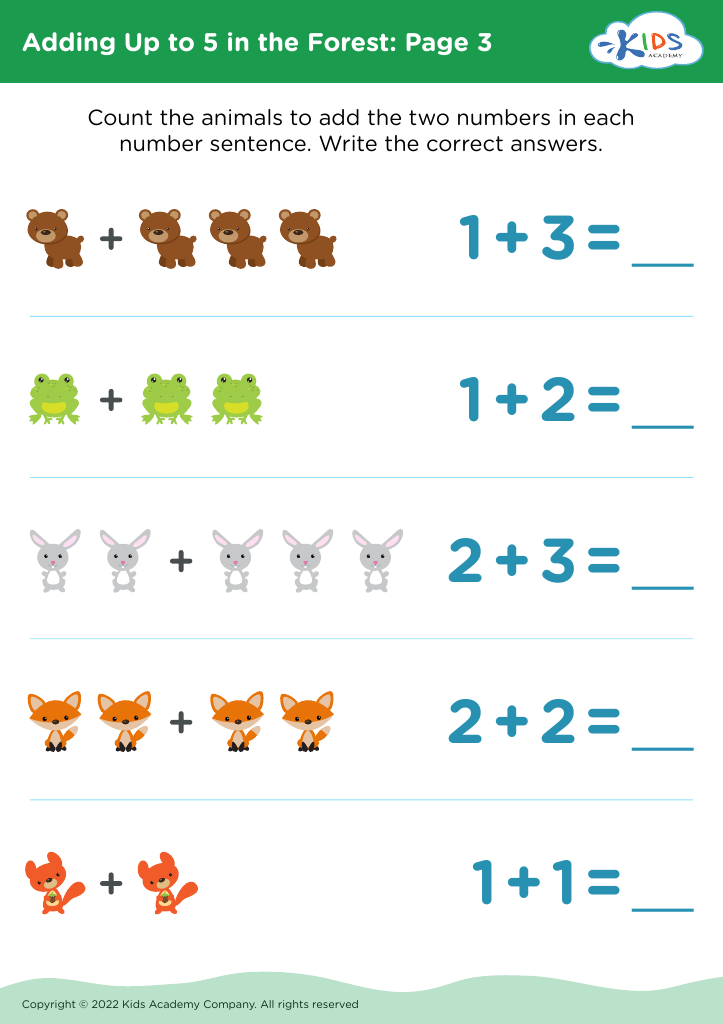
    Adding Up to 5 in the Forest: Page 3
    Adding Up to 5 in the Forest: Page 3
    Adding Up to 5 in the Forest: Page 3
    Worksheet
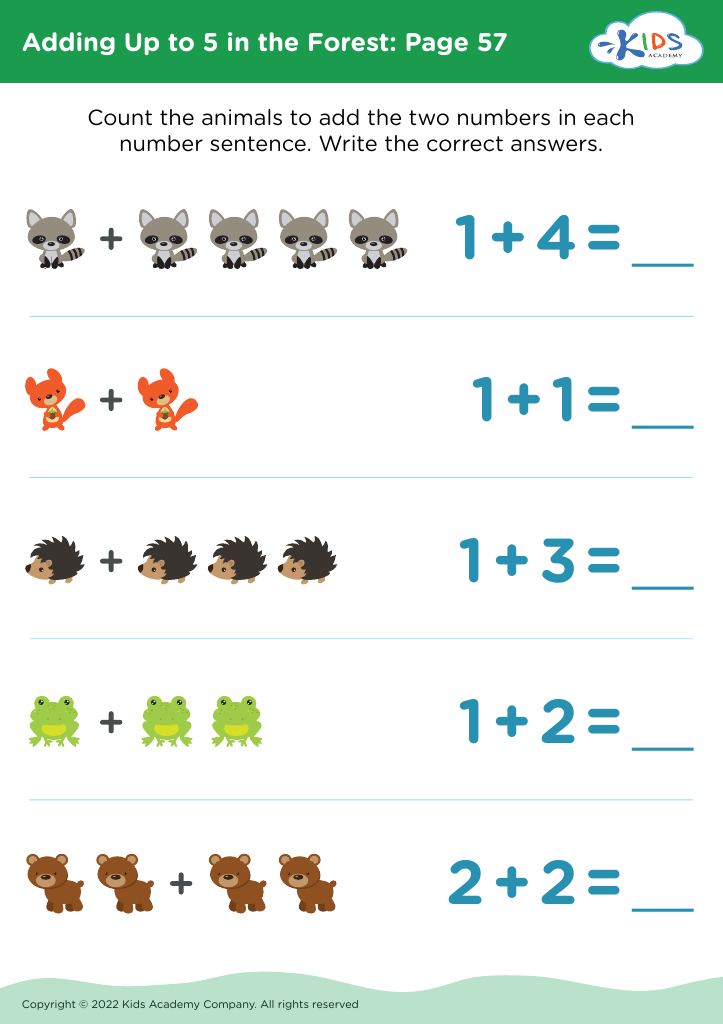
    Adding Up to 5 in the Forest: Page 57
    Adding Up to 5 in the Forest: Page 57
    Adding Up to 5 in the Forest: Page 57
    Worksheet
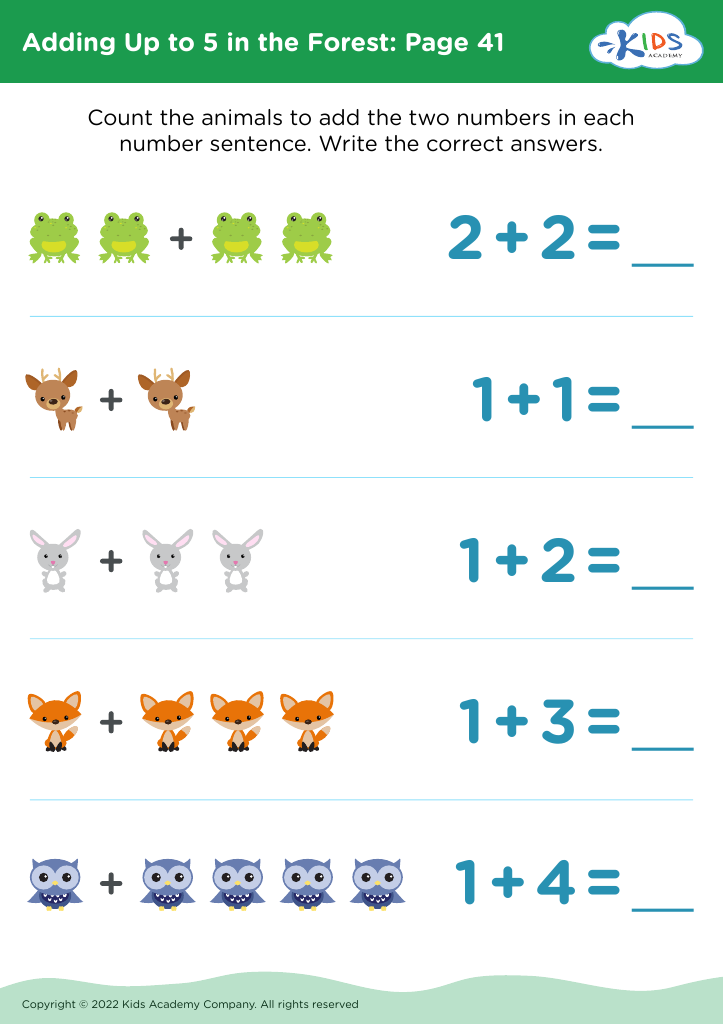
    Adding Up to 5 in the Forest: Page 41
    Adding Up to 5 in the Forest: Page 41
    Adding Up to 5 in the Forest: Page 41
    Worksheet


    ... 2 3

    Number recognition is a foundational skill in early childhood education, crucial for developing mathematical understanding in children aged 4-9. "Adding in the Forest" is a particularly engaging method of teaching where children learn number recognition and basic addition through nature-themed activities. This approach encourages hands-on interaction with numbers in a relatable and exciting context, helping kids to visualize mathematical concepts.

    Parents and teachers should care about this method because it promotes active participation and enhances learning retention. Nature-based learning fosters a sense of curiosity about the world, making mathematics relevant and fun. By incorporating real-world experiences, children develop not only numeracy skills but also problem-solving abilities as they explore and interact with their environment.

    Furthermore, this type of learning supports emotional and social development. Students engage collaboratively, sharing ideas and building communication skills while exploring. The experiential learning environment also caters to diverse learning styles, ensuring that each child can thrive. Ultimately, focusing on number recognition through play and exploration instills a lifelong love for learning and a curiosity about mathematics—a critical asset as they progress in their educational journey. In summary, "Adding in the Forest" fosters a holistic learning experience essential in a child’s early years.