Comparing Fractions Adding up to 1000 Misc Worksheets for Ages 4-9
5 filtered results
-
From - To
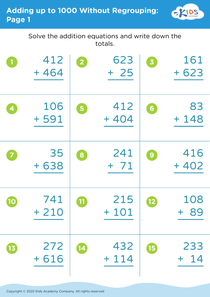
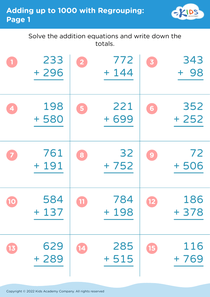
Unlock the world of fractions with our "Comparing Fractions Adding up to 1000" worksheets, designed for kids aged 4-9. These fun and engaging resources help young learners grasp the concept of comparing fractions within a variety of exciting math challenges. Through interactive activities, students will explore relationships between fractions in a playful way, building confidence and enhancing their math skills. Our worksheets not only align with educational standards, but they also promote critical thinking as children learn to analyze and compare different fractions. Perfect for classroom use or at-home practice, these worksheets offer an invaluable tool for math mastery at an early age!
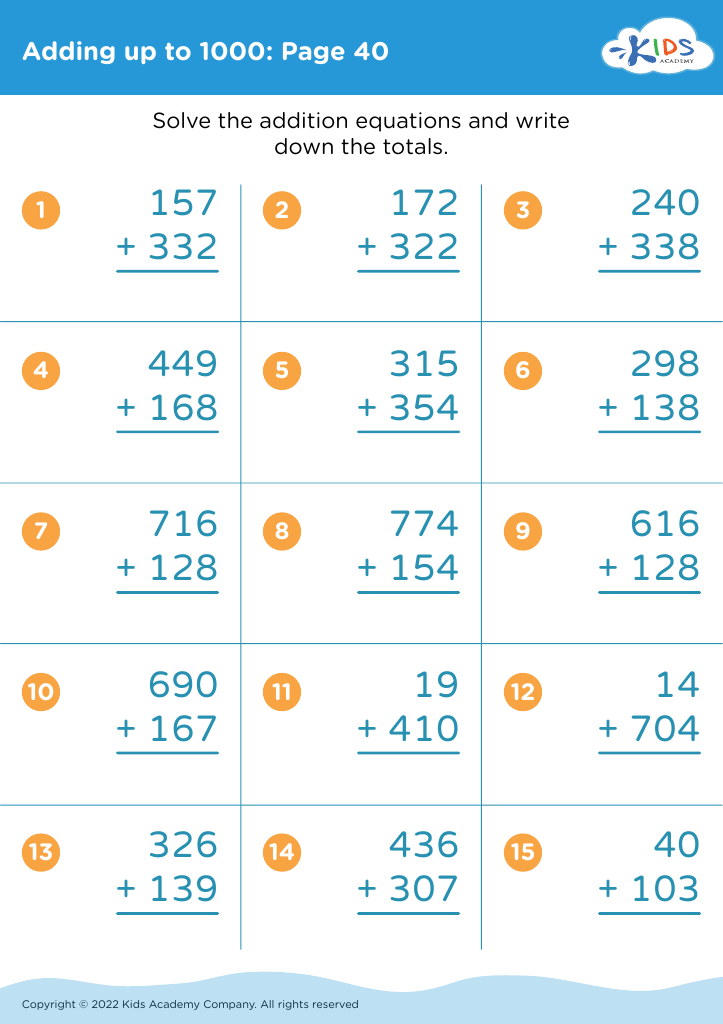
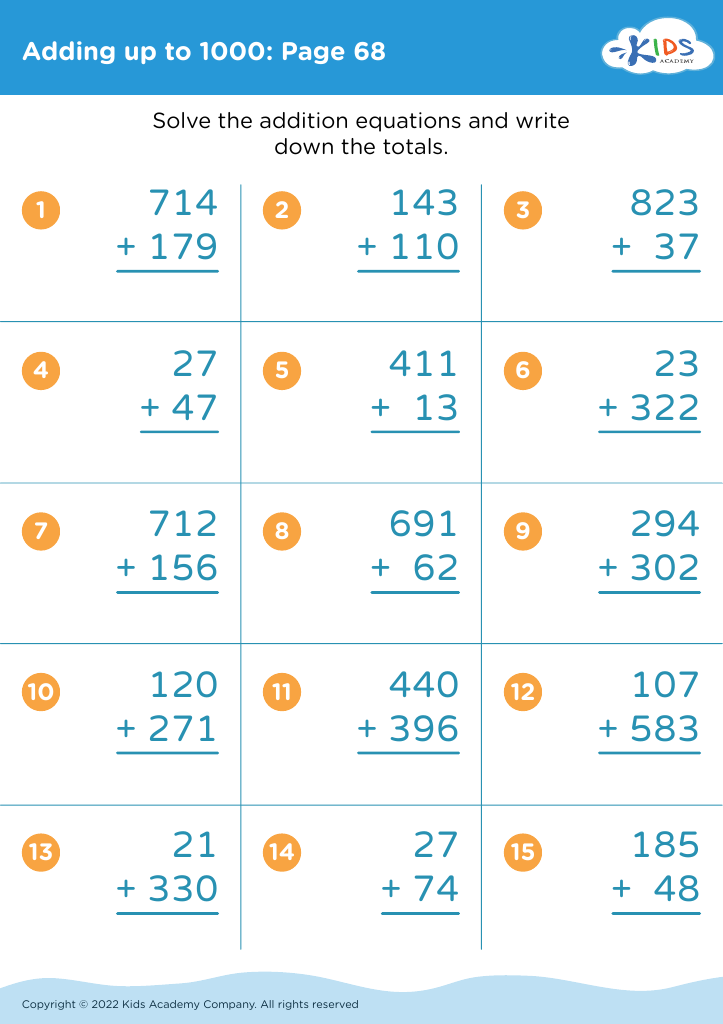
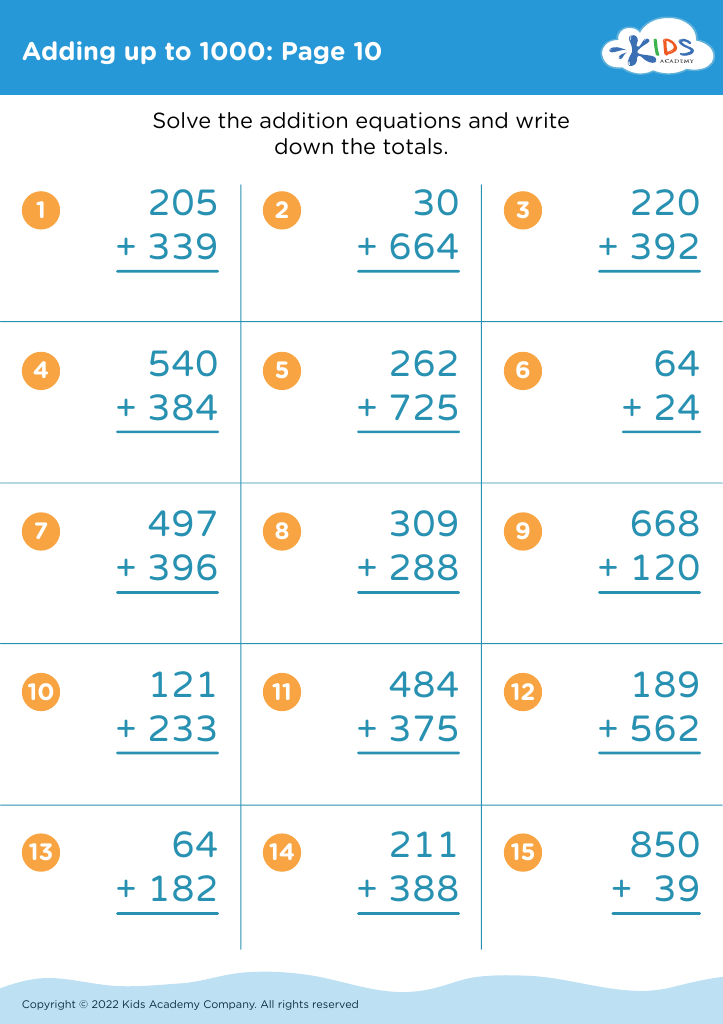
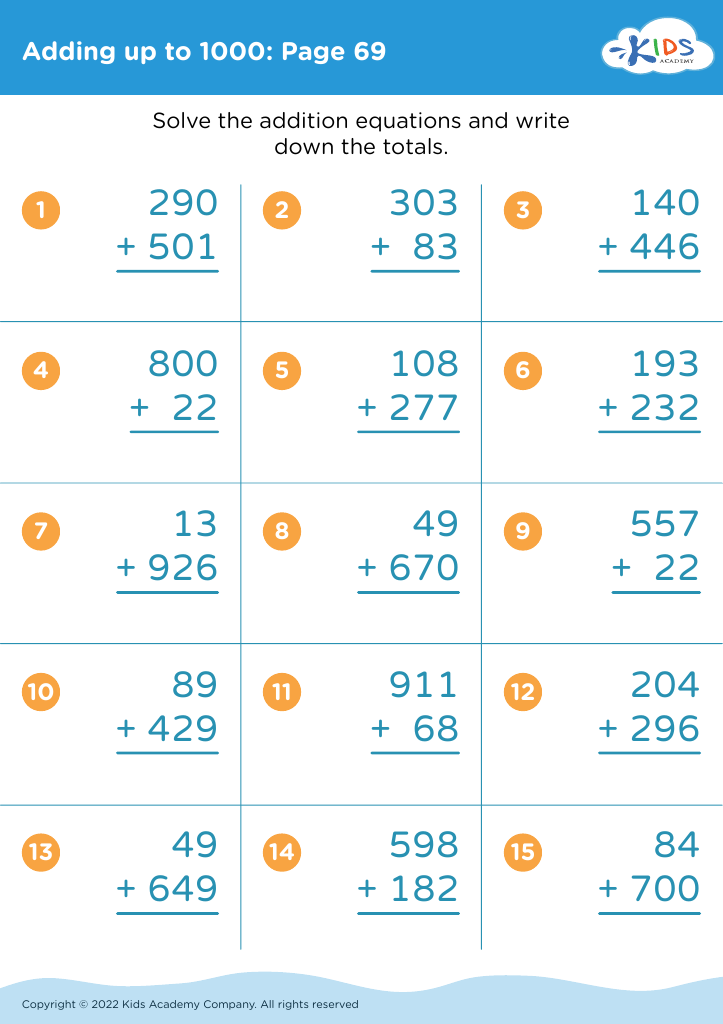
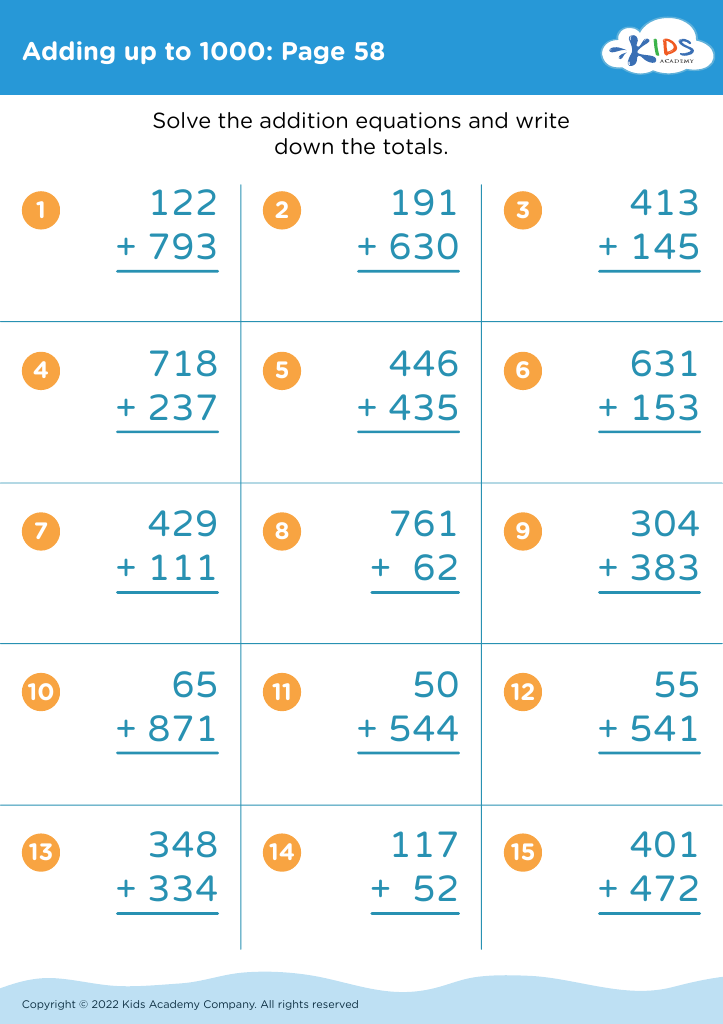


Understanding how to compare fractions is crucial for children aged 4-9 as it lays the foundation for more advanced mathematical concepts in later grades. Learning to compare fractions not only helps them grasp the idea of parts of a whole but also enhances their critical thinking and problem-solving skills. When children can compare fractions effectively, they develop a deeper understanding of rational numbers, which is essential for operations such as addition and subtraction.
When parents and teachers highlight the importance of comparing fractions—as in an engaging activity like “Adding up to 1000” that utilizes various objects and visual aids—children become more interested in mathematics. This interactive approach fosters a positive attitude towards math, helping to build confidence.
By focusing on comparing fractions, parents and teachers can connect mathematical concepts to real-world contexts, reinforcing the relevance of math in everyday life. Additionally, activities that engage students through games or collaborative tasks encourage cooperative learning, enhancing social skills. Ultimately, nurturing children's ability to compare fractions not only prepares them for academic success but also instills a sense of mathematical literacy essential for their future educational journey.