Mathematical reasoning Addition Facts Worksheets for Ages 4-9
4 filtered results
-
From - To
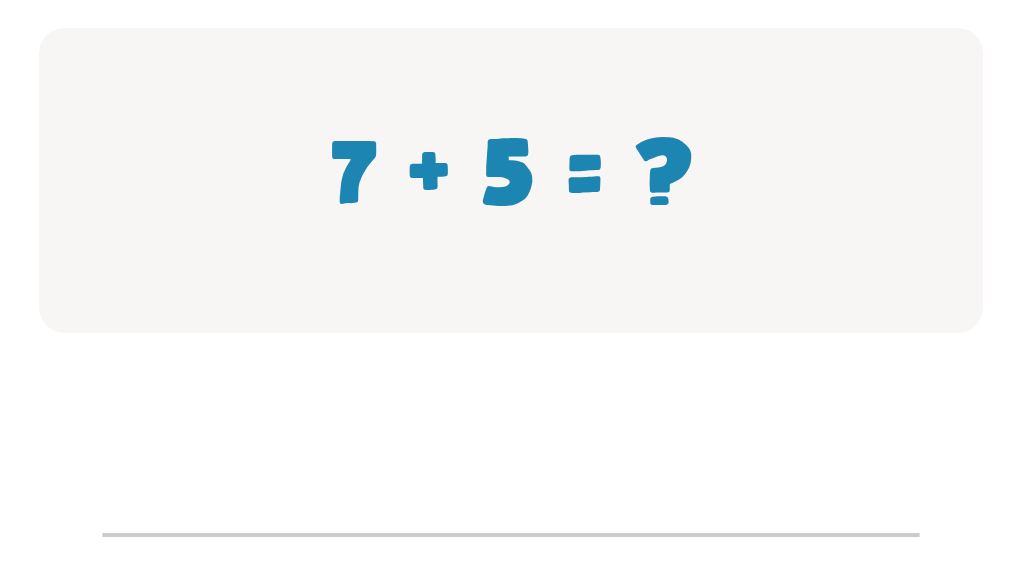
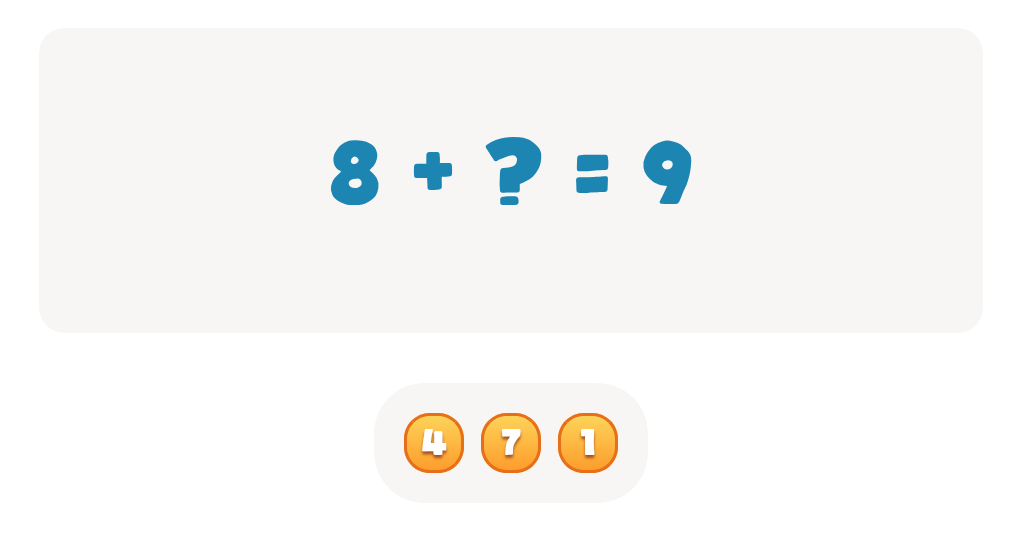
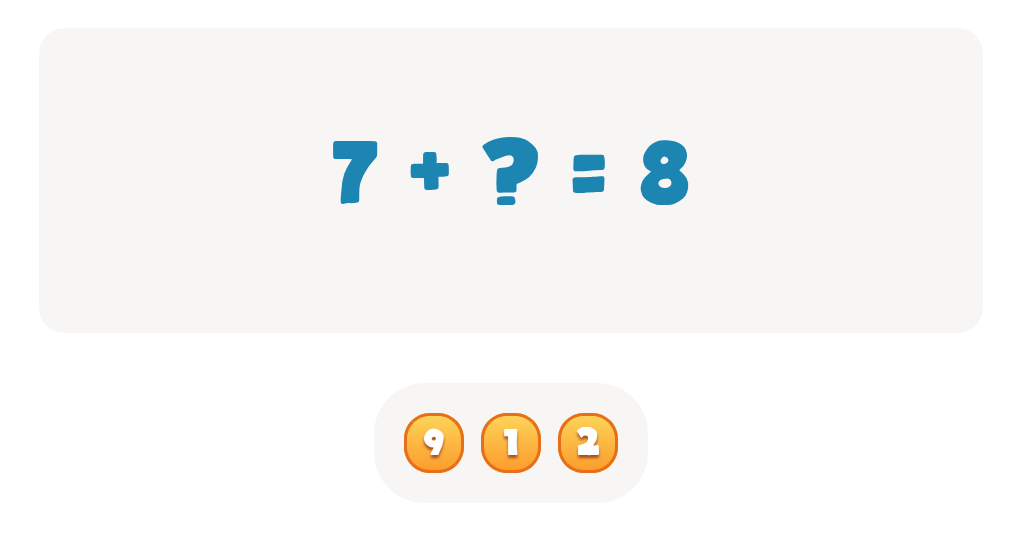
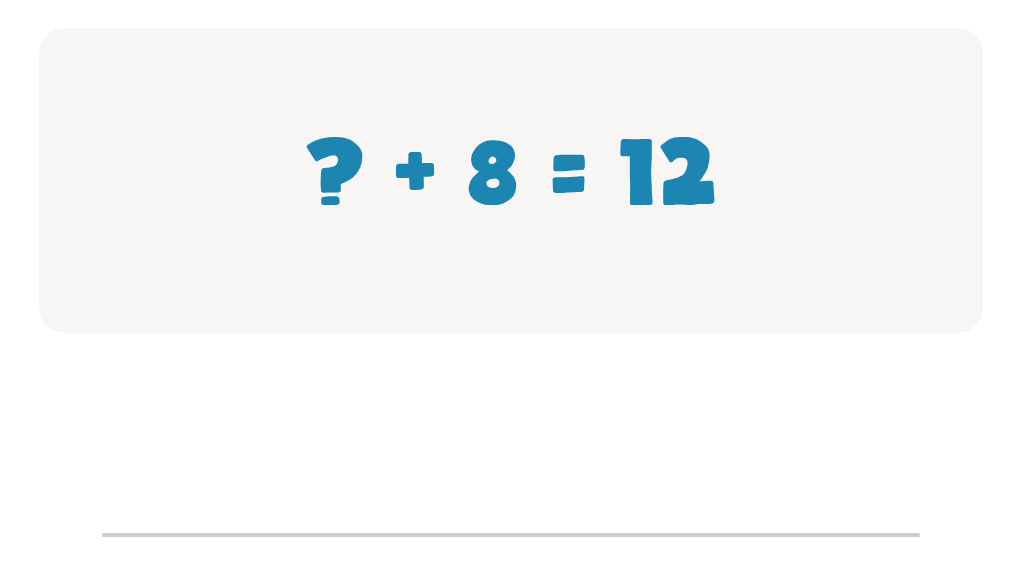
Enhance your child's mathematical reasoning skills with our engaging Addition Facts Worksheets designed for ages 4-9. Tailored to support early learners, these worksheets focus on developing a strong foundational understanding of addition through fun and interactive exercises. Kids will enjoy practicing their addition skills while building confidence in problem-solving and critical thinking. Our worksheets incorporate colorful visuals and relatable scenarios to make learning enjoyable. Perfect for both classroom and at-home use, these resources provide a comprehensive approach to mastering addition facts. Start your child's math journey today and watch them thrive in their mathematical abilities!
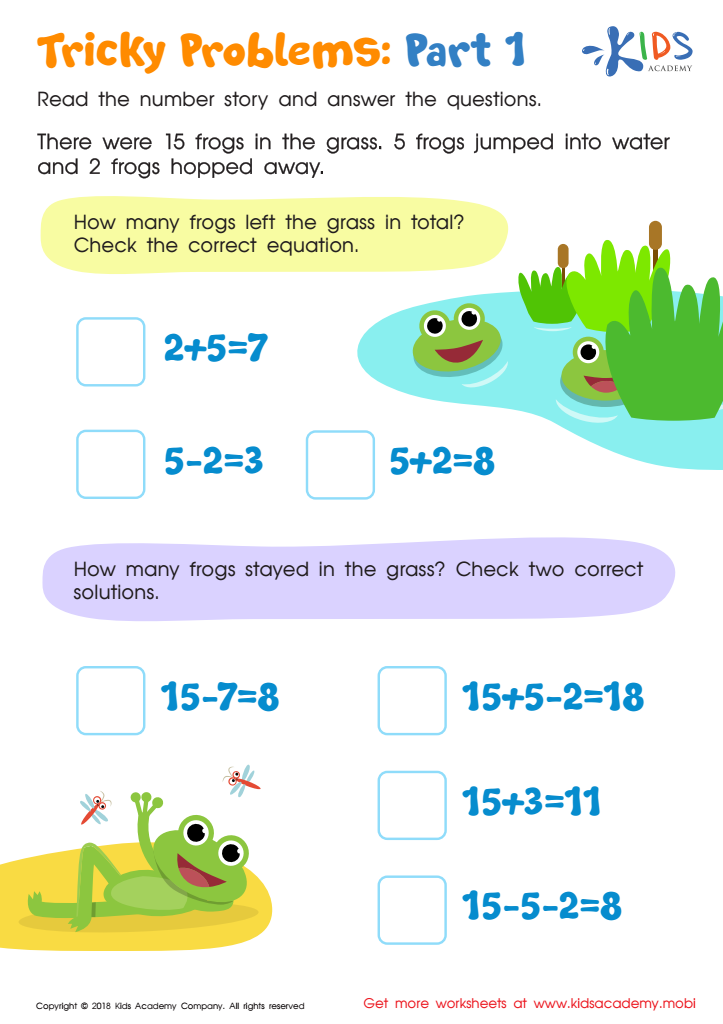
Tricky Problems Worksheet: Part 1
 Assign to My Students
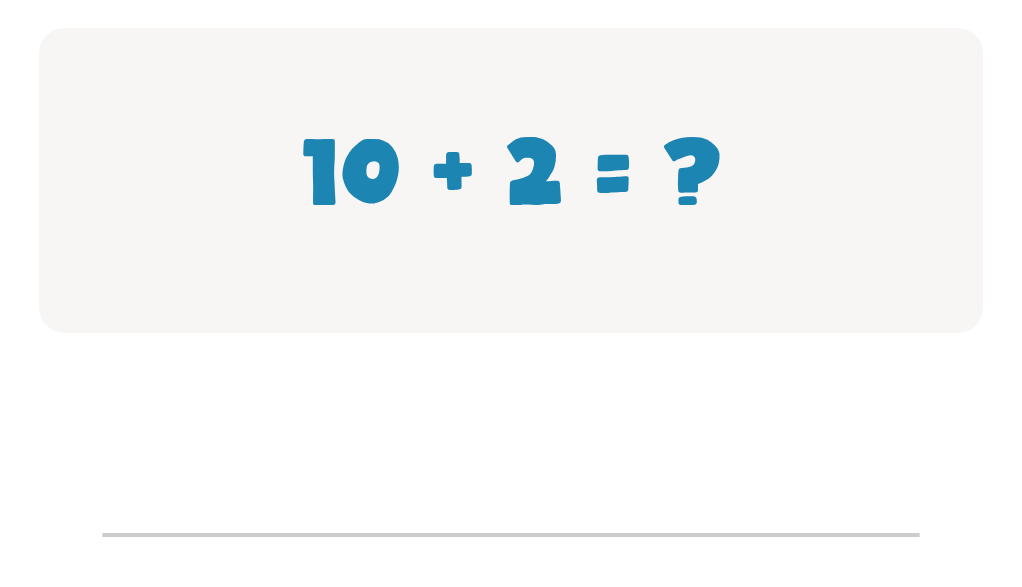


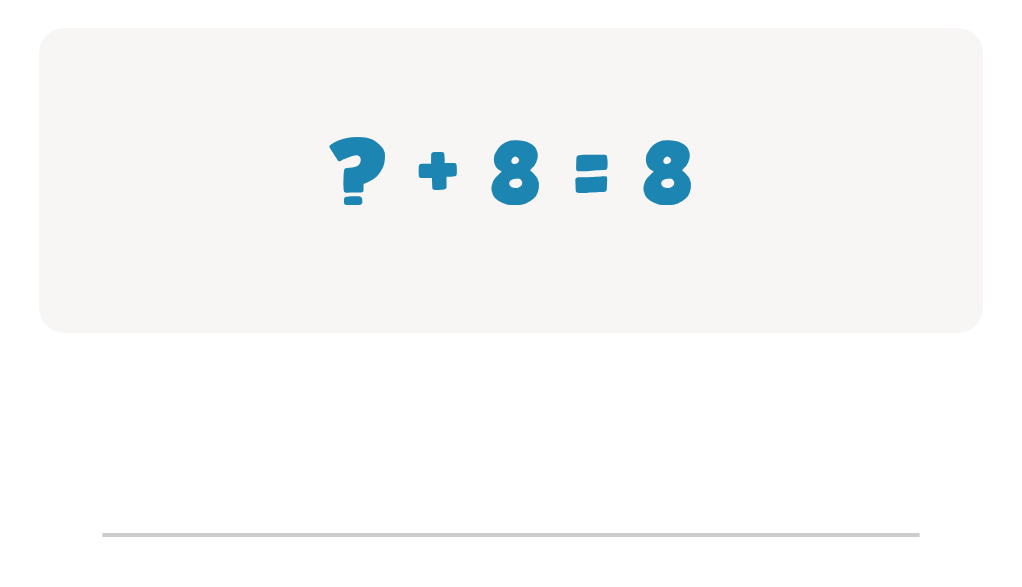
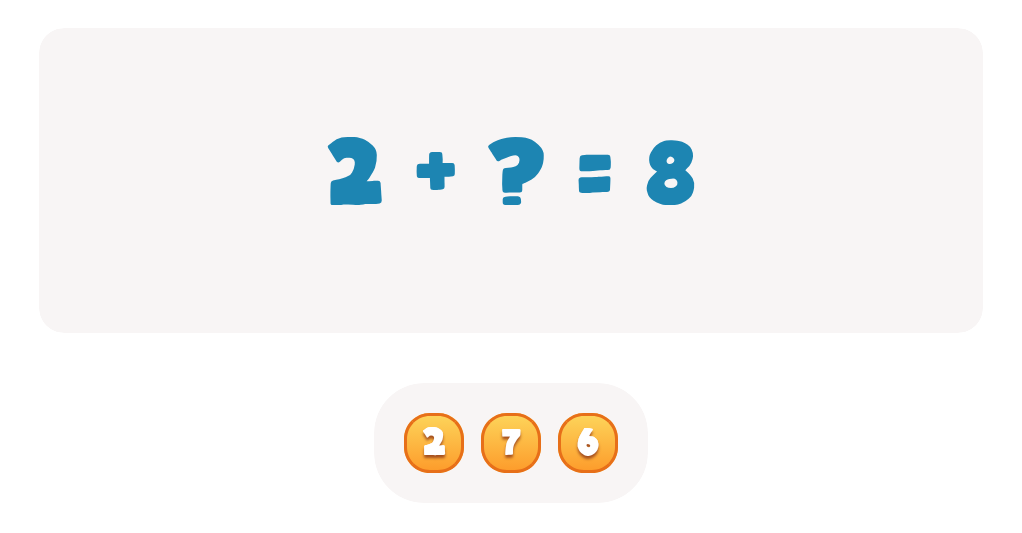

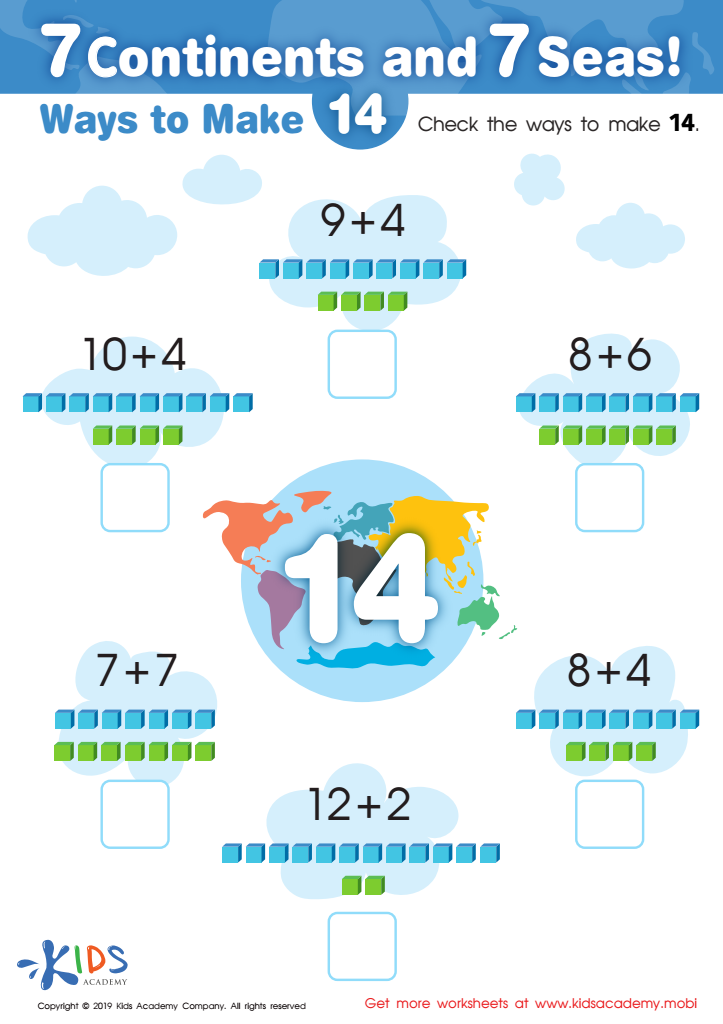
7 Continents and 7 Seas Worksheet
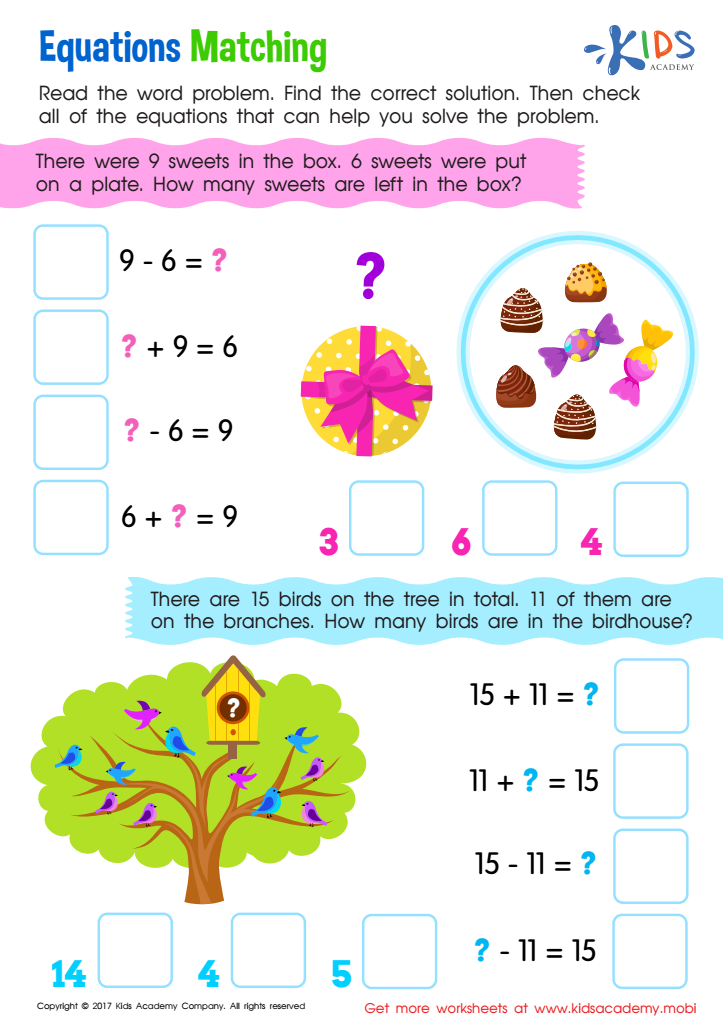
Equations Matching Word Problems Worksheet
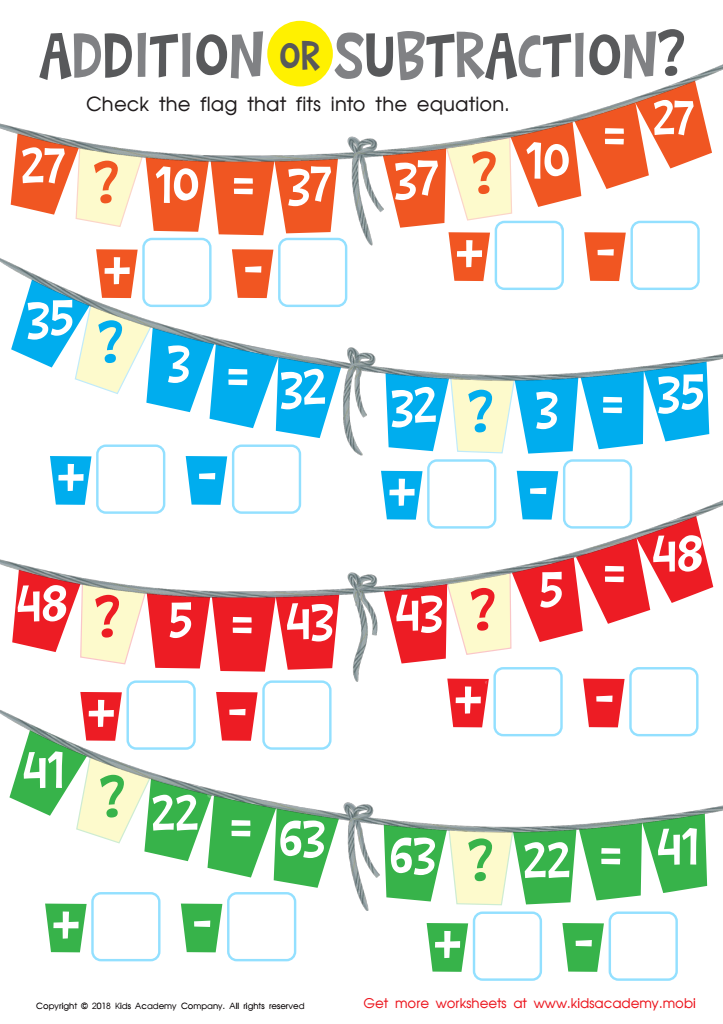
Addition or Subtraction? Worksheet








Mathematical reasoning, particularly in addition facts, is crucial for children aged 4 to 9 as it lays the foundation for their future understanding of math. During these formative years, children develop critical thinking and problem-solving skills through various math concepts. Addition facts, being one of the first mathematical operations they encounter, are essential for cognitive development and help children learn to make connections between numbers.
Understanding addition promotes confidence and fosters a positive attitude towards math. When students grasp basic addition, they are better equipped to tackle more complex operations, like subtraction, multiplication, and beyond. Additionally, strong reasoning skills encourage children to approach math challenges creatively, fostering perseverance and resilience.
For parents and teachers, supporting the development of addition facts helps ensure that children are not just memorizing numbers but truly comprehending their meanings. This comprehension leads to greater academic success and prepares children for real-world applications of math. Encouraging families to engage in math-related activities, such as games and daily practice, transforms learning into an enjoyable experience and reinforces the importance of strong foundational skills. Ultimately, nurturing mathematical reasoning at this stage supports lifelong learning and a positive relationship with mathematics.








