Filters

69 filtered results

Clear all filters
Favorites
With answer key
Interactive

69 filtered results

Difficulty Level

Grade


Subject

    Enhance your child's learning experience with our Fine Motor Skills Addition Worksheets, designed specifically for children ages 4-9! These engaging, beautifully illustrated worksheets not only teach fundamental addition concepts but also help strengthen fine motor skills through fun, hands-on activities. By tracing, coloring, and completing each worksheet, kids will develop better control over their hand movements, crucial for writing and other tasks. Perfect for homeschoolers, teachers, or parents looking to reinforce math skills during playtime, our worksheets create a seamless blend of learning and fun. Explore a variety of themes and styles that cater to different interests and promote a love for learning!
    Check out this FREE Trial Lesson on Addition for age 4-9!

    My Family

    Favorites
    With answer key
    Interactive
    • 4-9
    • Fine Motor Skills
    • Addition
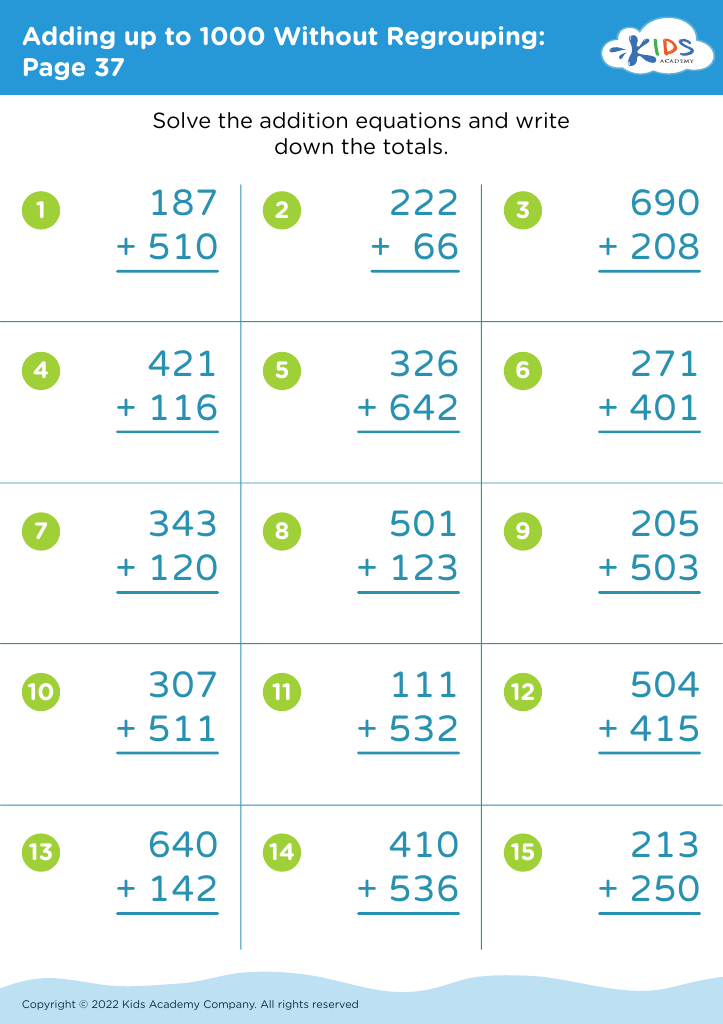
    Adding up to 1000 Without Regrouping: Page 37
    Adding up to 1000 Without Regrouping: Page 37
    Adding up to 1000 Without Regrouping: Page 37
    Worksheet
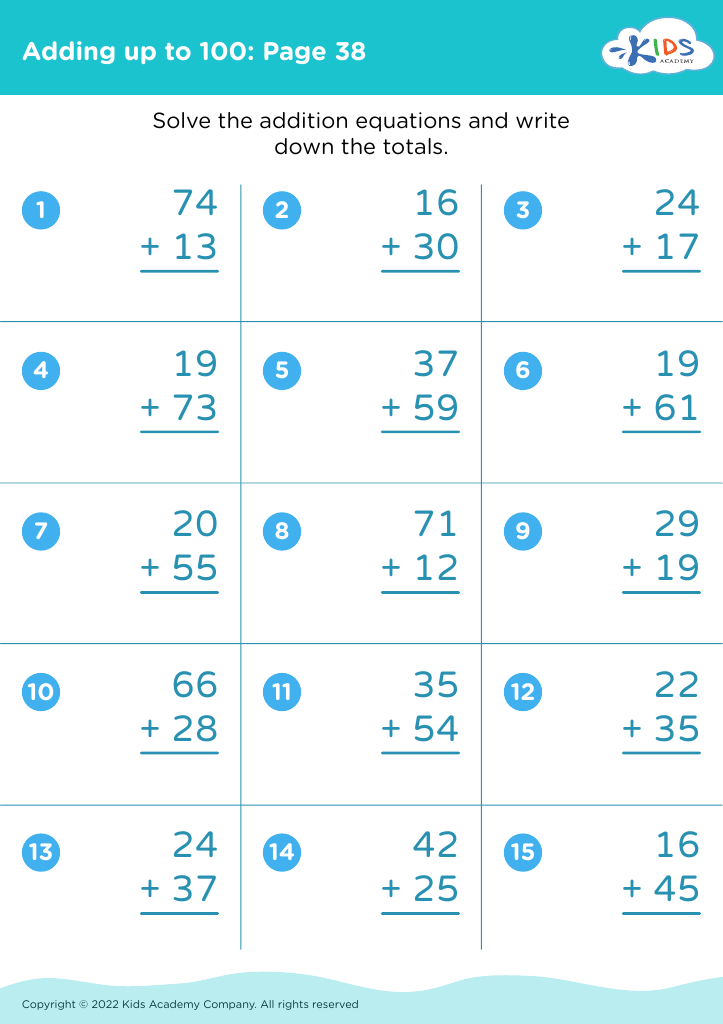
    Adding up to 100: Page 38
    Adding up to 100: Page 38

    Adding up to 100: Page 38

    Adding up to 100: Page 38
    Worksheet
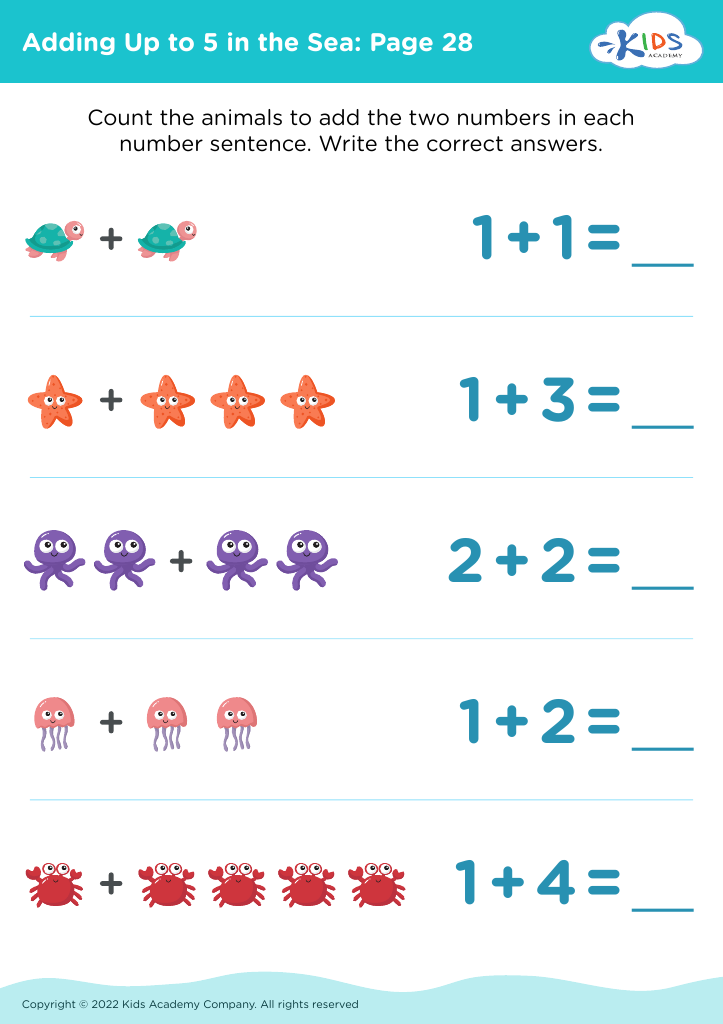
    Adding Up to 5 in the Sea: Page 28
    Adding Up to 5 in the Sea: Page 28
    Adding Up to 5 in the Sea: Page 28
    Worksheet
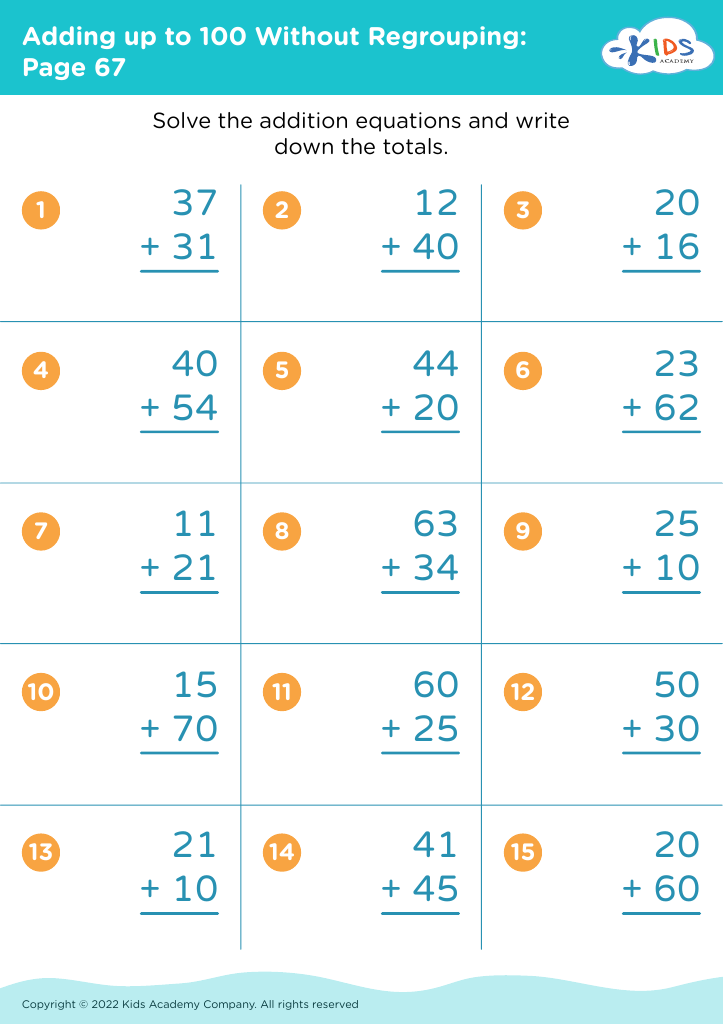
    Adding up to 100 Without Regrouping: Page 67
    Adding up to 100 Without Regrouping: Page 67
    Adding up to 100 Without Regrouping: Page 67
    Worksheet
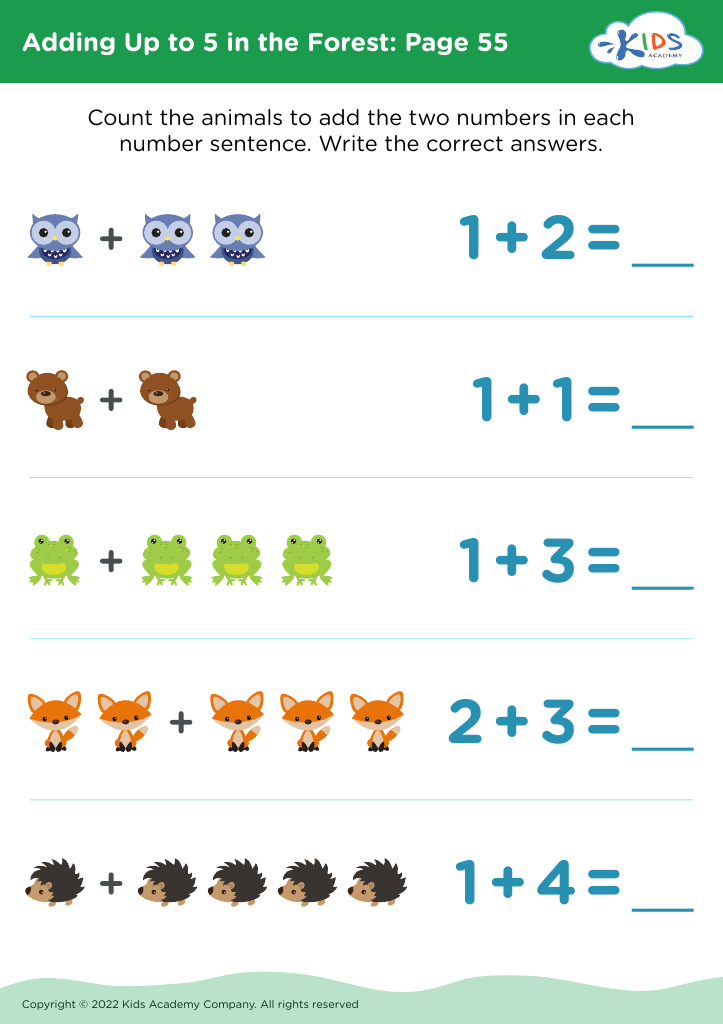
    Adding Up to 5 in the Forest: Page 55
    Adding Up to 5 in the Forest: Page 55
    Adding Up to 5 in the Forest: Page 55
    Worksheet
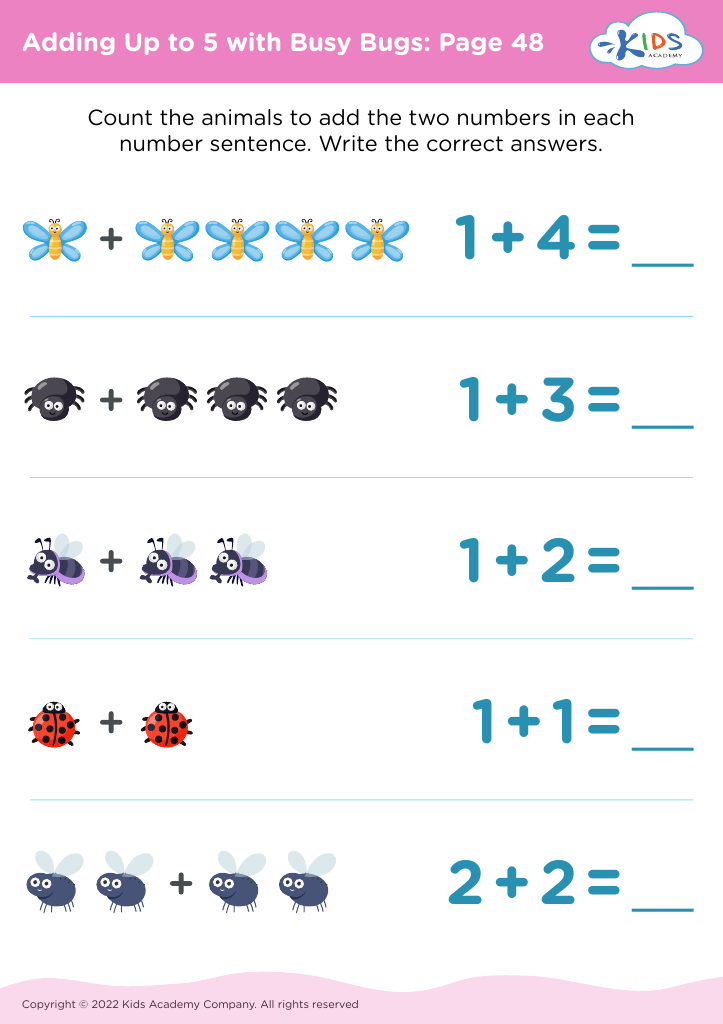
    Adding Up to 5 with Busy Bugs: Page 48
    Adding Up to 5 with Busy Bugs: Page 48
    Adding Up to 5 with Busy Bugs: Page 48
    Worksheet
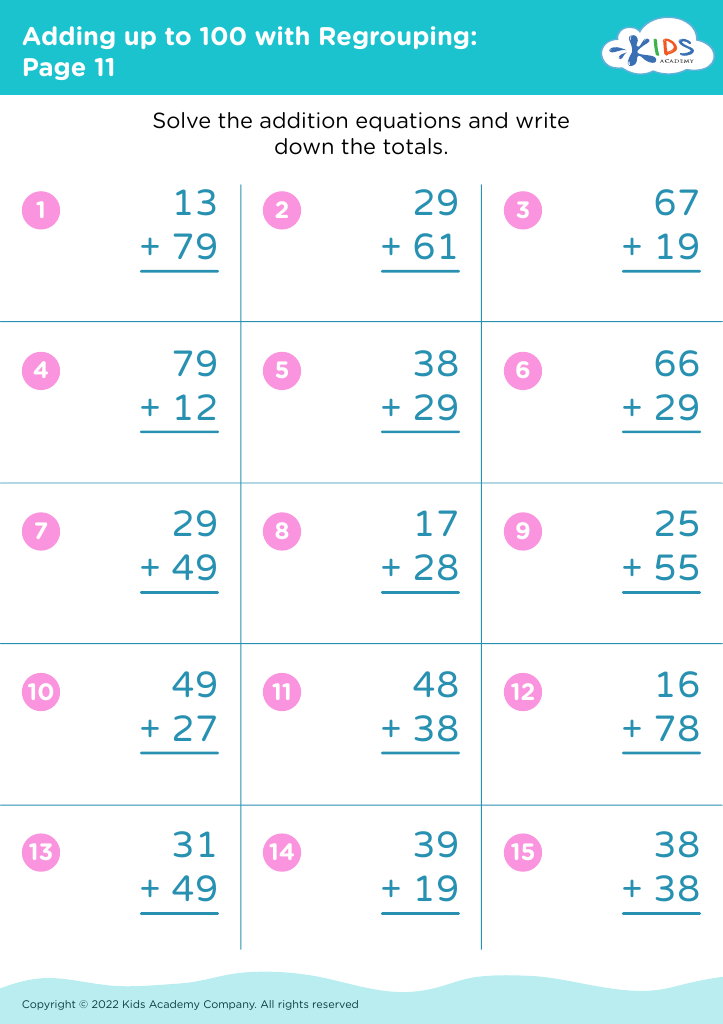
    Adding up to 100 with Regrouping: Page 11
    Adding up to 100 with Regrouping: Page 11
    Adding up to 100 with Regrouping: Page 11
    Worksheet
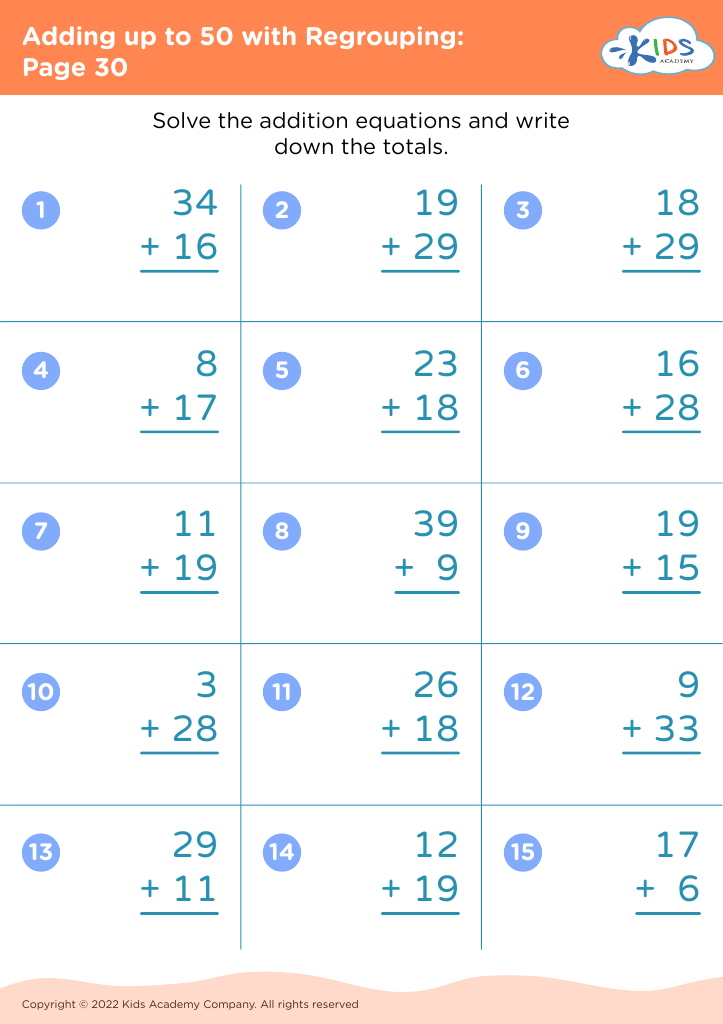
    Adding up to 50 with Regrouping: Page 30
    Adding up to 50 with Regrouping: Page 30
    Adding up to 50 with Regrouping: Page 30
    Worksheet
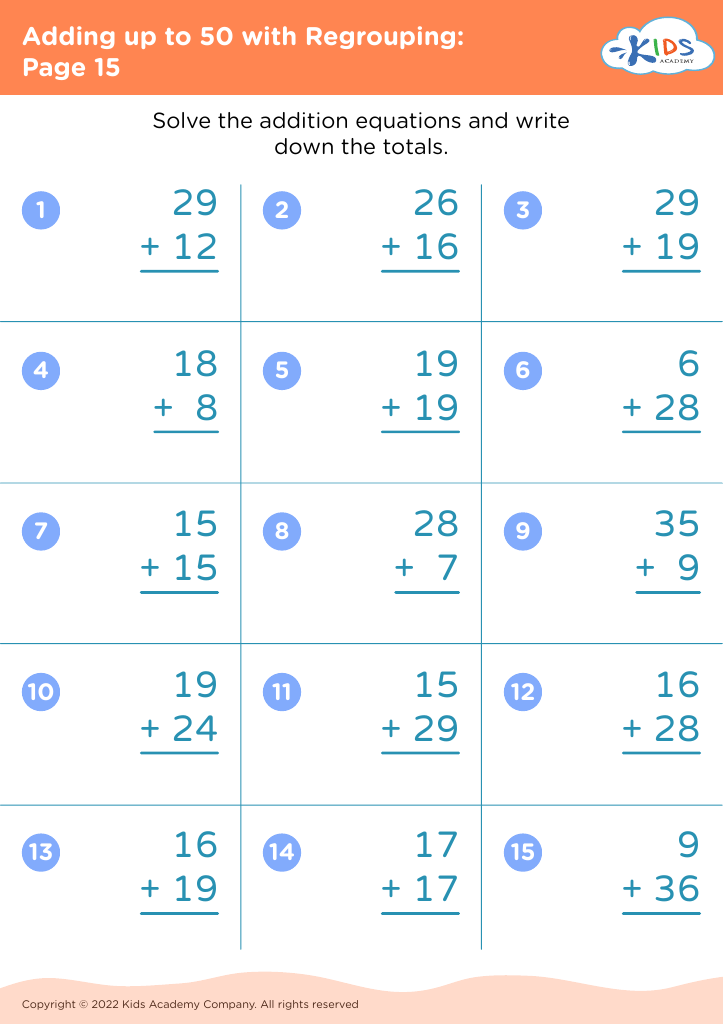
    Adding up to 50 with Regrouping: Page 15
    Adding up to 50 with Regrouping: Page 15
    Adding up to 50 with Regrouping: Page 15
    Worksheet
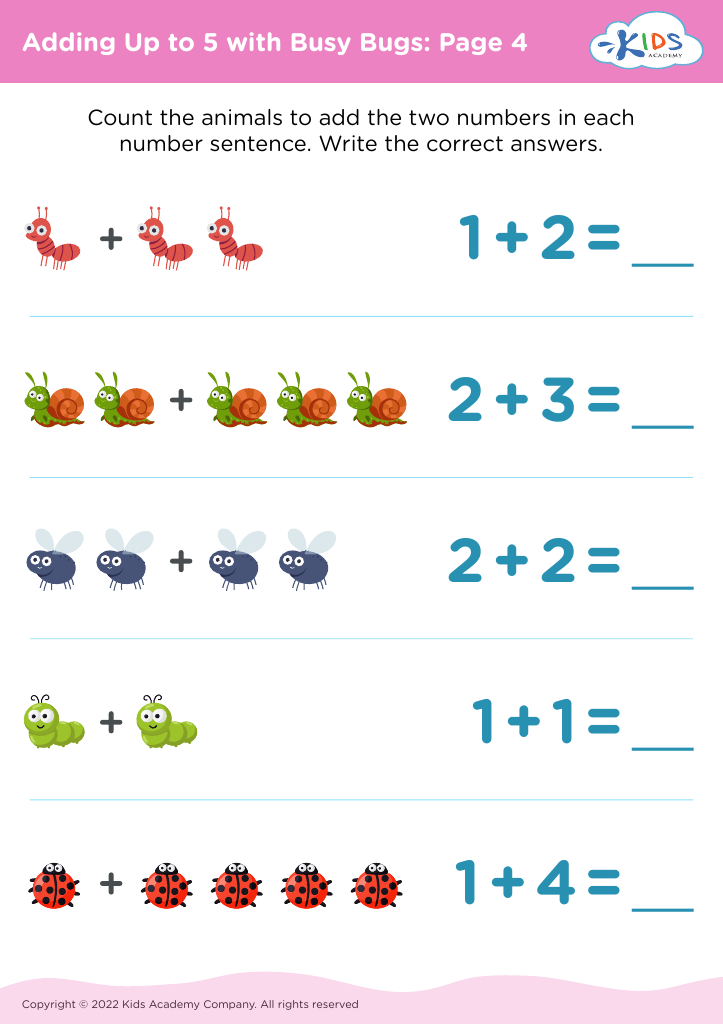
    Adding Up to 5 with Busy Bugs: Page 4
    Adding Up to 5 with Busy Bugs: Page 4
    Adding Up to 5 with Busy Bugs: Page 4
    Worksheet
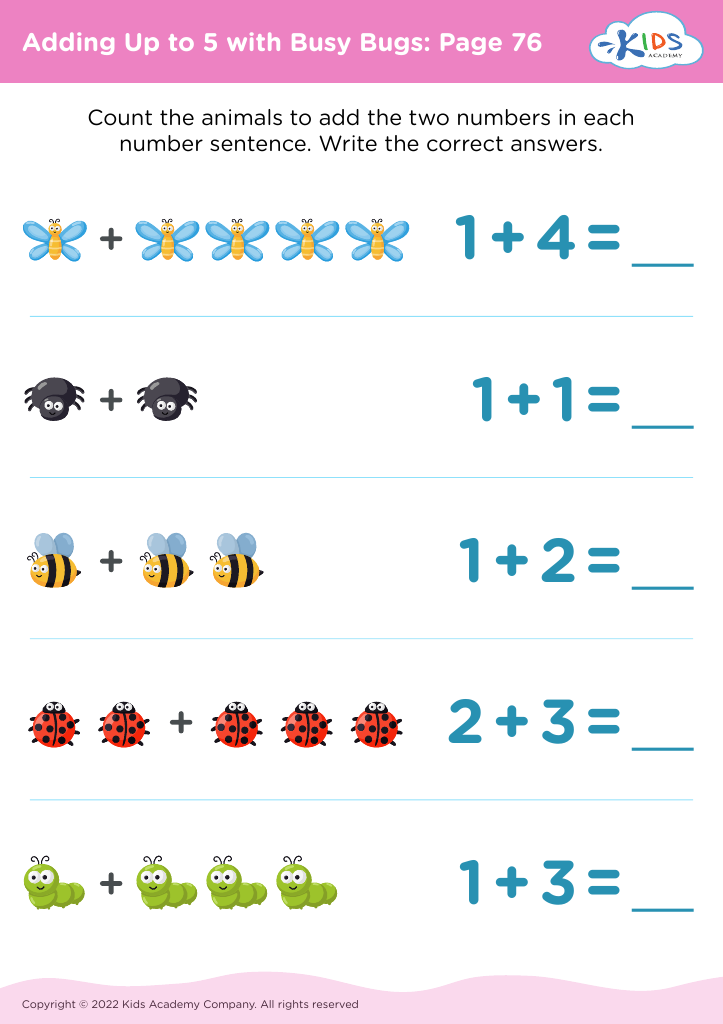
    Adding Up to 5 with Busy Bugs: Page 76
    Adding Up to 5 with Busy Bugs: Page 76
    Adding Up to 5 with Busy Bugs: Page 76
    Worksheet
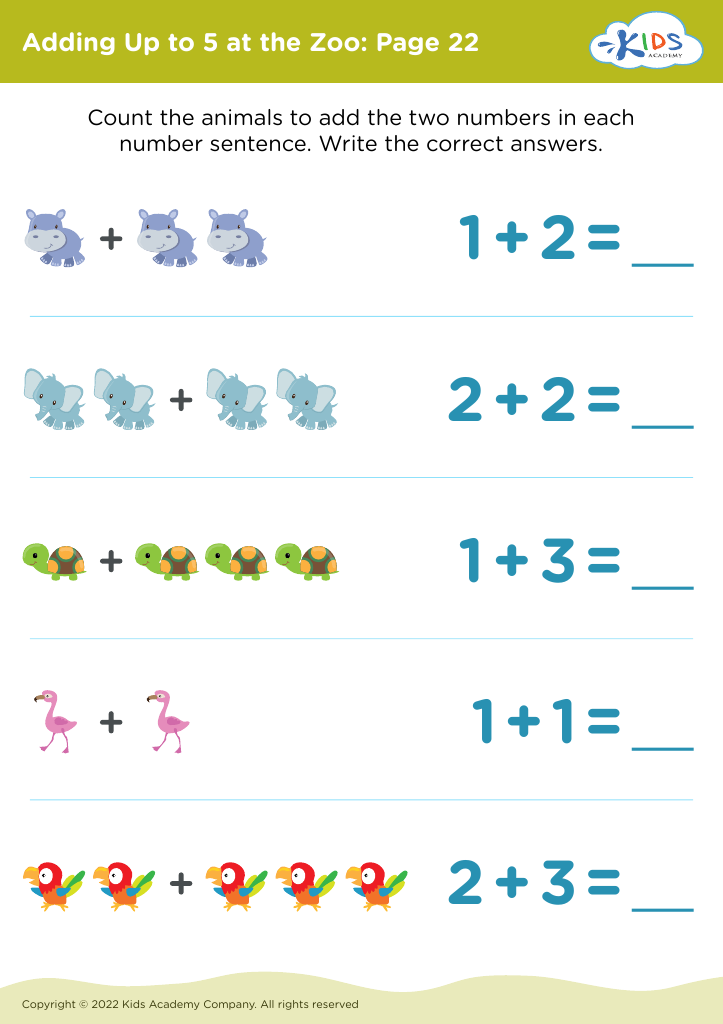
    Adding Up to 5 at the Zoo: Page 22
    Adding Up to 5 at the Zoo: Page 22
    Adding Up to 5 at the Zoo: Page 22
    Worksheet
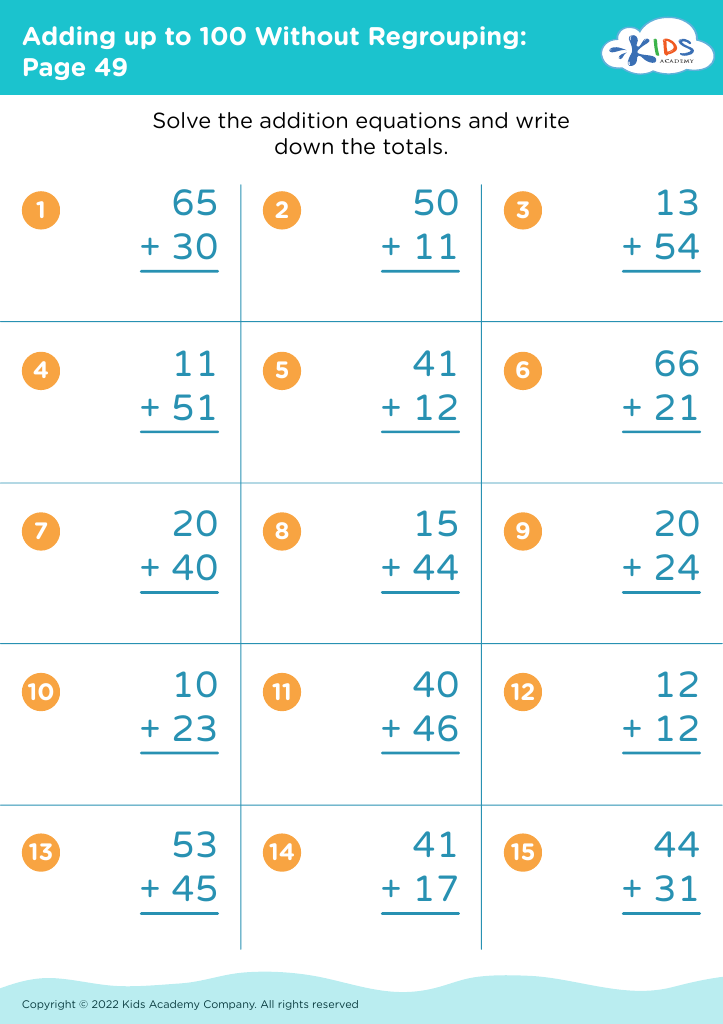
    Adding up to 100 Without Regrouping: Page 49
    Adding up to 100 Without Regrouping: Page 49
    Adding up to 100 Without Regrouping: Page 49
    Worksheet
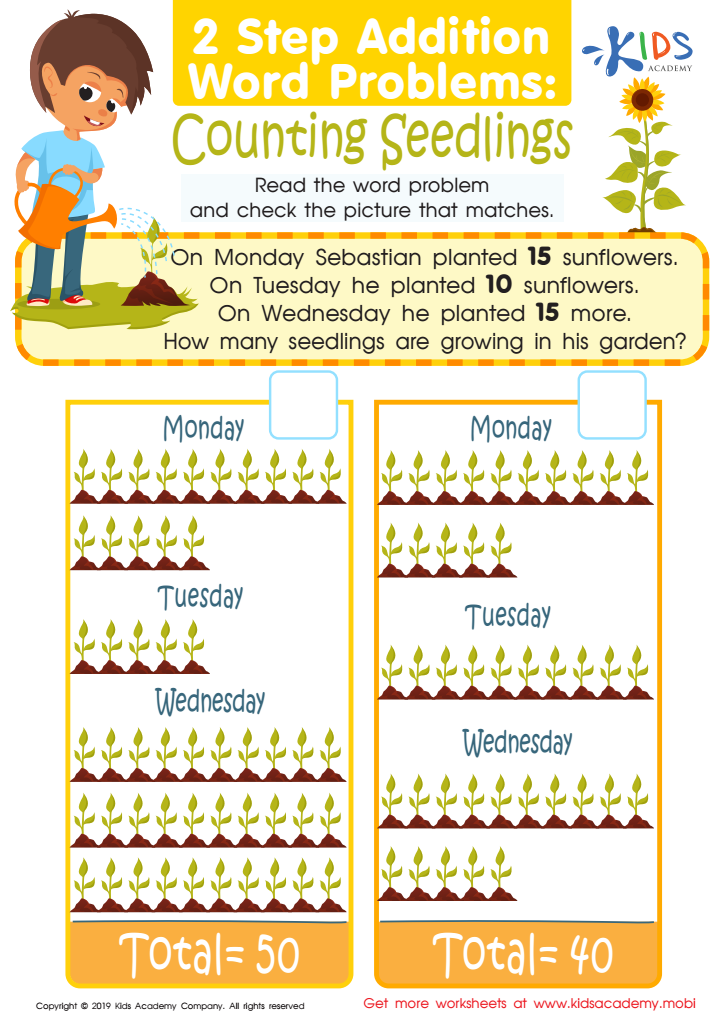
    Counting Seedlings Worksheet
    Counting Seedlings Worksheet

    Counting Seedlings Worksheet

    Understanding math word problems is key. Multiple steps can prove challenging - this free worksheet provides one-to-one picture representation to help kids solve multi-step addition word problems. Strengthen addition skills by choosing the matching picture to the answer.
    Counting Seedlings Worksheet
    Worksheet
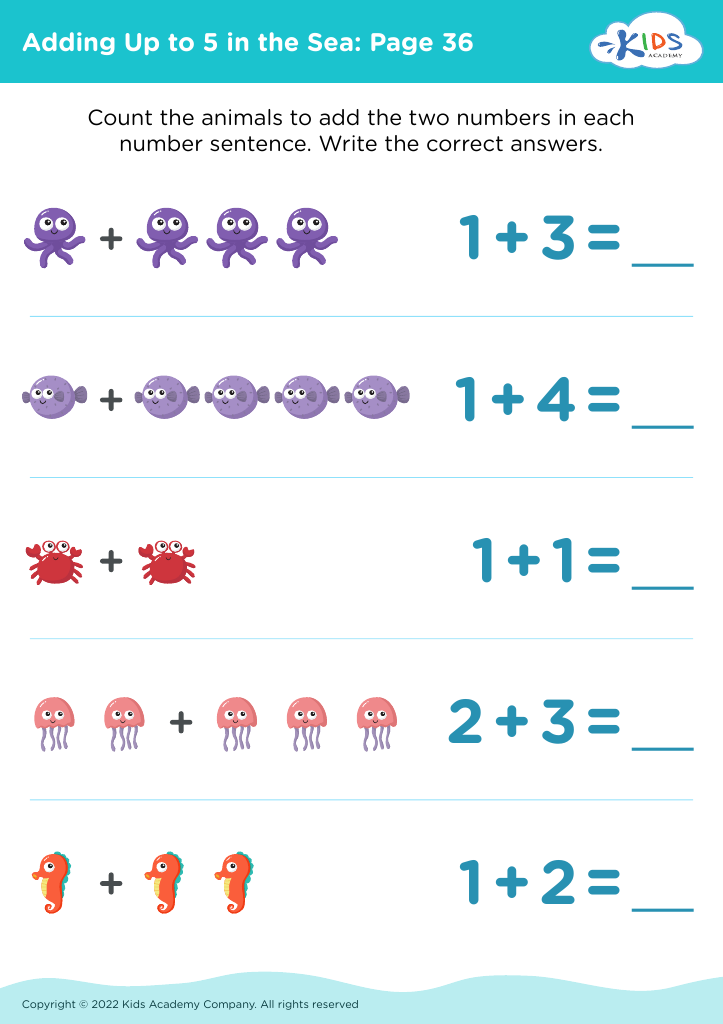
    Adding Up to 5 in the Sea: Page 36
    Adding Up to 5 in the Sea: Page 36
    Adding Up to 5 in the Sea: Page 36
    Worksheet
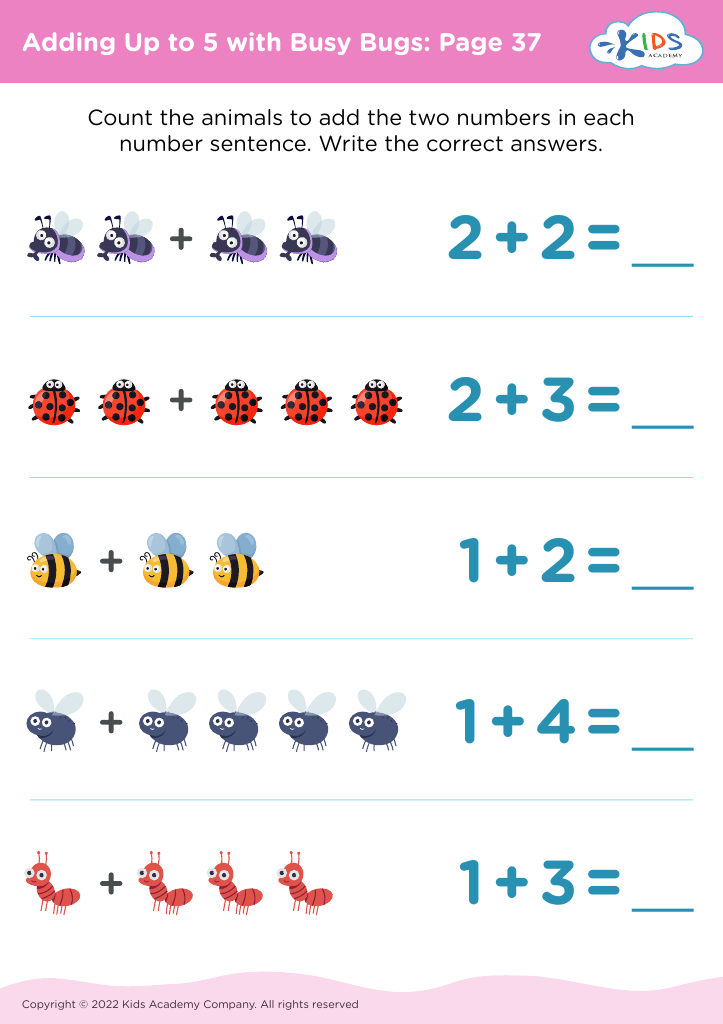
    Adding Up to 5 with Busy Bugs: Page 37
    Adding Up to 5 with Busy Bugs: Page 37
    Adding Up to 5 with Busy Bugs: Page 37
    Worksheet
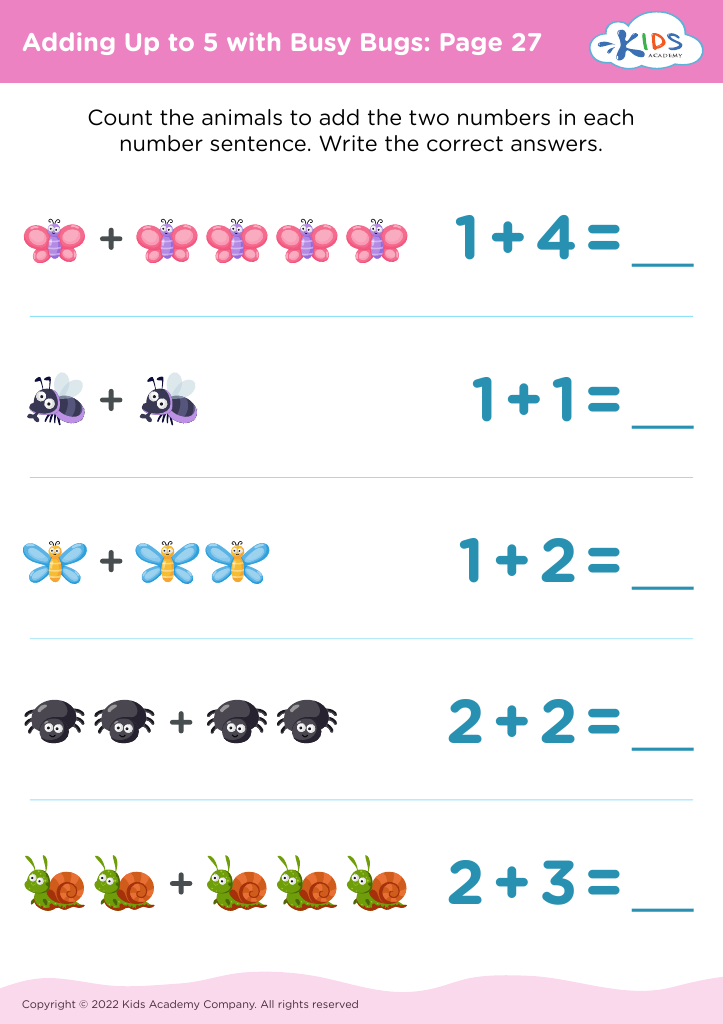
    Adding Up to 5 with Busy Bugs: Page 27
    Adding Up to 5 with Busy Bugs: Page 27
    Adding Up to 5 with Busy Bugs: Page 27
    Worksheet
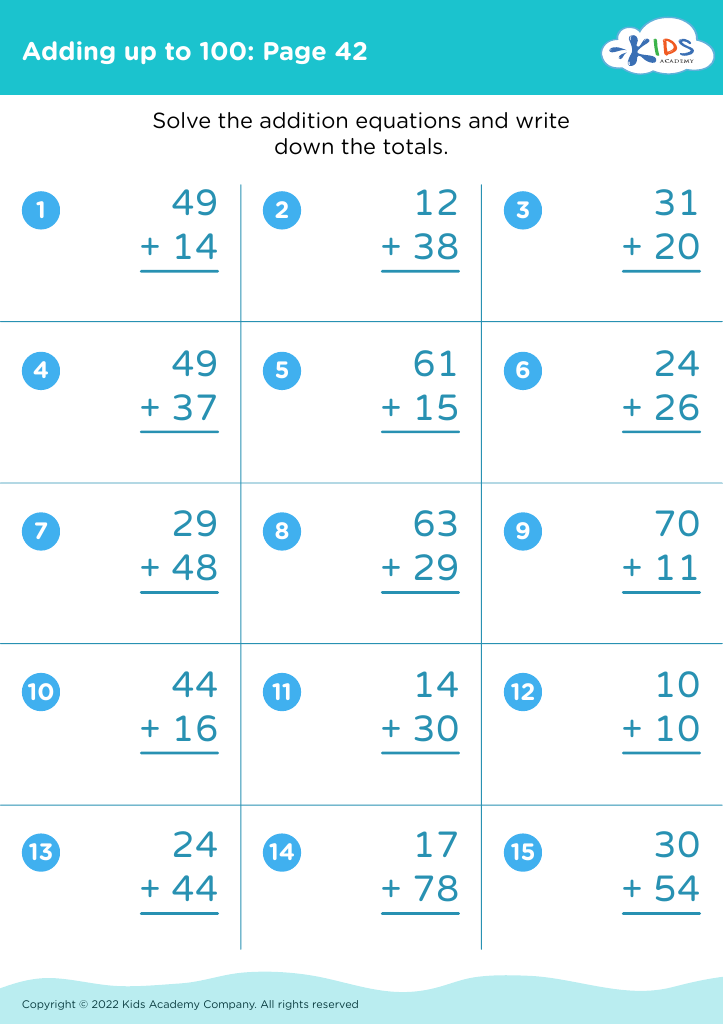
    Adding up to 100: Page 42
    Adding up to 100: Page 42

    Adding up to 100: Page 42

    Adding up to 100: Page 42
    Worksheet
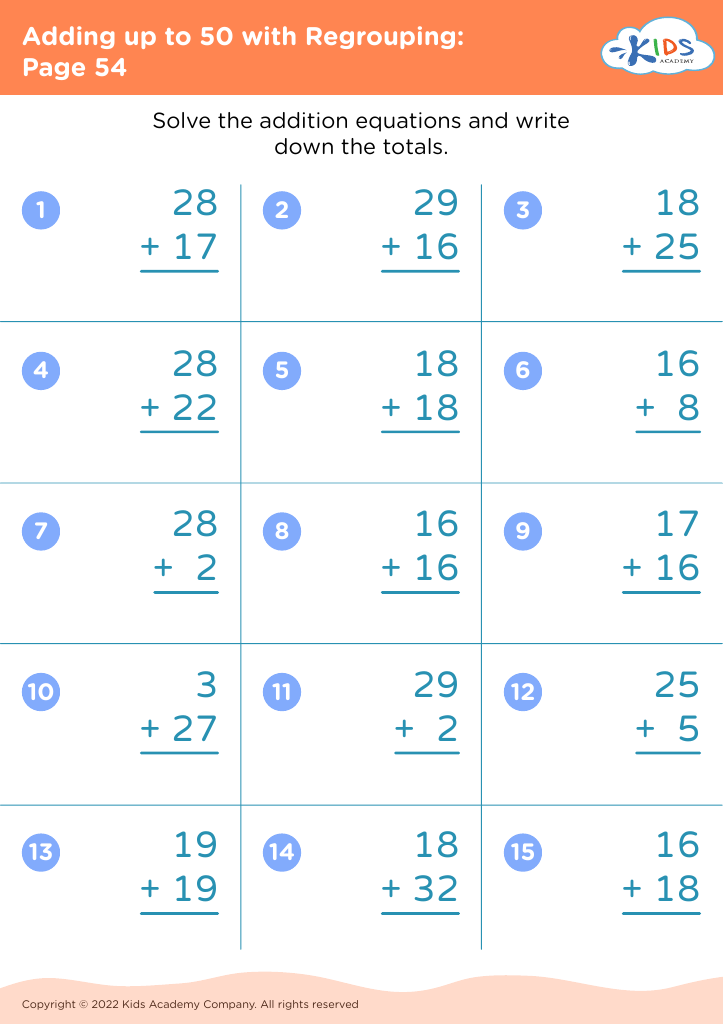
    Adding up to 50 with Regrouping: Page 54
    Adding up to 50 with Regrouping: Page 54
    Adding up to 50 with Regrouping: Page 54
    Worksheet
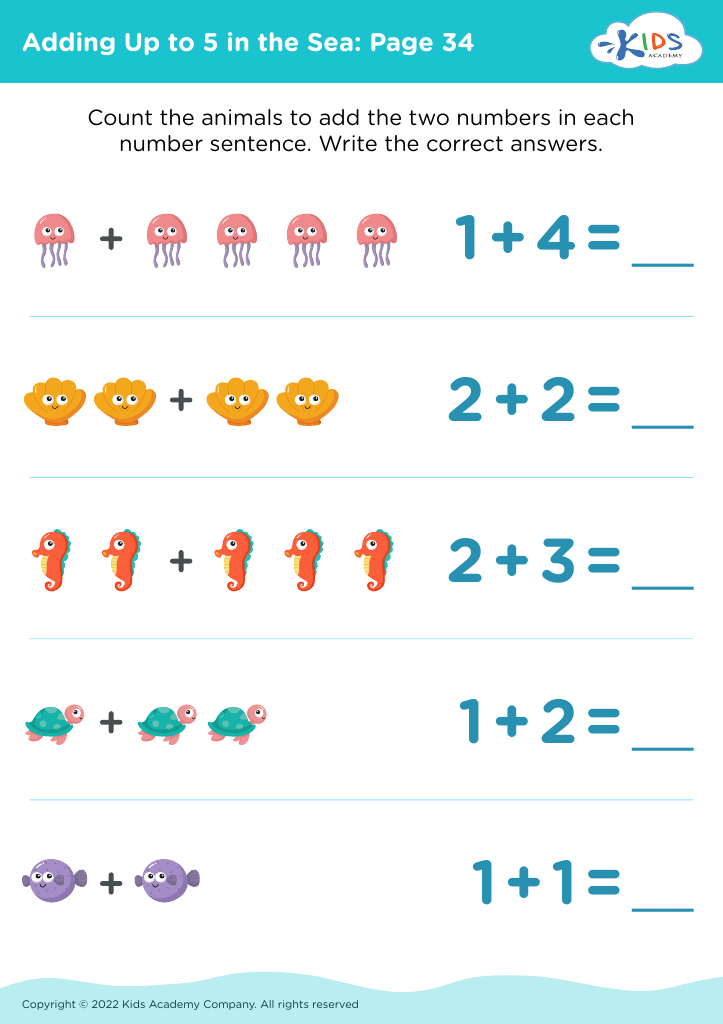
    Adding Up to 5 in the Sea: Page 34
    Adding Up to 5 in the Sea: Page 34
    Adding Up to 5 in the Sea: Page 34
    Worksheet
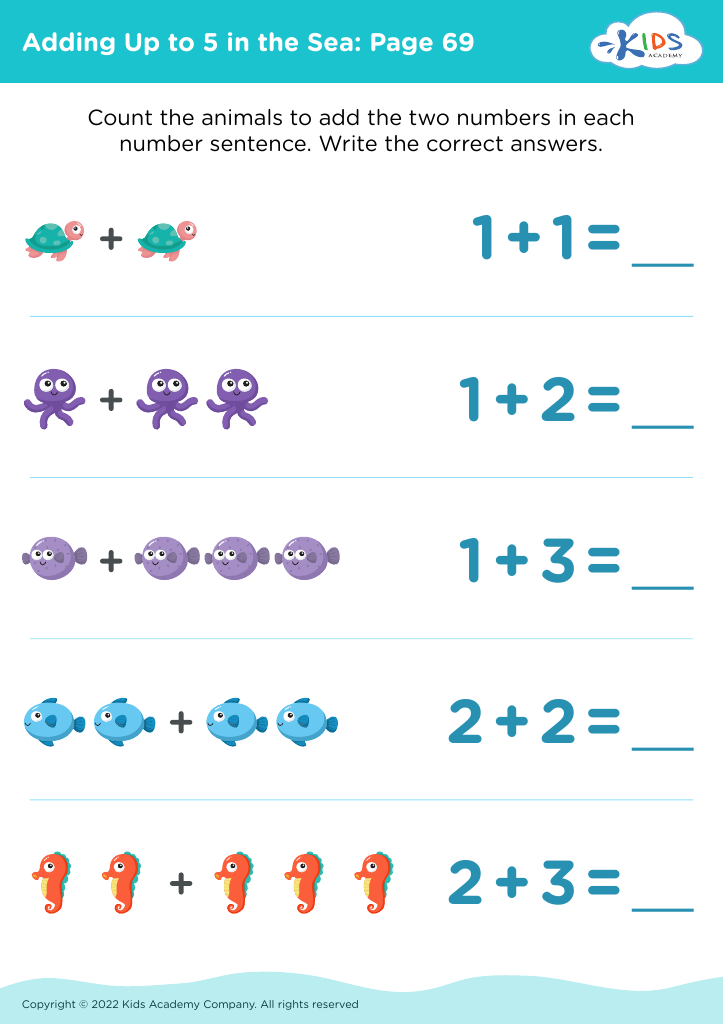
    Adding Up to 5 in the Sea: Page 69
    Adding Up to 5 in the Sea: Page 69
    Adding Up to 5 in the Sea: Page 69
    Worksheet
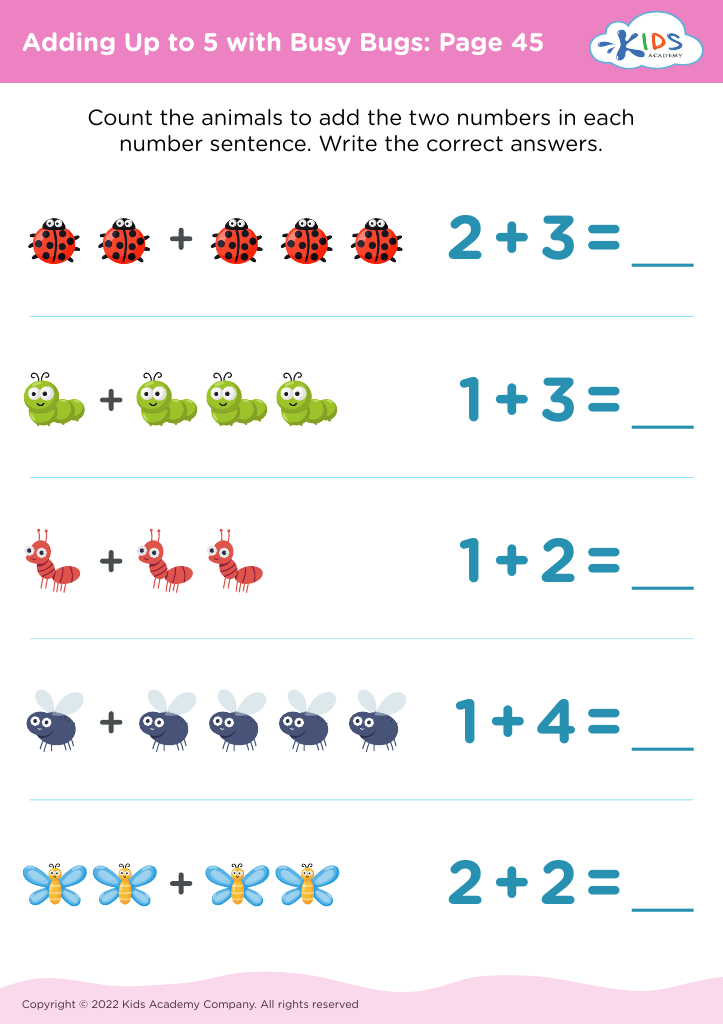
    Adding Up to 5 with Busy Bugs: Page 45
    Adding Up to 5 with Busy Bugs: Page 45
    Adding Up to 5 with Busy Bugs: Page 45
    Worksheet
    18 Candles Worksheet
    18 Candles Worksheet

    18 Candles Worksheet

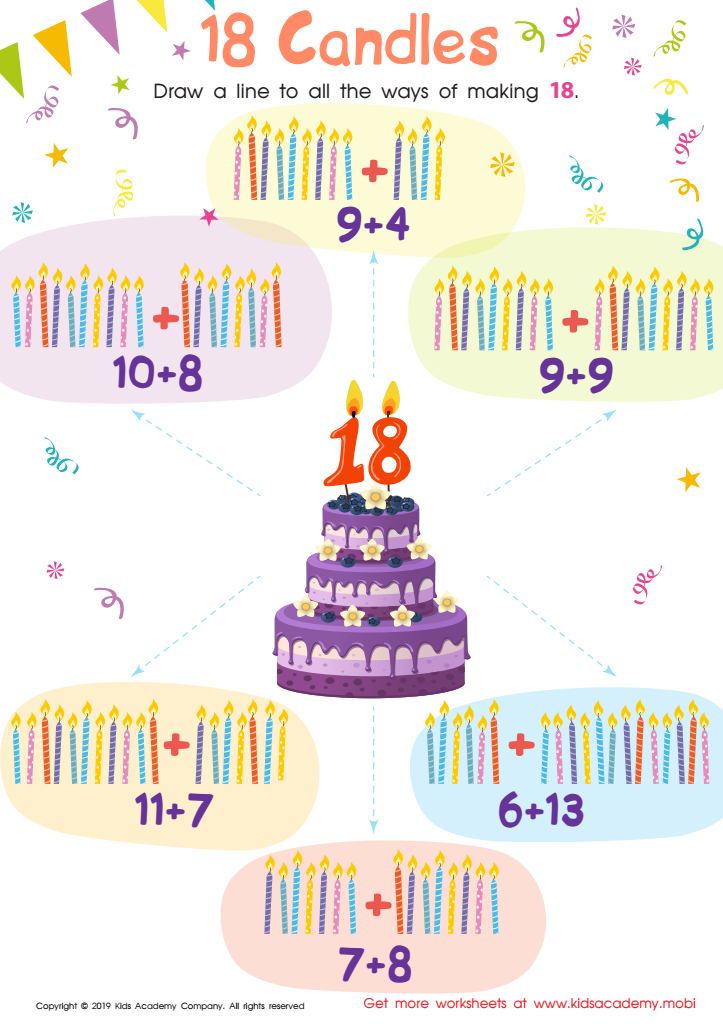
    This worksheet is great for introducing your students to addition and subtraction. Help your kids solve the simple equations on it and draw a line from the birthday cake with 18 on it to all the solutions. Practice like this will prepare them to tackle more complex math problems.
    18 Candles Worksheet
    Worksheet
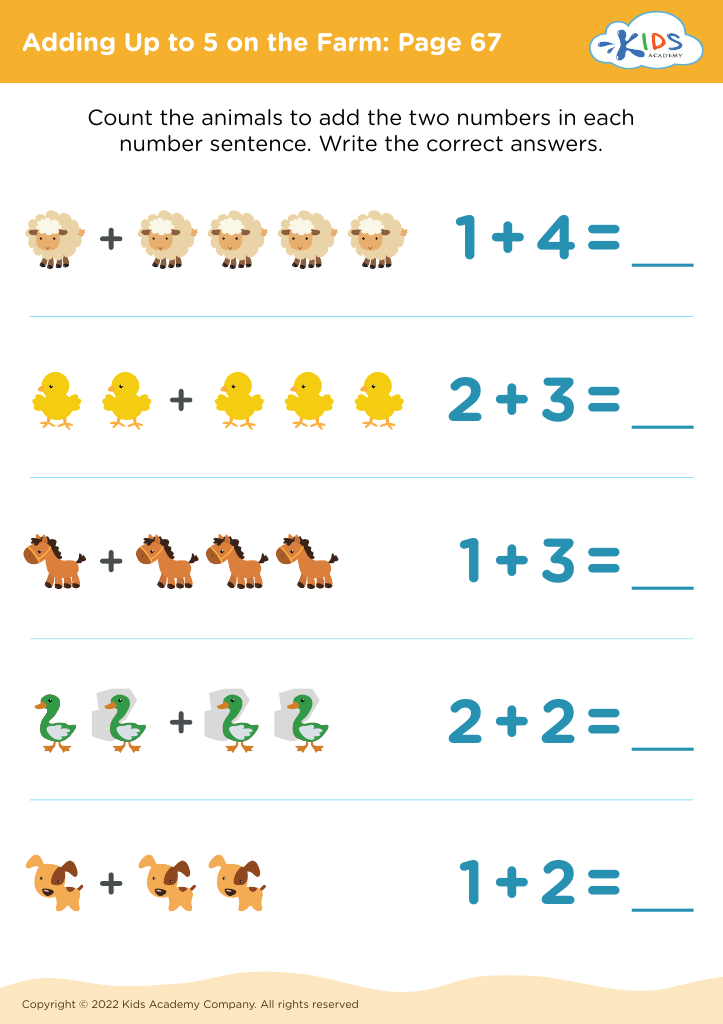
    Adding Up to 5 on the Farm: Page 67
    Adding Up to 5 on the Farm: Page 67
    Adding Up to 5 on the Farm: Page 67
    Worksheet


    Fine motor skills are essential for children aged 4 to 9 as they form the foundation for many daily activities and academic tasks. These skills involve the coordinated movements of small muscles in the hands and fingers, enabling children to perform actions such as writing, drawing, buttoning clothes, and using scissors. As children engage in fine motor activities, they develop hand strength, dexterity, and precision, all critical for successful learning experiences.

    Parents and teachers should care about strengthening fine motor skills because they directly impact a child's readiness for school and overall confidence. Mastering these skills enhances a child's ability to participate in classroom tasks, such as writing and art projects, fostering creativity and expression. Additionally, fine motor development supports cognitive growth; tasks requiring precision often involve problem-solving and critical thinking.

    Moreover, well-developed fine motor skills promote social interactions as children collaborate on projects or play together, building teamwork and communication abilities. By prioritizing fine motor skill activities—like crafting, drawing, or playing with building blocks—adults can significantly influence children's developmental trajectories, laying the groundwork for long-term academic success and personal growth. Encouraging these skills early on can lead to better outcomes in both learning and life.