Logical thinking development Addition Worksheets for Ages 4-9
8 filtered results
-
From - To
Enhance your child's logical thinking with our engaging Addition Worksheets for Ages 4-9! Designed to foster critical skills, these worksheets provide an interactive learning experience that promotes problem-solving and reasoning. Children will explore addition concepts through fun exercises that challenge their logical thinking while reinforcing math fundamentals. Our printable resources are perfect for classroom use or at-home learning, making math enjoyable and accessible for young learners. With colorful illustrations and various difficulty levels, these worksheets will captivate your child's interest and build a strong foundation in mathematics. Start developing your child's logical thinking today with our thoughtfully curated addition activities!
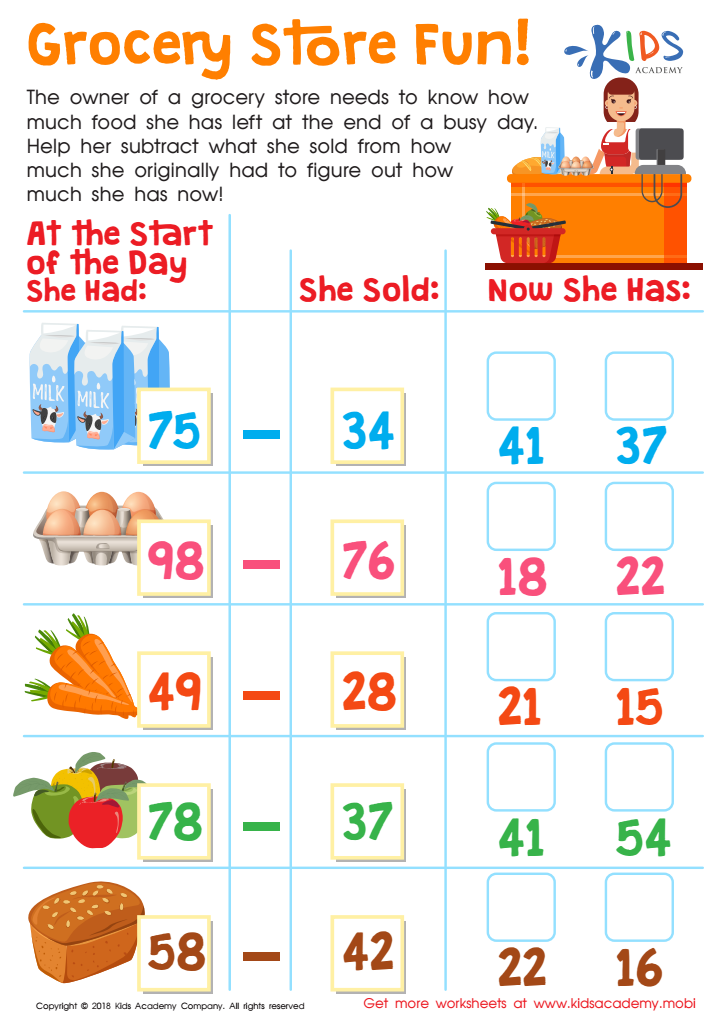
Grocery Store Fun! Worksheet
 Assign to My Students
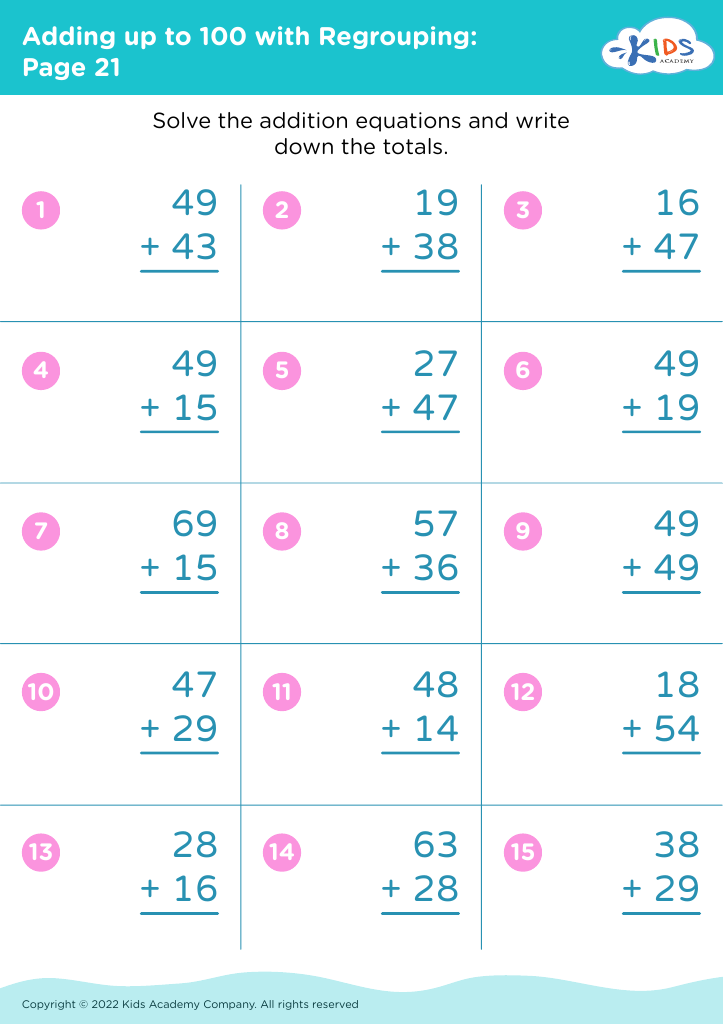
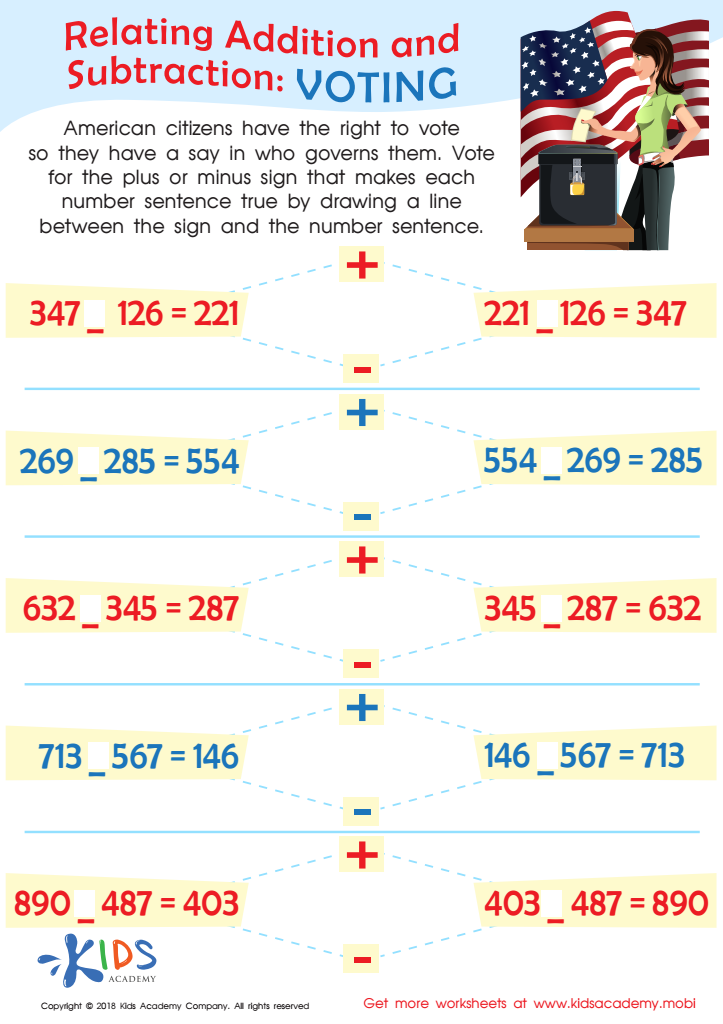
Voting Worksheet
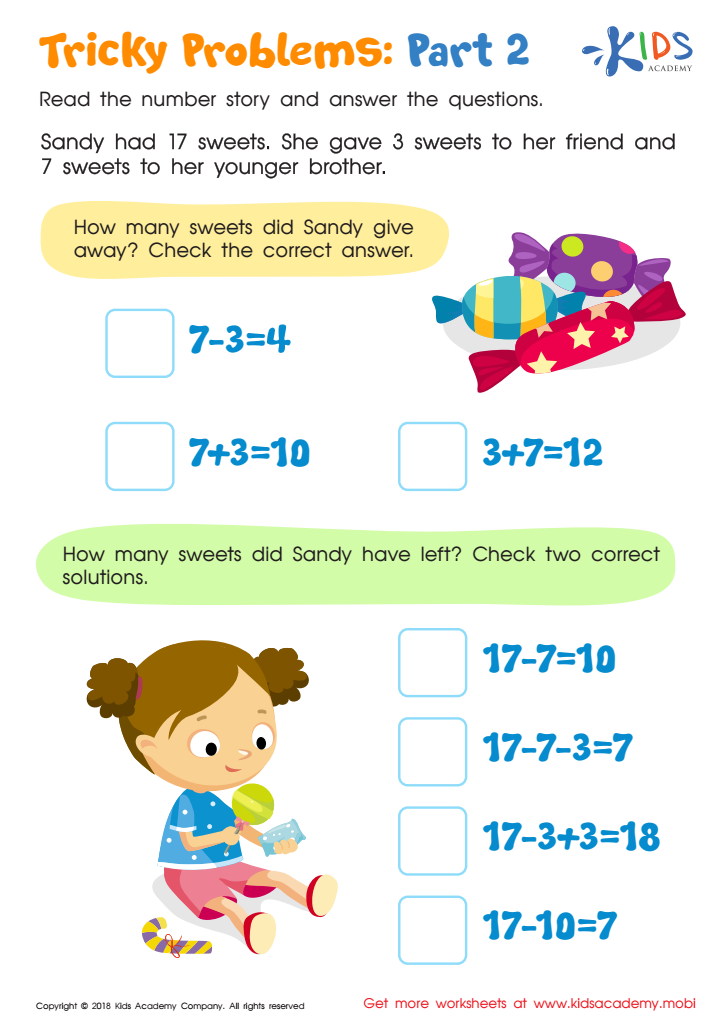
Tricky Problems Worksheet: Part 2
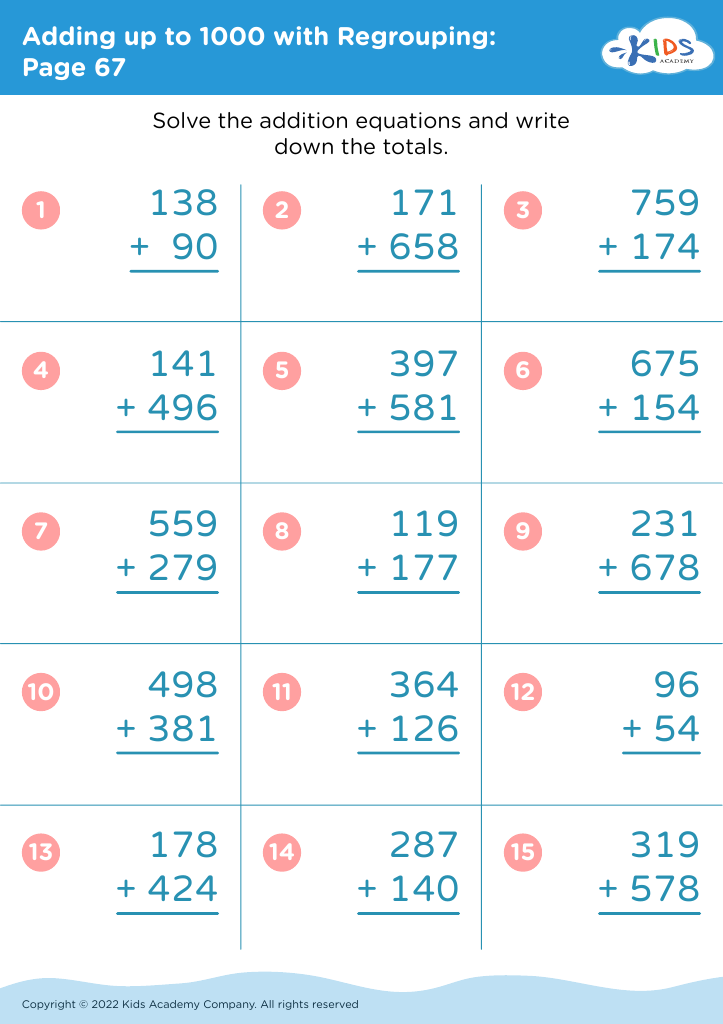
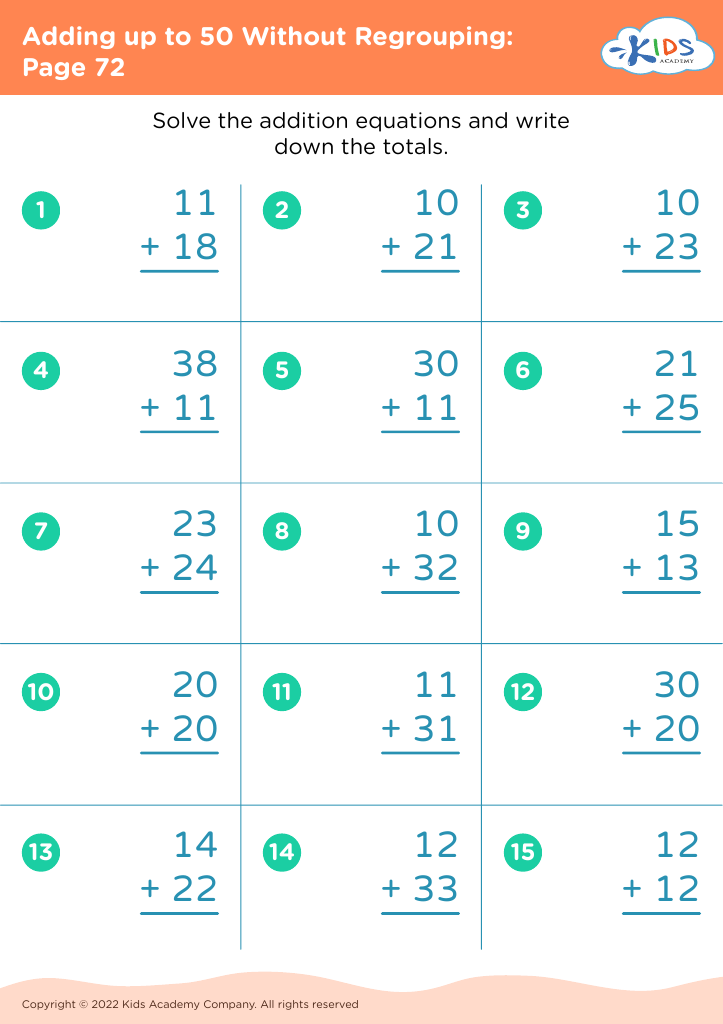
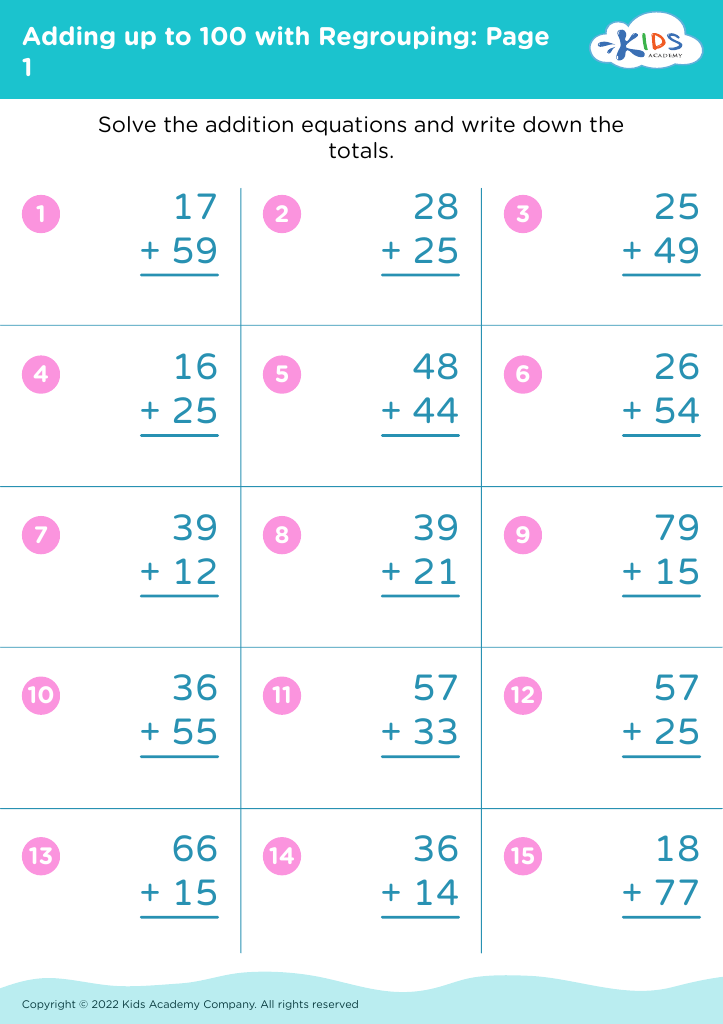
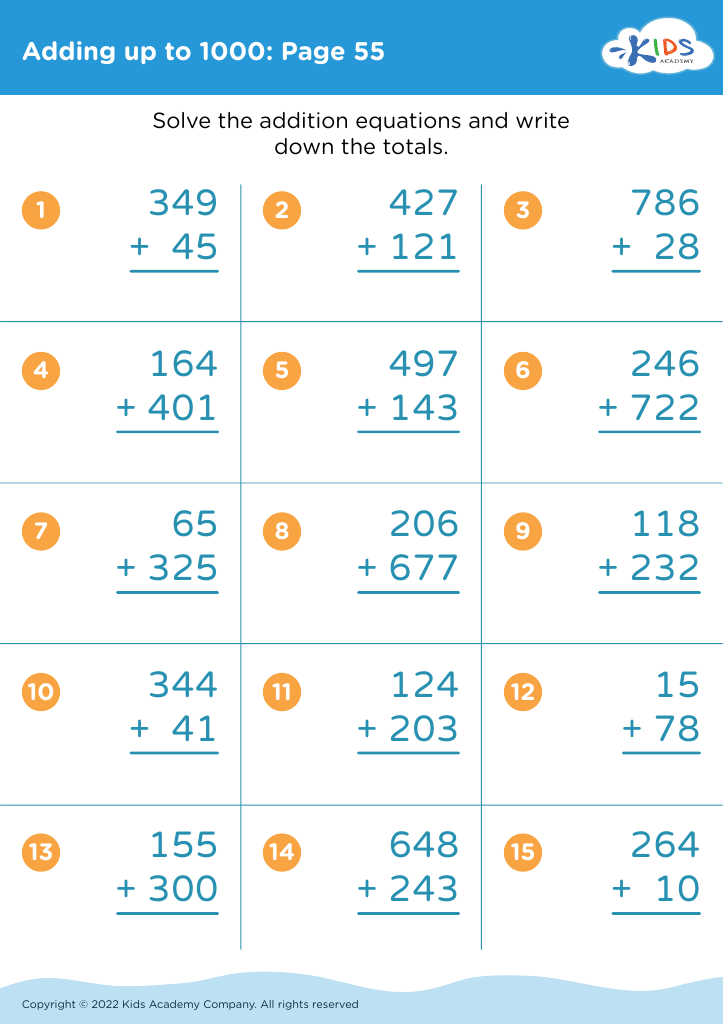








Parents and teachers play a crucial role in fostering logical thinking development in children aged 4-9, particularly in the realm of addition. During these formative years, children are not only grasping basic math skills but also developing critical problem-solving abilities and reasoning skills that will serve as a foundation for future learning.
Incorporating logical thinking in addition helps children understand relationships between numbers, enhances their ability to make connections, and promotes enduring cognitive skills. When children engage in activities like grouping objects to learn addition, solving puzzles, or working on word problems, they are not just learning how to add; they are developing skills in logic, reasoning, and analytical thinking that extend far beyond mathematics.
Additionally, strong logical thinking fosters confidence and encourages a growth mindset in children. It helps them tackle complex challenges and adapt to novel situations, equipping them to ask questions, test hypotheses, and explore solutions independently.
Ultimately, investing time and effort in promoting logical thinking through addition prepares children for success in various academic subjects and everyday scenarios. It’s a stepping stone toward developing well-rounded, critical thinkers ready to navigate an increasingly complex world.








