Developing logical thinking Math Worksheets for Ages 4-9
7 filtered results
-
From - To
Explore our specially designed “Developing Logical Thinking Math Worksheets for Ages 4-9,” curated to spark curiosity and enhance mathematical reasoning. Our engaging worksheets offer a perfect blend of fun and education, guiding young learners through puzzles, patterns, and problem-solving activities. Each worksheet is crafted to challenge little minds, helping them build critical thinking skills while mastering foundational math concepts. From basic counting to more complex logical sequences, our resources provide a dynamic learning experience tailored for early grade students. Take the first step in nurturing your child’s logical thinking abilities and set a solid foundation for future academic success.
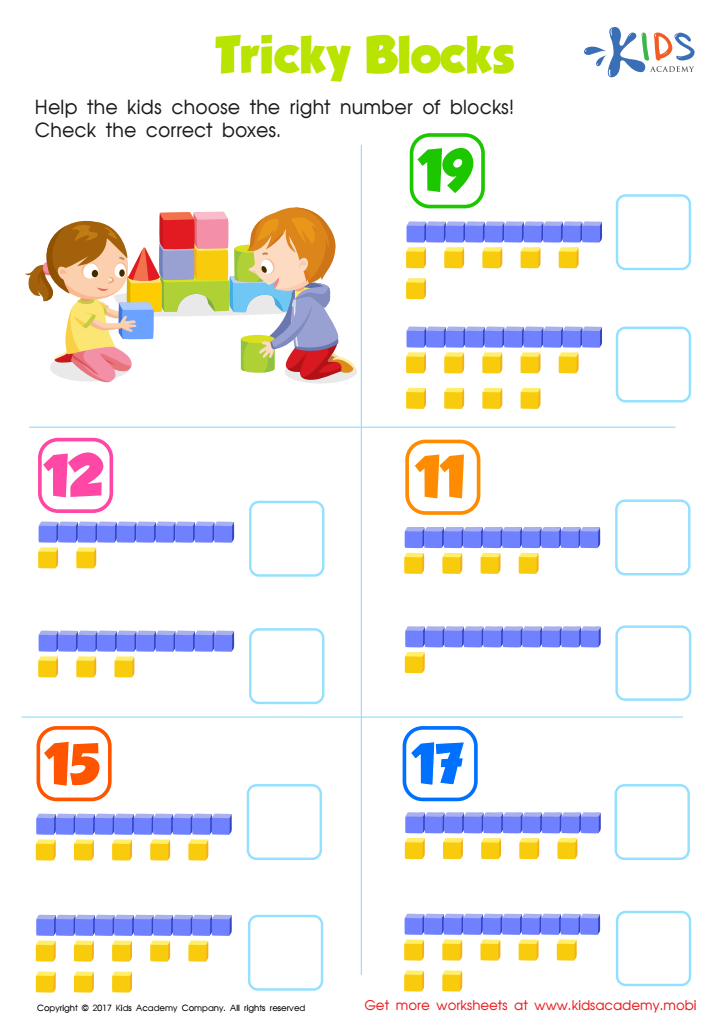
Tricky Blocks Worksheet
 Assign to My Students
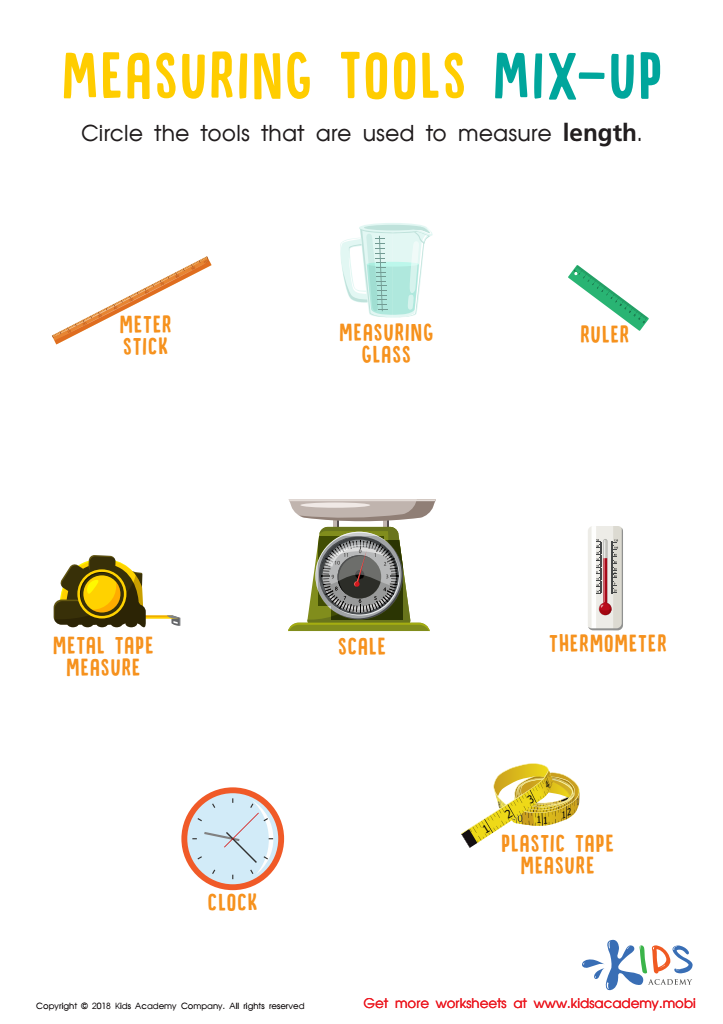
Measuring Tools Mix–up Worksheet
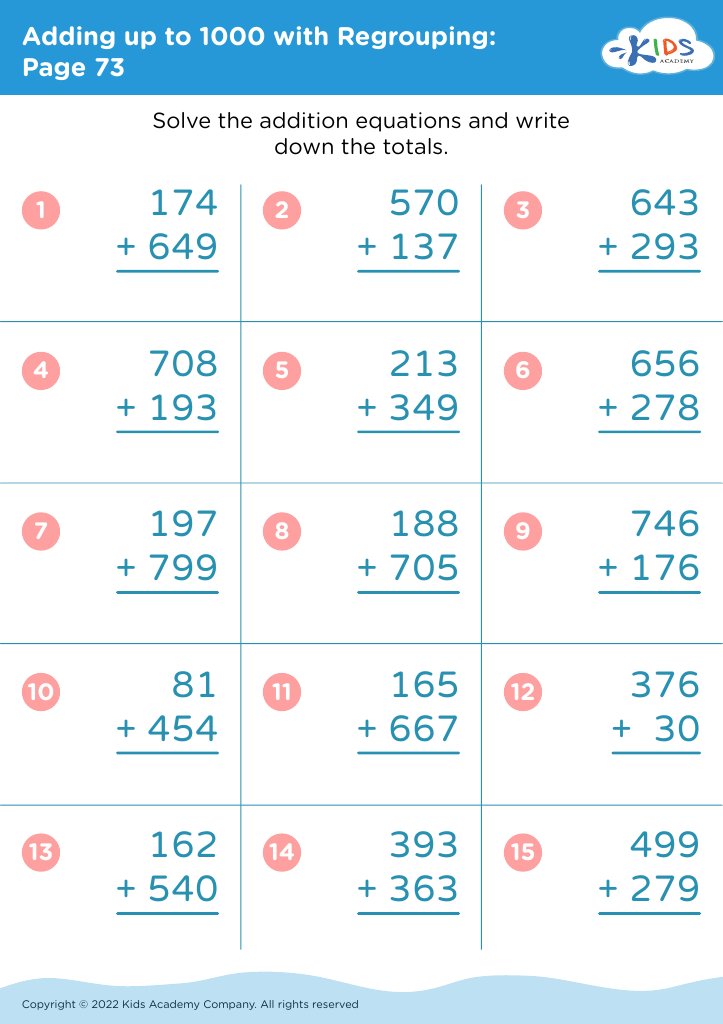
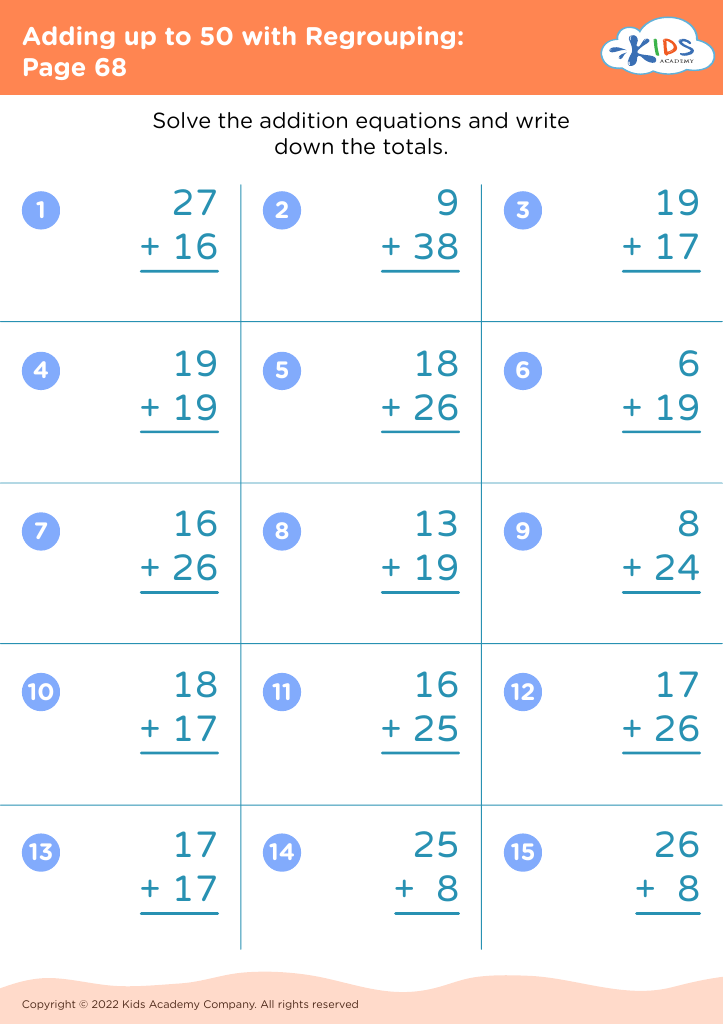
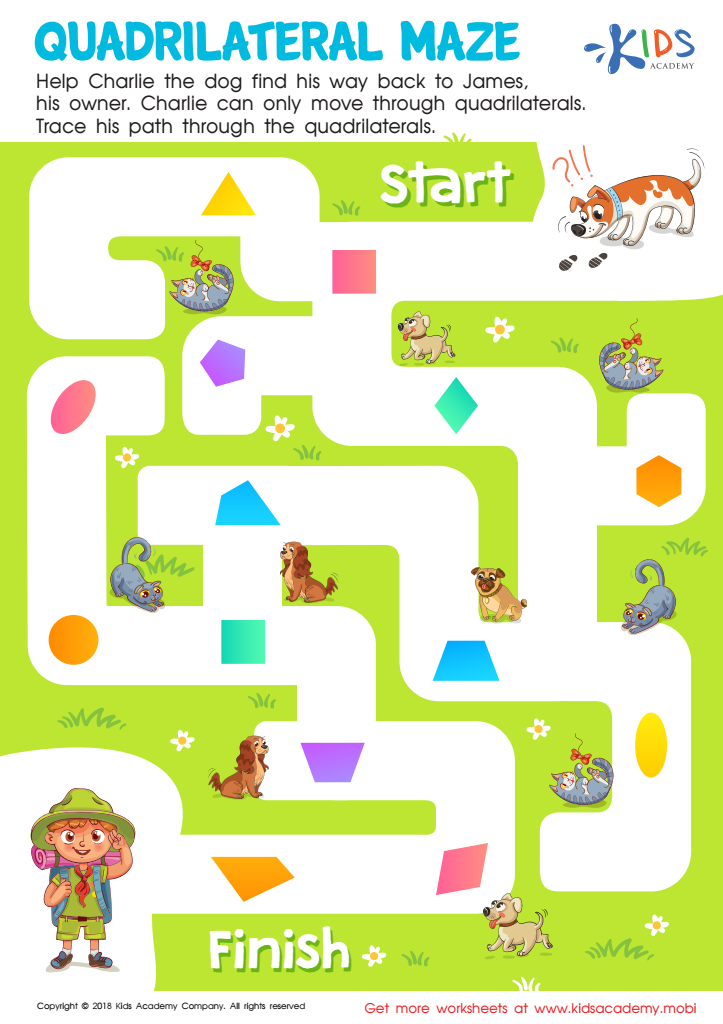
Quadrilateral Maze Worksheet
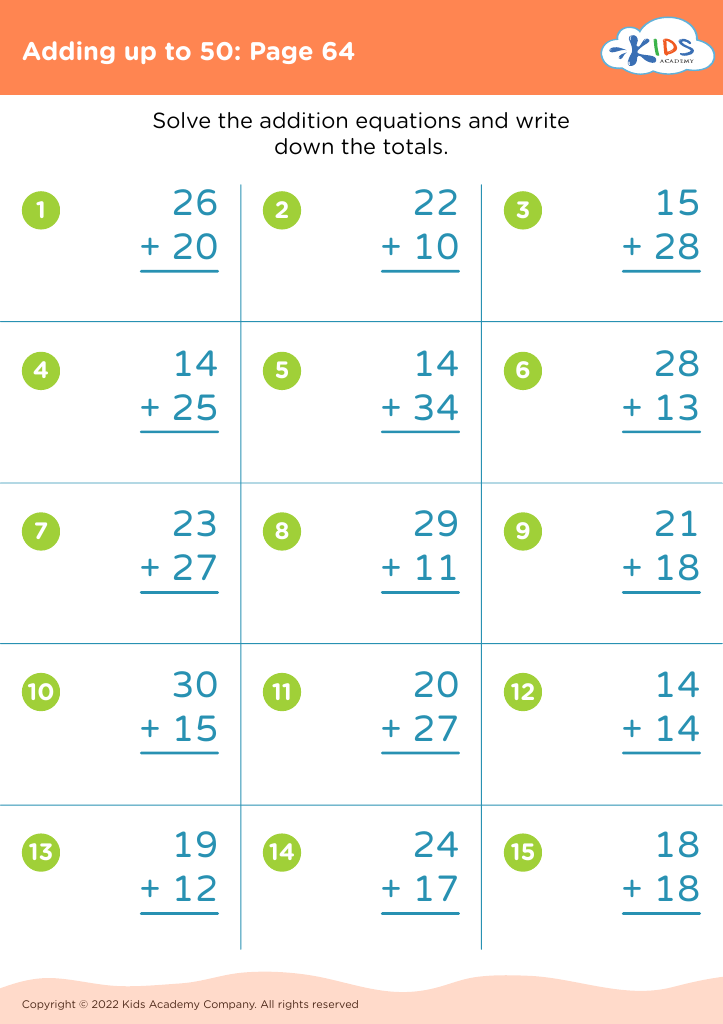
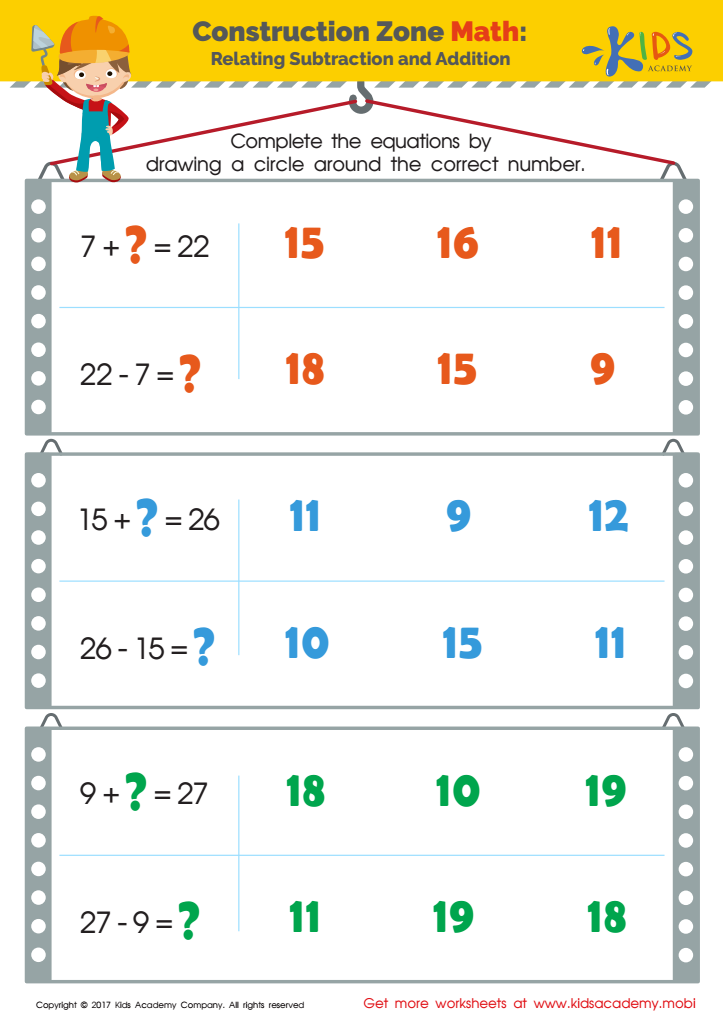
Related Addition and Subtraction Facts Worksheet








Developing logical thinking in math for children aged 4-9 is essential as it forms the foundation for critical thinking and problem-solving skills that are crucial throughout their lives. At this young age, children's brains are highly receptive and adaptable, making it the optimal period for instilling vital cognitive abilities. Logical thinking in math doesn't just improve their ability to work with numbers; it stimulates their overall intellectual growth and supports a variety of learning domains, including literacy and science.
Fostering logical thinking equips children with the ability to follow a sequence of steps to solving problems, recognize patterns, and understand relationships between concepts. This early mathematical fluency correlates with improved academic performance and helps children become more independent and confident learners.
Moreover, engaging children in math-related activities encourages persistence and resilience. When youngsters tackle math challenges, they learn to approach problems with a sense of curiosity and perseverance, essential traits for success in any domain. For teachers and parents, focusing on developing these skills offers children the tools they need to navigate and solve everyday problems, making them more adaptable and resourceful. Ultimately, instilling logical thinking in math at an early age lays a crucial groundwork for future educational and life success.








