Enhancing number recognition Math Worksheets for Ages 4-9
3 filtered results
-
From - To
Discover a comprehensive collection of "Enhancing Number Recognition" math worksheets designed for children ages 4-9. These engaging and interactive resources help young learners master essential number skills through fun activities and colorful visuals. From identifying numbers to simple counting exercises, our worksheets promote cognitive development and reinforce learning in a playful environment. Perfect for home or classroom use, these worksheets cater to various learning styles and make mastering numbers enjoyable. Equip your child with the confidence and skills needed for mathematical success. Dive into our collection and spark a love for numbers today!
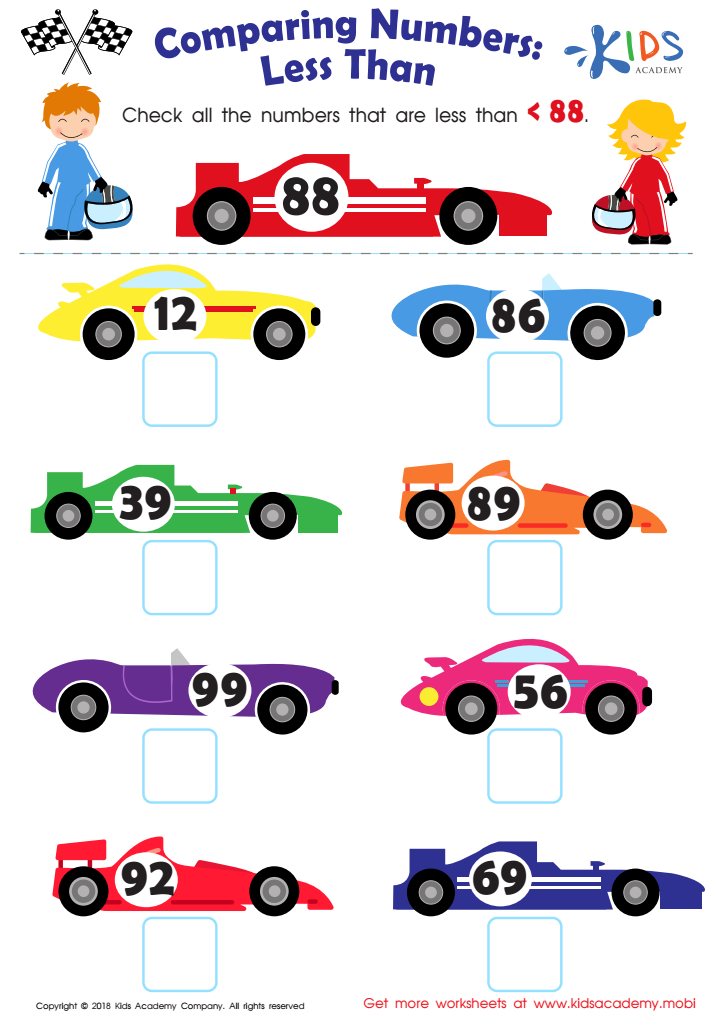
Less Than Worksheet
 Assign to My Students
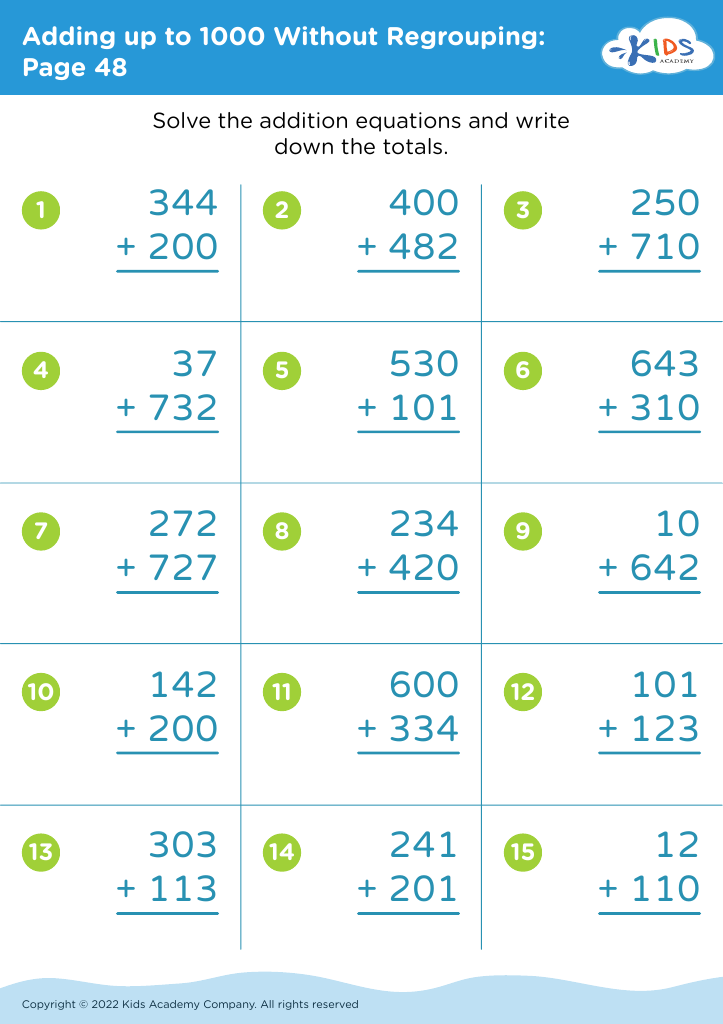
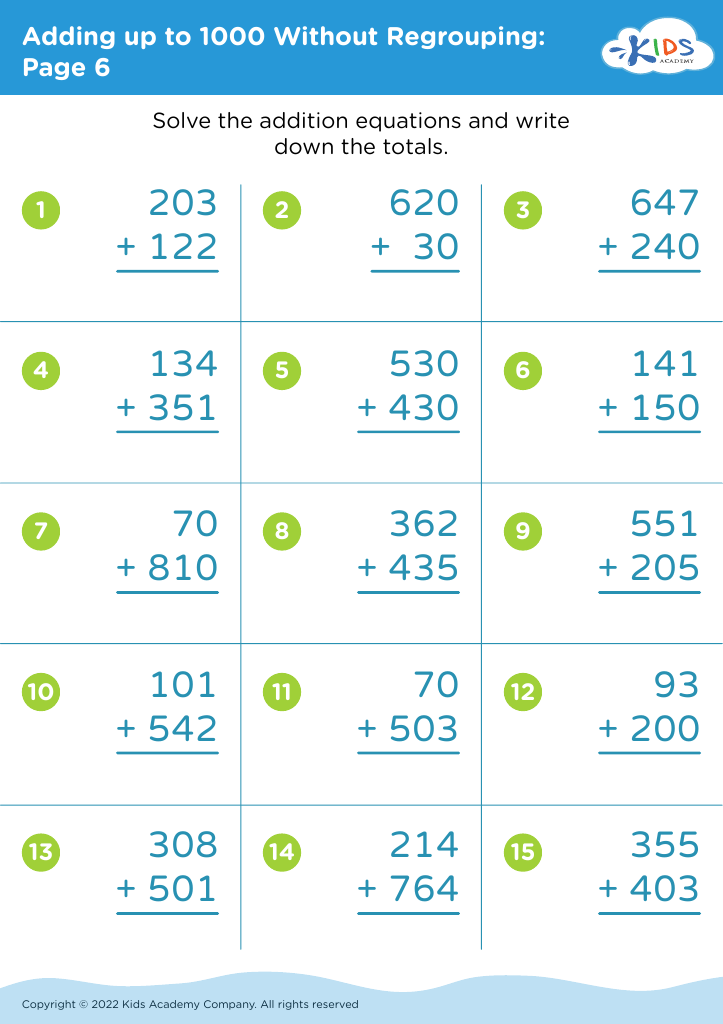








Enhancing number recognition in children aged 4-9 is crucial for several reasons. First, strong number recognition lays the foundation for essential mathematical skills and concepts that children will encounter as they progress in their education. Mastering number recognition enables students to confidently engage in more complex operations like addition, subtraction, and eventually multiplication and division.
Furthermore, number recognition plays a significant role in developing problem-solving skills. Children who can readily identify numbers are better equipped to understand mathematical relationships and apply their knowledge to real-life situations, such as making change or measuring ingredients in cooking.
Additionally, early positive experiences with numbers foster a lifelong interest in math and boost children's confidence in their abilities. This confidence is vital, as negative experiences with math can lead to anxiety and aversion in later years.
Parents and teachers can encourage number recognition through playful and engaging activities, integrating numbers into everyday experiences. By prioritizing this skill during early development, they not only enhance learners' academic performance but also equip them with critical reasoning skills that will benefit them in all areas of life. Investing in early math education ultimately promotes a well-rounded curriculum essential for a child’s holistic development.








