Mathematical thinking Math Worksheets for Ages 4-9
7 filtered results
-
From - To
Explore our "Mathematical Thinking Math Worksheets for Ages 4-9," designed to cultivate young minds through engaging, interactive activities. Tailored for early learners, these worksheets encourage critical thinking, problem-solving, and logical reasoning. Each activity fosters essential skills like number recognition, pattern understanding, and basic operations, all while keeping learning fun and exciting. Our printable resources support various learning styles, ensuring every child can thrive. With vibrant visuals and age-appropriate challenges, your child will build a strong foundation in math. Perfect for home or classroom use, these worksheets are an ideal tool to nurture a lifelong love for mathematics. Start exploring today!
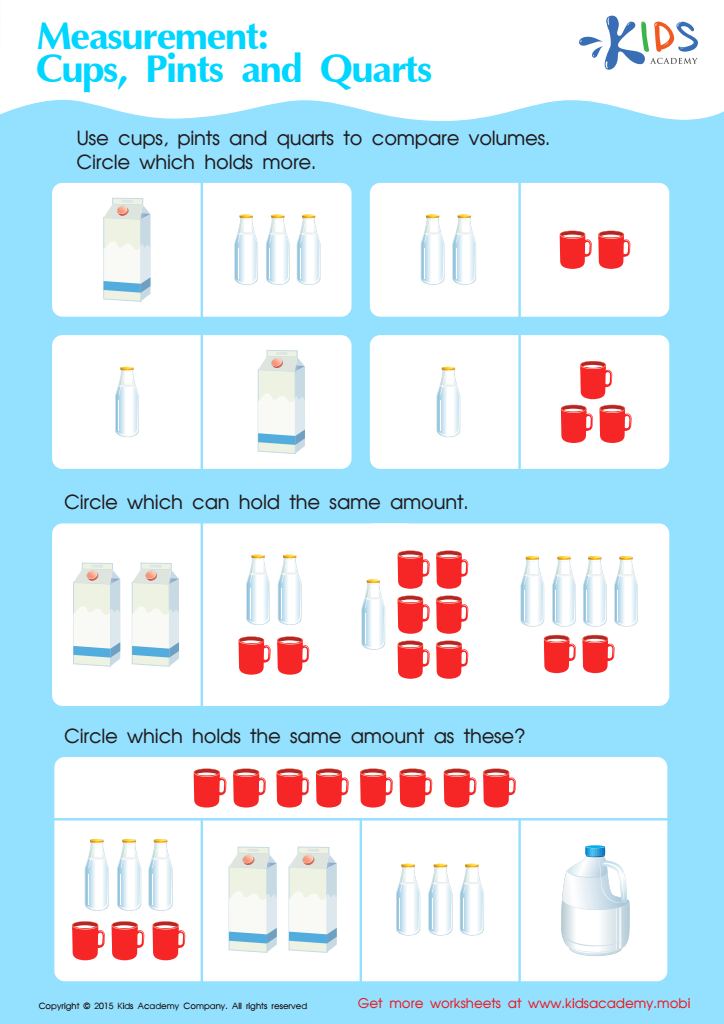
Measurement: Compare Volumes Worksheet
 Assign to My Students
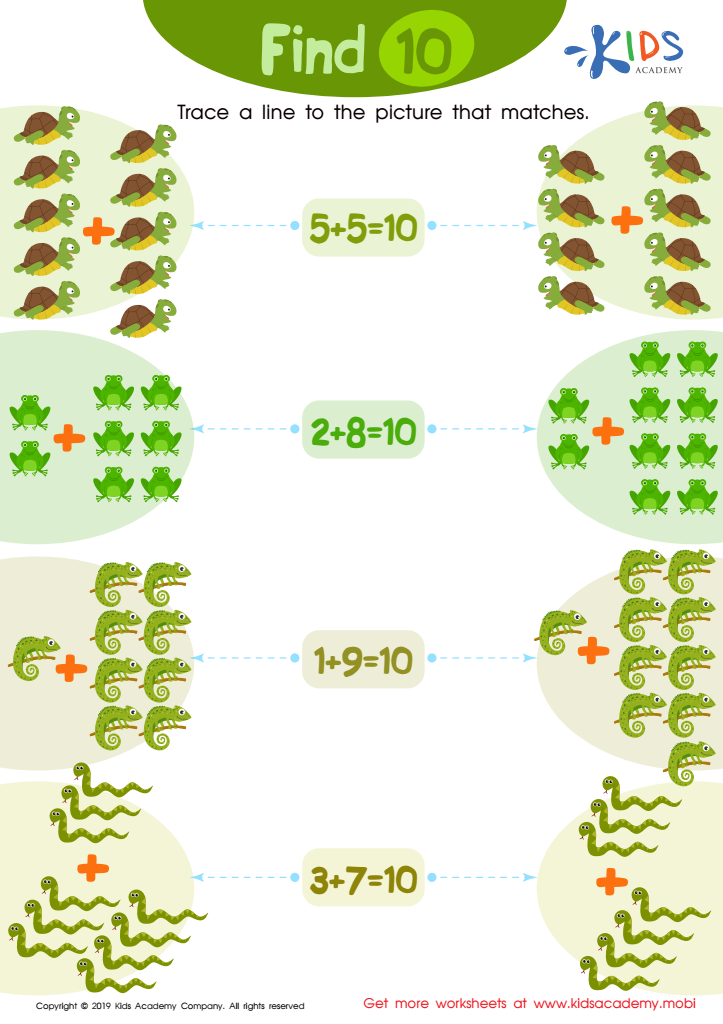
Find 10 Worksheet
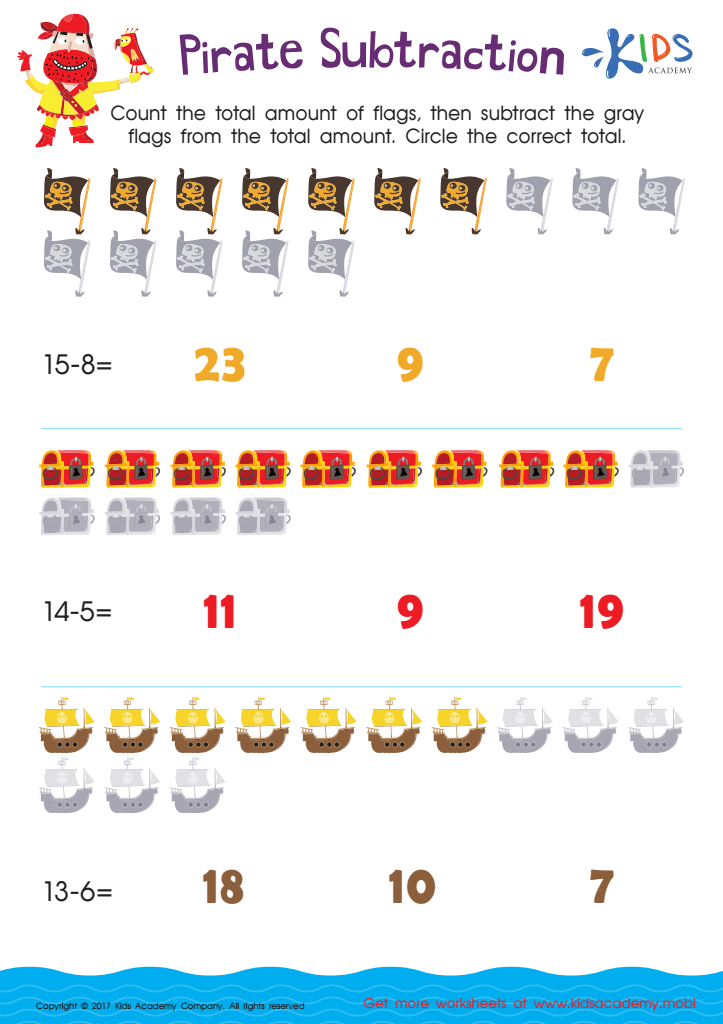
Pirate Subtraction Substraction Worksheet
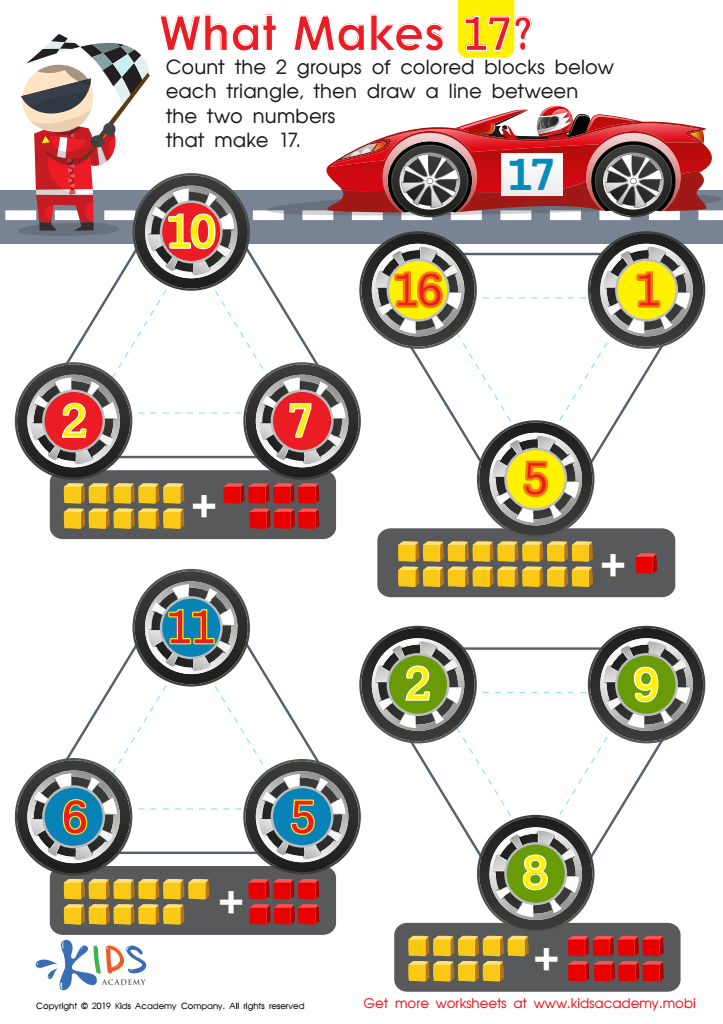
What Makes 17 Worksheet
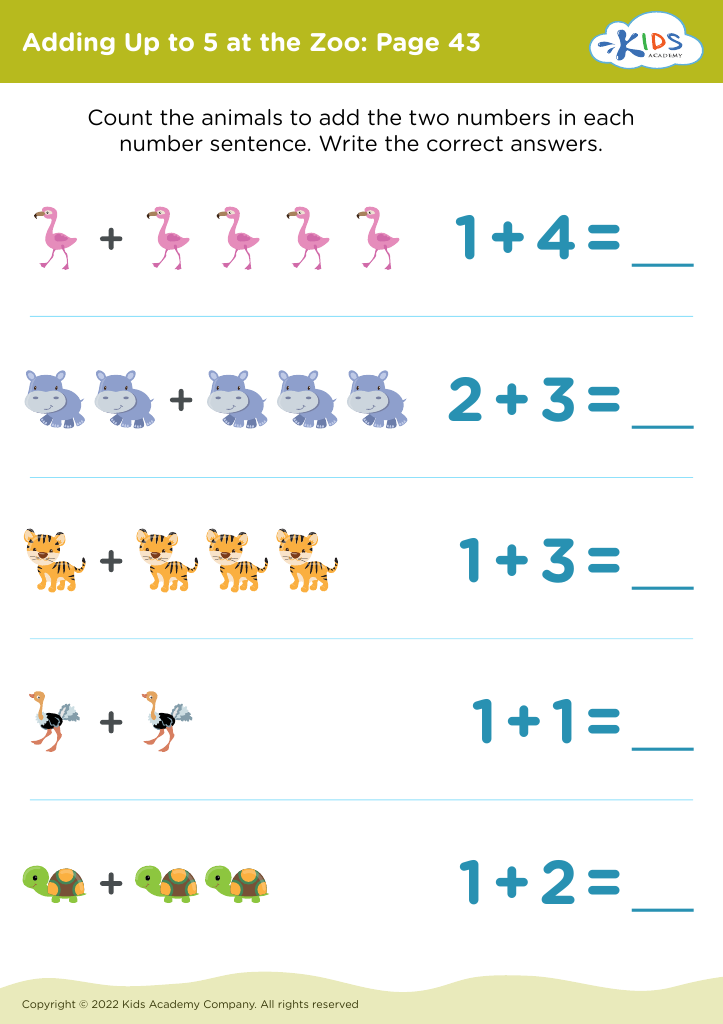
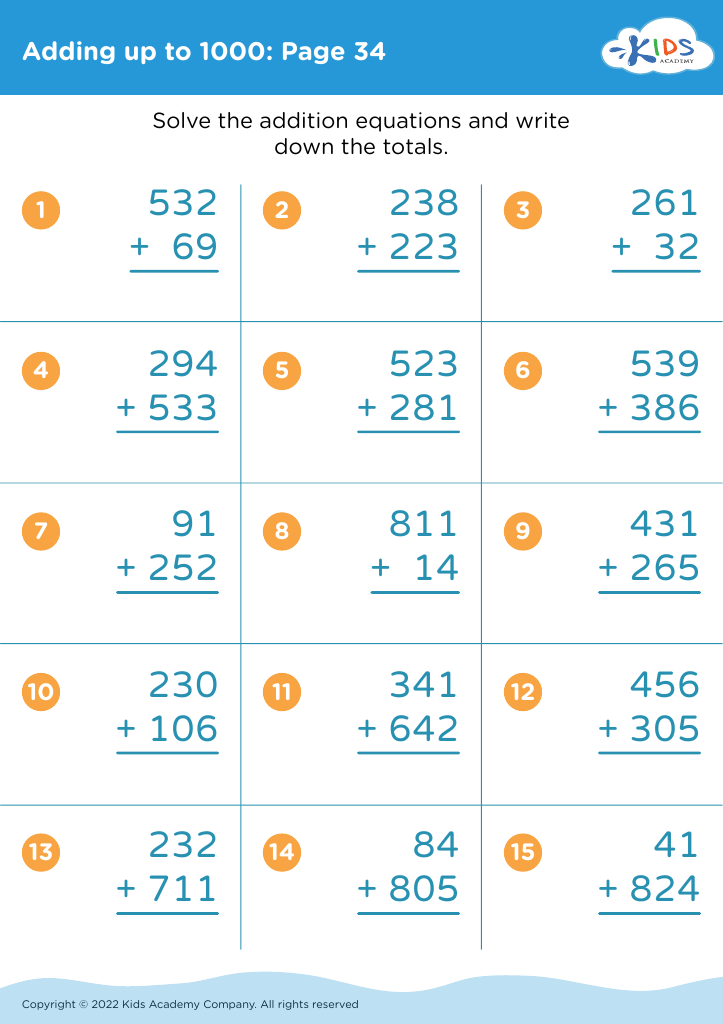








Mathematical thinking is crucial for children aged 4-9 as it develops critical cognitive skills that are foundational for their future academic success. This age range is a vital period for cognitive development, and introducing math concepts early fosters logical reasoning and problem-solving abilities. When parents and teachers engage children in mathematical thinking, they help enhance their ability to analyze situations, make connections, and understand patterns, which are essential for more advanced learning.
Moreover, mathematical thinking promotes everyday skills, such as budgeting, cooking, and time management. It encourages children to cultivate a positive attitude towards math, which can help alleviate math anxiety and build confidence. Engaging with math using games, puzzles, and real-life situations allows children to grasp abstract concepts in a relatable manner, ensuring that learning is enjoyable and interactive.
Fostering mathematical thinking also supports communication skills, as children learn to express their thought processes and reasoning. Parents and teachers can work together to create a supportive environment where math is viewed as a fun and essential part of life, ultimately equipping children with tools necessary for lifelong learning and problem-solving. Investing in early mathematical thinking lays a solid foundation for academic achievement and critical life skills.








